Standing Seam Metal Roof Company: 2026 Selection Guide
Discover how to choose the right standing seam metal roof company for your commercial building. Expert insights on installation, benefits, and costs.
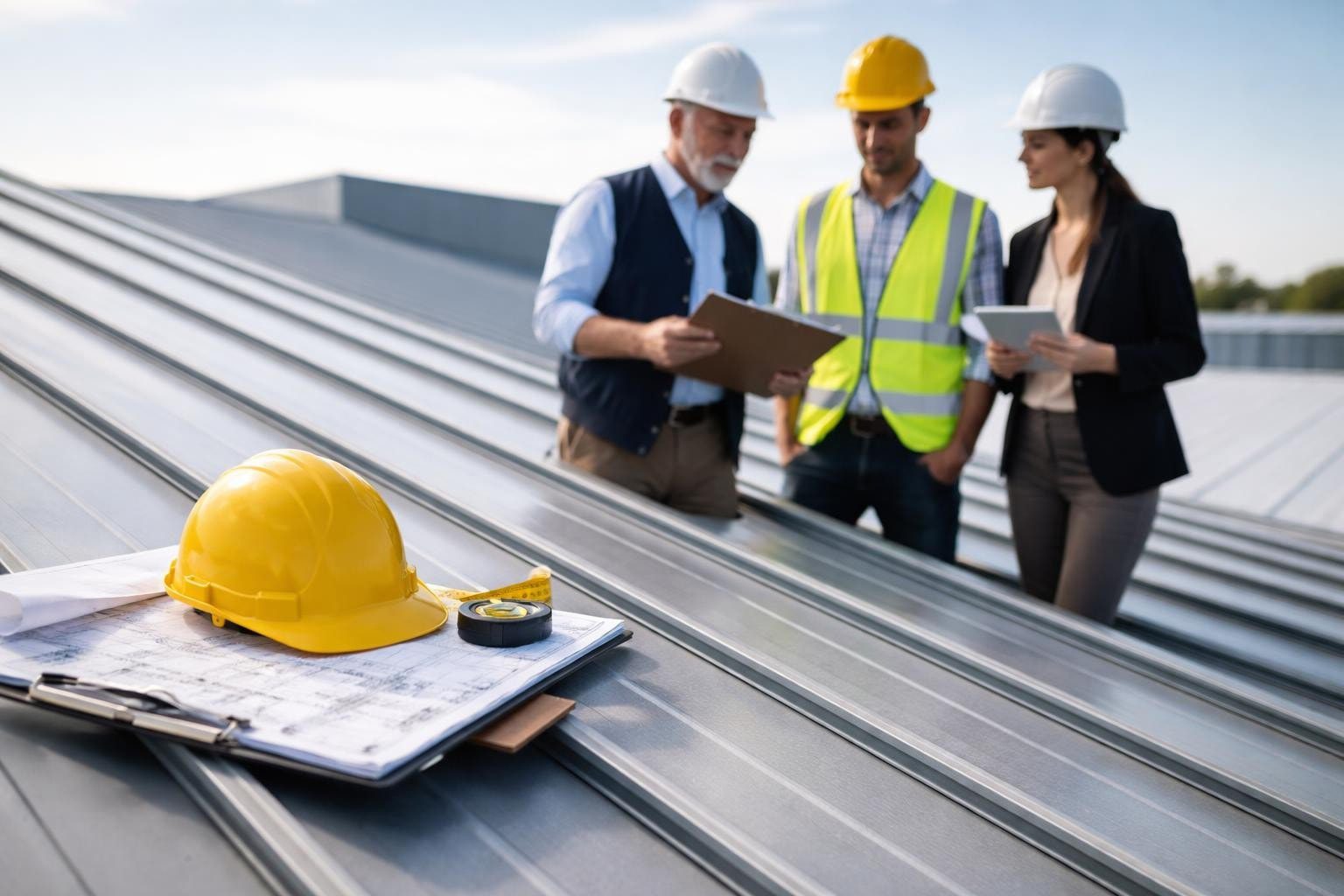
Selecting the right standing seam metal roof company for your commercial property represents a significant investment in your building's future. With standing seam metal roofing becoming increasingly popular for commercial applications across healthcare facilities, retail centers, and government buildings, understanding what separates exceptional contractors from average ones is essential. This comprehensive guide explores the critical factors that matter when evaluating roofing contractors, from technical expertise to long-term warranty support.
Understanding Standing Seam Metal Roofing Systems
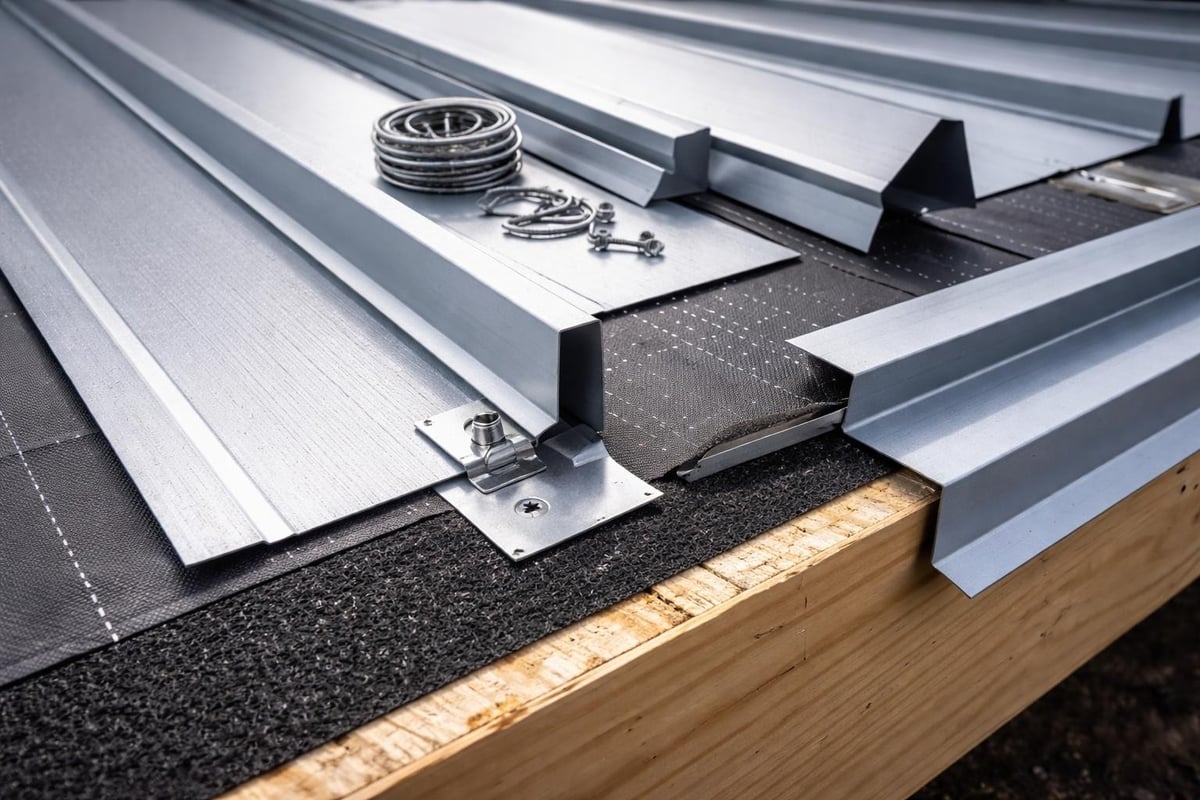
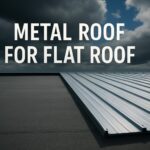
Standing seam metal roofing differs fundamentally from traditional roofing systems through its concealed fastener design and vertical panel configuration. These roofs feature raised seams that interlock, creating a weather-tight barrier without exposed fasteners that could compromise waterproofing integrity.
The system's design allows for thermal expansion and contraction, making it ideal for commercial buildings that experience significant temperature fluctuations throughout the year. Metal panels can expand and contract along the length of each seam without creating stress points that lead to leaks or structural damage.
Key Components of Standing Seam Systems
When working with a standing seam metal roof company, you'll encounter several essential components that determine system performance:
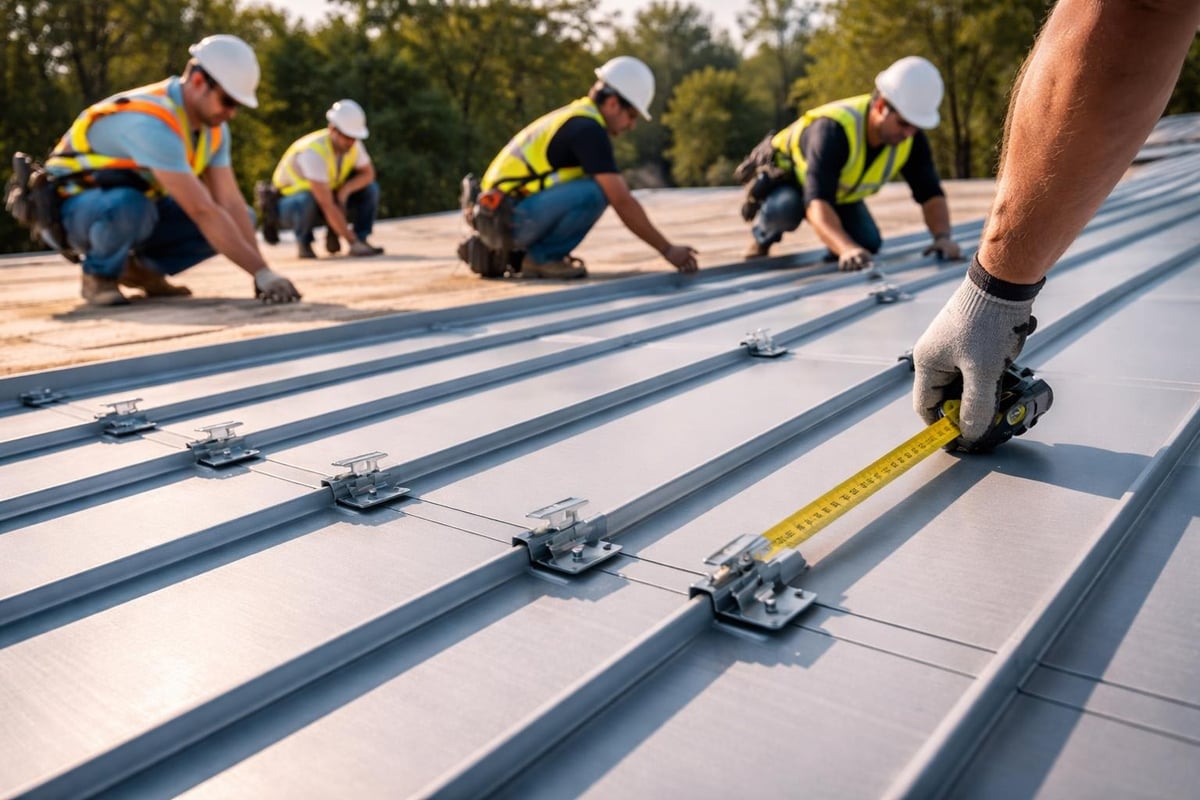
Metal panels ranging from 12 to 24 inches wide, typically 24-gauge to 22-gauge steel or aluminum
Clips or cleats that attach panels to the roof deck while allowing movement
Trim and flashing ensuring proper edge detail and penetration sealing
Fasteners specifically engineered for metal roofing applications
The advantages of standing seam roofing extend beyond basic weather protection, offering superior wind resistance, fire ratings, and energy efficiency compared to conventional roofing materials.
Essential Qualifications for Commercial Roofing Contractors
Not every roofing contractor possesses the specialized skills required for standing seam installation. Commercial projects demand higher standards than residential work, particularly for facilities serving critical functions.
Licensing and Insurance Requirements
A professional standing seam metal roof company maintains comprehensive coverage that protects both their workers and your property. Verify these credentials before signing any contract:
Requirement
Minimum Standard
Why It Matters
General Liability
$2,000,000 coverage
Protects against property damage and injuries
Workers Compensation
State-mandated minimums
Covers employee injuries on your property
Contractor License
Active, current license
Demonstrates legal compliance and expertise
Bonding
Performance and payment bonds
Guarantees project completion
Beyond basic insurance, look for contractors with manufacturer certifications from major metal roofing suppliers. These certifications confirm that installers have completed rigorous training programs and maintain quality standards that protect warranty coverage.
Experience with Commercial Applications
Commercial roofing presents unique challenges that residential contractors may not understand. Your chosen standing seam metal roof company should demonstrate experience with:
Large-scale projects spanning thousands of square feet
Complex roof geometries including valleys, hips, and multiple penetrations
Occupied building considerations that minimize disruption to business operations
Code compliance for commercial structures in your jurisdiction
OSHA safety protocols for working at height on commercial buildings
Request references from similar facilities in your industry. A contractor experienced with healthcare facilities understands sterile environment requirements, while retail specialists know how to work around operating hours.
Evaluating Technical Expertise and Installation Methods
Proper substrate preparation determines whether your roof performs for 30 years or fails within a decade. Professional standing seam metal roof company teams inspect and address:
Deck integrity including repairs to damaged sections
Ventilation adequacy to prevent moisture accumulation
Structural capacity to support additional metal roofing weight
Thermal barriers enhancing energy efficiency
Many contractors rush this phase to reduce costs, but cutting corners during preparation creates expensive problems later. Insist on detailed documentation of all substrate work completed before panel installation begins.
Panel Installation Techniques
Watch for these quality indicators during installation:
Consistent panel alignment verified with string lines
Proper clip spacing according to manufacturer specifications
Seam engagement achieving full interlock without gaps
Fastener placement in designated thermal zones
Sealant application only where specified by manufacturer
The difference between adequate and exceptional installation often comes down to small details that significantly impact longevity. Understanding standing seam benefits helps you appreciate why precision matters throughout the installation process.
Material Selection and Supplier Relationships
A reputable standing seam metal roof company maintains relationships with established metal roofing manufacturers, ensuring access to quality materials and technical support. The materials specified for your project directly affect performance and longevity.
Metal Types and Gauge Options
Commercial standing seam roofs typically use these metal options:
Steel Panels
Galvanized steel with protective coatings
Galvalume (aluminum-zinc alloy coating)
24-gauge to 22-gauge thickness for commercial applications
PVDF paint finishes resisting fade and chalking
Aluminum Panels
Natural corrosion resistance
Lighter weight reducing structural loads
Ideal for coastal environments
.032 to .040 inch thickness standard
Your standing seam metal roof company should explain gauge selection based on building exposure, local wind loads, and budget considerations. Thicker gauges provide greater dent resistance and longevity but increase material costs.
Finish and Color Durability
Paint finish quality varies dramatically across products. Premium PVDF (Polyvinylidene Fluoride) finishes like Kynar 500 or Hylar 5000 maintain color integrity for decades, while economy polyester coatings fade within years.
Color selection impacts more than aesthetics. Cool roof colors with high solar reflectance reduce cooling costs significantly, particularly important for retail centers and large commercial facilities. Many utility companies offer rebates for cool metal roofing installations that meet Energy Star requirements.
Cost Considerations and Budget Planning
Standing seam metal roofing represents a higher upfront investment than conventional commercial roofing systems, but lifecycle costs tell a different story. Smart commercial property managers evaluate total cost of ownership rather than installation price alone.
Investment Range for Commercial Projects
Costs vary based on numerous factors:
Project Element
Cost Impact
Typical Range
Base material and installation
Highest
$8-$15 per sq ft
Tear-off and disposal
Moderate
$2-$4 per sq ft
Structural reinforcement
Variable
$0-$6 per sq ft
Accessories and trim
Lower
$1-$3 per sq ft
These figures represent 2026 market rates for commercial projects. Your standing seam metal roof company should provide detailed breakdowns showing exactly where your investment goes.
Long-Term Value Proposition
Consider these financial benefits when evaluating proposals:
Extended lifespan of 40-60 years versus 15-25 years for single-ply membranes
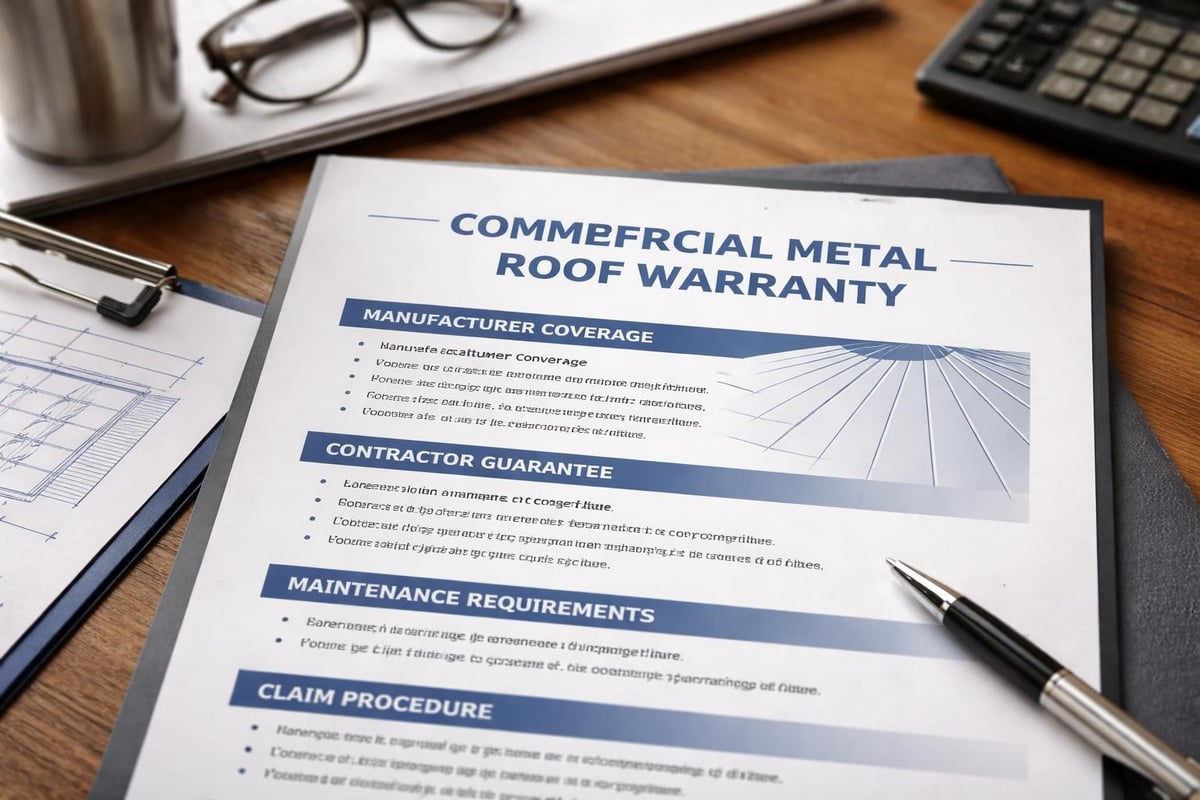
Warranties represent your safety net against premature failure and installation defects. However, warranty value depends entirely on the standing seam metal roof company backing it and their ability to honor commitments decades later.
Manufacturer Material Warranties
Metal roofing manufacturers typically offer these warranty tiers:
Paint finish warranties (20-40 years) covering fade and chalk
Substrate warranties (20-30 years) against perforation and corrosion
Read warranty fine print carefully. Many contain exclusions for coastal environments, industrial atmospheres, or specific maintenance failures that void coverage.
Contractor Workmanship Guarantees
Your standing seam metal roof company's workmanship warranty matters as much as manufacturer coverage. Installation errors cause more problems than material defects in most cases.
Quality contractors offer:
Minimum 10-year workmanship warranties
Clear processes for warranty claims
Documented maintenance requirements
Transfer provisions for new property owners
Emergency response commitments
Verify the contractor's financial stability and longevity. A 20-year warranty from a company operating for only three years carries significant risk.
Maintenance Programs and Lifecycle Management
Even durable standing seam metal roofs require periodic maintenance to achieve their full lifespan potential. Progressive standing seam metal roof company providers offer comprehensive maintenance programs that protect your investment.
Annual Inspection Protocols
Professional maintenance programs include:
Visual panel inspection identifying dents, scratches, or coating damage
Seam integrity verification ensuring proper engagement throughout the roof
Fastener assessment at penetrations and terminations
Drainage system cleaning preventing water accumulation
Sealant condition review at critical flashings
Inspections typically cost $500-$1,500 for commercial buildings, far less than emergency repairs from neglected issues.
Common Maintenance Tasks
Regular maintenance extends roof life significantly:
Debris removal preventing moisture retention
Touch-up painting protecting exposed edges
Sealant replacement at aging penetrations
Fastener tightening as thermal cycling causes loosening
Gutter and downspout maintenance ensuring proper drainage
Many benefits of standing seam roofs stem from their low maintenance requirements compared to alternative systems. However, "low maintenance" doesn't mean "no maintenance."
Specialized Considerations for Different Industries
Your facility type influences roofing requirements beyond basic waterproofing. An experienced standing seam metal roof company tailors solutions to industry-specific needs.
Healthcare Facility Requirements
Medical facilities demand special attention to:
Infection control during installation with contained work zones
Noise minimization avoiding disruption to patient care
Emergency access maintaining helicopter landing zones
Regulatory compliance with state health department standards
Healthcare projects often require night and weekend work schedules, increasing labor costs but preventing operational disruption.
Retail and Commercial Centers
Retail properties prioritize:
Customer access during construction phases
Aesthetic coordination with building design
Energy efficiency reducing operating costs
Rapid installation minimizing business impact
Long-term appearance retention
Many retail chains maintain approved contractor lists. Verify your standing seam metal roof company meets corporate requirements before proceeding.
Government Building Standards
Public facilities must comply with:
Prevailing wage requirements
Bidding and procurement regulations
Buy American Act provisions
LEED or sustainability certifications
Accessibility during public hours
Government projects involve extensive documentation and compliance verification throughout the installation process.
Quality Assurance and Project Management
Superior standing seam metal roof company teams implement rigorous quality control measures ensuring every project meets exacting standards.
Material certifications confirming product specifications
Final inspection reports verifying code compliance
This documentation protects both parties and provides valuable records for future maintenance planning.
Communication Protocols
Effective project managers maintain regular communication through:
Weekly progress meetings reviewing schedule and issues
Real-time problem reporting with proposed solutions
Change order documentation for scope modifications
Safety incident reporting and corrective actions
Completion walkthroughs addressing punch list items
Poor communication causes more project failures than technical incompetence. Choose contractors who prioritize transparency and responsiveness.
Evaluating Proposals and Making Your Selection
When comparing standing seam metal roof company proposals, look beyond bottom-line pricing to understand true value. The lowest bid often signals cut corners that create expensive problems later.
Proposal Comparison Framework
Create a standardized comparison evaluating:
Technical Specifications
Panel gauge and material type
Underlayment quality and type
Fastener specifications
Flashing details and materials
Project Approach
Installation timeline and phasing
Safety protocols and equipment
Weather contingency plans
Quality control measures
Financial Terms
Payment schedule tied to milestones
Change order procedures and pricing
Warranty coverage details
Maintenance program options
Request clarification on vague specifications. Reputable contractors welcome detailed questions and provide thorough answers.
Red Flags to Avoid
Watch for warning signs indicating potential problems:
Requests for large upfront payments before work begins
Reluctance to provide references or insurance certificates
Trust your instincts. If something feels wrong during the selection process, it probably is.
The Role of Professional Inspections
Third-party inspections provide objective quality verification throughout the project. While they add cost, the protection they offer often prevents expensive disputes and ensures proper installation.
Pre-Installation Inspections
Before work begins, professional inspectors verify:
Substrate suitability for metal roofing installation
Structural adequacy for additional loads
Ventilation compliance with building codes
Proper material staging and protection
These inspections identify issues before they become installation problems.
Progress and Final Inspections
Periodic inspections during installation catch problems while correction remains simple and inexpensive. Final inspections verify code compliance and warranty requirements before making final payment to your standing seam metal roof company.
Many building codes require third-party inspections for commercial roofing projects. Even when not mandated, the investment provides valuable peace of mind and documentation.
Selecting the right standing seam metal roof company requires careful evaluation of qualifications, experience, and approach to ensure your commercial building receives a roofing system that performs reliably for decades. From understanding material options to verifying warranty coverage and maintenance support, informed decision-making protects your significant investment. GM Roofing Services brings extensive experience with commercial standing seam metal roofing across healthcare, retail, and government facilities, providing comprehensive solutions from initial assessment through long-term maintenance programs. Contact our team to discuss how we can deliver a metal roofing system tailored to your facility's specific requirements.
Learn why preventative electrical maintenance is critical for commercial buildings. Discover best practices, inspection schedules, and cost-saving benefits.