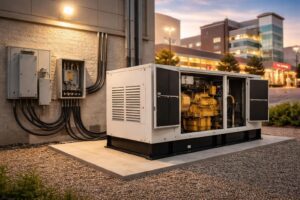
Temporary Power Services: A Complete Guide for 2026
Learn what temporary power services are, when you need them, and how to ensure safe, compliant installations for construction and commercial projects.
When you're managing a construction project, renovation, or emergency situation, keeping the lights on and equipment running isn't just convenient-it's essential. That's where temporary power services come into play. Whether you're overseeing a multi-story office renovation in Dallas or coordinating a retail build-out in Fort Worth, understanding how temporary electrical setups work can save you time, money, and headaches down the road.
What Are Temporary Power Services?
Temporary power services provide electrical energy to job sites and facilities that don't yet have permanent electrical systems in place, or where existing systems need to be temporarily bypassed. Think of them as your electrical lifeline during transitions.
These services typically include:
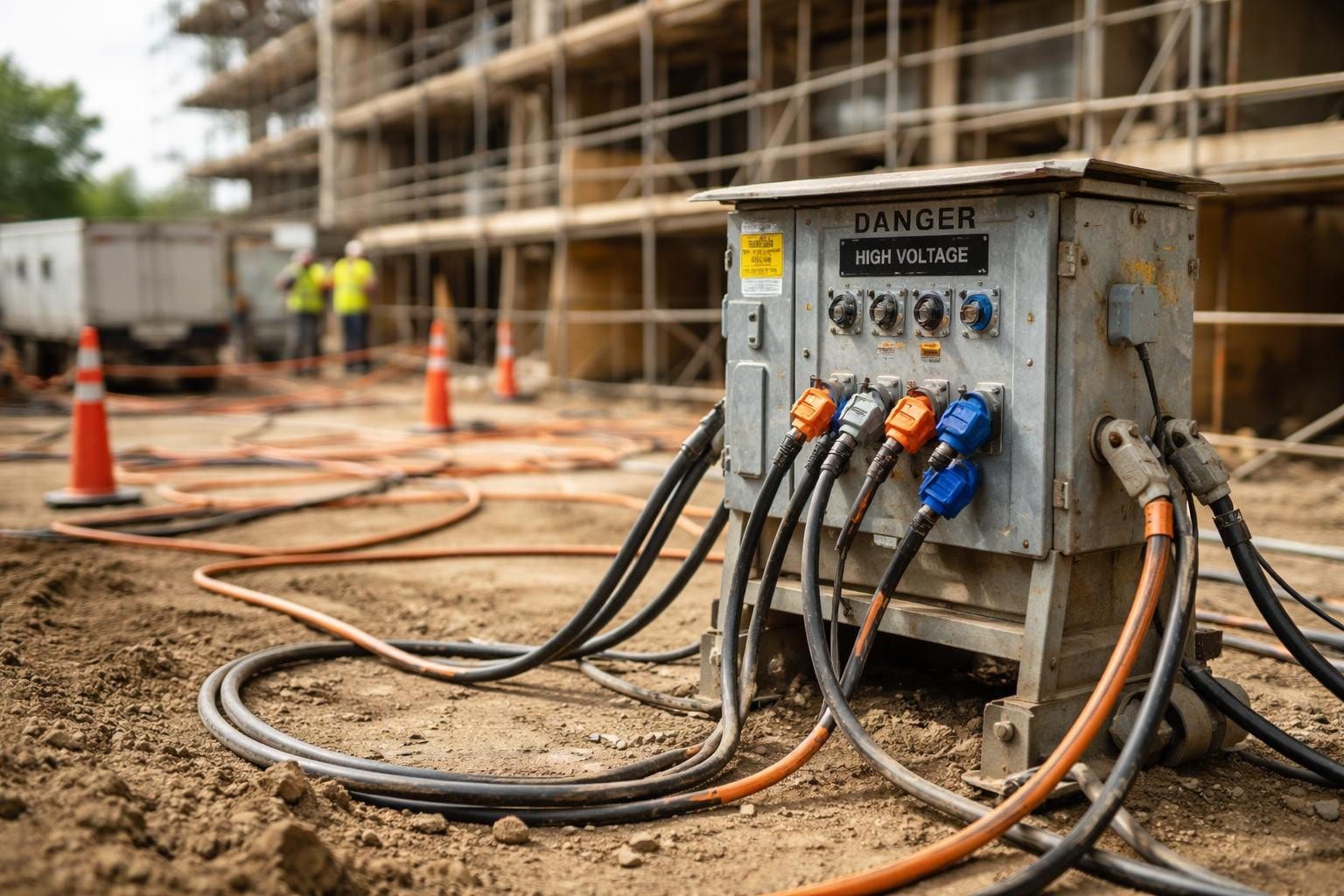
Temporary electrical panels and distribution boards that route power safely across your site
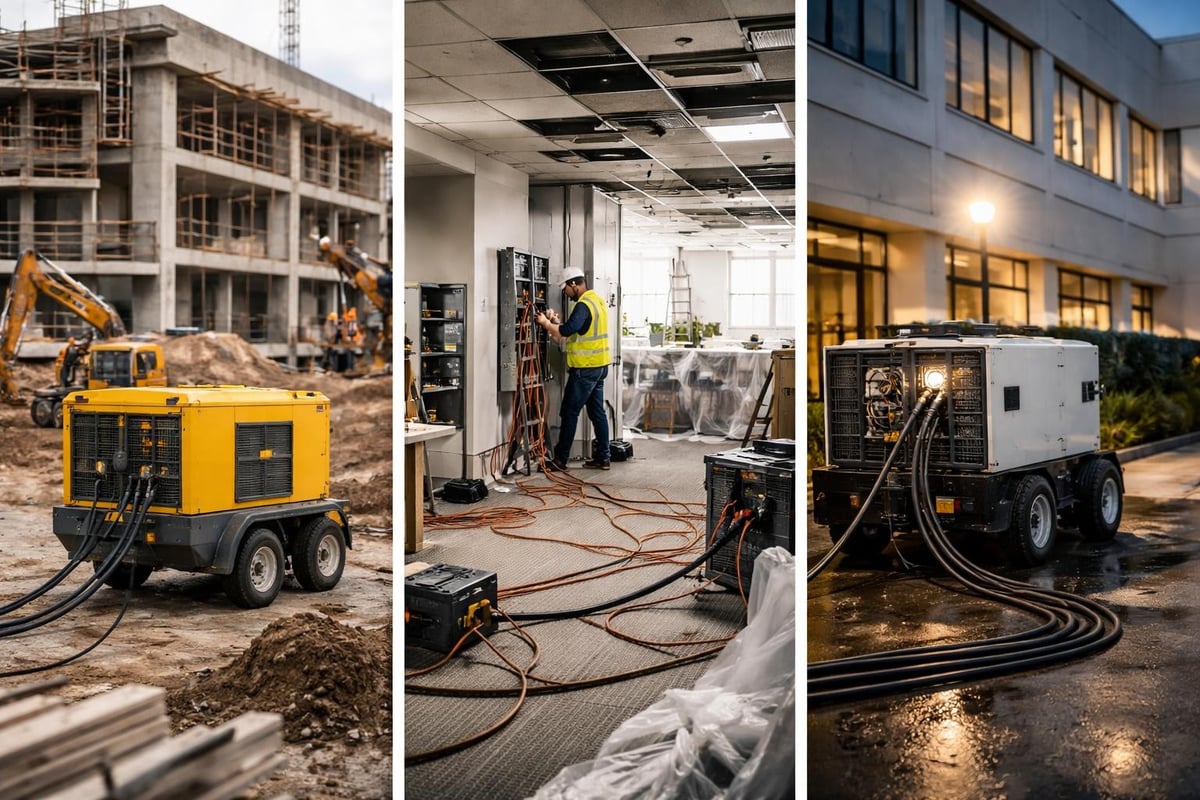
Generator hookups for locations without utility access
Temporary lighting systems for safety and productivity
GFCI protection to prevent electrical hazards
Metering equipment to track power consumption
You'll find temporary power setups on nearly every construction site, but they're also critical for emergency situations, outdoor events, and buildings undergoing major electrical upgrades. The Electrical Safety Foundation International provides comprehensive guidelines on proper installation and removal procedures that every contractor should follow.
When Do You Actually Need Temporary Power?
You might be wondering when temporary electrical solutions make sense versus just working with what's already there. Let me walk you through the most common scenarios.
Construction and New Development
During new construction, there's simply no permanent electrical infrastructure yet. Your crews need power for tools, lighting, and safety equipment from day one. For commercial projects like multifamily developments or healthcare facilities, temporary power services keep multiple contractors working simultaneously without electrical bottlenecks.
Major Renovations and Upgrades
When you're modernizing an existing building's electrical system, you can't just shut everything down for weeks. If you're planning significant electrical renovations and upgrades, temporary power allows businesses to continue operations while crews replace outdated panels, rewire sections, or upgrade service capacity.
Emergency Situations
Disasters happen. Storm damage, equipment failure, or unexpected outages can leave commercial properties without power. Temporary power services provide immediate relief while permanent repairs are underway, minimizing business interruption and protecting sensitive equipment.
Safety Standards You Cannot Ignore
Here's the thing about temporary power-it's just as dangerous as permanent installations if not handled properly. Actually, maybe more so, because people sometimes treat "temporary" as "less important." That's a costly mistake.
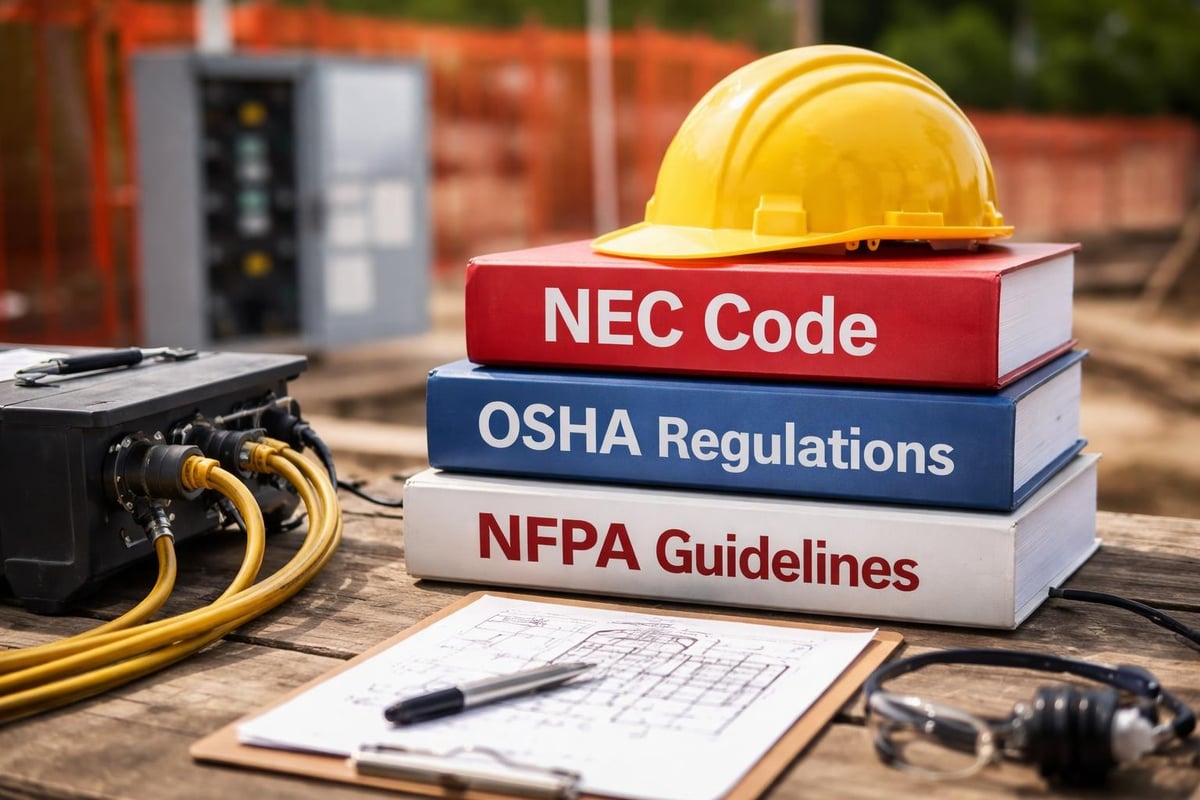
OSHA takes temporary power violations seriously, and common violations on construction sites can result in hefty fines and project shutdowns. More importantly, improper setups put lives at risk.
Planning Your Temporary Power Setup
Good temporary power doesn't happen by accident. It requires thoughtful planning before the first shovel hits dirt or the first wall comes down.
Start by calculating your actual power needs. How many tools will run simultaneously? What about temporary lighting? HVAC equipment? Don't just guess-add up the amperage requirements and include a safety margin. Underestimating power needs leads to tripped breakers, work stoppages, and frustrated crews.
Next, consider location and distribution. Where will your temporary panels go? You want them centrally located to minimize voltage drop, but positioned away from high-traffic areas and potential hazards. Avoiding common pitfalls during setup includes planning cable routes that won't create trip hazards or get damaged by equipment.
Coordinate with your utility company early. Getting temporary service established isn't instant. Most utilities need several weeks' notice, especially for commercial-grade temporary power services. Submit your applications early, and follow up regularly.
Equipment Selection Matters
Not all temporary power equipment is created equal. You need solutions that match your project's specific demands.
Assess voltage requirements (120V, 240V, or 480V for larger commercial projects)
Choose appropriate panel capacity based on calculated loads
Select weather-resistant components rated for outdoor use
Verify all equipment meets current NEC standards
Consider rental vs. purchase based on project duration
Milbank’s temporary power solutions highlight how modern equipment incorporates safety features and modular designs that adapt to changing project needs. For long-term projects, investing in quality equipment pays dividends in reliability and safety.
Maintenance and Monitoring Throughout Your Project
Installing temporary power services is just the beginning. You need ongoing attention to keep systems safe and functional.
Conduct weekly inspections looking for:
Damaged cords or connections
Loose or corroded connections
Water intrusion in panels or junction boxes
Overloaded circuits (warm breakers or cables)
Missing or damaged GFCI devices
Document every inspection. If an incident occurs, you'll need records proving you maintained the system properly. This isn't just about compliance-it's about protecting your workers and your business.
Watch for overloading signs. Flickering lights, frequently tripped breakers, or warm electrical panels indicate your temporary power setup is struggling. Address these issues immediately rather than pushing systems beyond their limits.
Special Considerations for Emergency Power
When you're dealing with critical facilities like healthcare or data centers, temporary power takes on extra urgency. The NEC 700.3(F) requirements for temporary emergency power specify strict standards for maintaining life safety systems during construction or emergencies.
These facilities need:
Redundant power sources with automatic transfer switches
Regular testing of emergency systems
Clear separation between temporary construction power and emergency circuits
Documentation proving compliance with health and safety codes
You can't afford downtime in mission-critical environments, which is why planning temporary power for these projects demands extra attention to detail and often requires specialized contractors with healthcare or industrial experience.
Working With Licensed Professionals
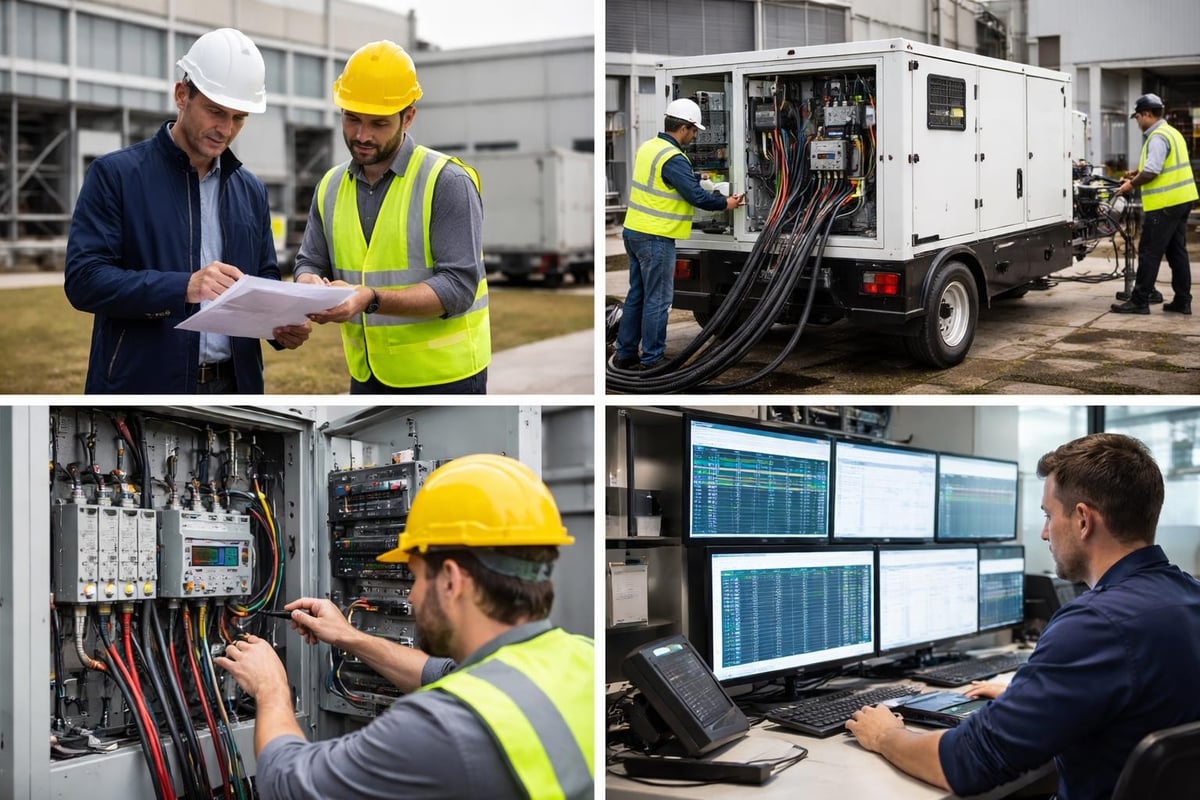
Here's some straight talk: temporary power services aren't a DIY project. You need licensed electricians who understand commercial code requirements and have experience with temporary installations.
Why does this matter so much? Because mistakes create liability. If an unlicensed person installs temporary power and someone gets hurt, you're facing potential lawsuits, insurance complications, and regulatory penalties. Beyond legal issues, improper installations simply don't work reliably, causing project delays that cost far more than hiring qualified professionals from the start.
Licensed contractors bring knowledge of local code variations, permit requirements, and utility interconnection standards that vary by region. In the Dallas-Fort Worth area, commercial projects face specific inspection requirements that experienced contractors navigate routinely.
Temporary power services are the foundation that keeps construction projects moving and businesses operating during transitions. By understanding when you need them, how to plan properly, and why safety standards matter, you set your projects up for success rather than costly delays and hazards. At GM Roofing & Electrical Services, our team brings more than 25 years of commercial electrical experience to every project, approaching temporary and permanent installations with the same commitment to integrity, safety, and excellence. Whether you're planning a major renovation or need reliable temporary power solutions, we're here to serve with clear communication and quality craftsmanship.
Learn why preventative electrical maintenance is critical for commercial buildings. Discover best practices, inspection schedules, and cost-saving benefits.