Texas Roof Repair: Essential Guide for Commercial Buildings
Comprehensive guide to Texas roof repair for commercial properties. Learn about regulations, materials, maintenance strategies, and compliance.
Commercial property managers and facility directors across the Lone Star State face unique challenges when maintaining their roofing systems. The extreme weather conditions, from scorching summers to severe hailstorms, create a demanding environment for commercial roofs. Understanding the specific requirements and best practices for texas roof repair ensures your building remains protected while maintaining compliance with state regulations and industry standards. Whether you manage healthcare facilities, retail centers, or government buildings, implementing proper repair strategies safeguards your investment and protects your operations.
Understanding Texas-Specific Roofing Challenges
Commercial roofing systems in Texas endure some of the most punishing weather conditions in the United States. Temperature fluctuations between seasons can exceed 80 degrees, causing expansion and contraction that stresses roofing materials. Summer heat regularly pushes surface temperatures above 160 degrees Fahrenheit on flat roofs, accelerating material degradation.
The state's unique weather patterns create several critical concerns:
Hailstorms causing immediate impact damage to membranes and flashings
Hurricane-force winds along coastal regions threatening structural integrity
UV radiation intensity degrading protective coatings faster than northern climates
Sudden temperature drops creating thermal shock in roofing materials
Heavy rainfall events testing drainage system capacity and waterproofing
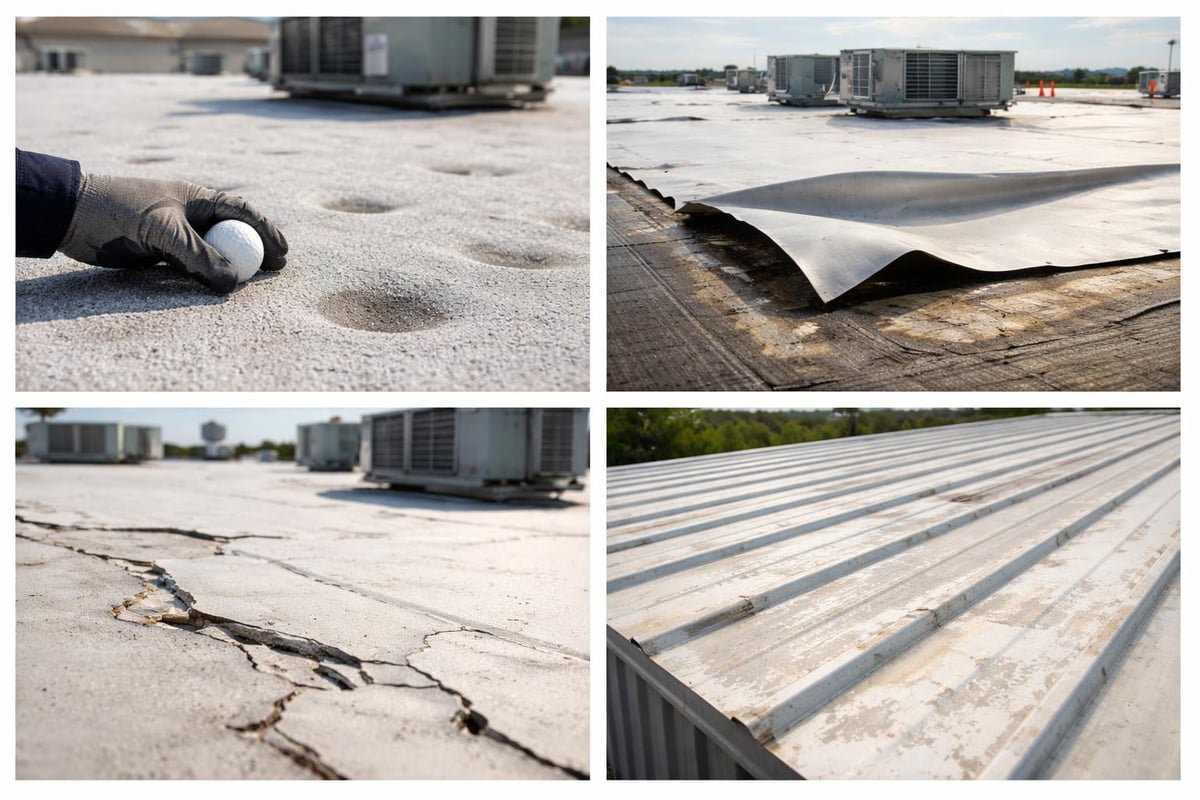
The North Texas region experiences an average of eight to ten hailstorms annually, making it one of the most hail-prone areas nationally. These events can shred single-ply membranes, puncture metal panels, and crack protective coatings in minutes. Commercial property owners must account for this elevated risk when planning maintenance budgets and repair schedules.
Climate Impact on Different Roofing Systems
Different commercial roofing materials respond uniquely to Texas conditions. Built-up roofing (BUR) systems withstand heat well but can develop surface blisters in extreme temperatures. Modified bitumen roofing offers excellent flexibility but requires regular inspection for seam separation after thermal cycling.
Metal roofing systems excel in Texas climates due to their reflectivity and durability, though fastener integrity requires monitoring after wind events. TPO and EPDM single-ply membranes provide cost-effective solutions but face accelerated aging from constant UV exposure.
Regulatory Compliance for Commercial Roof Repairs
Texas maintains specific regulations governing commercial roofing work, particularly regarding windstorm insurance and structural modifications. The Texas Department of Insurance provides detailed guidance on windstorm inspection procedures that commercial property owners must follow in designated coastal areas.
Understanding when professional engineering involvement becomes mandatory protects your project from compliance issues. The Texas Board of Professional Engineers requires licensed engineers for certain structural or mechanical modifications to roofing systems, particularly when altering load-bearing capacity or installing heavy equipment.
Key regulatory considerations include:
Determining if your repair falls under windstorm inspection requirements
Verifying contractor credentials and insurance coverage
Obtaining necessary permits from local building departments
Ensuring structural calculations meet current building codes
Documenting all work for insurance and compliance purposes
Commercial property insurance policies contain specific provisions regarding roof repairs and replacements. Understanding your coverage before initiating texas roof repair projects prevents unexpected out-of-pocket expenses. Policies typically differentiate between damage from covered perils (wind, hail) and normal wear requiring maintenance.
Most commercial policies include actual cash value provisions for roofing systems over a certain age, reducing claim payouts based on depreciation. Documenting regular maintenance and implementing preventive programs can strengthen claims and demonstrate proper building stewardship to insurers.
Essential Inspection and Assessment Protocols
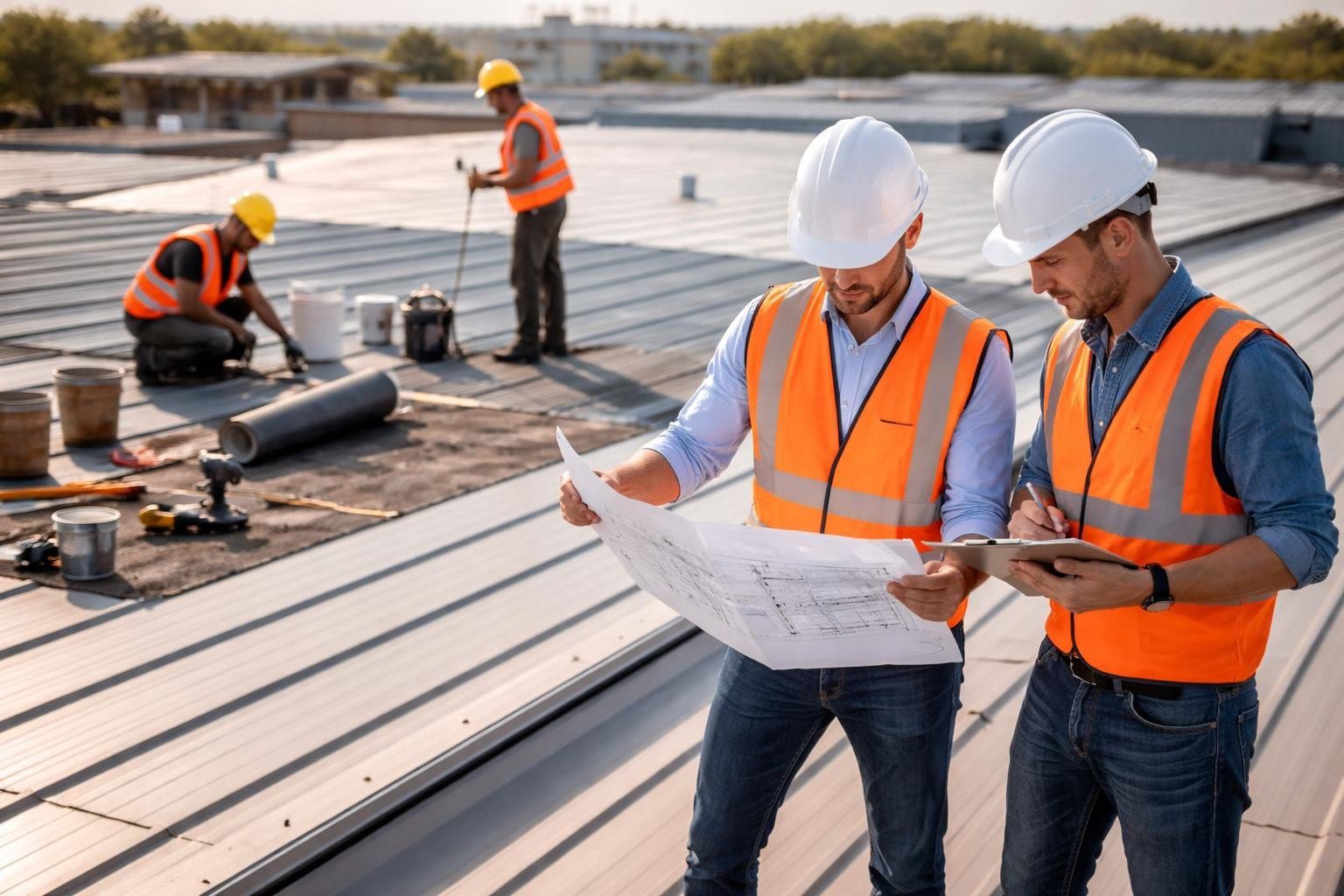
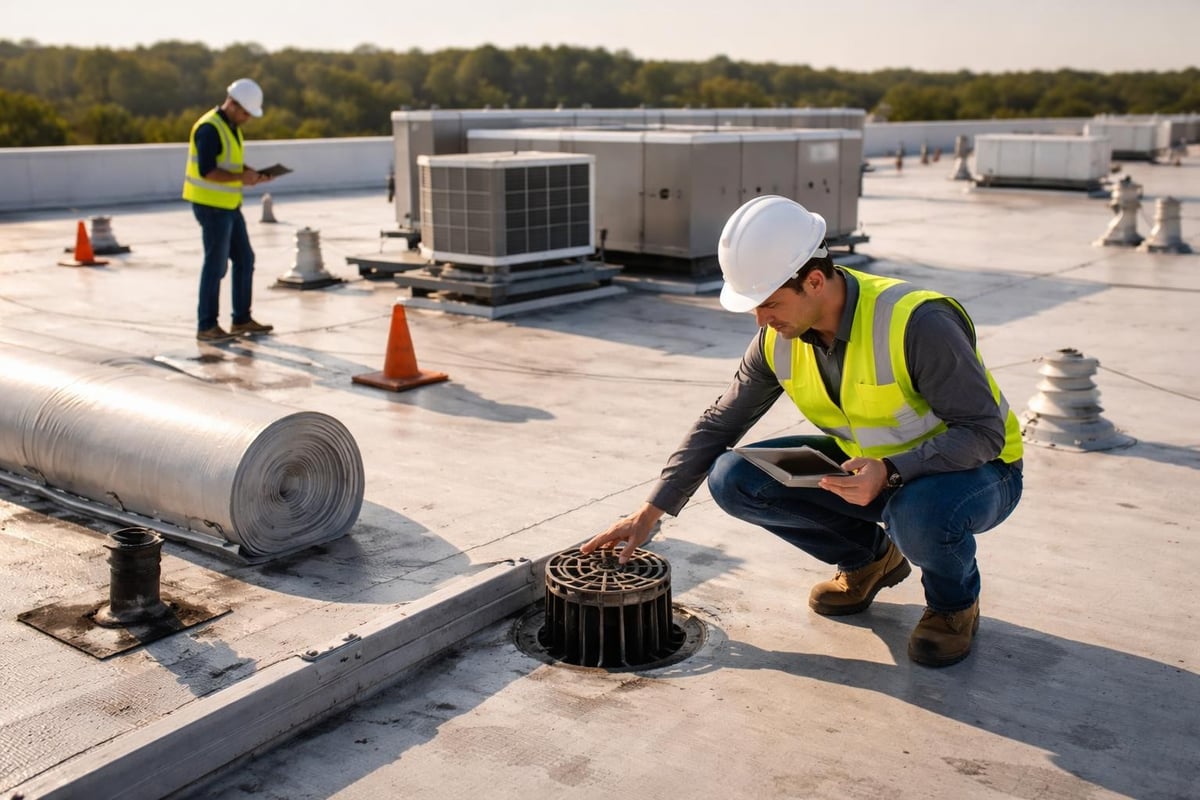
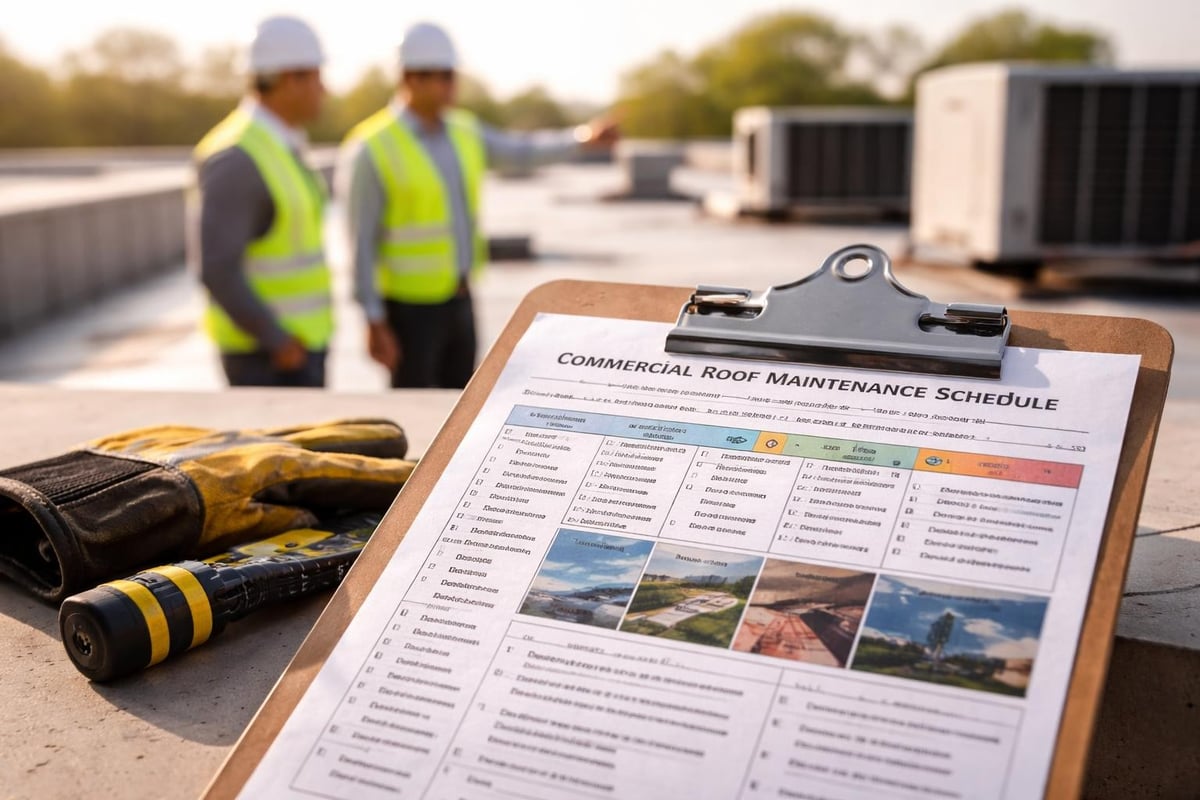
Professional roof inspections form the foundation of effective repair strategies. Commercial roofs require systematic evaluation at least twice annually, with additional inspections following severe weather events. Spring and fall inspections catch developing issues before they escalate into costly emergencies.
Comprehensive Inspection Components
A thorough commercial roof inspection examines multiple systems and components simultaneously. Surface membranes receive close scrutiny for punctures, tears, blistering, and seam separation. Flashings around penetrations, parapets, and equipment require detailed examination as these areas frequently develop leaks first.
Inspection Area
Critical Focus Points
Frequency
Membrane Surface
Punctures, tears, blistering, ponding
Semi-annually
Flashings
Separation, cracking, fastener integrity
Semi-annually
Drainage Systems
Clogging, corrosion, proper flow
Quarterly
Roof Penetrations
Seal integrity, equipment anchoring
Semi-annually
Interior Ceilings
Water stains, moisture, structural issues
Monthly
Drainage system functionality deserves special attention in Texas, where intense rainfall can overwhelm inadequate systems. Scuppers, gutters, and internal drains must maintain clear pathways to prevent ponding water, which accelerates membrane deterioration and increases structural loading.
Choosing appropriate materials for texas roof repair directly impacts longevity and performance. Texas conditions demand materials engineered for high heat, UV exposure, and thermal cycling. Not all roofing products perform equally in this challenging environment.
Top-performing materials for Texas commercial applications:
White TPO membranes: Reflective surfaces reduce cooling costs while resisting UV degradation
Modified bitumen with granulated surfaces: Excellent heat resistance with proven Texas track record
Metal roofing panels: Superior wind resistance and longevity in extreme conditions
Silicone roof coatings: Outstanding UV stability and seamless waterproofing over existing systems
Spray polyurethane foam: Exceptional insulation value with self-flashing properties
Cool roofing technologies provide measurable benefits in Texas climates. Reflective coatings and light-colored membranes can reduce surface temperatures by 50-80 degrees, extending material life while reducing cooling expenses. The energy savings often justify higher initial investment within three to five years.
Coating Systems as Repair Solutions
Roof coating systems offer cost-effective alternatives to complete tear-offs for many commercial buildings. These systems restore weatherproofing while extending existing roof life by 10-15 years when applied to structurally sound substrates.
Silicone coatings excel in Texas due to superior UV resistance and ability to withstand ponding water without degrading. Acrylic coatings provide excellent reflectivity but require proper drainage as standing water causes premature failure. Polyurethane coatings offer outstanding durability for high-traffic areas but lack the UV stability of silicone formulations.
Emergency Repair Protocols and Response
Severe weather events require immediate response protocols to minimize damage and protect building contents. Establishing relationships with qualified commercial roofing contractors before emergencies ensures rapid deployment when minutes matter.
Emergency repair priorities focus on stopping active water infiltration and preventing additional damage. Temporary tarping protects interiors while permanent repairs are designed and scheduled. However, proper installation techniques matter even for temporary measures, as poorly secured tarps can cause additional damage during subsequent wind events.
Temporary Protection Strategies
Professional emergency response includes systematic damage assessment before implementing temporary protection. Documenting conditions through photographs and detailed notes supports insurance claims while guiding permanent repair planning.
Secure the building perimeter and restrict access to damaged areas
Deploy tarps or temporary membrane patches over active leak sources
Position water diversion channels to protect sensitive equipment
Document all damage with photographs, measurements, and written descriptions
Notify insurance carriers within policy-specified timeframes
Schedule comprehensive professional inspections within 24-48 hours
Texas roof repair contractors experienced in commercial work maintain emergency response capabilities, including after-hours contact systems and pre-positioned materials for common repair scenarios. This preparedness reduces response times from days to hours.
Preventive Maintenance Programs
Structured maintenance programs dramatically extend commercial roof lifecycles while reducing total ownership costs. Regular attention to minor issues prevents escalation into major failures requiring emergency intervention.
Core maintenance program elements:
Scheduled inspections following manufacturer and industry guidelines
Immediate minor repairs addressing small punctures and seal failures
Debris removal preventing drainage obstruction and membrane damage
Vegetation control eliminating root penetration and moisture retention
Documentation systems tracking all activities, findings, and expenditures
Quarterly roof inspections identify developing problems while they remain inexpensive to address. A small puncture repaired during routine maintenance costs hundreds of dollars, while the same damage left unaddressed can result in tens of thousands in structural repairs and business interruption.
Cost Analysis of Preventive vs. Reactive Approaches
Approach
Annual Cost per Sq. Ft.
Average Roof Lifespan
Total 20-Year Cost
Preventive Maintenance
$0.15-0.25
22-25 years
$3.00-5.00
Reactive Repairs Only
$0.05-0.10
12-15 years
$8.00-12.00
No Maintenance
$0.00
8-10 years
$15.00-20.00
These figures demonstrate the financial wisdom of systematic maintenance. Properties implementing comprehensive programs experience 60-80% longer roof lifecycles compared to reactive-only approaches. The labor and material costs of preventive work represent a fraction of premature replacement expenses.
Contractor Selection and Verification
The lack of state licensing requirements for Texas roofers places additional responsibility on property managers to verify contractor qualifications. Unlike many states, Texas doesn't mandate specific roofing licenses, making thorough due diligence essential.
Professional commercial roofing contractors demonstrate their capabilities through certifications, insurance coverage, and verifiable project histories. Manufacturer certifications indicate training in specific product installation, while substantial general liability and workers' compensation insurance protects property owners from liability exposure.
Essential Contractor Qualifications
Request comprehensive documentation before engaging any contractor for texas roof repair work. Current certificates of insurance should name your property specifically as an additional insured. Financial stability indicators include D&B ratings, bank references, and bonding capacity appropriate to project scope.
Manufacturer certifications for specified roofing systems
Verify all claims independently rather than accepting contractor representations. Contact insurance carriers directly to confirm coverage amounts and policy status. Speak with reference contacts about actual performance, responsiveness, and problem resolution.
Long-Term Roof Asset Management
Commercial roofs represent significant capital assets requiring strategic management over their service lives. Effective asset management balances repair timing, budget allocation, and lifecycle planning to optimize return on investment.
Developing Comprehensive Roof Management Plans
Multi-property portfolios benefit from centralized roof asset tracking systems. These platforms document roof age, condition ratings, repair histories, and projected replacement timing. Data-driven decisions replace reactive crisis management with strategic planning.
Condition assessment methodologies provide objective roof ratings guiding budget allocation. Systems rating roofs from 1-10 based on standardized criteria enable comparison across properties and prioritization of limited capital resources.
Asset management system components:
Complete roof inventory with specifications and installation dates
Regular condition assessments using consistent rating criteria
Maintenance activity tracking with detailed cost documentation
Projected service life calculations based on condition trends
Capital planning integration for replacement budget forecasting
Properties implementing formal asset management report 30-40% reductions in emergency repair expenses while extending average roof lifecycles. The investment in systematic tracking and maintenance pays consistent dividends through avoided crisis costs.
Weather-Responsive Repair Timing
Texas weather patterns create optimal and problematic periods for commercial roofing work. Understanding these cycles improves project outcomes while reducing weather-related delays and complications.
Spring and fall represent ideal seasons for most texas roof repair projects. Moderate temperatures allow proper material curing while reducing heat stress on workers. However, spring storm activity requires flexible scheduling to accommodate weather interruptions.
Summer heat presents challenges but doesn't prohibit quality work. Early morning installation takes advantage of cooler temperatures, though some materials reach application temperature limits by mid-morning. Proper hydration protocols and heat safety measures protect workers while maintaining productivity.
Winter months offer stable weather windows between frontal passages. Cold temperatures slow adhesive curing and can make some materials brittle, requiring specialized products formulated for low-temperature application. However, reduced demand often translates to better contractor availability and competitive pricing.
Seasonal Considerations by Repair Type
Repair Type
Optimal Season
Weather Concerns
Material Considerations
Membrane Replacement
Spring/Fall
Wind, precipitation
Temperature-dependent adhesives
Coating Application
Fall
Humidity, dew point
24-hour dry time required
Metal Panel Repair
Any (dry conditions)
Lightning during storms
Thermal expansion in summer
Emergency Patching
Immediate
All conditions
Weather-appropriate materials
Planning non-emergency work during optimal weather windows improves installation quality while reducing project costs. Contractors can work more efficiently in moderate conditions, translating to lower labor expenses and faster completion.
Effective commercial roof management in Texas requires balancing immediate repair needs with long-term asset planning while navigating state-specific regulations and extreme climate conditions. Property managers who implement systematic inspection protocols, preventive maintenance programs, and strategic material selection maximize roof lifecycles while controlling total ownership costs. GM Roofing Services brings specialized commercial roofing expertise to healthcare facilities, retail centers, and government buildings across Texas, offering comprehensive inspection services, expert repair solutions, and customized maintenance programs designed specifically for the unique demands of the Lone Star State climate. Contact our team today to develop a proactive roofing strategy that protects your property investment and ensures uninterrupted operations.
Learn why preventative electrical maintenance is critical for commercial buildings. Discover best practices, inspection schedules, and cost-saving benefits.