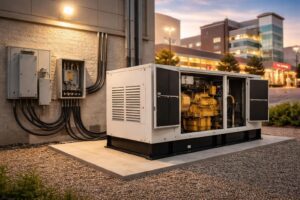
Preventative Electrical Maintenance for Your Business
Learn why preventative electrical maintenance is critical for commercial buildings. Discover best practices, inspection schedules, and cost-saving benefits.
When was the last time you thought about the electrical systems keeping your building running? If you're like most property managers and facility owners, electrical infrastructure probably only crosses your mind when something goes wrong. But here's the thing: waiting for a failure can cost you thousands in emergency repairs, lost productivity, and potential safety hazards. That's exactly why preventative electrical maintenance has become non-negotiable for commercial properties.
Why Your Electrical System Needs Regular Attention
Think of your building's electrical system like your car. You wouldn't wait for your engine to die before changing the oil, right? The same logic applies to your electrical infrastructure. Regular preventive maintenance reduces failure rates significantly, with studies showing that systems without maintenance programs experience failure rates three times higher than those with proper care.
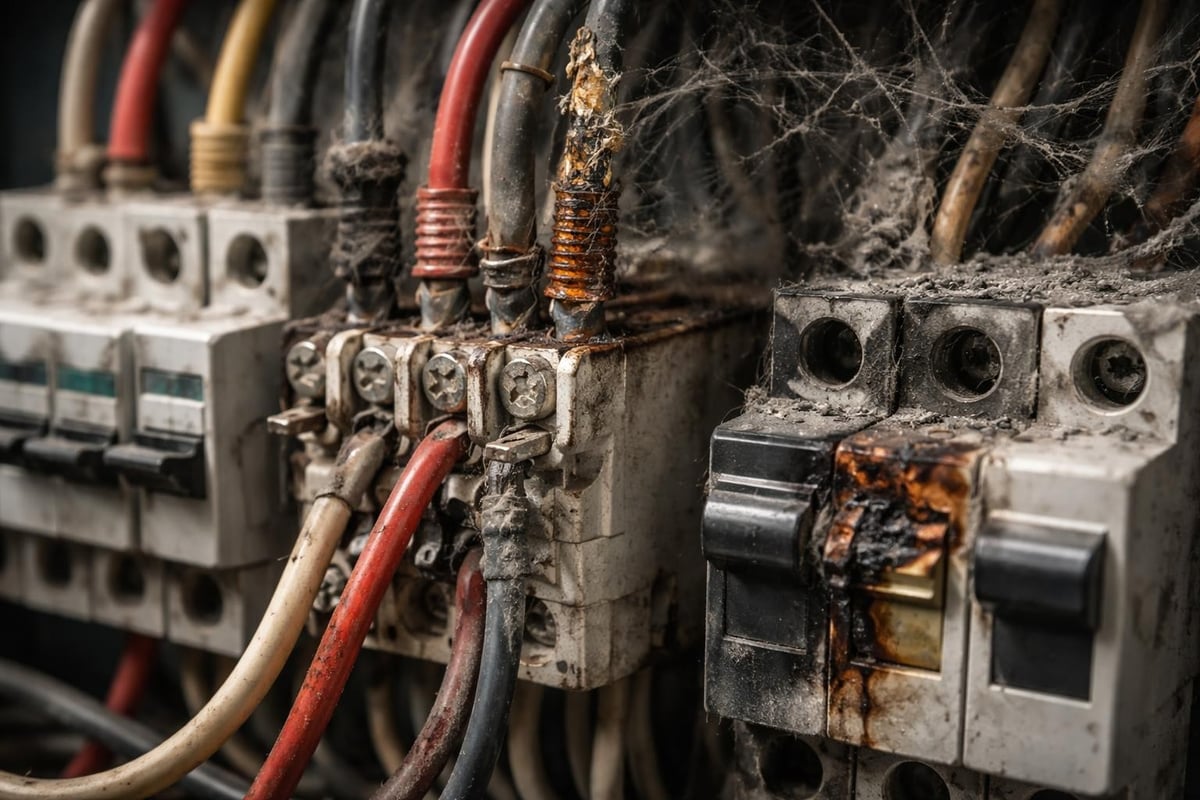
Your electrical system works hard every single day. Connections loosen from thermal expansion and contraction. Dust and debris accumulate on components. Insulation degrades over time. These aren't dramatic failures that happen overnight. They're gradual wear patterns that, left unchecked, lead to expensive breakdowns at the worst possible times.
What Does Preventative Electrical Maintenance Actually Include?
You might be wondering what technicians actually do during these maintenance visits. It's far more than just looking at your electrical panel and calling it a day. A comprehensive program includes several critical components that work together to keep your system reliable.
Key maintenance activities include:
Infrared thermal imaging to detect hot spots and potential failures
Torque testing on all electrical connections
Insulation resistance testing
Circuit breaker and safety device verification
Voltage and current measurements under load
Visual inspections for signs of wear, corrosion, or damage
Documentation of all findings and trending analysis
Developing an effective electrical preventive maintenance program requires detailed asset inventories, prioritization based on criticality, and systematic data collection. This isn't busywork. Each of these steps provides valuable insights into your system's health and helps predict when components might need replacement before they fail.
How Often Should You Schedule Inspections?
Here's a question we hear constantly: "How often do we really need to do this?" The answer depends on several factors, but industry standards provide clear guidance. Most experts recommend inspections every one to three years for commercial properties, with more frequent attention for critical systems.
Consider these factors when planning your schedule:
Building age and system complexity – Older systems need more frequent attention
Operating environment – Dusty, humid, or harsh conditions accelerate wear
System criticality – Mission-critical facilities can't afford downtime
Previous inspection findings – Trending issues may require closer monitoring
Regulatory requirements – Some industries mandate specific schedules
Healthcare facilities, data centers, and manufacturing operations often benefit from annual inspections because electrical reliability is absolutely critical to their operations. For standard office buildings or retail spaces, a two to three-year cycle typically works well.
The Real Cost of Skipping Maintenance
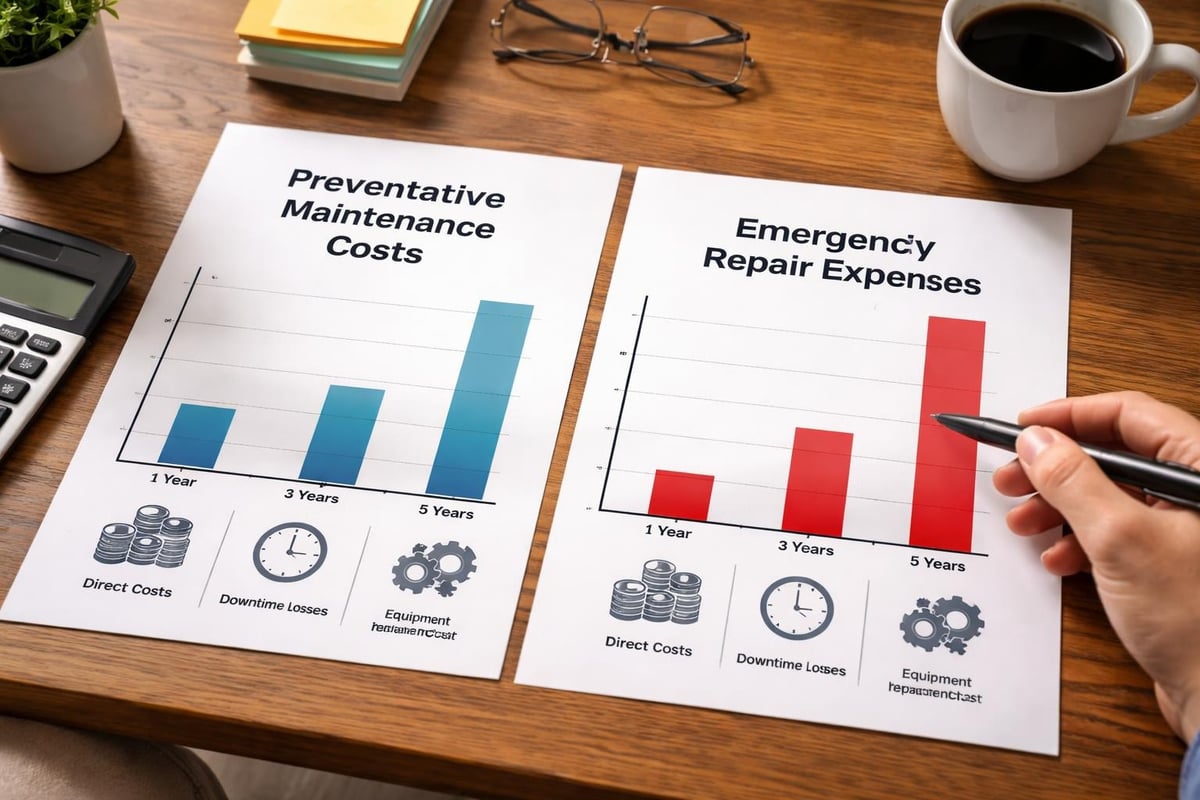
Let's talk numbers because that's what really matters to your bottom line. Emergency electrical repairs cost significantly more than planned maintenance. You're paying premium rates for after-hours service, dealing with business interruption, and potentially replacing equipment that could have been saved with earlier intervention.
Scenario
Typical Cost
Downtime
Long-term Impact
Planned Maintenance
$2,000-$5,000
Minimal (scheduled)
Extended equipment life
Emergency Repair
$8,000-$15,000+
Hours to days
Shortened equipment life
Major Failure
$25,000-$100,000+
Days to weeks
Complete replacement needed
Beyond direct repair costs, consider the ripple effects. Lost productivity when systems go down. Spoiled inventory in refrigerated spaces. Disrupted operations that frustrate customers. Data loss from unexpected power interruptions. These indirect costs often dwarf the actual repair bill.
For commercial properties in the Dallas-Fort Worth area, working with experienced professionals who understand both the technical requirements and local code compliance is essential. G&M Electrical provides dependable electrical maintenance and repair services backed by more than 25 years of experience serving commercial and multifamily properties with integrity and precision.
Building Your Maintenance Strategy
Ready to implement a proper maintenance program? Start by documenting your current electrical infrastructure. You can't maintain what you don't understand. Create a detailed inventory of all major electrical equipment, including age, manufacturer, and service history.
Steps to establish your program:
Conduct a comprehensive baseline assessment
Prioritize equipment based on criticality and condition
Not all electrical contractors approach preventative maintenance the same way. You need a partner who treats your building like their own, brings genuine expertise to complex commercial systems, and communicates clearly about what they find.
Look for contractors with extensive commercial experience, not just residential background. Commercial electrical systems operate at higher voltages, involve more complex distribution, and require specialized testing equipment. Ask about their thermal imaging capabilities, testing procedures, and how they document findings. The best contractors don't just fix problems. They help you understand system health and plan for the future.
Questions to ask potential contractors:
How long have you worked on commercial electrical systems?
What testing equipment and procedures do you use?
Can you provide sample inspection reports?
How do you handle emergency situations outside regular maintenance?
What's your approach to communicating findings and recommendations?
The Safety Factor You Can't Ignore
We've talked a lot about costs and reliability, but let's address the elephant in the room: safety. Electrical failures don't just cause inconvenience. They create genuine hazards for building occupants and can result in fires, injuries, or worse. Regular inspections and testing protect personnel and help meet compliance standards that exist specifically to prevent tragedies.
Arc flash incidents, ground faults, and overheated connections pose serious risks. Preventative maintenance identifies these hazards before they harm anyone. It's not just about protecting your investment in the building. It's about protecting the people who work there every day.
Documenting Everything Matters
Here's something many property managers overlook: documentation isn't just paperwork. It's a valuable asset that serves multiple purposes. Detailed maintenance records demonstrate due diligence for insurance and liability purposes. They provide historical context when issues arise. And they help identify patterns that might indicate systemic problems requiring larger interventions.
Keep thorough records of every inspection, including test results, findings, repairs made, and recommendations for future work. Maintaining detailed records enhances system reliability and gives you data to make informed decisions about capital improvements and system upgrades.
Modern maintenance programs increasingly incorporate predictive analytics. By tracking measurements over time, you can spot degradation trends and schedule replacements during planned maintenance windows rather than dealing with emergency failures. This proactive approach saves money and eliminates surprises.
Preventative electrical maintenance isn't an expense you should view as optional. It's an investment that protects your property, ensures safety, and actually saves money by preventing costly failures. Whether you manage a healthcare facility, multifamily development, or commercial building, a solid maintenance program keeps your operations running smoothly. Ready to implement a proactive electrical maintenance strategy? GM Roofing & Electrical Services brings more than 25 years of commercial electrical experience and a genuine commitment to serving clients with integrity and excellence across the Dallas-Fort Worth area.