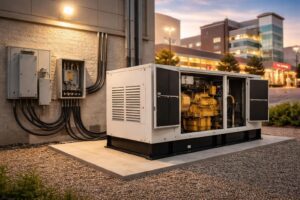
Commercial Renovations: Your Guide to Success in 2026
Planning commercial renovations? Learn essential strategies for budgeting, compliance, and minimizing disruption to keep your project on track.
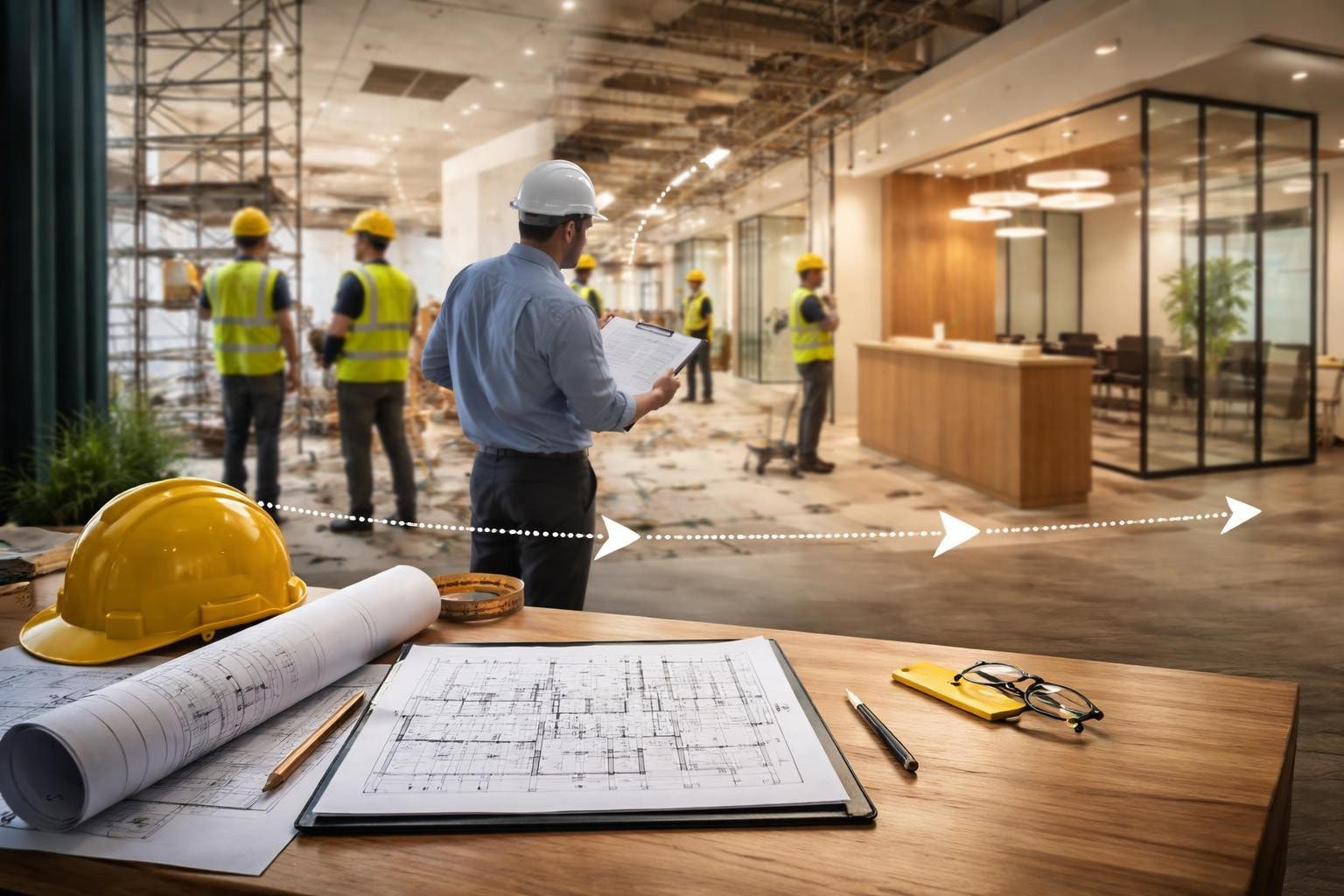
Are you thinking about upgrading your commercial space? Commercial renovations can breathe new life into your property, improve energy efficiency, and create a better environment for your employees and customers. But here's the thing: without proper planning and the right team, renovation projects can quickly become overwhelming. Whether you're modernizing an office building, upgrading a retail space, or improving a healthcare facility, understanding the key considerations will help you navigate the process smoothly and avoid costly surprises.
Why Commercial Renovations Matter More Than Ever
The commercial real estate landscape has shifted dramatically over the past few years. Your building needs to work harder than ever before, and outdated spaces simply don't cut it anymore.
Modern commercial renovations address several critical needs:
Energy efficiency improvements that slash utility costs
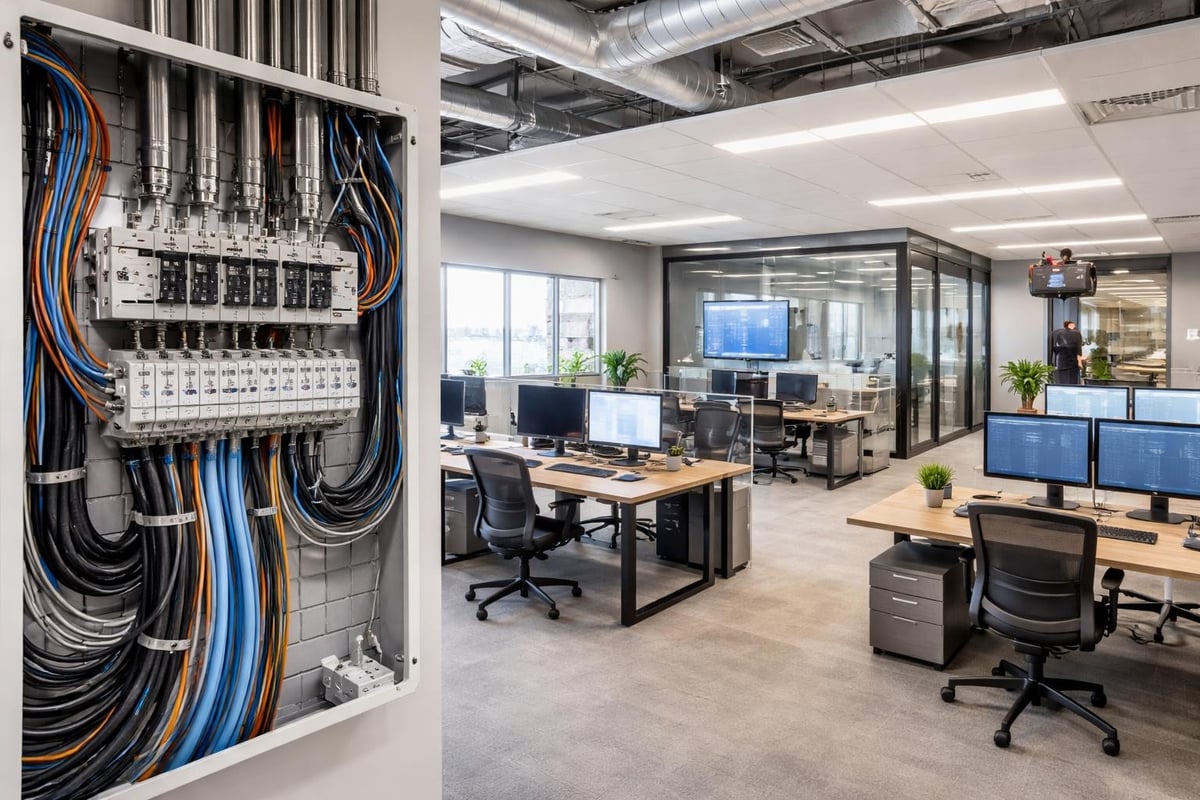
Updated electrical systems to support modern technology demands
Enhanced safety features that meet current building codes
Improved aesthetics that attract and retain quality tenants
Better functionality for changing business needs
Think about it: when was the last time your building received a major upgrade? If it's been more than a decade, you're likely missing out on significant cost savings and performance improvements. Planning a commercial building renovation requires careful consideration of your current infrastructure and future needs.
Essential Planning Steps for Successful Projects
Let's talk about the foundation of any successful renovation: planning. You can't just jump in and start tearing down walls.
Assess Your Current Infrastructure
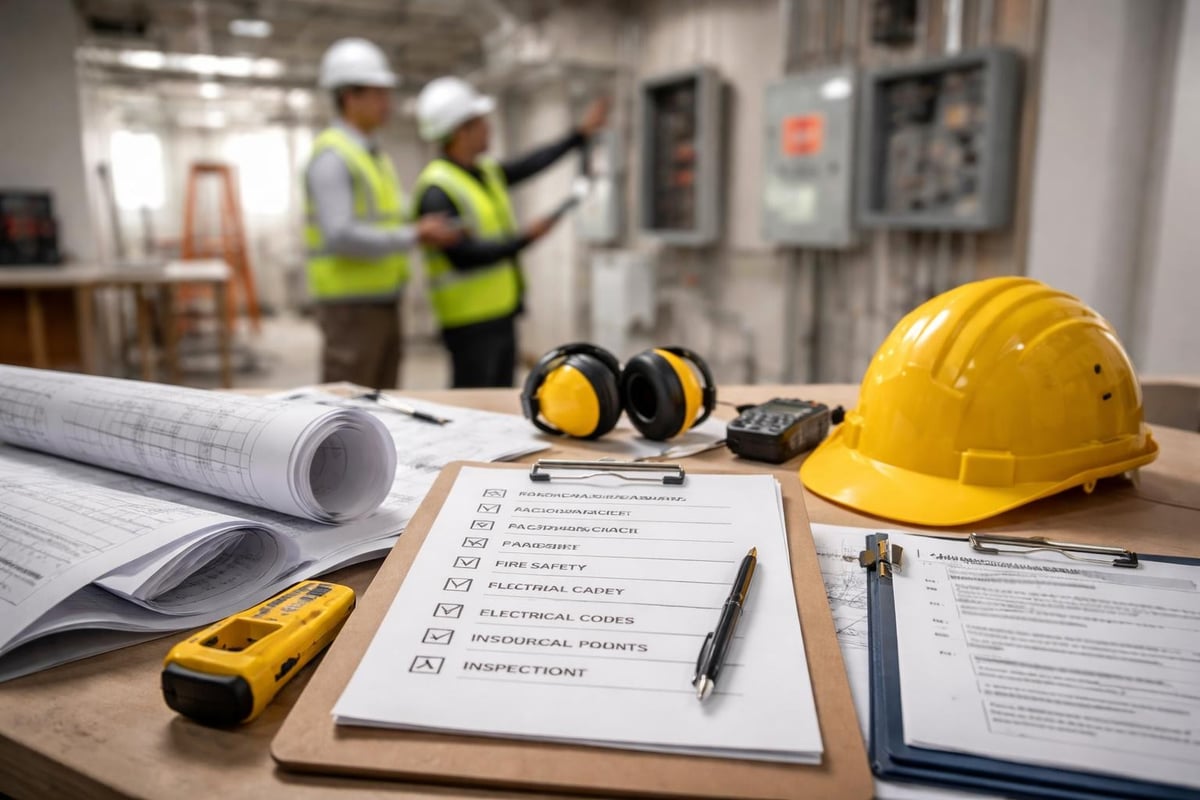
Before anything else, you need to know what you're working with. This means conducting thorough inspections of your electrical systems, roofing, HVAC, plumbing, and structural elements. Hidden issues discovered mid-project can derail your timeline and budget fast.
For buildings in the Dallas-Fort Worth area, electrical renovations and upgrades are often critical components of larger renovation projects, especially in older commercial buildings that need to support modern power demands.
Set a Realistic Budget and Timeline
Here's where many property managers and business owners stumble. They underestimate costs and overestimate how quickly things can happen.
Budget Category
Typical Percentage
Common Pitfalls
Labor & Materials
60-70%
Underestimating skilled labor costs
Permits & Fees
5-10%
Forgetting inspection fees
Contingency
15-20%
Setting aside too little for unknowns
Project Management
5-10%
Not accounting for coordination costs
Large-scale commercial renovations require substantial contingency funds. Unexpected structural issues, code compliance requirements, or material delays happen more often than you'd think.
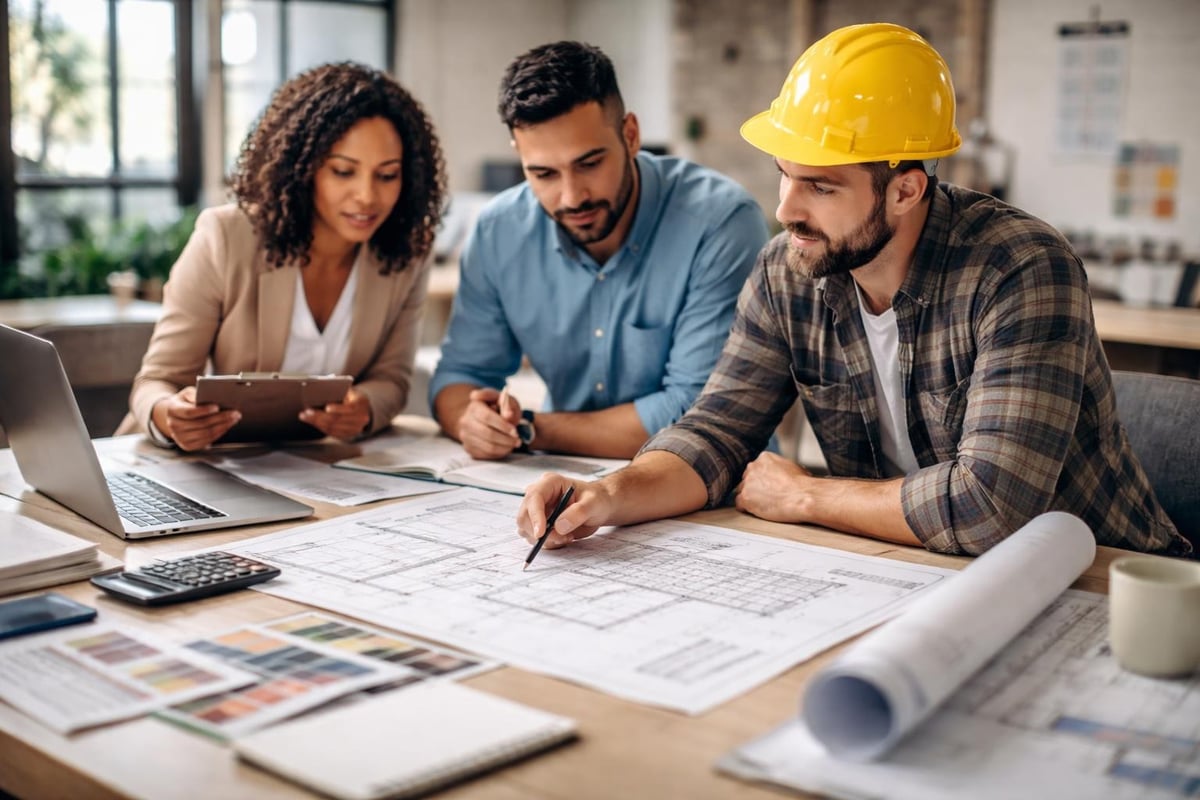
Choose the Right Professionals
You wouldn't trust just anyone with major surgery, right? The same applies to your building. Your contractor selection makes or breaks your project.
Look for teams with:
Proven experience in your building type (retail, healthcare, multifamily, etc.)
Proper licensing and insurance for all trades
Clear communication practices throughout the project
References from similar projects you can actually verify
Financial stability to complete the work
Managing Disruption During Commercial Renovations
Now, here's something that keeps business owners up at night: how do you renovate without shutting down completely?
The answer lies in phased approaches and strategic scheduling. You can often section off areas, work during off-hours, or implement temporary solutions that keep operations running.
Communication is Everything
Your tenants, employees, and customers need to know what's happening. Set up a communication plan that includes:
Regular updates on project milestones
Advance notice of noisy or disruptive work
Clear signage directing people around construction zones
A designated point person for questions and concerns
Let's get real about something that can't be optional: code compliance and safety standards. This isn't just bureaucratic red tape; it protects everyone in your building.
Building Codes and Permits
Every commercial renovation must comply with current local, state, and federal building codes. Yes, even if your building was grandfathered in under old codes. Major renovations often trigger requirements to bring systems up to current standards.
Common compliance areas include:
Electrical system capacity and safety
Fire suppression and alarm systems
ADA accessibility requirements
Emergency exit configurations
Energy efficiency standards
Essential commercial renovation tips emphasize that cutting corners on compliance creates liability issues that far outweigh any short-term savings.
Worker and Occupant Safety
Construction sites are inherently dangerous. Your contractor should implement comprehensive safety protocols, including proper barriers, signage, and protection for occupied areas.
Integrating Modern Technology and Sustainability
Here's where commercial renovations get exciting. You're not just fixing what's broken; you're positioning your building for the future.
Smart Building Systems
Modern renovations should incorporate:
Energy management systems that optimize HVAC and lighting
Advanced security systems with remote monitoring
IoT sensors for predictive maintenance
Electric vehicle charging infrastructure for parking areas
Sustainability isn't just good PR anymore; it's good business. Incorporating sustainable practices in your renovation reduces operating costs while increasing property value.
The materials you choose impact everything from your budget to your maintenance schedule for years to come.
Durability Versus Aesthetics
In commercial spaces, durability usually wins. High-traffic areas need materials that can withstand constant use without showing wear. But that doesn't mean sacrificing style.
Consider:
Commercial-grade flooring that resists scuffs and stains
Wall finishes that can be cleaned without damage
Lighting fixtures designed for long life and easy maintenance
Don't overlook what's protecting everything underneath. If your renovation includes significant work on upper floors or you're adding equipment to the roof, you need to verify your roof can handle it. Often, commercial roof repairs in Fort Worth become necessary during or immediately after major renovations that stress aging roof systems.
Project Management Best Practices
Even with the best contractors, someone needs to keep all the pieces moving together. That's where strong project management comes in.
Regular inspections aren't just for code compliance. They're your opportunity to catch issues while they're still easy to fix. Schedule walk-throughs at key milestones, not just at the end.
Financial Considerations Beyond the Initial Budget
Smart property owners look beyond the construction budget to understand total cost of ownership.
Long-term Value Creation
Consider how your renovation impacts:
Operating costs through improved efficiency
Rental rates from updated amenities
Tenant retention with better spaces
Property value for future sale or refinancing
Maintenance expenses with newer systems
The cheapest renovation isn't always the best investment. Sometimes spending more upfront on quality systems and materials pays off within just a few years through reduced operating and maintenance costs.
Financing Options
Commercial renovations can be funded through various methods:
Traditional commercial loans
Property improvement financing
Energy efficiency rebates and incentives
Tenant improvement allowances
Cash reserves
Understanding your options helps you structure the project to maximize cash flow and tax benefits.
Successful commercial renovations require careful planning, experienced contractors, and a commitment to quality that extends beyond the construction phase. Whether you're upgrading electrical systems, modernizing interiors, or addressing structural concerns, the right approach protects your investment and positions your property for long-term success. When you're ready to transform your commercial space with integrity and expertise, GM Roofing & Electrical Services brings more than 25 years of experience serving Dallas-Fort Worth properties with the character and craftsmanship your project deserves.
Learn why preventative electrical maintenance is critical for commercial buildings. Discover best practices, inspection schedules, and cost-saving benefits.