Modified Roofing Systems: A Complete Guide for 2026
Discover how modified roofing systems deliver unmatched durability and weather protection for commercial buildings in 2026. Expert insights inside.
When you're responsible for a commercial building, choosing the right roof isn't just about keeping the rain out. It's about protecting your investment, managing energy costs, and avoiding those middle-of-the-night emergency calls about leaks. Modified roofing systems have become one of the most dependable solutions for flat and low-slope commercial roofs, offering decades of proven performance. But what exactly makes these systems so reliable, and how do you know if they're right for your property?
What Are Modified Roofing Systems?
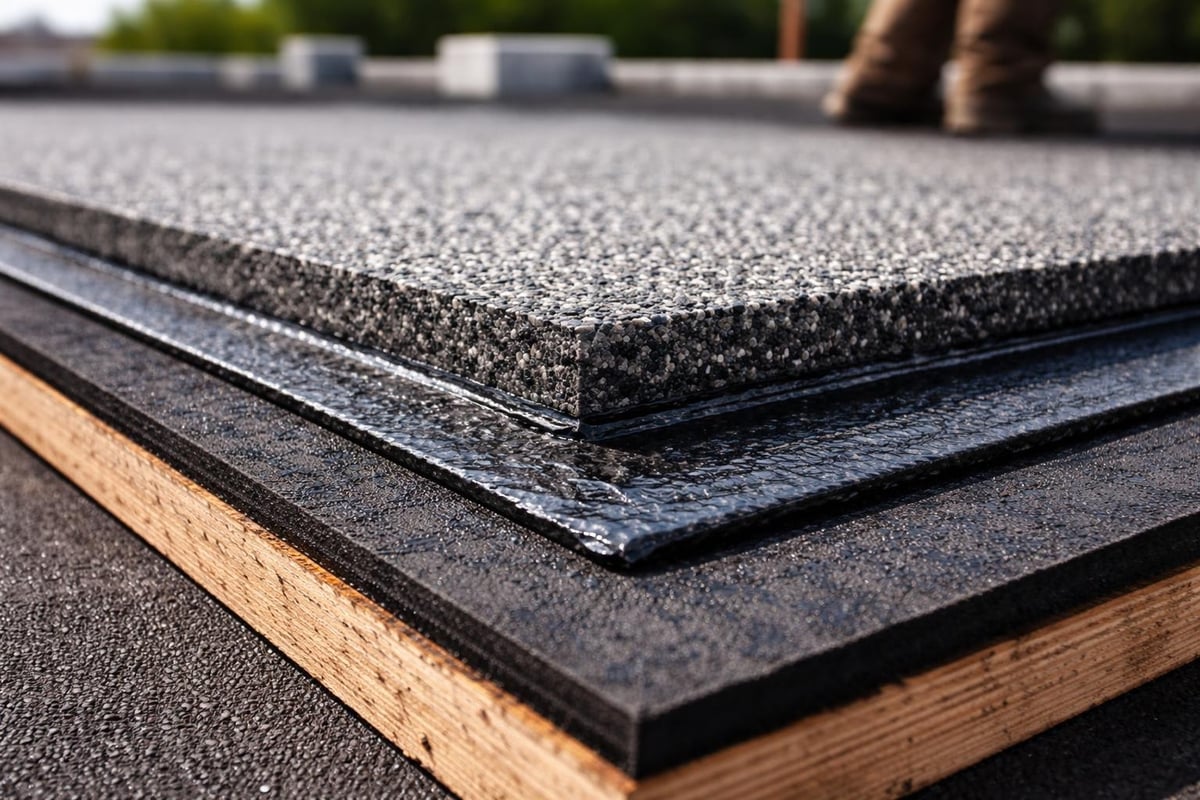
Modified roofing systems, often called modified bitumen or "mod-bit," are advanced roofing membranes that combine traditional asphalt with modern polymer technology. Think of them as the next generation of built-up roofing, designed specifically to handle the challenges commercial buildings face.
These systems come in two primary types based on their polymer modifiers:
APP (Atactic Polypropylene): Heat-applied membranes with excellent UV resistance and flexibility
SBS (Styrene-Butadiene-Styrene): Cold-applied or torched membranes offering superior elasticity in cold climates
Multi-ply installations: Layered approaches for enhanced protection and longevity
What makes modified roofing systems stand out? They deliver exceptional durability while remaining cost-effective compared to some newer membrane options.
Installation Methods That Match Your Building's Needs
You've got options when it comes to how modified roofing systems get installed, and that flexibility is a real advantage. Each method has its place depending on your building's structure, budget, and local conditions.
Heat-Applied Systems
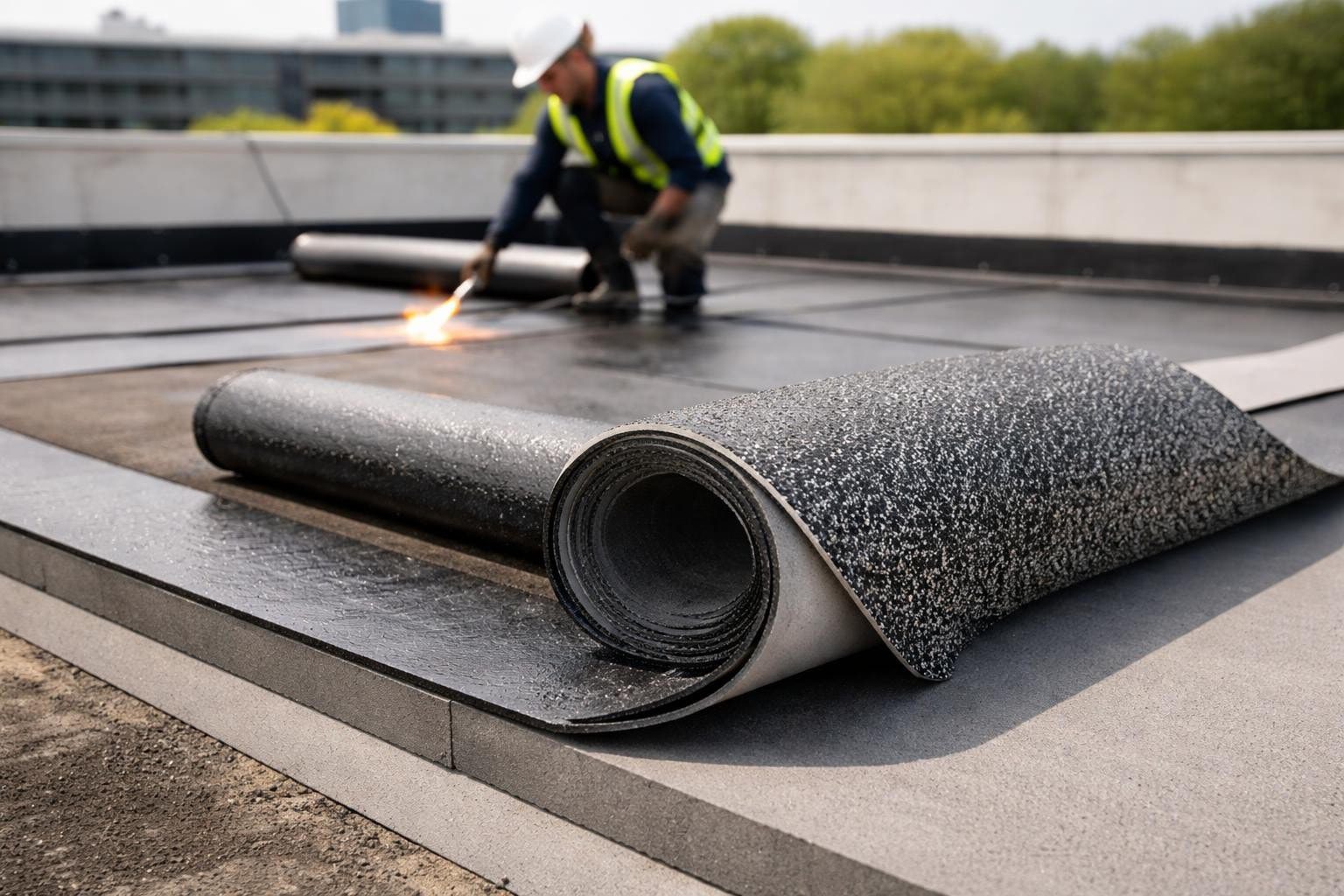
This traditional torch-down method uses an open flame to melt and adhere the roofing membrane. It creates incredibly strong bonds and works well in areas where wind uplift is a concern.
Key considerations:
Requires experienced, certified installers
Not suitable for buildings with combustible deck materials
Provides excellent waterproofing performance
Common in healthcare and retail facilities
Cold-Applied Systems
These systems use adhesives or self-adhering membranes instead of heat, making them safer for certain applications. They're particularly popular in occupied buildings where hot work permits are difficult to obtain.
Installation Method
Best For
Main Advantage
Common Application
Torch-Applied
Wind-prone areas
Superior adhesion
Warehouses, offices
Cold-Applied
Occupied buildings
No flame required
Healthcare, schools
Self-Adhering
Quick repairs
Ease of installation
Maintenance projects
Hot-Mopped
Budget-conscious
Lower material cost
Retail, industrial
For commercial properties requiring comprehensive oversight, regular roof inspections help ensure your modified roofing system performs as designed regardless of installation method.
Durability Features That Protect Your Investment
Let's talk about what really matters: how well these roofs hold up over time. Modified roofing systems consistently deliver 20-30 years of service life when properly maintained, but several factors influence their longevity.
Weather Resistance
The polymer modifiers in these systems provide outstanding resistance to temperature extremes. SBS-modified membranes remain flexible even at -20°F, while APP-modified options resist heat and UV degradation in scorching Texas summers.
Performance benefits:
Exceptional waterproofing through multiple sealed layers
Superior puncture resistance from reinforcement fabrics
Reflective granule surfaces that reduce cooling costs
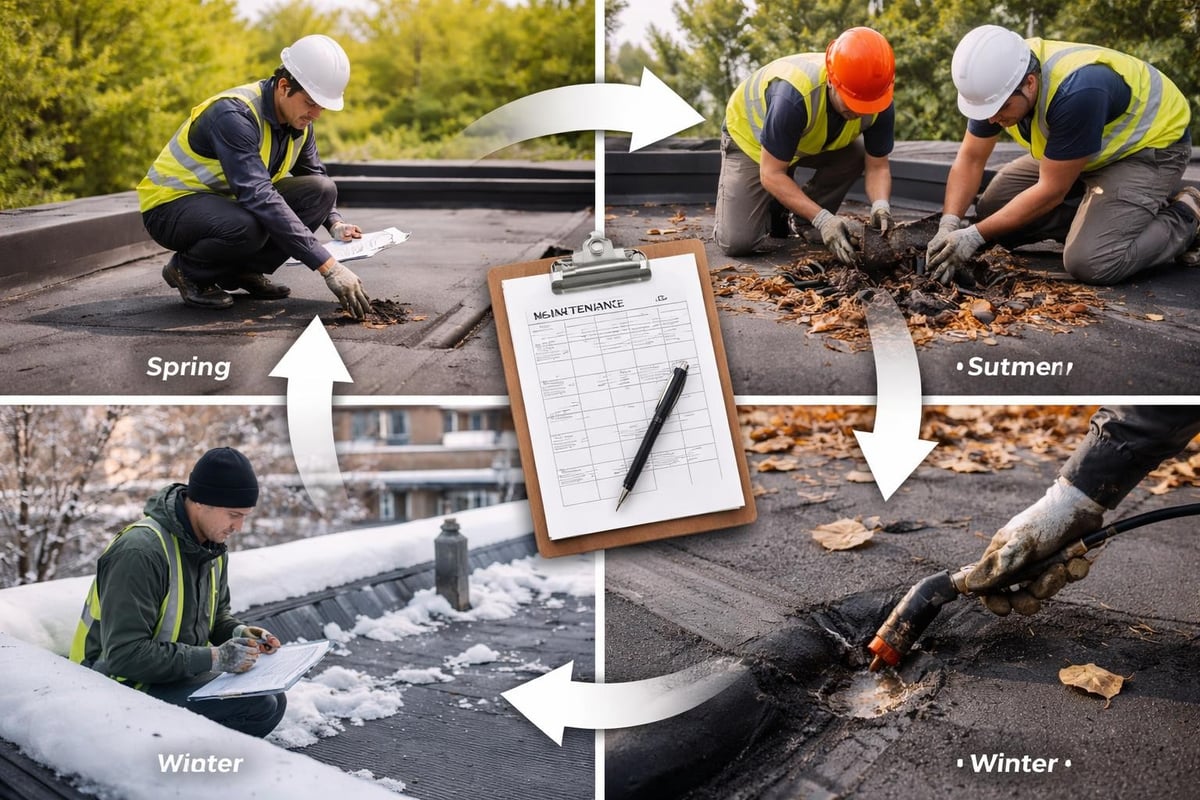
One aspect property managers appreciate? Modified roofing systems are relatively straightforward to maintain and repair. Unlike some single-ply membranes where small punctures can compromise large areas, modified systems typically contain damage to localized spots.
When you're comparing roofing options, the initial price tag tells only part of the story. Modified roofing systems typically fall in the middle range for commercial roofing costs, but their total lifecycle value often exceeds more expensive alternatives.
Initial Investment Breakdown
Material costs per square foot:
Base-grade modified bitumen: $3.50-$5.00
Premium multi-ply systems: $5.50-$8.00
Specialty reflective membranes: $7.00-$10.00
Labor represents approximately 40-60% of your total project cost, varying based on installation method, building height, and accessibility challenges. Buildings with complex layouts or numerous penetrations naturally require more installation time.
Return on Investment Factors
Think beyond the installation invoice. Modified roofing systems deliver value through:
Energy savings: Reflective granule surfaces reduce cooling loads by 10-25%
Longevity: Proper maintenance yields 25+ years of service
Repair simplicity: Lower ongoing maintenance costs compared to some alternatives
Insurance considerations: Some carriers offer premium reductions for quality commercial roofing
Selecting the Right System for Your Commercial Property
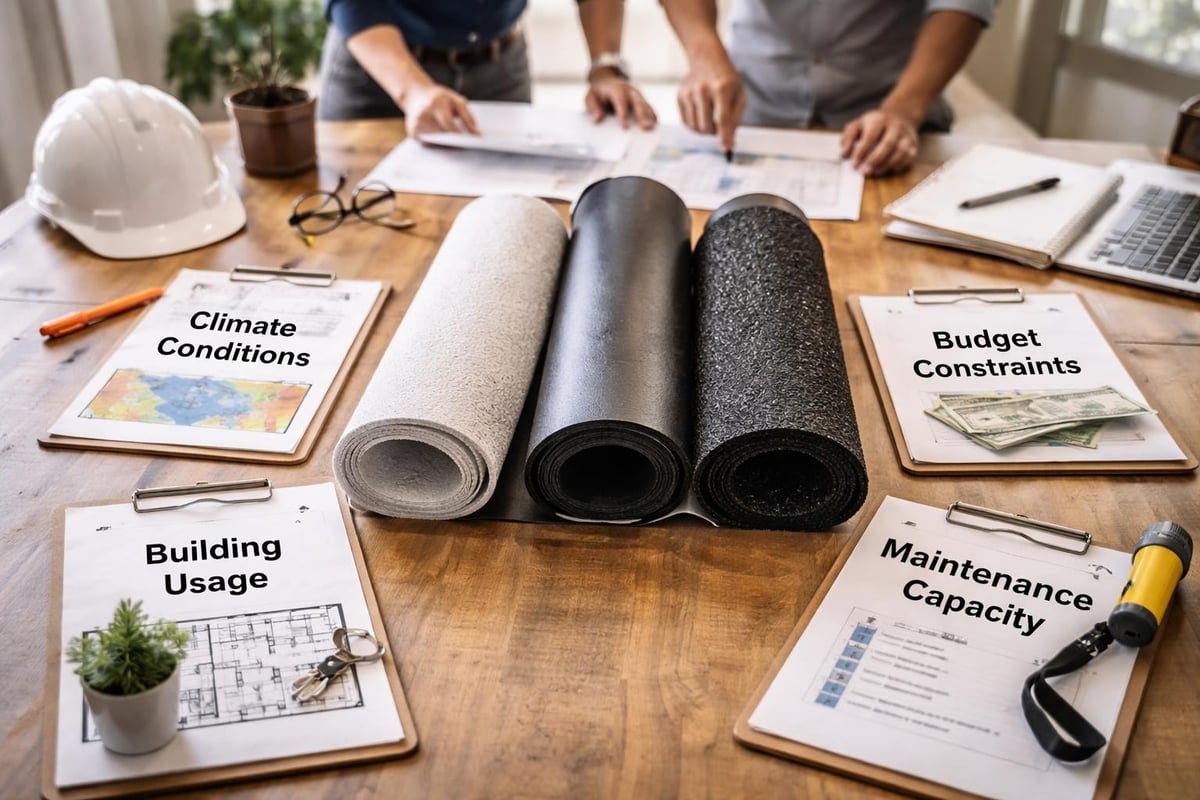
Not all modified roofing systems work equally well for every building type. Your property's specific characteristics should guide your selection process.
Building Type Considerations
Property Type
Recommended System
Primary Reason
Healthcare facilities
SBS cold-applied
No hot work in occupied space
Retail centers
APP torch-down
Superior wind resistance
Warehouses
Multi-ply systems
Heavy equipment traffic
Office buildings
Reflective cap sheets
Energy efficiency priorities
Government buildings and multifamily developments benefit particularly from the proven reliability modified roofing systems offer. These properties need roofs that minimize disruption and deliver predictable performance over extended periods.
Climate-Specific Recommendations
Your local weather patterns should influence which modified roofing system you choose. In the Dallas-Fort Worth area, where summer temperatures regularly exceed 100°F and occasional winter freezes occur, APP-modified systems with reflective granules perform exceptionally well.
Properties in areas with dramatic temperature swings benefit from SBS-modified membranes' flexibility. The comprehensive roofing systems overview explores how different formulations respond to varying environmental stresses.
Working with Professional Contractors
Installing modified roofing systems isn't a DIY project. The quality of your installation directly impacts your roof's lifespan and performance, making contractor selection critical.
What to look for in a roofing contractor:
Valid licensing and comprehensive insurance coverage
Manufacturer certifications for specific product lines
Verifiable references from similar commercial projects
Clear warranty offerings covering both materials and workmanship
Transparent communication throughout the project timeline
Professional contractors should conduct thorough roof inspections before recommending solutions. They'll evaluate your existing substrate, drainage systems, and structural capacity to ensure the modified roofing system integrates properly with your building.
Modified roofing systems continue proving their worth across commercial properties throughout 2026, combining time-tested reliability with modern performance enhancements. When you're ready to protect your investment with a roof built on integrity and quality craftsmanship, GM Roofing & Electrical Services brings over 25 years of commercial roofing experience to properties across healthcare, retail, and government sectors. Our team approaches every project with honesty, clear communication, and a genuine commitment to serving our clients with excellence.
Learn why preventative electrical maintenance is critical for commercial buildings. Discover best practices, inspection schedules, and cost-saving benefits.