Discover why commercial steel roofing is the top choice for durability and cost savings. Expert insights on installation, maintenance, and ROI.
Steel has emerged as one of the most reliable and cost-effective materials for protecting commercial properties across industries. From retail centers to healthcare facilities, building owners increasingly recognize the long-term value that metal roofing systems provide. Commercial steel roofing delivers exceptional durability, energy efficiency, and minimal maintenance requirements that align with the operational demands of modern businesses. Understanding the advantages, installation considerations, and performance characteristics of these roofing systems helps facility managers and property owners make informed decisions about their building infrastructure.
Understanding Commercial Steel Roofing Systems
Steel roofing systems represent a sophisticated blend of metallurgy and engineering designed specifically for commercial applications. These systems differ substantially from residential metal roofing in terms of gauge thickness, panel width, and structural requirements.
Material Composition and Types
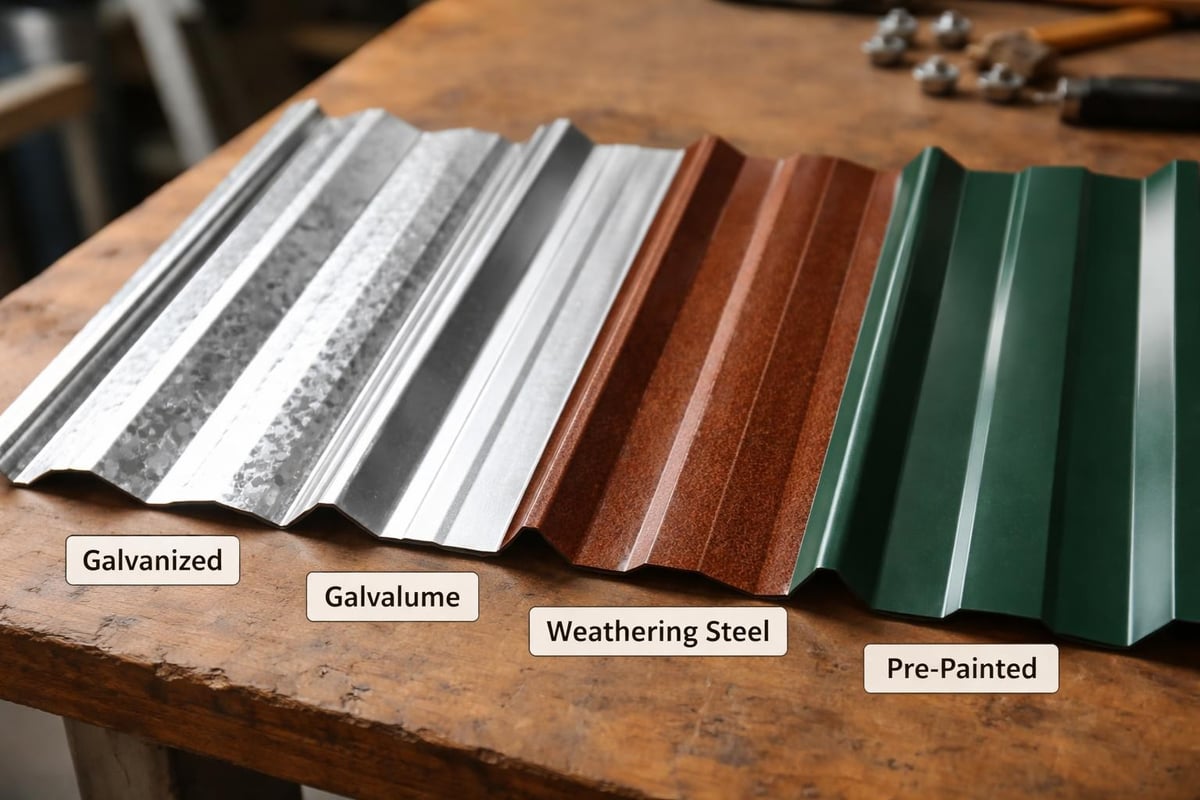
Modern commercial steel roofing utilizes several distinct material formulations, each offering specific performance characteristics:
Galvanized steel features a zinc coating that provides corrosion resistance through sacrificial protection
Galvalume steel combines aluminum and zinc coatings for enhanced durability in coastal environments
Weathering steel develops a protective rust-like appearance that stabilizes over time
Pre-painted steel incorporates factory-applied coatings in various colors and finishes
The gauge thickness for commercial applications typically ranges from 22 to 26 gauge, with lower numbers indicating thicker, more robust panels. Building codes and wind load requirements influence the appropriate gauge selection for specific geographic locations.
Panel Profiles and Configuration Options
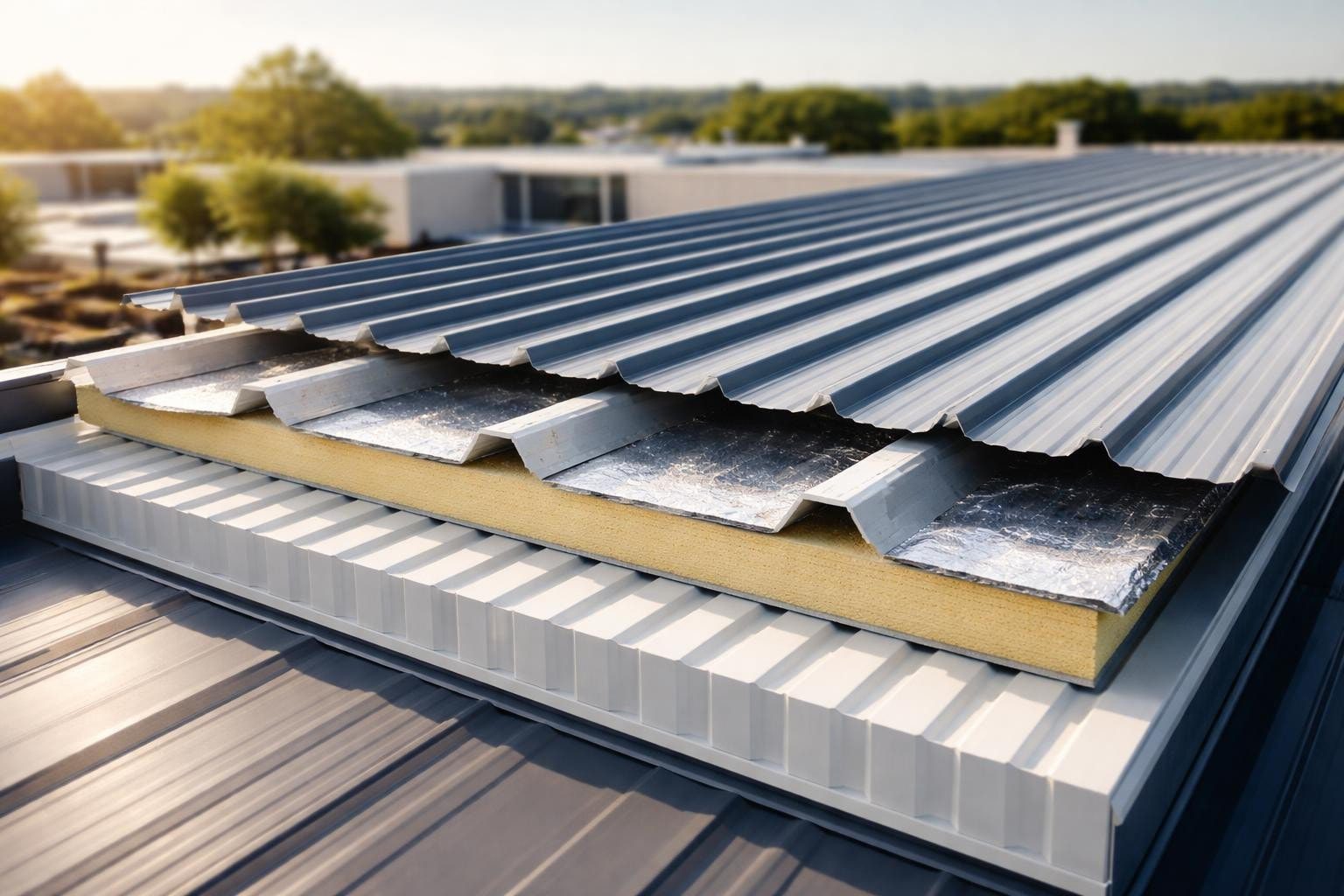
Standing seam systems dominate the commercial steel roofing market due to their superior weather resistance and clean aesthetic appearance. These panels feature vertical ribs that run the length of the roof, with concealed fasteners that eliminate penetration points where leaks commonly develop.
Panel Type
Seam Height
Best Applications
Weather Performance
Snap-Lock Standing Seam
1-1.5 inches
Low-slope roofs, retrofit projects
Good
Mechanical Lock Standing Seam
1.5-3 inches
New construction, high-wind areas
Excellent
Batten Seam
2-4 inches
Architectural projects, steep slopes
Superior
Through-Fastened R-Panel
Corrugated profile
Industrial buildings, budget projects
Moderate
Each profile type offers distinct advantages depending on structural requirements, budget constraints, and aesthetic preferences. Mechanical lock standing seam systems provide the highest level of weather protection, making them ideal for facilities that cannot tolerate any risk of water intrusion.
Installation Considerations for Commercial Properties
Proper installation determines whether a commercial steel roofing system achieves its full potential lifespan and performance capabilities. Multiple factors influence the installation process, from substrate preparation to thermal movement accommodation.
Substrate Requirements and Deck Preparation
The structural deck must provide adequate support and create a suitable surface for panel attachment. Steel panels typically install over solid substrates including:
Structural concrete decks requiring specialized fastening systems
Steel decking with proper gauge ratings for load distribution
Wood decking meeting minimum thickness and fastener holding requirements
Existing roofing systems when suitable for retrofit applications
Deck preparation involves verifying structural integrity, ensuring proper slope for drainage, and addressing any existing damage or deterioration. The minimum recommended slope for commercial steel roofing ranges from 0.25:12 to 3:12 depending on panel type and seam configuration.
Thermal Movement and Expansion Management
Steel roofing expands and contracts significantly with temperature fluctuations, creating unique installation challenges. A 100-foot panel can expand or contract up to 1.5 inches between summer and winter temperatures.
Critical expansion management components include:
Properly designed clips that allow controlled panel movement
Expansion joints at building transitions and long roof runs
Strategic fastener placement that accommodates thermal cycling
Adequate panel overlap at end laps to prevent separation
Failing to account for thermal movement leads to fastener failure, panel distortion, and premature system degradation. The National Park Service’s guidance on metal roofing emphasizes these considerations even for historic preservation projects.
Performance Benefits and Long-Term Value
Commercial steel roofing systems deliver measurable advantages that extend well beyond initial installation. These benefits translate directly into operational cost savings and improved building performance.
Durability and Weather Resistance
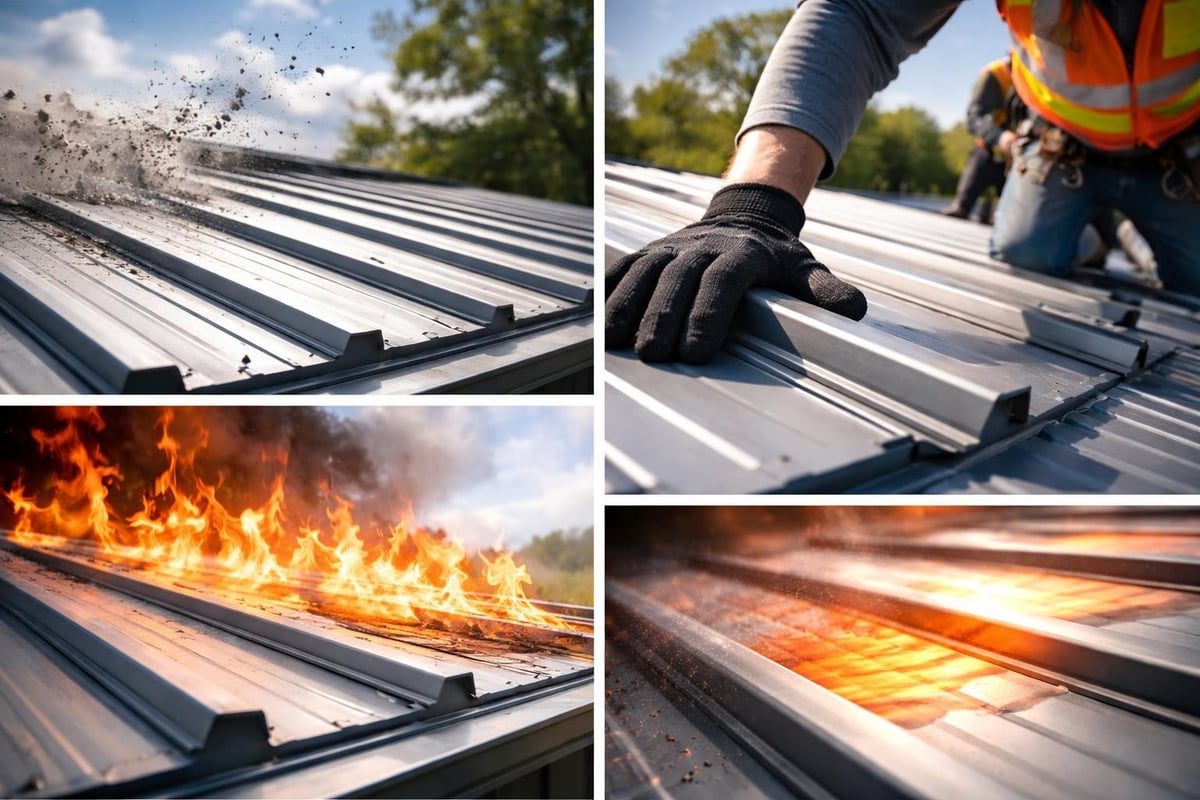
Steel roofing withstands extreme weather conditions that compromise other roofing materials. Wind uplift resistance exceeds 200 mph when properly installed with mechanical seam systems. Hail impact resistance meets Class 4 ratings, the highest available classification for roofing materials.
The non-combustible nature of steel provides Class A fire ratings, reducing insurance premiums and protecting valuable assets. Unlike organic materials, steel resists rot, insect damage, and biological growth that deteriorate conventional roofing systems.
Expected service life for quality commercial steel roofing installations ranges from 40 to 60 years with minimal maintenance. This longevity surpasses traditional built-up roofing, modified bitumen, and single-ply membrane systems by decades.
Energy Efficiency and Reflectivity
Modern coating technologies transform steel roofing into highly reflective surfaces that reduce cooling costs substantially. Cool roof coatings reflect up to 70% of solar radiation, lowering roof surface temperatures by 50-60°F compared to traditional dark surfaces.
Coating Type
Solar Reflectance
Thermal Emittance
Energy Star Qualified
White PVDF
65-70%
0.85-0.90
Yes
Light-Colored Polyester
55-65%
0.80-0.85
Yes
Standard Metallic
40-50%
0.70-0.75
Some
Dark Colors
20-30%
0.60-0.70
No
Reduced heat gain translates to lower HVAC operating costs, particularly for single-story commercial buildings with high roof-to-wall ratios. Many utility companies offer rebates for cool roof installations, improving project economics further.
Maintenance Requirements and Lifecycle Management
One of the most compelling advantages of commercial steel roofing involves its minimal maintenance demands. Unlike membrane systems requiring regular inspections and frequent repairs, steel roofing needs only periodic attention to maintain optimal performance.
Routine Inspection Protocols
Scheduled inspections identify minor issues before they escalate into costly problems. Recommended inspection frequency includes:
Biannual visual inspections checking for panel damage, fastener issues, and drainage problems
Post-storm assessments following severe weather events with high winds or hail
Annual detailed reviews examining flashing details, penetrations, and seam integrity
Five-year comprehensive evaluations including coating condition and corrosion assessment
Most inspection activities require only visual observation from roof level, reducing labor costs and safety risks associated with intensive membrane inspections.
Common Maintenance Tasks
Steel roofing maintenance focuses on preserving protective coatings and ensuring proper drainage. Essential maintenance activities include:
Removing debris accumulation from roof surfaces and drainage systems
Cleaning panels with appropriate non-abrasive methods when necessary
Touching up scratched or damaged coating areas to prevent corrosion
Verifying sealant integrity at penetrations and transitions
Confirming proper clip engagement and panel security
These straightforward tasks require minimal specialized knowledge or equipment. Many building maintenance teams handle routine care without contractor involvement, reducing ongoing operational expenses.
Industry-Specific Applications and Case Studies
Different commercial sectors leverage steel roofing advantages in unique ways based on their operational requirements and building characteristics.
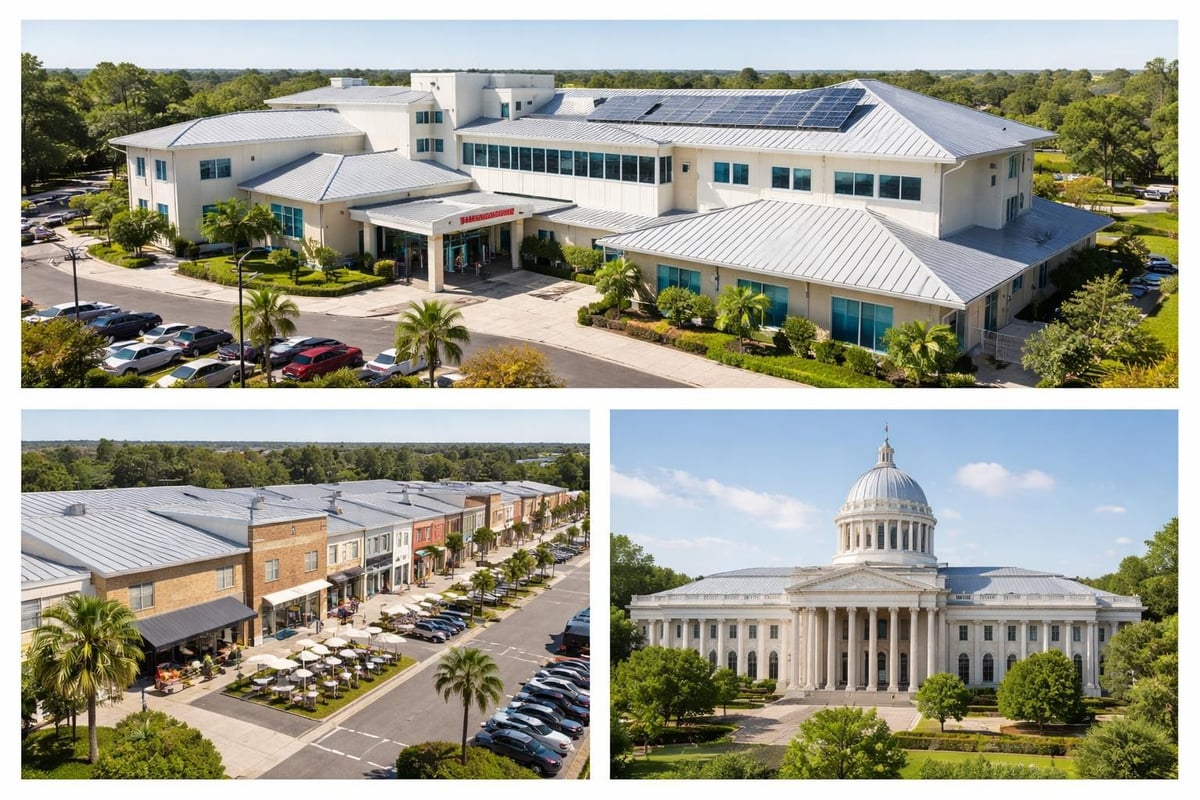
Healthcare Facilities
Hospitals and medical centers prioritize roofing systems that eliminate downtime risks and maintain strict environmental controls. Commercial steel roofing aligns perfectly with these requirements through reliable performance and minimal maintenance disruptions.
The non-porous surface prevents biological growth and simplifies cleaning protocols. Installation speed reduces construction timelines, critical for phased renovation projects that must maintain facility operations. Many healthcare administrators also value the sustainable characteristics of steel roofing, supporting their environmental stewardship goals.
Retail and Distribution Centers
Large-footprint retail buildings and distribution warehouses benefit enormously from steel roofing economics. The lightweight nature of steel panels reduces structural loading requirements, potentially lowering overall construction costs.
Energy savings prove particularly significant for climate-controlled distribution facilities operating 24/7. Cool roof coatings reduce HVAC demands substantially, improving operating margins in competitive industries where cost control determines profitability.
Key retail sector advantages include:
Rapid installation minimizing construction schedules and accelerating occupancy
Superior spanning capabilities reducing structural support requirements
Excellent wind resistance protecting inventory and operations in severe weather zones
Government facilities often require roofing systems meeting stringent sustainability standards and long-term budget requirements. Steel roofing addresses both priorities through decades-long service life and recyclability.
The material composition of steel roofing typically contains 25-95% recycled content, supporting LEED certification and green building initiatives. At end-of-service life, panels maintain value as scrap material, generating revenue rather than landfill disposal costs.
Cost Analysis and Return on Investment
Understanding the complete financial picture requires examining both initial investment and lifecycle costs. Commercial steel roofing typically commands higher upfront pricing than membrane alternatives but delivers superior long-term value.
Initial Investment Considerations
Material and installation costs for commercial steel roofing vary based on multiple factors:
Cost Factor
Impact on Pricing
Typical Range
Panel gauge and material type
Moderate to High
$4.50-$8.50/sq ft
Profile complexity and seam type
Moderate
$1.00-$3.00/sq ft
Coating system and color selection
Low to Moderate
$0.50-$1.50/sq ft
Structural modifications required
High (project-specific)
Variable
Total installed costs typically range from $7 to $15 per square foot depending on project complexity, geographic location, and prevailing labor rates. This represents a 20-40% premium over conventional single-ply membrane systems initially.
Lifecycle Cost Advantages
The financial advantage of steel roofing emerges when analyzing total cost of ownership over the building's operational life. Reduced maintenance expenses, lower energy costs, and extended service life combine to create substantial savings.
A 50,000-square-foot commercial building might realize these comparative savings over a 30-year period:
Maintenance cost reduction: $75,000-$125,000 compared to membrane systems
Energy cost savings: $90,000-$180,000 through improved reflectivity and thermal performance
Replacement cost avoidance: $200,000-$350,000 from extended service life eliminating one or two re-roofing cycles
These cumulative savings often exceed the initial cost premium within 10-15 years, with decades of additional service life remaining. Insurance premium reductions for superior fire and wind resistance provide additional ongoing savings.
Environmental Impact and Sustainability
Sustainability considerations increasingly influence commercial roofing decisions as organizations pursue environmental goals and regulatory compliance. Steel roofing offers compelling environmental advantages throughout its lifecycle.
Recycled Content and End-of-Life Recovery
Steel ranks among the most recycled materials globally, with infrastructure supporting complete material recovery. New steel roofing panels typically contain 25-95% recycled content depending on the manufacturing process. At end-of-service life, 100% of steel roofing material remains recyclable without quality degradation.
This circular material flow contrasts sharply with membrane roofing systems that typically end up in landfills. The scrap value of recovered steel panels often covers removal costs, creating a financial benefit rather than disposal expense.
Manufacturing and Transportation Efficiency
Modern steel production has dramatically reduced environmental impacts through improved efficiency and cleaner energy sources. The lightweight nature of steel panels also reduces transportation fuel consumption compared to heavier alternatives.
Factory-applied coatings eliminate on-site painting requirements, reducing VOC emissions and improving air quality during construction. Precise manufacturing tolerances minimize material waste, with excess material remaining fully recyclable.
Installation Timeline and Project Planning
Efficient project execution requires understanding the installation process and coordinating with building operations. Commercial steel roofing installation typically proceeds faster than alternative systems, minimizing disruption.
Pre-Installation Requirements
Successful projects begin with thorough planning and preparation:
Structural engineering review verifying deck capacity and attachment requirements
Detailed measurements and panel fabrication to exact specifications
Material delivery coordination ensuring job site access and storage
Weather monitoring to schedule installation during favorable conditions
Building occupant notification and operational coordination
Lead times for custom panel fabrication typically range from 2-4 weeks depending on project size and manufacturer capacity. Standardized profiles may ship more quickly, particularly during off-peak construction seasons.
Installation Duration and Phasing
Installation speed represents a significant advantage for occupied buildings requiring minimal operational disruption. A skilled crew typically installs 2,000-4,000 square feet of standing seam panels daily under favorable conditions.
Factors affecting installation timeline include:
Building height and roof access challenges
Existing roof removal requirements for replacement projects
Weather conditions and seasonal considerations
Penetration quantity and flashing complexity
Crew size and experience level
Phased installation allows continued building operations during re-roofing projects. Coordinating with facility schedules protects occupants and maintains business continuity throughout construction.
Quality Control and Performance Verification
Ensuring proper installation requires systematic quality control throughout the project. Multiple verification checkpoints confirm the roofing system meets design specifications and performance requirements.
Installation Verification Points
Critical quality control measures include:
Confirming proper substrate condition and preparation before panel installation
Verifying correct clip spacing, engagement, and attachment
Measuring seam integrity and panel alignment throughout installation
Testing sealant application at all penetrations and transitions
Conducting final water testing on completed sections
Manufacturer representatives often provide on-site quality inspections for large projects, ensuring installation complies with warranty requirements. These third-party verifications protect building owners and establish accountability.
Warranty Coverage and Guarantees
Commercial steel roofing systems typically include comprehensive warranty protection covering materials and workmanship. Standard warranty terms include:
Warranty Component
Typical Coverage Period
Coverage Details
Material Defects
20-30 years
Panel integrity, coating adhesion
Weathertightness
10-20 years
Water infiltration protection
Finish Warranty
25-40 years
Color retention, chalk resistance
Perforation Warranty
25-40 years
Rust-through protection
Extended warranty options may extend coverage periods for premium coating systems. Proper maintenance and documentation preserve warranty validity throughout the coverage period.
Commercial steel roofing delivers unmatched durability, energy efficiency, and long-term value for facilities across healthcare, retail, government, and industrial sectors. The combination of minimal maintenance requirements, exceptional weather resistance, and sustainable material characteristics makes steel an intelligent investment for forward-thinking building owners. GM Roofing Services specializes in commercial roofing solutions including expert metal roofing installation, comprehensive roof inspections, and customized maintenance programs designed to protect your facility investment for decades. Contact their experienced team today to discuss how a properly engineered steel roofing system can enhance your building's performance and reduce long-term operational costs.
Learn why preventative electrical maintenance is critical for commercial buildings. Discover best practices, inspection schedules, and cost-saving benefits.