Electrical Panel Upgrades for Commercial Properties
Discover when your commercial property needs panel upgrades, from safety signs to capacity planning. Expert insights for building managers.
Have you noticed flickering lights in your commercial building? Maybe you're planning to add new equipment but aren't sure if your electrical system can handle it. These are exactly the questions that lead property managers and building owners to consider panel upgrades. As commercial buildings evolve and power demands increase, your electrical panel needs to keep pace. Let's talk about what you need to know.
Understanding When Your Building Needs an Upgrade
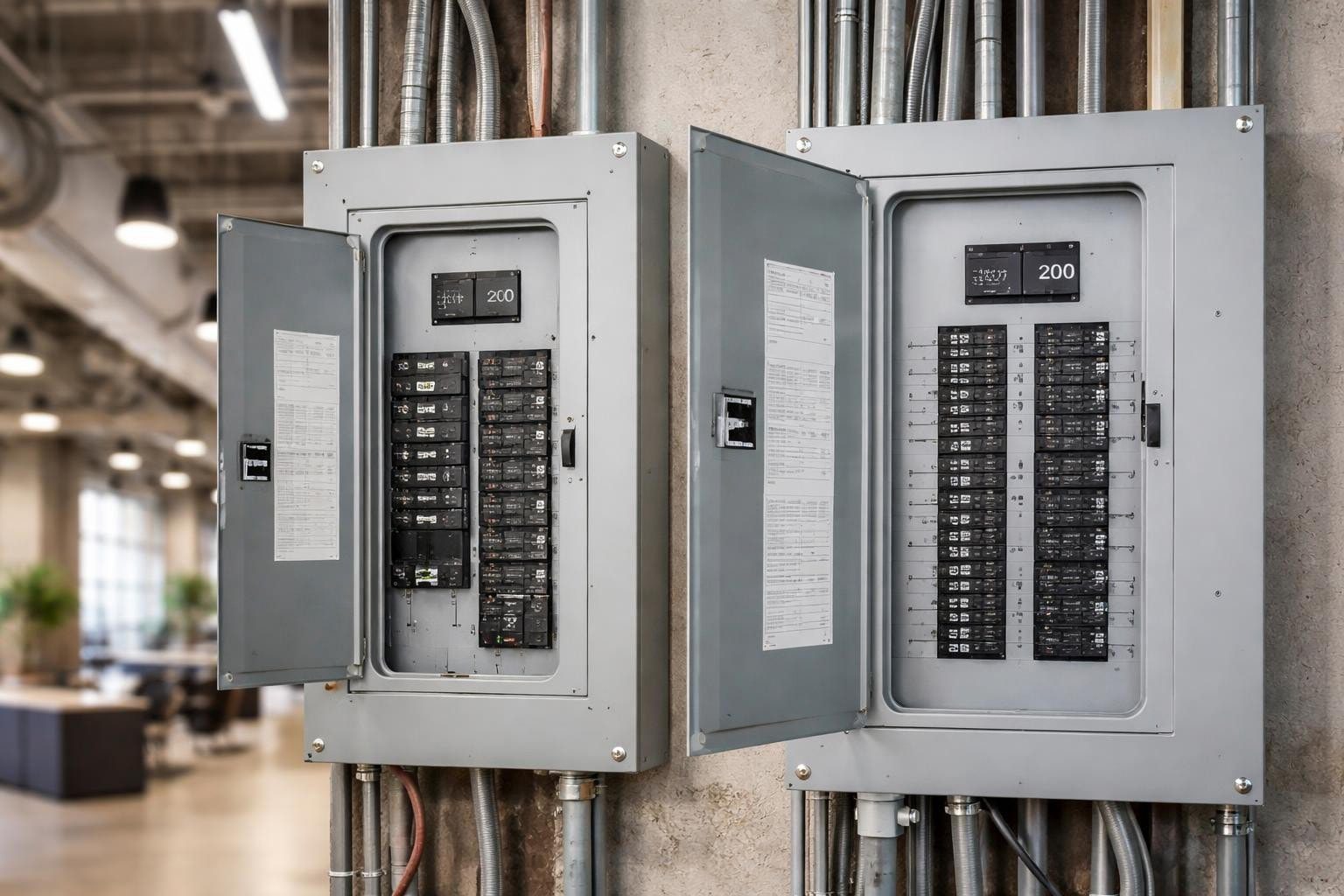
Your electrical panel is the heart of your building's power distribution system. It's what keeps everything running smoothly, from HVAC units to computer systems and lighting throughout your facility.
But here's the thing: most commercial buildings weren't designed for today's electrical demands. According to methods for increasing electrical panel capacity, upgrading to a new panel, reconfiguring your current setup, or adding a sub-panel are common solutions when capacity becomes an issue.
Common Warning Signs
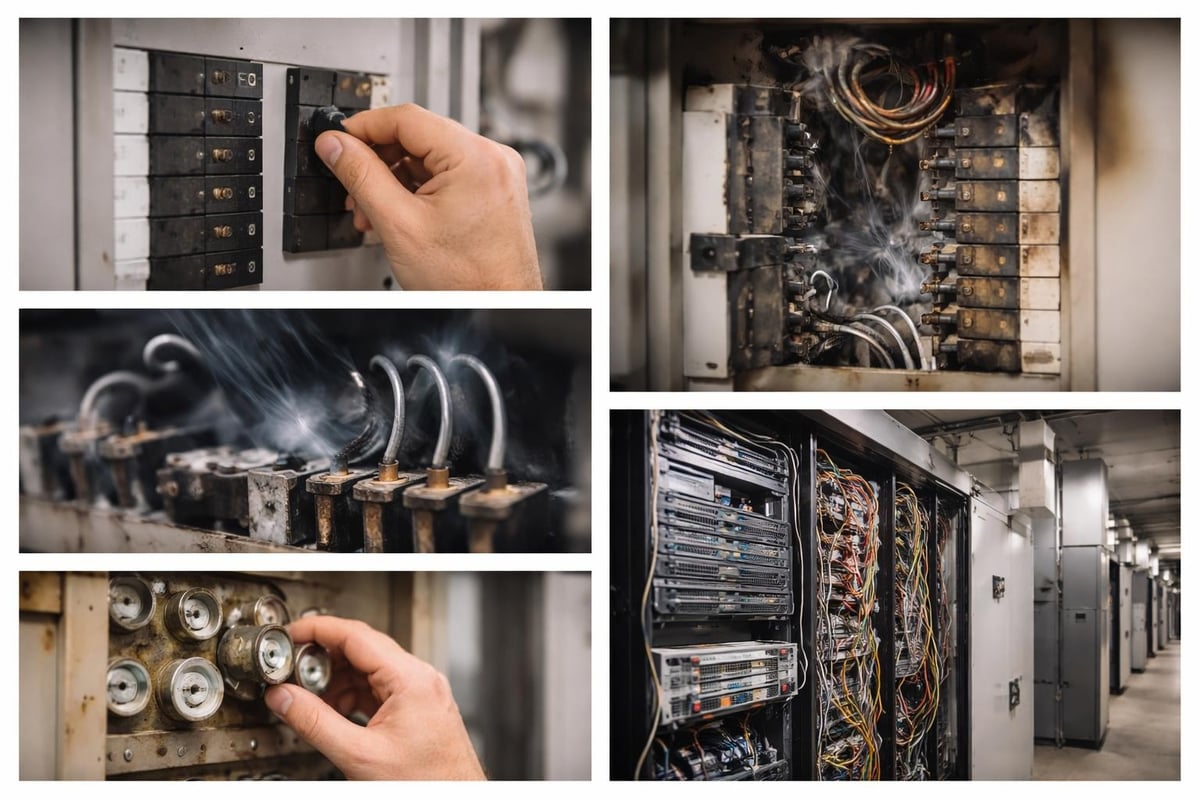
You might be wondering what signals it's time for an upgrade. Here are the telltale signs:
Frequent circuit breaker trips that disrupt daily operations
Warm or discolored panels indicating dangerous heat buildup
Buzzing sounds coming from your electrical panel
Outdated fuse boxes that should have been replaced years ago
Insufficient capacity for new equipment or tenant improvements
These aren't just inconveniences. They're safety concerns that deserve immediate attention.
Capacity Planning for Modern Commercial Needs
Think about how much has changed in the past twenty years. Today's commercial spaces run on significantly more power than before. Server rooms, advanced HVAC systems, electric vehicle charging stations, LED lighting retrofits, and modern security systems all demand reliable electrical service.
Most older commercial buildings operate on 100-amp or 200-amp service. That might have been sufficient decades ago, but strategies for avoiding unnecessary electrical panel upgrades suggest carefully evaluating your actual needs before proceeding. Sometimes you can optimize your existing setup rather than starting from scratch.
Calculating Your Building's Requirements
Building Type
Typical Service Size
Common Upgrades
Small Retail
100-200A
200-400A
Office Building
200-400A
400-800A
Healthcare Facility
400-800A
800-1200A+
Multifamily
200-600A
600-1000A+
The right capacity depends on your specific situation. What equipment do you operate? What are your expansion plans? Are you adding tenants who'll need dedicated circuits?
The Upgrade Process: What to Expect
Let's walk through what actually happens during panel upgrades. Understanding the process helps you plan around any downtime and budget appropriately.
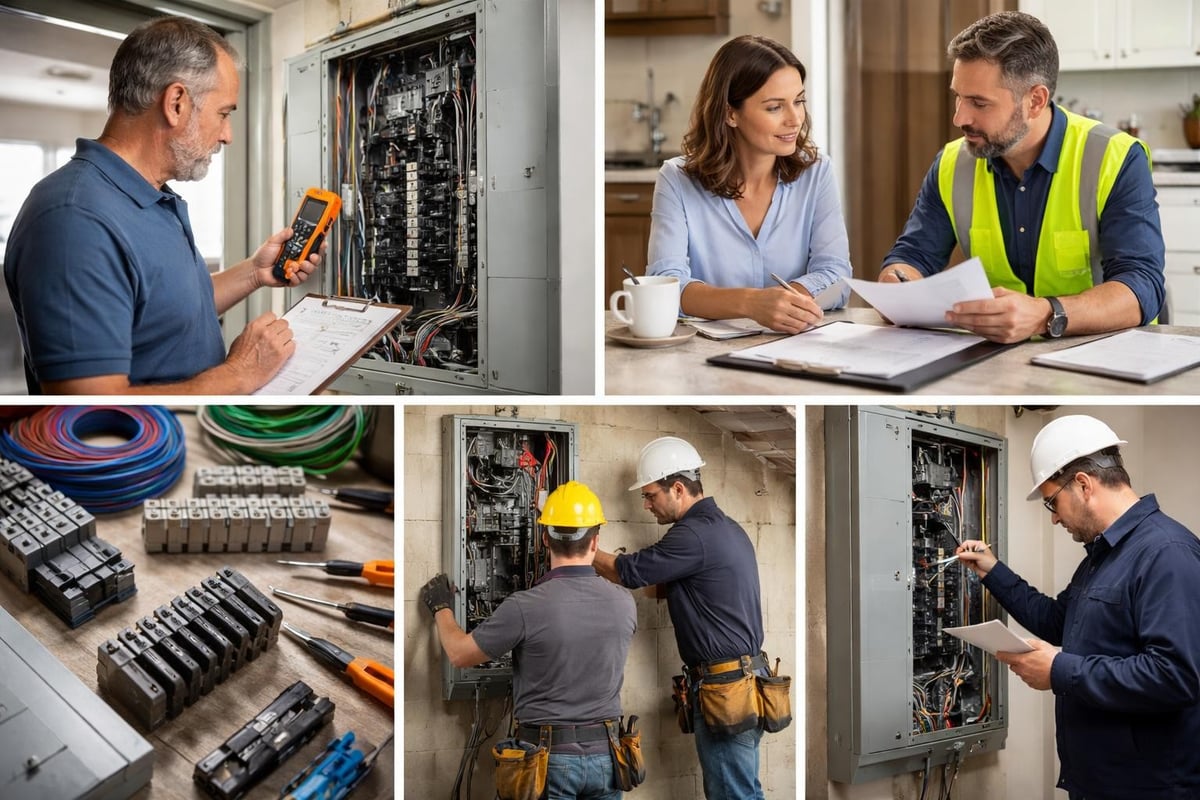
First, a licensed electrician conducts a thorough assessment of your current system. They'll review your power usage, inspect existing wiring, and identify any code violations that need addressing. This assessment is crucial because electrical panel upgrade considerations include verifying necessity and ensuring compliance with current electrical codes.
Step-by-Step Timeline
Initial assessment and load calculation (1-2 days)
Permit acquisition and utility coordination (1-2 weeks)
Equipment procurement (varies by availability)
Installation and wiring (1-3 days)
Inspection and final approval (1-2 days)
During installation, your building will experience temporary power outages. Smart contractors schedule work during off-hours or weekends to minimize disruption to your operations.
Cost Considerations and Long-Term Value
Nobody loves talking about costs, but let's be realistic. Panel upgrades represent a significant investment in your property's infrastructure. However, the alternative, dealing with electrical failures, fire risks, or inability to lease space to quality tenants, costs far more.
The investment varies widely based on your building's size, current electrical setup, and local requirements. A small retail space might need a relatively straightforward upgrade, while a large commercial building could require extensive reconfiguration.
What impacts your total cost?
Current panel age and condition
Distance from utility connection point
Required permit fees and inspections
Complexity of existing wiring
Need for additional sub-panels
Utility company upgrade requirements
For commercial properties considering modernization, electrical renovations and upgrades often include panel work as part of a broader improvement strategy that increases building value and tenant satisfaction.
Safety and Code Compliance Matters
Here's something you can't compromise on: safety. Electrical fires account for thousands of commercial property incidents annually. Many trace back to outdated or overloaded panels that should have been upgraded years earlier.
Modern commercial electrical codes are significantly more stringent than those from twenty or thirty years ago. If your panel was installed before major code revisions, it likely doesn't meet current standards. Reasons for upgrading electric panels often include transitioning from outdated fuse systems to modern circuit breakers and meeting increased electrical load demands.
Compliance Benefits
Upgrading brings your property into full compliance with current National Electrical Code (NEC) standards. This matters for insurance purposes, tenant agreements, and your own peace of mind. It also positions your building favorably if you decide to sell or refinance.
Supporting Building Modernization Goals
Panel upgrades rarely happen in isolation. They're typically part of larger property improvement initiatives. Maybe you're renovating to attract better tenants. Perhaps you're adding energy-efficient systems or preparing for electric vehicle charging infrastructure.
Whatever your goals, verifying necessity and modifying existing panels can sometimes provide the capacity you need without full replacement. A qualified electrical contractor can evaluate whether strategic modifications serve your purposes or if complete replacement makes more sense.
Consider how panel upgrades support:
Energy efficiency initiatives through better load management
Technology upgrades like advanced security or automation systems
EV charging stations in parking areas
Backup power systems for critical operations
These improvements don't just meet today's needs. They future-proof your property for tomorrow's demands.
Choosing the Right Electrical Partner
Who you hire matters tremendously. This isn't a DIY project or something for the lowest bidder. You need experienced professionals who understand commercial electrical systems, local codes, and the unique challenges your building type presents.
Look for contractors with:
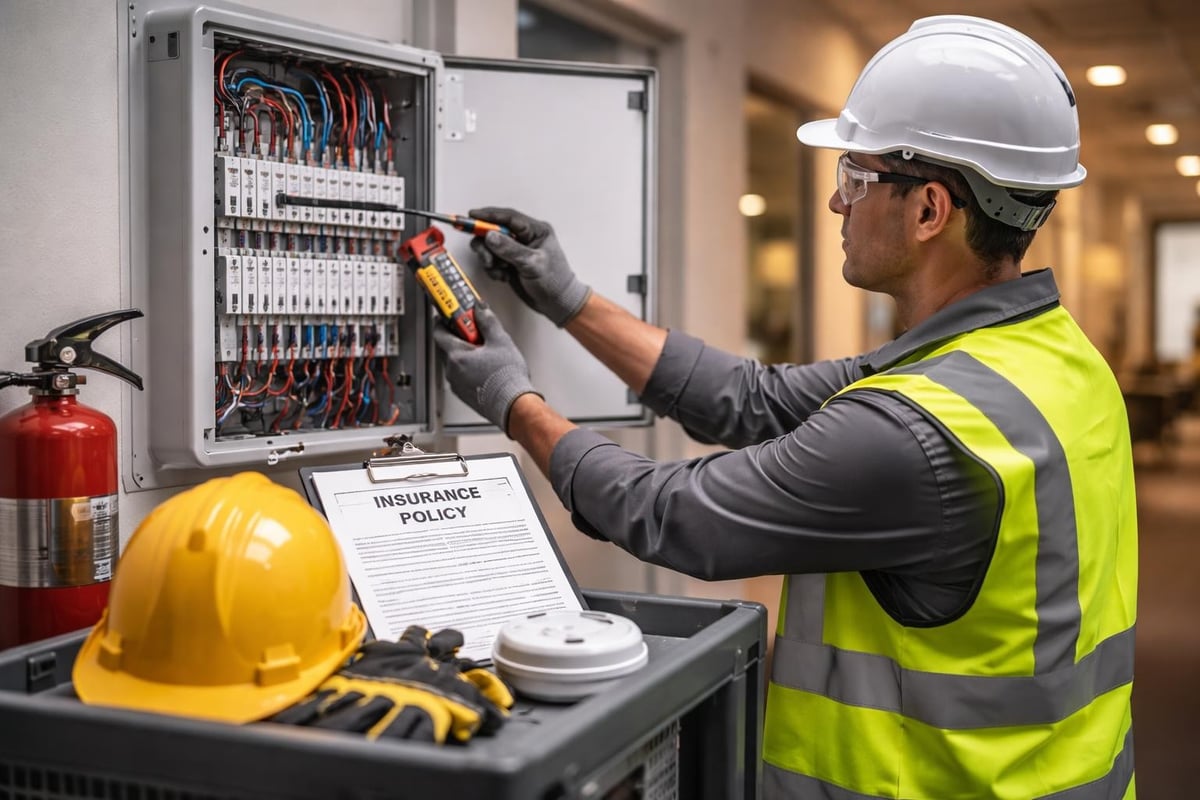
Valid licensing and insurance coverage
Proven commercial experience in similar properties
Strong safety records and training programs
Clear communication throughout the project
References from property managers or building owners
The right team minimizes downtime, stays within budget, and delivers work that passes inspection the first time. They also help you understand the importance of upgrading electrical panels for supporting modern power demands safely while planning for future growth.
Panel upgrades represent a critical investment in your commercial property's safety, functionality, and value. Whether you're addressing immediate capacity concerns or planning for future growth, working with experienced professionals ensures the job gets done right. At GM Roofing & Electrical Services, we bring more than 25 years of commercial electrical experience to every project, approaching panel upgrades with the integrity, craftsmanship, and commitment to excellence that your property deserves. Ready to discuss your building's electrical needs?
Learn why preventative electrical maintenance is critical for commercial buildings. Discover best practices, inspection schedules, and cost-saving benefits.