Commercial Roofing Solutions in Plano, TX | 2026 Guide
Discover expert commercial roofing services in Plano, TX. Learn about flat roofs, metal systems, inspections, and maintenance for your business.
The commercial roofing landscape in Plano, Texas continues to evolve with new materials, technologies, and regulatory requirements that business owners must navigate. Whether managing a healthcare facility, retail center, or government building, selecting the right roofing plano tx partner ensures your investment delivers decades of reliable protection. Understanding the unique challenges posed by North Texas weather patterns, from severe hailstorms to intense summer heat, helps facility managers make informed decisions about roofing systems that balance durability, energy efficiency, and long-term value.
Understanding Commercial Roofing Systems for Plano Buildings
Commercial structures in Plano require roofing solutions that withstand the region's extreme temperature fluctuations and severe weather events. The choice between flat roofing, metal systems, or specialized coatings depends on building design, budget constraints, and operational requirements.
Flat Roofing Systems and Applications
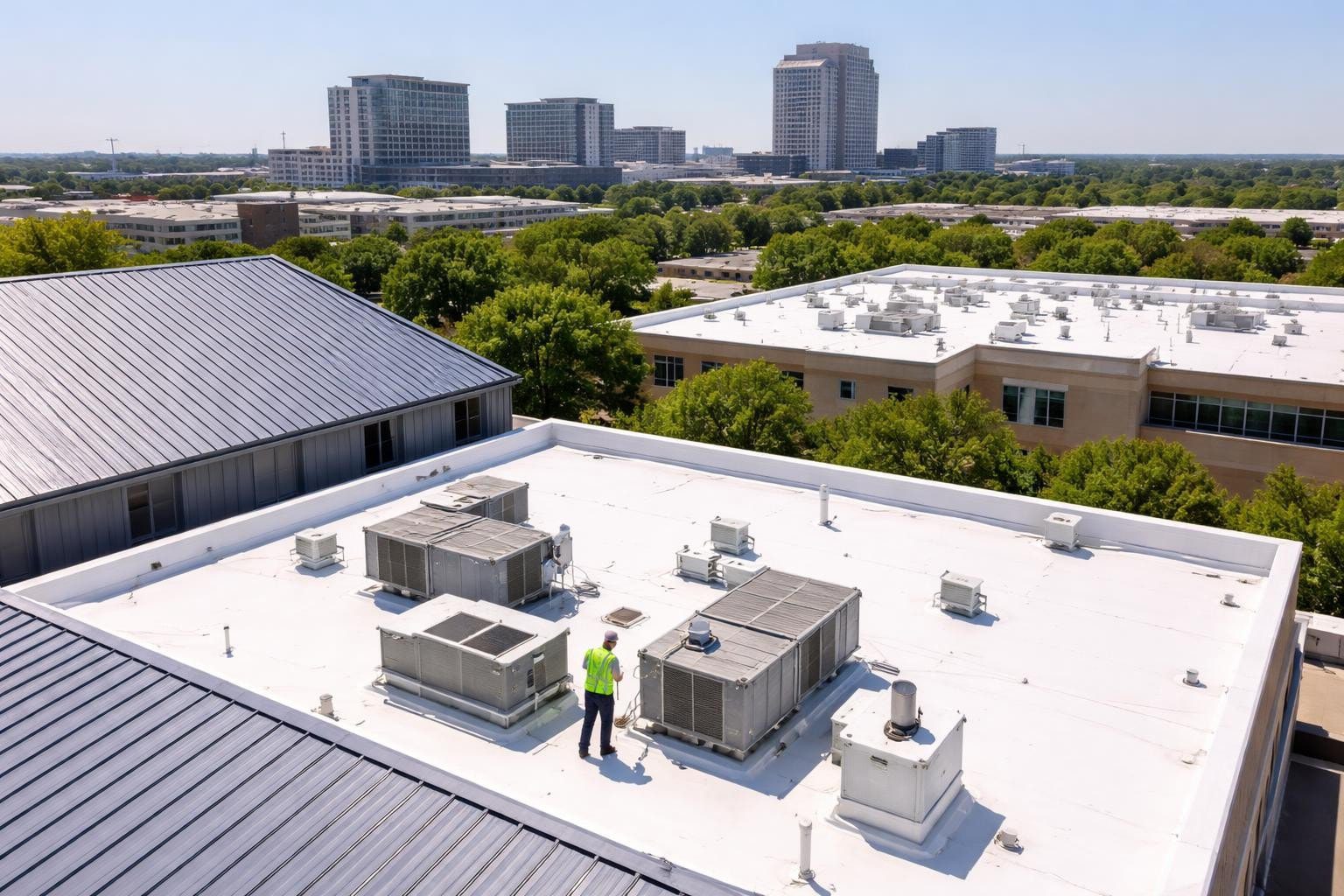
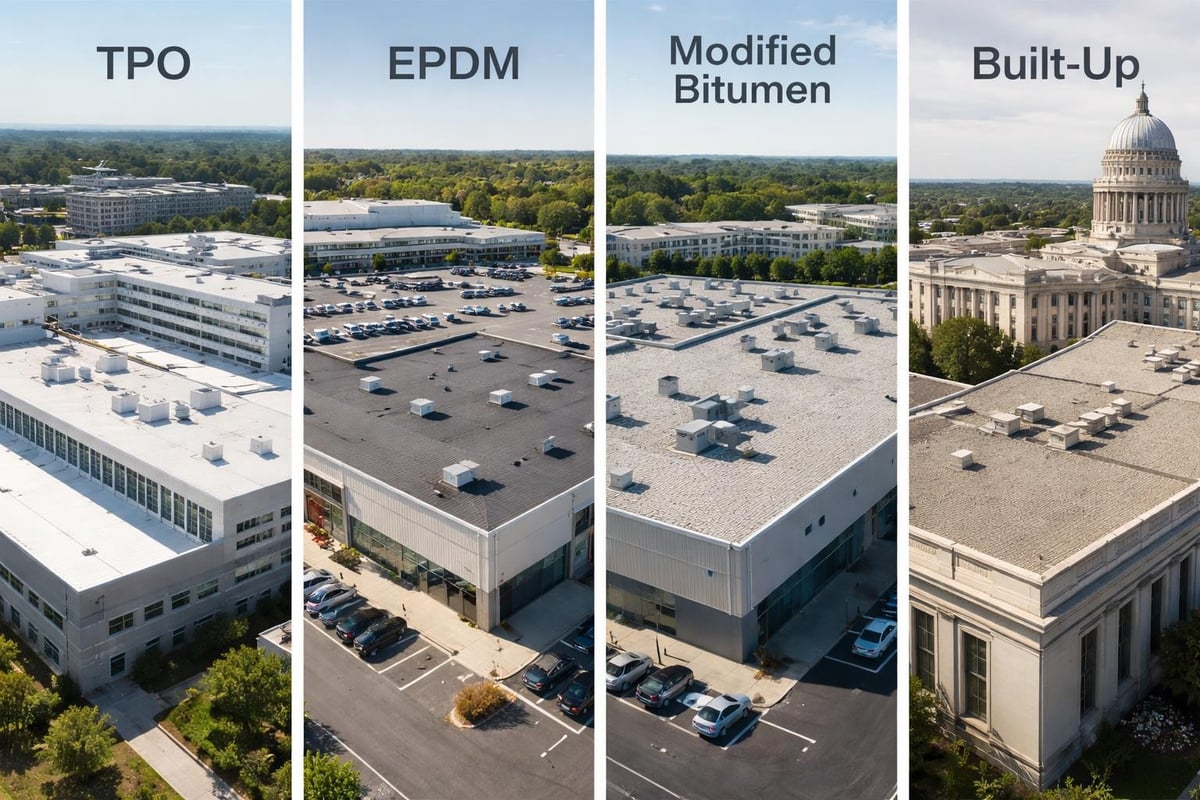
Flat roofing remains the predominant choice for commercial buildings throughout the Plano area due to its cost-effectiveness and versatility. These systems accommodate HVAC equipment, provide accessible maintenance pathways, and support various membrane materials.
EPDM (Ethylene Propylene Diene Monomer) rubber roofing for proven durability
Modified bitumen systems combining traditional reliability with modern performance
Built-up roofing (BUR) for heavy-duty commercial applications
Facility managers should evaluate each material's reflectivity ratings, warranty coverage, and compatibility with existing building infrastructure. The Insurance Institute for Business & Home Safety offers a comprehensive guide on selecting roofing systems designed to minimize damage from natural hazards common to the region.
Metal Roofing for Commercial Structures
Metal roofing systems deliver exceptional longevity and energy performance for Plano commercial properties. Standing seam metal roofs, corrugated panels, and metal shingle systems each serve specific architectural and functional requirements.
Metal Roofing Type
Lifespan
Best Applications
Key Benefits
Standing Seam
40-60 years
Office buildings, warehouses
Superior water shedding, minimal maintenance
Corrugated Panels
30-45 years
Industrial facilities, storage
Cost-effective, high strength
Metal Shingles
50+ years
Retail centers, mixed-use
Aesthetic versatility, impact resistance
Metal roofing excels in hail-prone regions like Plano, often qualifying for insurance premium reductions. The reflective properties of modern metal systems significantly reduce cooling costs during Texas summers, delivering measurable return on investment.
Navigating Permits and Regulatory Requirements
Securing proper permits represents a critical step in any commercial roofing plano tx project. The City of Plano requires permits and licensing for most roofing installations and major repairs to ensure compliance with building codes and safety standards.
Essential Permit Documentation
Commercial property owners must submit detailed plans including:
Material specifications and manufacturer certifications
Drainage plans showing water management systems
Fire rating documentation for roofing assemblies
Energy compliance calculations per current code requirements
Working with experienced roofing contractors who understand local ordinances streamlines the permitting process and prevents costly delays. Many jurisdictions in the Dallas-Fort Worth metroplex maintain similar requirements, so reviewing resources from neighboring cities like McKinney’s roofing guide provides valuable context for regional standards.
Code Compliance and Safety Standards
Commercial roofing projects must adhere to International Building Code (IBC) requirements adapted for Texas conditions. Wind uplift ratings, fire resistance classifications, and proper flashing details all fall under regulatory scrutiny.
Professional Roof Inspections and Assessment Protocols
Regular inspections identify potential problems before they escalate into expensive emergency repairs. Healthcare facilities, retail centers, and government buildings require different inspection frequencies based on roof type, age, and environmental exposure.
Comprehensive Inspection Components
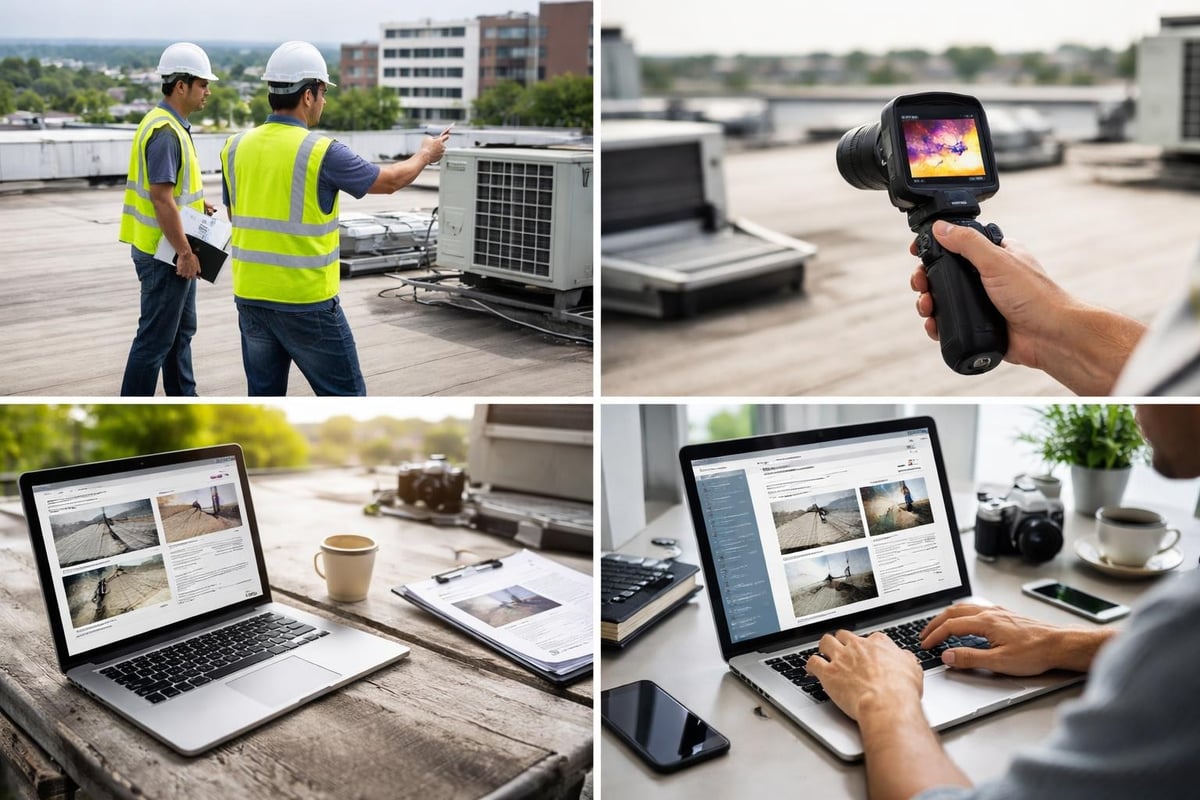
Professional roofing inspections examine multiple system elements to assess overall condition and remaining service life. Qualified inspectors document findings with photographs, thermal imaging data, and detailed condition reports.
Key inspection areas include:
Membrane integrity and seam condition
Flashing details around penetrations and perimeters
Drainage system functionality and ponding water
Fastener security and attachment adequacy
Insulation performance and moisture infiltration
Thermal imaging technology reveals hidden moisture trapped within roofing assemblies, preventing structural damage and mold growth. Infrared scans conducted during evening hours after sunny days provide the most accurate moisture detection results.
Seasonal Inspection Timing
Plano's climate demands strategic inspection scheduling to catch weather-related damage promptly. Spring inspections following hail season assess storm damage, while fall evaluations prepare roofing systems for winter weather.
Season
Inspection Focus
Critical Areas
Recommended Action
Spring
Hail damage assessment
Membranes, flashings
Document insurance claims
Summer
Heat stress evaluation
Seams, adhesives
Plan fall repairs
Fall
Winter preparation
Drainage, insulation
Complete preventive maintenance
Winter
Weather monitoring
Emergency access, ice dams
Maintain clear pathways
Commercial properties with sensitive operations like healthcare facilities benefit from quarterly inspections that minimize operational disruptions and maintain continuous protection.
Roof Coating Systems and Restoration Solutions
Roof coatings extend the service life of existing commercial roofing plano tx systems while improving energy efficiency and weatherproofing performance. These sustainable solutions often cost significantly less than complete replacement while delivering comparable protection.
Types of Commercial Roof Coatings
Modern coating technologies address specific performance requirements based on substrate material, environmental conditions, and operational needs. Elastomeric, silicone, and polyurethane coatings each offer distinct advantages.
Acrylic coatings provide excellent UV resistance and reflectivity at economical pricing. These water-based systems apply easily and dry quickly, minimizing business disruption during installation.
Silicone coatings excel in ponding water situations common on flat commercial roofs. Their superior water resistance and flexibility accommodate building movement without cracking or peeling.
Polyurethane coatings deliver exceptional impact resistance and abrasion protection for roofs experiencing foot traffic or equipment vibration. Two-component systems create extremely durable surfaces resistant to chemical exposure.
Restoration vs. Replacement Decision Factors
Determining whether to restore or replace a commercial roof requires careful analysis of multiple factors including current condition, budget constraints, and long-term facility plans.
Coating restoration makes economic sense when:
The existing substrate remains structurally sound
Less than 25% of the roof area shows significant damage
Budget limitations preclude complete replacement
Minimal operational disruption is essential
Energy efficiency improvements justify the investment
Complete replacement becomes necessary when structural decking has deteriorated, moisture has extensively damaged insulation, or the existing system no longer meets code requirements for the building's use classification.
Maintenance Programs for Commercial Properties
Proactive maintenance programs prevent minor issues from developing into catastrophic failures requiring emergency repairs. Scheduled maintenance activities preserve warranty coverage, extend roof lifespan, and protect valuable interior assets.
Creating Effective Maintenance Schedules
Customized maintenance programs address specific roofing system requirements and building operational needs. Healthcare facilities with critical 24/7 operations require different approaches than retail centers with seasonal peak periods.
Essential maintenance activities include:
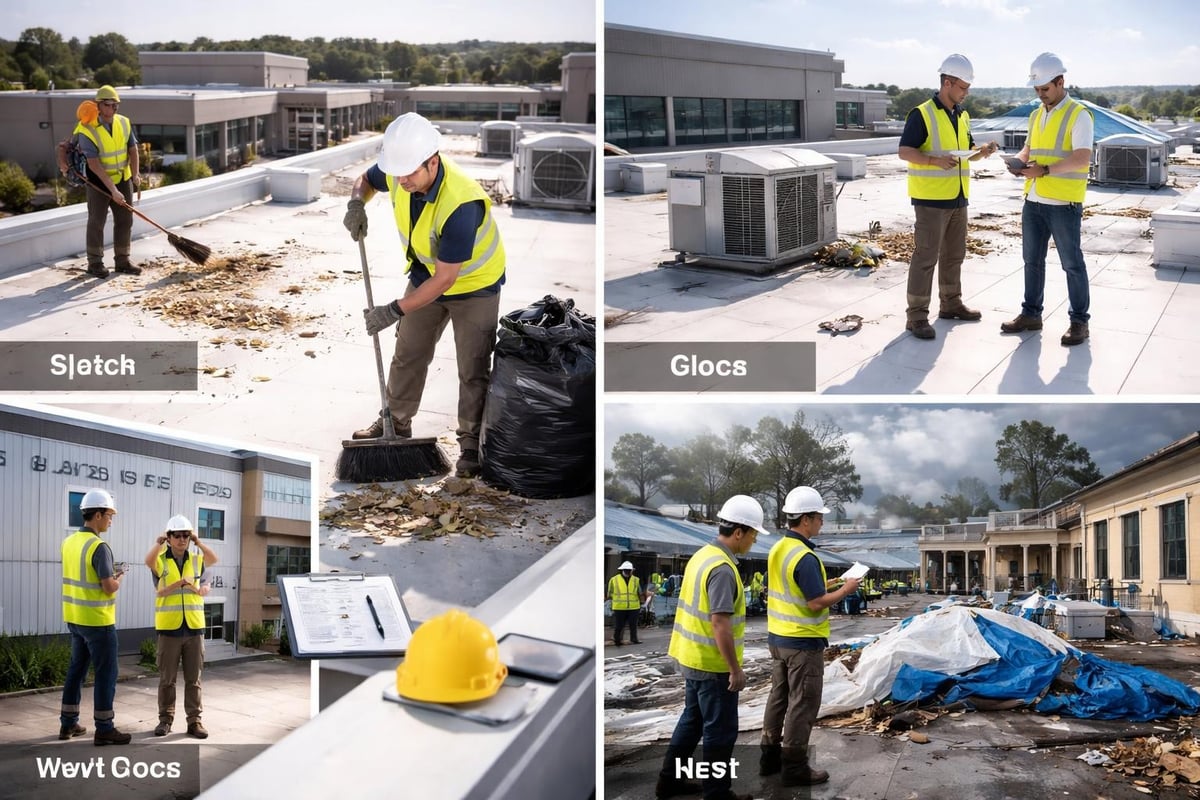
Quarterly debris removal from roof surfaces and drainage systems
Semiannual sealant inspection and reapplication where needed
Annual comprehensive condition assessment with photographic documentation
Post-storm emergency inspections following severe weather events
Immediate repairs of identified deficiencies to prevent water infiltration
Documentation protocols track all maintenance activities, creating historical records that support insurance claims and inform future capital planning decisions. Digital maintenance logs accessible through cloud platforms enable real-time communication between facility managers and roofing contractors.
Budget Planning for Roof Maintenance
Allocating appropriate resources for ongoing maintenance reduces total cost of ownership over the roof's service life. Industry guidelines suggest budgeting 1-2% of replacement cost annually for preventive maintenance activities.
Building Type
Annual Maintenance Budget
Priority Activities
Expected ROI
Healthcare
$2,500-$5,000 per 10,000 sq ft
Drainage, emergency access
5:1 cost savings
Retail
$1,500-$3,000 per 10,000 sq ft
Seasonal preparation
4:1 cost savings
Government
$2,000-$4,000 per 10,000 sq ft
Compliance documentation
6:1 cost savings
Reserve funds covering 20-25% of estimated replacement costs provide financial cushion for unexpected repairs while avoiding operational budget impacts during emergency situations.
Weather Considerations for North Texas Roofing
Plano's position in North Texas exposes commercial buildings to diverse weather challenges requiring specialized roofing solutions. Understanding regional climate patterns informs material selection and installation practices.
Hail Resistance and Impact Protection
The Dallas-Fort Worth metroplex experiences some of the nation's most severe hail activity, with significant storms occurring multiple times annually. Commercial roofing materials must withstand impact from hailstones exceeding two inches in diameter.
Impact resistance ratings classified by Underwriters Laboratories (UL 2218) range from Class 1 through Class 4, with Class 4 providing the highest protection. Metal roofing and impact-resistant membrane systems consistently earn top ratings while qualifying for insurance discounts.
Property owners should review their coverage with attention to actual cash value versus replacement cost provisions. Understanding Texas property insurance laws helps building owners navigate claims processes and protect their interests following storm damage.
Heat and UV Exposure Management
Summer temperatures in Plano regularly exceed 100°F, creating intense thermal stress on roofing systems. UV radiation degrades organic materials over time, requiring protective measures for long-term performance.
Cool roofing technologies incorporating high solar reflectance and thermal emittance reduce surface temperatures by 50-60°F compared to traditional dark-colored roofs. These systems lower cooling costs, extend material lifespan, and contribute to urban heat island mitigation.
Energy Star-rated roofing products meet strict reflectivity standards that deliver measurable utility savings. Commercial buildings can achieve 10-30% reductions in cooling energy consumption through strategic roof selection and proper insulation integration.
Industry-Specific Roofing Requirements
Different commercial sectors impose unique demands on roofing systems based on operational requirements, regulatory standards, and risk management priorities. Specialized solutions address these sector-specific needs.
Healthcare Facility Roofing Considerations
Hospitals, clinics, and medical office buildings require roofing systems that maintain sterile environments, support critical life-safety equipment, and ensure uninterrupted operations during all weather conditions.
Infection control protocols necessitate minimal interior disruption during roofing work. Phased installation schedules, negative air pressure containment, and after-hours work windows protect patient safety while completing necessary projects.
Backup power systems, emergency ventilation equipment, and rooftop HVAC units serving operating rooms demand reliable roof penetration details and structural support adequate for equipment loads plus maintenance access requirements.
Retail Center Roofing Solutions
Shopping centers, big-box retailers, and strip malls prioritize roofing systems that protect merchandise inventory while minimizing maintenance costs across large square footage. Aesthetic considerations vary by location and tenant mix.
Single-ply membrane systems offer cost-effective coverage for expansive roof areas typical of retail construction. White TPO membranes reduce cooling loads in conditioned spaces while maintaining clean appearances visible from multi-story surroundings.
Coordinating roofing work around peak shopping seasons prevents revenue losses and maintains positive customer experiences. Summer installations avoid holiday traffic periods, while fall projects complete before winter weather arrives.
Government Building Standards
Municipal facilities, federal offices, and public service buildings must comply with enhanced sustainability requirements, accessibility mandates, and procurement regulations governing contractor selection and material sourcing.
LEED certification goals often drive roofing decisions for government projects, favoring cool roofs, recycled content materials, and regionally manufactured products that earn points toward sustainability targets. Vegetative roof systems, solar panel integration, and rainwater harvesting capabilities align with environmental stewardship objectives.
Prevailing wage requirements, bonding specifications, and competitive bidding processes add complexity to government roofing projects. Contractors serving this sector must demonstrate financial stability, safety records, and technical qualifications through detailed prequalification procedures.
Selecting Qualified Roofing Contractors
Choosing competent roofing contractors protects commercial property investments and ensures project success. Thorough vetting processes evaluate technical capabilities, financial stability, and customer service commitment.
Essential Contractor Qualifications
Licensing and insurance verification should confirm:
Valid state contractor licenses appropriate for commercial work
General liability coverage with minimum $2 million aggregate limits
Workers compensation insurance protecting all field personnel
Manufacturer certifications for warranted installations
OSHA safety training documentation for supervisory staff
Reference checks with similar property types reveal contractor performance patterns regarding schedule adherence, communication quality, and problem-resolution approaches. Site visits to recent projects allow direct observation of workmanship quality and jobsite organization.
Warranty Coverage and Service Agreements
Comprehensive warranty programs protect roofing investments through both material and workmanship guarantees. Manufacturer warranties covering membrane materials typically range from 10-30 years, while contractor workmanship warranties span 2-10 years.
Extended warranties often require participation in manufacturer-approved contractor networks and adherence to specific installation protocols. These premium programs deliver enhanced coverage but command higher initial costs offset by long-term protection value.
Service agreements extending beyond warranty periods maintain contractor relationships and ensure rapid response when issues arise. Annual maintenance contracts bundled with priority emergency service provide peace of mind for mission-critical facilities.
Commercial property owners in Plano face complex decisions regarding roofing systems that protect valuable assets while controlling operational costs. By understanding regional weather challenges, regulatory requirements, and industry-specific needs, facility managers can make informed choices that deliver decades of reliable performance. GM Roofing Services specializes in commercial roofing solutions tailored for healthcare facilities, retail centers, and government buildings throughout the Plano area, offering comprehensive services from initial inspections through ongoing maintenance programs designed to maximize your roofing investment.
Learn why preventative electrical maintenance is critical for commercial buildings. Discover best practices, inspection schedules, and cost-saving benefits.