Discover efficient roofing strategies for commercial buildings. Learn how modern materials, design, and maintenance optimize performance and costs.
Commercial property owners and facility managers face mounting pressure to reduce operational costs while maintaining building performance. The roof represents one of the most significant investments in any commercial structure, yet it's often overlooked until problems emerge. Efficient roofing strategies combine advanced materials, thoughtful design, and proactive maintenance to deliver superior performance, extended lifespan, and substantial cost savings. Understanding how to optimize your roofing system goes beyond simple installation-it requires a comprehensive approach that considers energy efficiency, durability, and long-term value.
Understanding Modern Efficient Roofing Systems
Efficient roofing encompasses multiple dimensions of performance that work together to create optimal building protection. The concept extends far beyond basic weather resistance to include thermal performance, moisture management, structural integration, and environmental impact.
Key Performance Indicators
Commercial roofing efficiency should be measured across several critical metrics. Energy performance determines how effectively the roof regulates building temperature and reduces HVAC demands. Material durability indicates how long the system will perform without significant repairs or replacement. Installation quality affects both immediate functionality and long-term reliability. Maintenance requirements influence total ownership costs over the roof's lifespan.
Modern efficient roofing systems achieve superior results by optimizing each of these factors simultaneously rather than focusing on any single aspect.
Material Selection for Maximum Efficiency
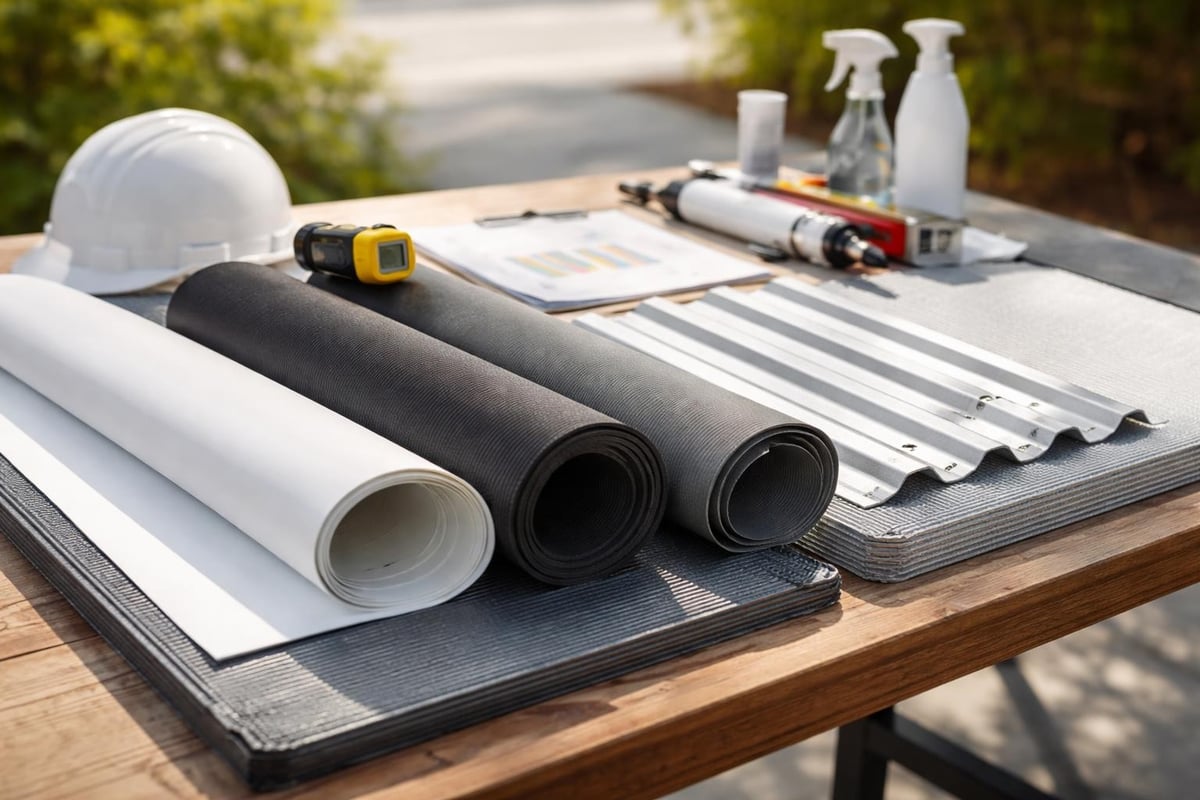
Choosing the right roofing material represents the foundation of any efficient roofing strategy. Different materials offer distinct advantages depending on building type, climate conditions, and operational requirements.
Commercial Roofing Material Comparison
Material Type
Energy Efficiency
Lifespan
Maintenance Needs
Best Applications
TPO Membrane
High reflectivity
20-30 years
Low
Retail, warehouses
EPDM Rubber
Moderate
25-35 years
Low to moderate
Healthcare, offices
Metal Roofing
Excellent with coatings
40-60 years
Very low
Government buildings
Built-Up Roofing
Good with reflective coating
15-25 years
Moderate
Industrial facilities
Roof Coatings
Extends existing roof efficiency
10-20 years
Low
Restoration projects
Metal roofing systems have gained significant traction in commercial applications due to their exceptional longevity and minimal maintenance requirements. Steel and aluminum panels withstand extreme weather conditions while reflecting solar radiation to reduce cooling costs. When combined with specialized coatings, metal roofs can achieve remarkable energy savings.
Single-ply membranes like TPO and EPDM offer excellent waterproofing capabilities with relatively straightforward installation processes. TPO membranes feature white reflective surfaces that reject solar heat, making them particularly effective in warm climates. These systems create seamless barriers against moisture infiltration while maintaining flexibility through temperature fluctuations.
Reflective and Cool Roofing Technologies
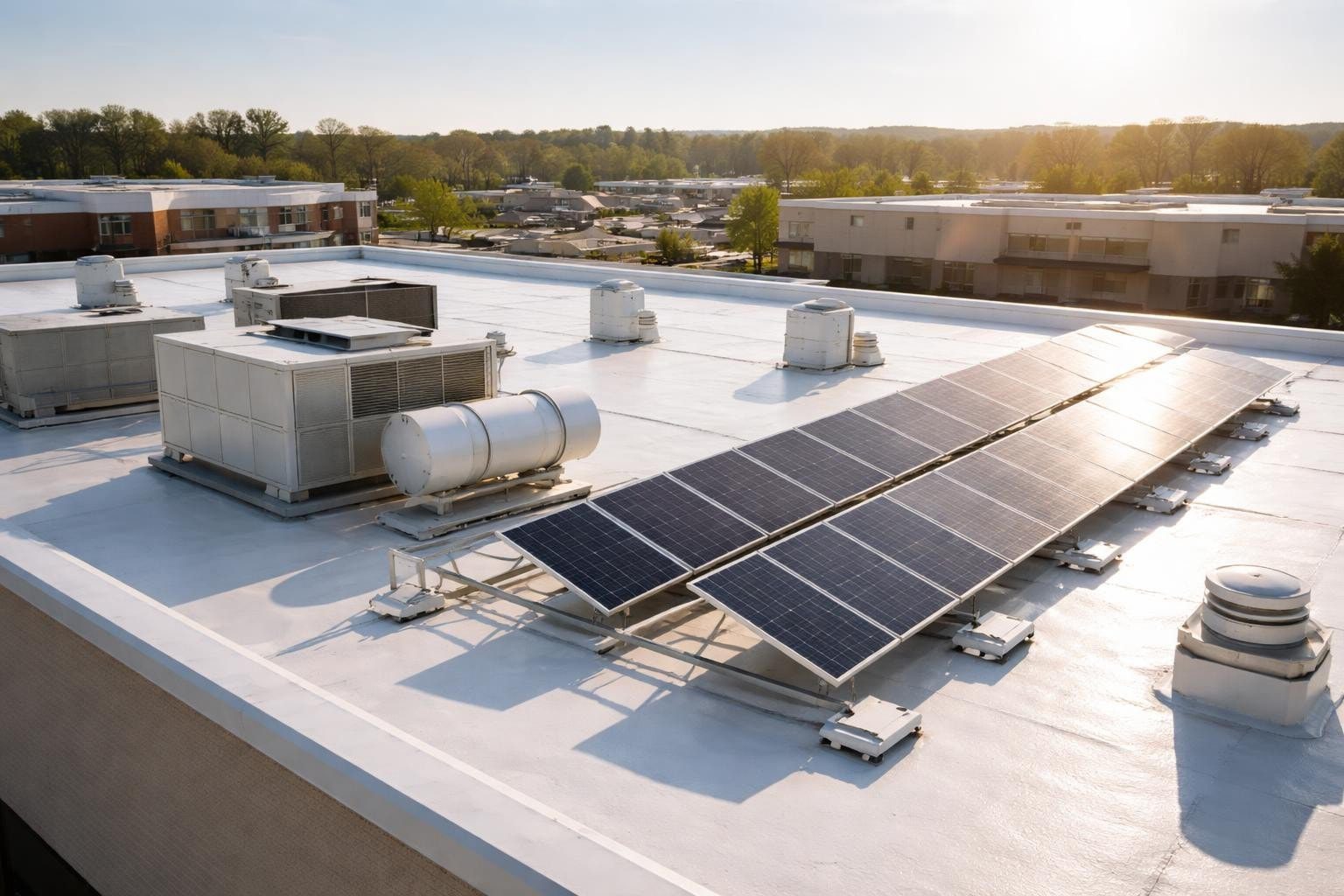
Reflective roofing materials have transformed commercial building efficiency by dramatically reducing heat absorption. Cool roof technology utilizes highly reflective surfaces that bounce solar radiation back into the atmosphere rather than transferring it into the building interior.
The Environmental Protection Agency’s green roof initiative demonstrates how advanced roofing strategies can reduce urban heat island effects while improving building performance. Cool roofs can lower surface temperatures by 50-60 degrees Fahrenheit compared to traditional dark roofing materials.
For commercial facilities in healthcare, retail, and government sectors, reflective coatings applied to existing roofs provide cost-effective efficiency upgrades. These coatings restore aging roof surfaces while adding reflective properties that reduce energy consumption by 10-30 percent during cooling seasons.
Design Strategies for Optimal Roof Performance
Efficient roofing begins long before material installation. Strategic design decisions establish the framework for long-term performance and efficiency.
Drainage and Water Management
Proper drainage represents the single most critical factor in roof longevity. Water accumulation leads to premature deterioration, structural damage, and interior leaks that compromise building operations.
Effective drainage systems include:
Adequate slope design (minimum 1/4 inch per foot for flat roofs)
Strategically positioned drains and scuppers
Secondary overflow protection
Regular drainage pathway inspections
Debris removal protocols
Flat roofing systems commonly used in commercial applications require particularly careful drainage planning. Even roofs described as "flat" must incorporate subtle slopes that guide water toward designated drainage points. Standing water that remains more than 48 hours after rainfall indicates drainage deficiencies that will accelerate roof degradation.
Insulation and Thermal Barriers
Thermal performance directly impacts building energy consumption and occupant comfort. Efficient roofing incorporates appropriate insulation levels that balance initial investment with long-term energy savings.
R-value requirements vary by climate zone and building type. Commercial buildings in northern climates typically require R-30 to R-60 insulation values, while southern facilities may use R-20 to R-30 depending on specific conditions. Healthcare facilities often demand higher insulation values to maintain precise temperature control for sensitive equipment and patient comfort.
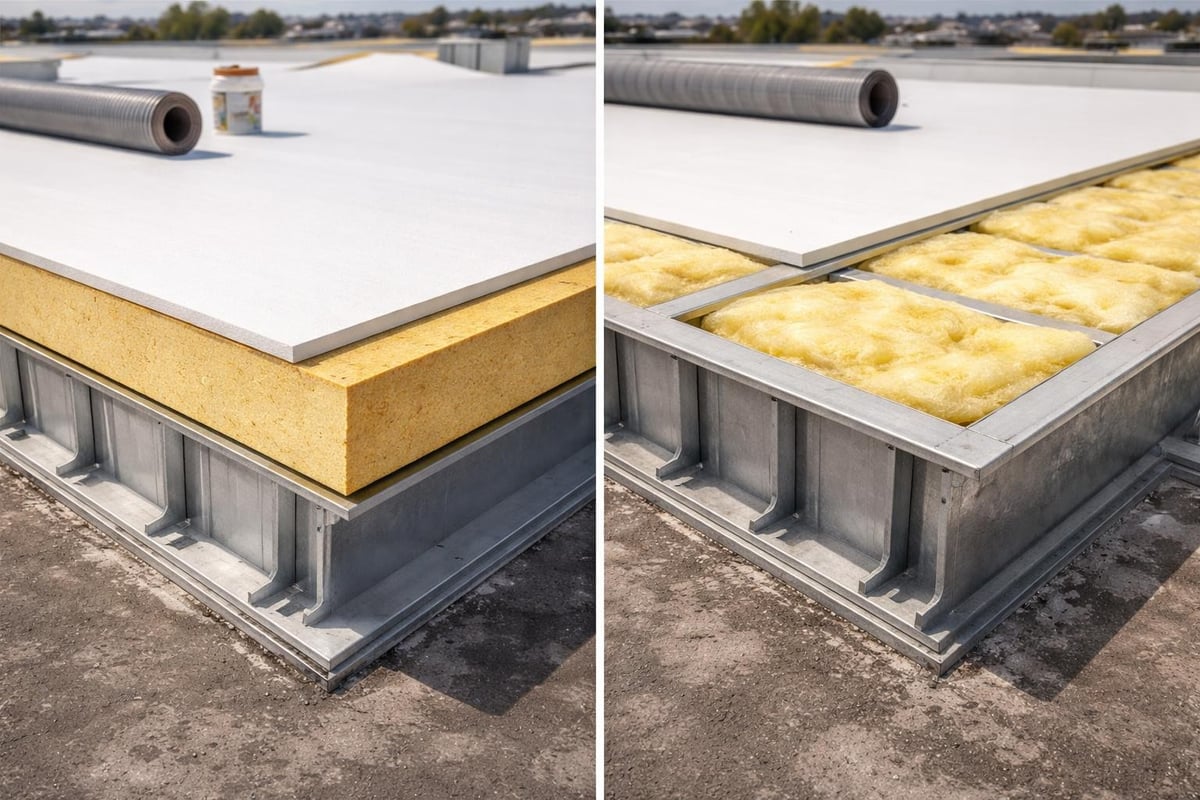
Continuous insulation installed above the roof deck eliminates thermal bridging that occurs through structural members. This approach creates uniform thermal barriers that prevent heat transfer and reduce condensation risks within the roof assembly.
Installation Excellence and Quality Control
Even premium materials fail to deliver efficient roofing outcomes without proper installation. Quality workmanship ensures that roofing systems perform as designed throughout their intended lifespan.
Professional Installation Standards
Commercial roofing installations follow manufacturer specifications and industry standards established by organizations like the National Roofing Contractors Association. Critical installation factors include:
Substrate preparation and condition assessment
Proper fastener placement and density
Seam integrity and waterproofing details
Flashing integration around penetrations
Edge securement and wind uplift resistance
Weather conditions during installation significantly affect material performance. Temperature ranges, humidity levels, and precipitation all influence adhesive bonding, membrane curing, and seam welding. Professional contractors schedule installations during optimal conditions and adjust techniques based on environmental factors.
Documentation and Warranty Protection
Comprehensive installation documentation protects building owners and ensures warranty validity. Detailed records should include material specifications, installation dates, weather conditions, substrate conditions, and quality control inspections.
Most commercial roofing warranties require professional installation by certified contractors. These warranties typically cover material defects and, in some cases, labor costs for repairs. Understanding warranty terms, exclusions, and maintenance requirements prevents coverage disputes when issues arise.
Proactive Maintenance Programs
Regular maintenance transforms roofing investments from reactive expenses into strategic assets. Proactive care extends roof lifespan, prevents costly emergency repairs, and maintains optimal efficiency throughout the system's service life.
Inspection Protocols and Frequency
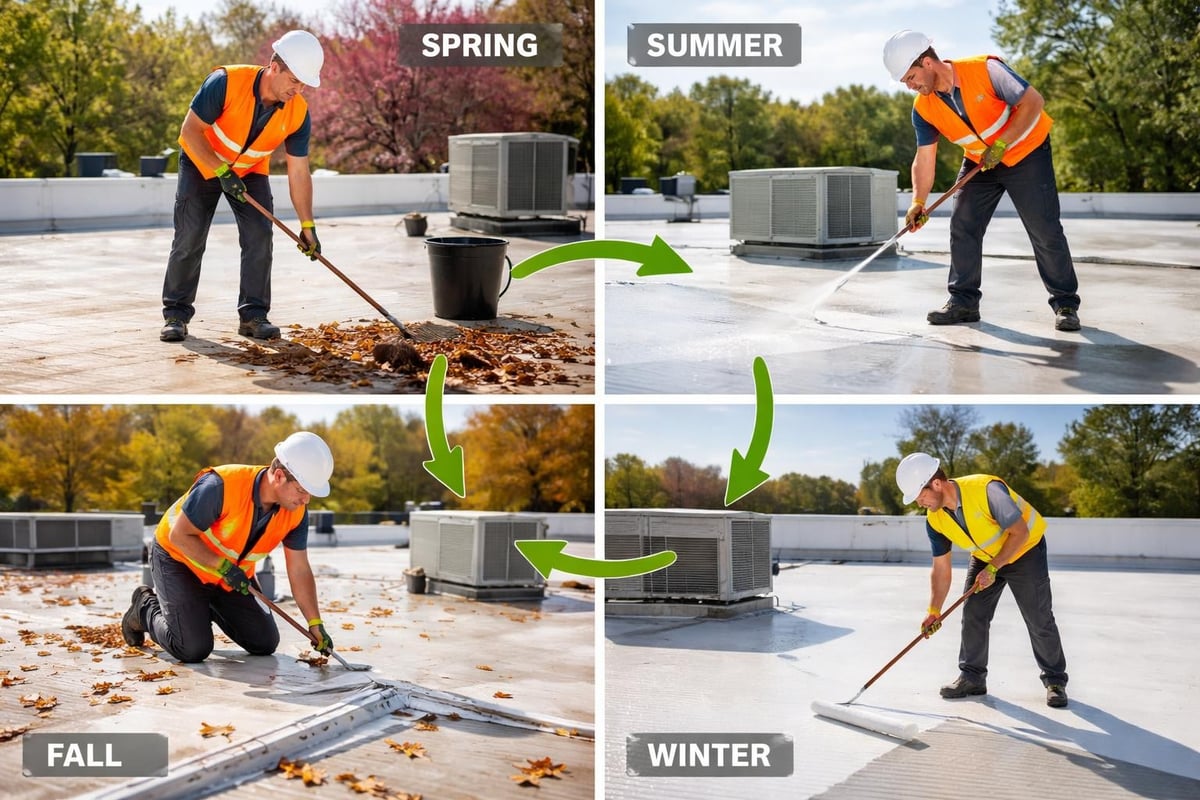
Scheduled roof inspections identify minor issues before they escalate into major problems. Commercial facilities should conduct comprehensive inspections at least twice annually, typically in spring and fall. Additional inspections following severe weather events help detect storm damage early.
Professional inspections examine:
Membrane condition and seam integrity
Flashing around penetrations and edges
Drainage system functionality
Fastener and attachment security
Insulation compression or moisture
Coating condition and coverage
Thermal imaging technology reveals hidden moisture within roof assemblies that visual inspections cannot detect. These non-invasive assessments identify wet insulation and substrate damage before interior leaks develop.
Preventive Maintenance Tasks
Maintenance Activity
Frequency
Impact on Efficiency
Typical Cost Range
Debris removal
Quarterly
High (drainage)
$200-$500
Drain cleaning
Bi-annually
Critical (water management)
$300-$800
Sealant inspection
Annually
Moderate (leak prevention)
$400-$1,000
Minor repairs
As needed
High (prevents escalation)
$500-$3,000
Coating renewal
Every 5-10 years
Very high (extends life)
$2-$5 per sq ft
Small investments in preventive maintenance deliver exponential returns through extended roof life and avoided emergency repairs. A $500 quarterly maintenance visit prevents $50,000 roof failures that disrupt business operations.
Energy Efficiency and Operational Cost Reduction
Efficient roofing directly reduces building operational expenses through decreased energy consumption. The roof's role in building thermal performance cannot be overstated-it represents the largest surface area exposed to solar radiation and atmospheric conditions.
Quantifying Energy Savings
Cool roofing systems reduce air conditioning costs by 10-30 percent in commercial buildings located in warm climates. A 50,000 square foot retail facility spending $40,000 annually on cooling could save $4,000-$12,000 each year with reflective roofing materials.
Energy savings result from:
Reduced solar heat gain through reflective surfaces
Improved insulation reducing thermal transfer
Decreased HVAC runtime and maintenance
Lower peak demand charges during summer months
Extended equipment lifespan from reduced cooling loads
Government buildings and healthcare facilities often achieve faster payback periods on efficient roofing investments due to high occupancy rates and continuous operations. These facilities cannot tolerate temperature fluctuations that compromise operations or occupant comfort.
Lifecycle Cost Analysis
Initial material costs represent only a fraction of total roofing expenses over a building's lifetime. Lifecycle cost analysis considers installation costs, maintenance requirements, energy impacts, expected lifespan, and replacement timing to determine true economic efficiency.
A $100,000 metal roof lasting 50 years with minimal maintenance delivers superior value compared to a $60,000 built-up roof requiring replacement after 20 years. When energy savings and maintenance costs factor into the analysis, efficient roofing systems consistently outperform cheaper alternatives.
Sustainability and Environmental Considerations
Modern efficient roofing strategies align with corporate sustainability goals and environmental stewardship initiatives. Green building certifications like LEED recognize roofing systems that minimize environmental impact while maximizing performance.
Sustainable Material Selection
Recycled content, recyclability at end-of-life, and manufacturing processes all contribute to roofing material sustainability. Metal roofing contains 25-95 percent recycled content and remains completely recyclable when removed. TPO membranes can be recycled into new roofing products rather than filling landfills.
Installing cool roofs to reduce urban heat islands
Implementing roof coating restoration instead of tear-off replacement
Designing for disassembly and material recovery
Green roofing systems featuring vegetation layers provide additional environmental benefits including stormwater management, improved air quality, and habitat creation. While less common in traditional commercial applications, extensive green roofs work well for government buildings, healthcare campuses, and retail centers with appropriate structural capacity.
Specialized Applications for Different Industries
Different commercial sectors have unique roofing requirements based on operational needs, regulatory compliance, and building characteristics. Efficient roofing strategies must address these specific demands.
Healthcare Facility Roofing
Hospitals and medical centers require roofing systems that maintain sterile environments, support critical equipment, and operate without interruption. Healthcare roofing priorities include:
Noise reduction during installation and maintenance
Accommodation of numerous roof penetrations (HVAC, medical gas, etc.)
Resistance to chemical exposure from exhaust systems
Strict maintenance scheduling around patient care
Enhanced insulation for temperature-sensitive areas
Healthcare facilities benefit from roof coatings applied during scheduled maintenance windows that minimize disruption. These restoration approaches extend roof life without the noise, debris, and access restrictions associated with complete replacements.
Retail and Big-Box Store Requirements
Large retail facilities feature expansive roof areas with minimal penetrations, making them ideal candidates for single-ply membrane systems and metal roofing. Reflective white membranes reduce cooling costs while creating bright, uniform shopping environments through skylights and translucent panels.
Retail roofing must accommodate:
Large uninterrupted roof spans
Seasonal temperature extremes
Significant HVAC loads from lighting and occupancy
Fast installation during construction schedules
Long-term performance with minimal maintenance
Government Building Standards
Government facilities often require compliance with specific standards including Buy American provisions, prevailing wage requirements, and energy efficiency mandates. Federal buildings must meet stringent performance criteria for durability, security, and sustainability.
Government roofing projects typically specify products meeting or exceeding industry standards with proven track records. Warranty requirements, contractor qualifications, and documentation standards exceed typical commercial projects. Efficient roofing systems for government applications emphasize long-term value over initial cost savings.
Technology Integration and Smart Roofing
Emerging technologies transform roofs from passive building elements into active systems that monitor performance, detect problems, and optimize efficiency. Smart roofing integrates sensors, data analytics, and automated systems.
Monitoring Systems and Sensors
Moisture detection sensors embedded within roofing assemblies identify leaks at their source before water reaches building interiors. These systems alert facility managers to specific problem locations, enabling targeted repairs rather than expensive investigations.
Temperature monitoring tracks roof surface temperatures, insulation performance, and heat transfer patterns. This data helps identify insulation deficiencies, thermal bridging, and opportunities for efficiency improvements.
Energy monitoring systems measure actual roofing performance against predicted values, validating energy savings and identifying underperforming areas. Advanced building management systems integrate roofing data with HVAC controls to optimize overall building performance.
Predictive Maintenance Applications
Artificial intelligence analyzes inspection data, weather patterns, and material age to predict maintenance needs before failures occur. These predictive models help facility managers budget for repairs, schedule maintenance during optimal windows, and extend roof lifespan through timely interventions.
Drone technology enables frequent, cost-effective roof inspections without physical access. High-resolution imagery documents roof conditions over time, creating baseline comparisons that reveal degradation patterns and maintenance effectiveness.
Regulatory Compliance and Building Codes
Efficient roofing must satisfy building codes, energy standards, and local regulations that govern commercial construction. Understanding these requirements ensures compliant installations that avoid costly corrections.
Energy Code Requirements
The International Energy Conservation Code (IECC) establishes minimum insulation values and reflective requirements for commercial roofs based on climate zones. Most jurisdictions adopt IECC provisions with local amendments addressing regional conditions.
Above-code programs like ASHRAE 90.1 and California Title 24 establish higher performance standards that influence mainstream commercial construction. These voluntary programs drive innovation in efficient roofing materials and techniques that eventually become standard practice.
Fire Ratings and Safety Standards
Commercial roofing systems must achieve specific fire ratings based on building type, occupancy, and location. Class A fire ratings indicate the highest resistance to flame spread and fire penetration. Underwriters Laboratories (UL) testing certifies roofing assemblies for wind uplift resistance, hail impact, and fire performance.
Insurance companies often require specific certifications and maintenance documentation as conditions for coverage. Failure to maintain roofs according to manufacturer specifications can void insurance policies and create liability exposure.
Efficient roofing combines strategic material selection, expert installation, and proactive maintenance to deliver superior performance while reducing operational costs. Commercial property owners who invest in comprehensive roofing strategies protect their assets, enhance sustainability, and optimize long-term value. GM Roofing Services specializes in designing and implementing efficient roofing solutions tailored to healthcare, retail, and government facilities throughout the commercial sector. Contact our team today to schedule a comprehensive roof assessment and discover how modern roofing strategies can transform your building's performance and reduce ownership costs.
Learn why preventative electrical maintenance is critical for commercial buildings. Discover best practices, inspection schedules, and cost-saving benefits.