Commercial Roofing Installation Process Guide 2026
Learn the comprehensive roofing installation process for commercial buildings. Expert insights on preparation, materials, safety standards, and quality control.
Understanding the roofing installation process is critical for commercial property managers, facility directors, and business owners who need to ensure their buildings receive durable, compliant roofing systems. The process involves multiple stages, each requiring specialized expertise, proper materials, and strict adherence to manufacturer specifications and building codes. Whether you're overseeing a healthcare facility, retail complex, or government building, knowing what to expect during installation helps you make informed decisions and ensures your investment delivers long-term protection.
Pre-Installation Assessment and Planning
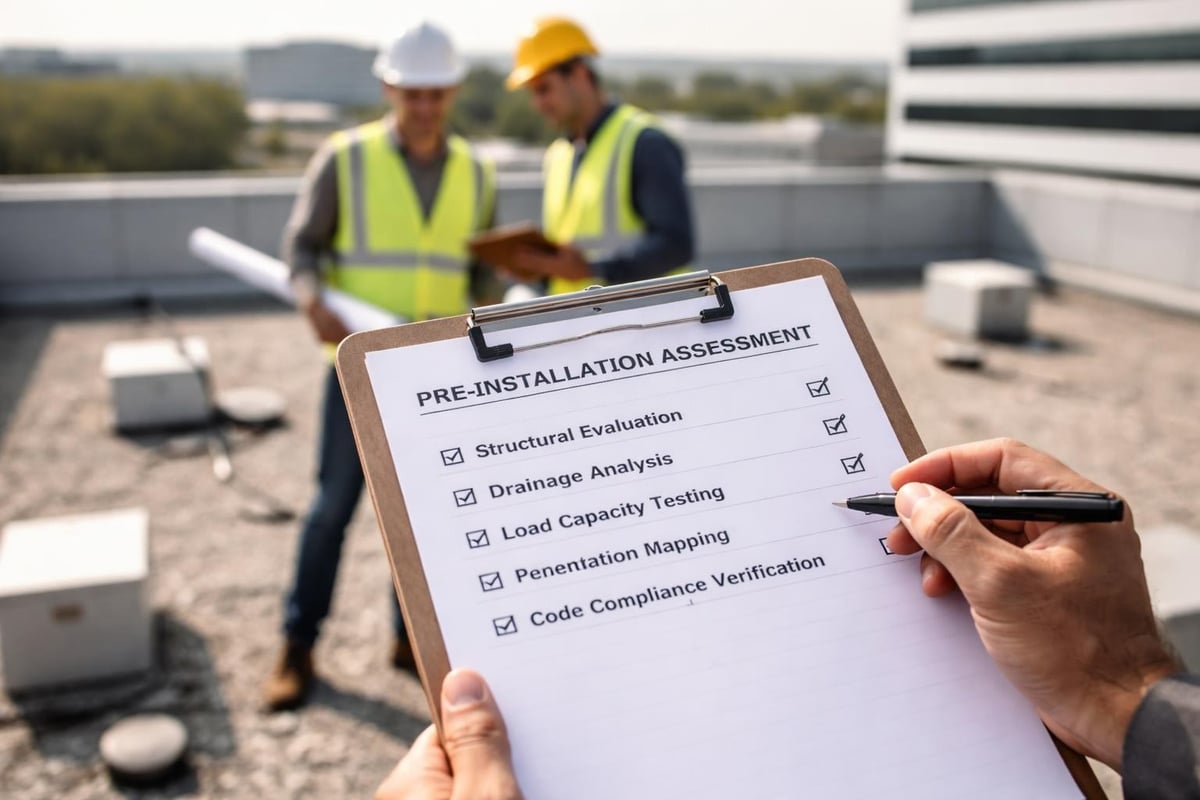
The roofing installation process begins well before any materials arrive on site. A comprehensive pre-installation assessment forms the foundation for successful project execution.
Initial Roof Inspection
Professional roofing contractors conduct thorough inspections to evaluate the existing structure. This examination identifies structural integrity issues, drainage problems, and potential complications that could affect the installation. Inspectors assess load-bearing capacity, particularly important for commercial buildings where HVAC equipment and other mechanical systems add significant weight.
Key inspection elements include:
Structural decking condition and stability
Existing insulation assessment
Drainage system functionality
Penetration points for vents and equipment
Building code compliance requirements
The inspection phase also determines whether a complete tear-off is necessary or if an overlay system is viable. This decision significantly impacts project timeline, cost, and the overall roofing installation process.
Material Selection and Specification
Commercial roofing demands materials specifically engineered for larger surfaces and business-critical performance. Roofing manufacturer requirements vary significantly across products, making proper specification essential for warranty coverage.
Material choices for commercial applications typically include:
The selection process considers climate conditions, building use, budget constraints, and long-term maintenance requirements. Working with experienced contractors ensures material specifications align with building performance needs.
Site Preparation and Safety Protocols
Before installation work begins, establishing proper site preparation and safety measures protects both workers and building occupants.
Securing the Work Area
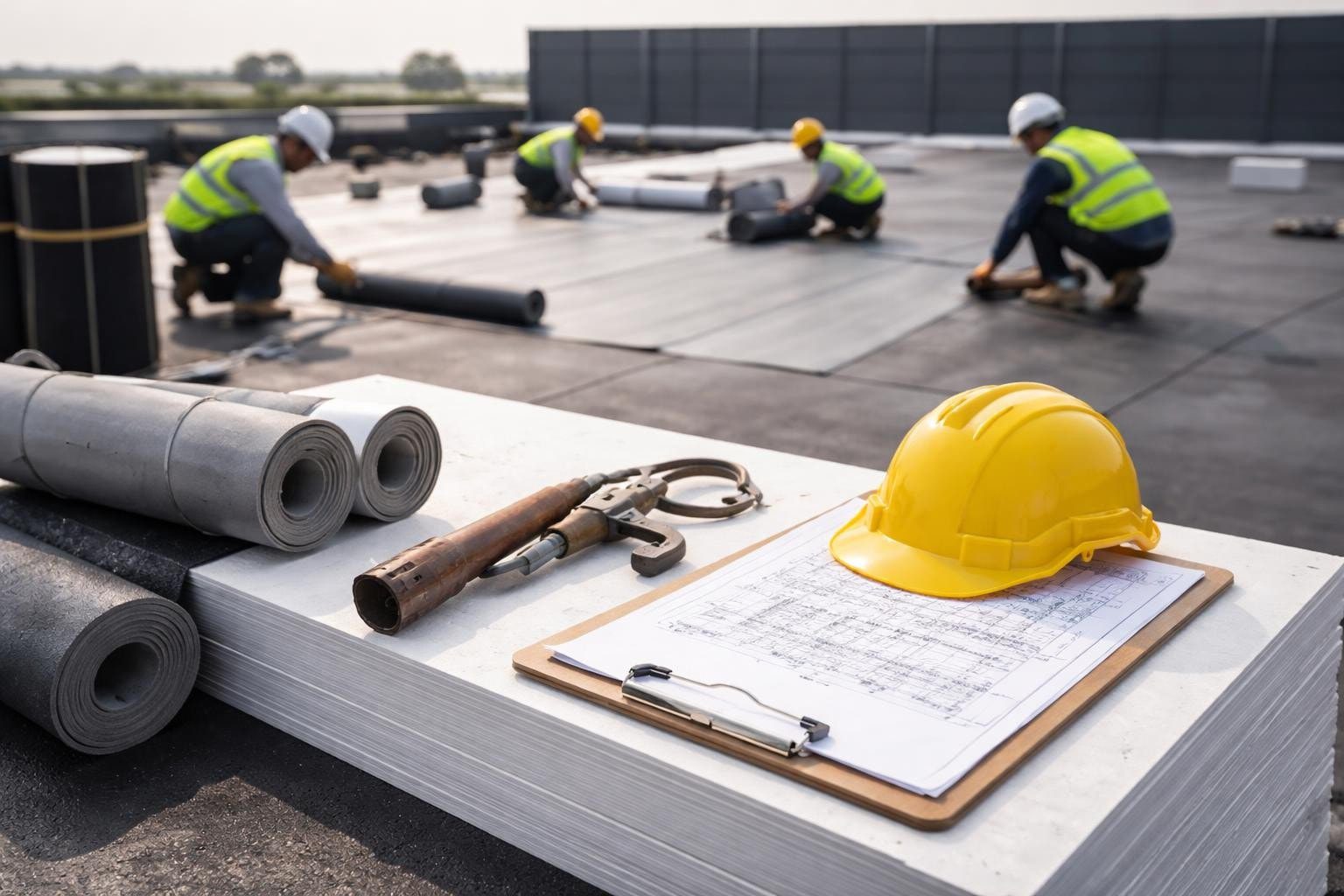
Commercial roofing projects require extensive site preparation. Contractors establish safety perimeters around the building, protecting pedestrian areas and parking zones from falling debris. For occupied buildings like healthcare facilities or retail centers, maintaining business continuity during the roofing installation process demands careful planning.
Efficient material staging streamlines the installation process. Contractors coordinate deliveries to minimize disruption while ensuring materials remain accessible. Large commercial projects may require crane services to lift materials onto the roof, particularly for multi-story buildings.
Proper staging prevents material damage and workflow interruptions. Weather protection for materials, organized tool placement, and clear work zones all contribute to installation efficiency.
Tear-Off and Deck Preparation
The removal phase sets the stage for quality installation. This critical step in the roofing installation process reveals hidden issues and ensures a clean substrate for new materials.
Systematic Material Removal
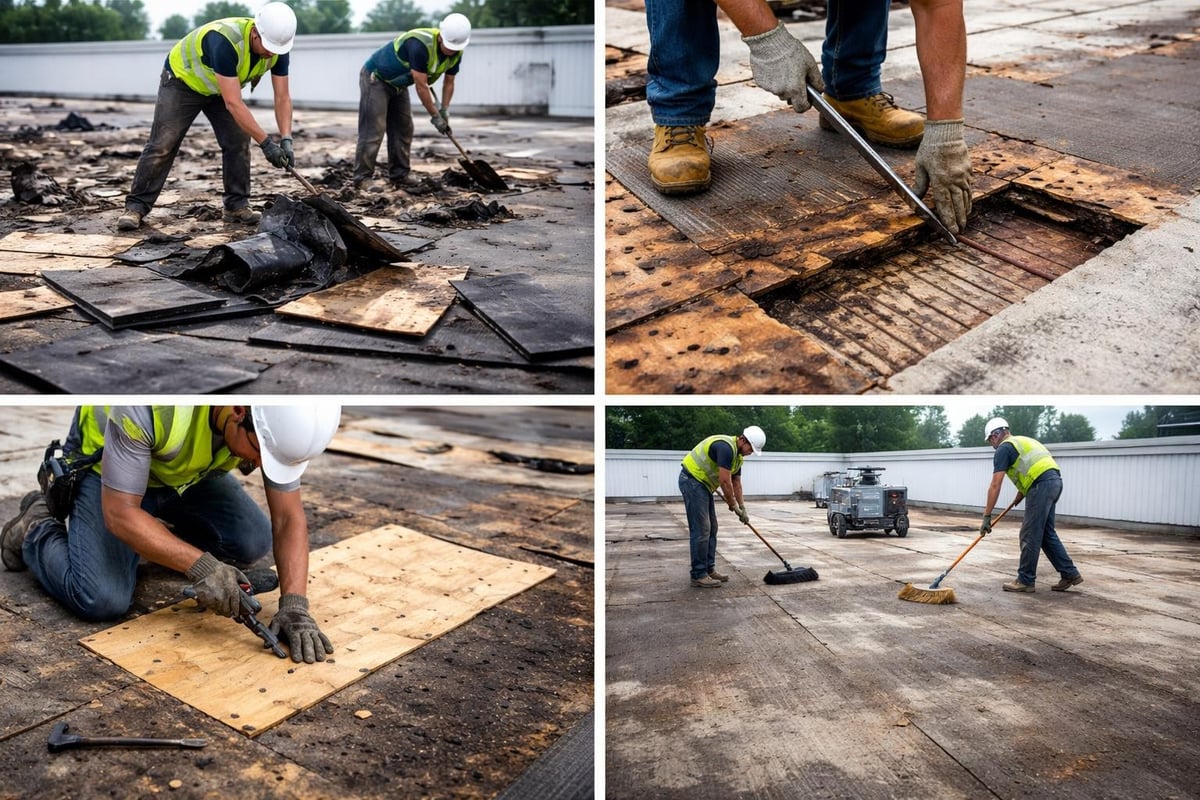
Professional contractors remove existing roofing materials systematically, working in manageable sections. This approach allows for immediate deck inspection and temporary weather protection if needed. Tear-off crews dispose of old materials responsibly, often recycling metal components and properly handling materials that may contain asbestos or other regulated substances.
The removal process exposes the roof deck, enabling contractors to:
Identify and replace damaged decking
Assess insulation condition
Verify proper slope and drainage
Check fastener patterns and spacing
Document pre-existing conditions
Deck Repair and Enhancement
Once exposed, deck surfaces receive necessary repairs. Wood decking may require board replacement, while concrete decks might need crack sealing or surface preparation. This phase ensures structural soundness before new materials are installed.
Contractors verify deck attachment meets current building codes. Inadequate fastening represents a common failure point during severe weather events. Upgrading fastener patterns during the roofing installation process provides enhanced wind resistance, particularly important for coastal commercial properties.
Installation of Roofing Layers
The actual installation follows a precise sequence, with each layer serving specific protective and performance functions.
Underlayment and Moisture Barriers
The first installed component, underlayment provides critical moisture protection. Commercial applications typically use synthetic underlayment or specialty products designed for low-slope applications. Proper underlayment installation includes:
Strategic overlap patterns
Proper fastening density
Seam sealing where required
Integration with flashing systems
Penetration detailing
Modern underlayment products offer superior tear resistance and weather protection compared to traditional felt papers. The roofing installation process depends on this layer performing correctly, as it represents the building's last line of defense against water infiltration.
Insulation Installation
Commercial roofing systems incorporate insulation for energy efficiency and code compliance. Insulation type and thickness depend on climate zone requirements and building energy goals.
Common commercial insulation options:
Polyisocyanurate boards (polyiso)
Expanded polystyrene (EPS)
Extruded polystyrene (XPS)
High-density fiberboard
Proper insulation installation requires attention to board layout, fastening patterns, and joint staggering. Professional roof installation services emphasize precision during this phase, as insulation performance directly impacts energy costs.
Primary Roofing Material Application
The final weather-protective layer installation varies significantly by system type. TPO and EPDM membranes require heat-welded or adhesive-bonded seams. Modified bitumen uses torch application or cold adhesives. Metal roofing demands precision panel alignment and specialized fastening.
Each system follows manufacturer-specific installation requirements. Deviation from these specifications voids warranties and compromises performance. Experienced installers understand that the roofing installation process succeeds only when every detail meets established standards.
Flashing and Penetration Details
Proper flashing installation prevents the majority of commercial roof leaks. This critical phase demands exceptional skill and attention to detail.
Edge and Parapet Flashing
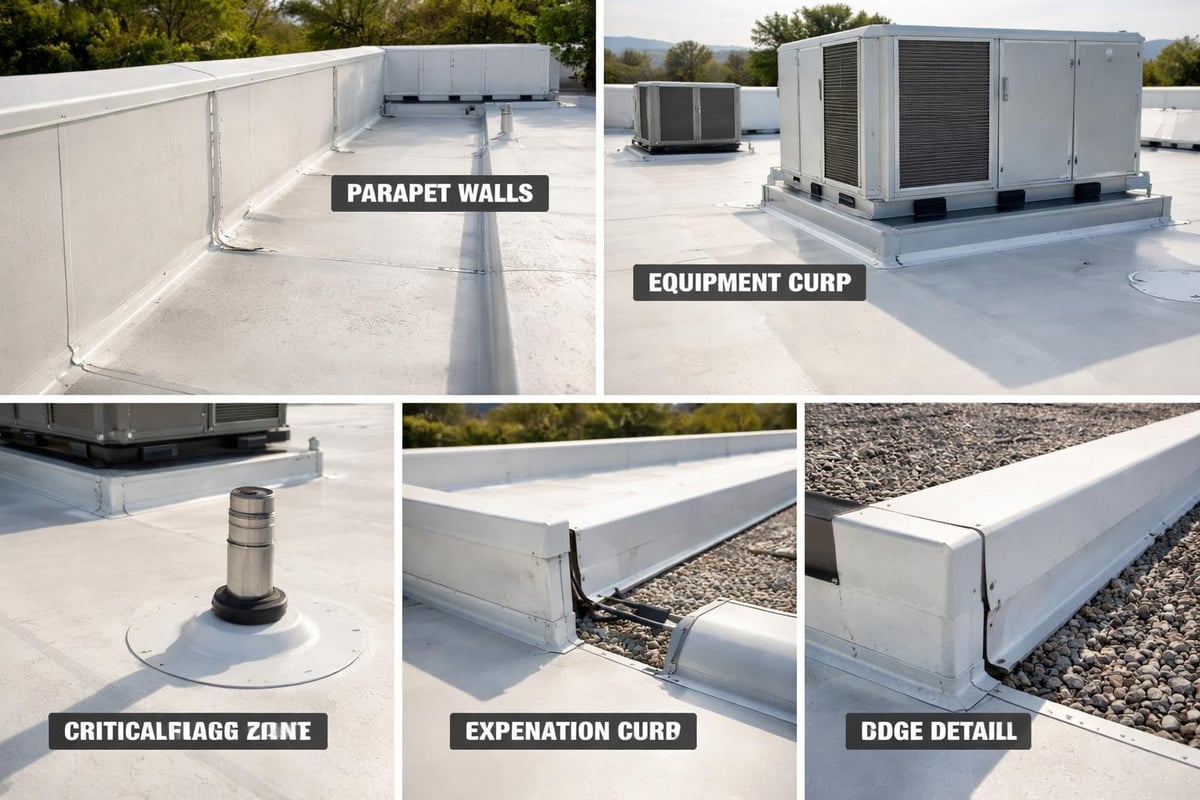
Roof perimeters receive specialized flashing that transitions the roofing membrane to vertical surfaces. Edge metal protects roof edges while providing aesthetic finish. Parapet walls require counterflashing that integrates with wall assemblies and accommodates building movement.
Quality flashing installation includes:
Proper fastening without membrane damage
Adequate overlap at joints
Sealant application at critical points
Integration with drainage components
Accommodation for thermal movement
Equipment and Penetration Sealing
Commercial roofs feature numerous penetrations for HVAC equipment, plumbing vents, electrical conduits, and exhaust systems. Each penetration represents a potential leak point requiring careful detailing.
Professional contractors fabricate custom flashing for irregular penetrations. Pre-manufactured boots and flashings serve standard pipe sizes. The integration of these details into the roofing installation process requires experience with various system types and building configurations.
Quality Control and Inspection
Verification processes ensure installation quality and code compliance throughout the project.
Ongoing Installation Monitoring
Reputable contractors implement quality control checkpoints during installation. Supervisors verify material application, fastener patterns, and detail work. Selecting a professional roofing contractor with established quality programs provides assurance that work meets industry standards.
Documentation during installation includes:
Inspection Point
Documentation Required
Responsible Party
Deck condition
Photos, repair notes
Site supervisor
Underlayment
Coverage verification
Installation crew lead
Insulation
R-value confirmation
Project manager
Membrane application
Seam testing records
Quality control inspector
Flashing details
Detail photographs
Lead installer
Third-Party Verification
Many commercial projects require third-party inspection to verify code compliance and warranty eligibility. Building departments conduct inspections at specific phases. Manufacturers may send representatives to verify their products are installed correctly, particularly for projects seeking extended warranties.
The roofing installation process benefits from multiple inspection points. Early detection of issues allows immediate correction, preventing costly callbacks and performance problems.
Testing and Performance Verification
After installation completes, various tests confirm system integrity and readiness for service.
Water Testing Procedures
Controlled water testing identifies potential leak points before the contractor leaves the site. Methods include:
Flood testing for flat areas
Spray testing for vertical transitions
Nuclear moisture scanning for trapped moisture
Infrared thermography for insulation defects
These non-invasive tests provide confidence that the roofing installation process delivered a watertight assembly. Documentation of test results provides baseline data for future maintenance programs.
System Performance Documentation
Comprehensive project closeout includes warranty documentation, maintenance recommendations, and as-built drawings. These materials guide future maintenance and help facility managers understand their roofing system.
Property owners receive:
Manufacturer material warranties
Contractor workmanship guarantees
Maintenance schedule recommendations
Emergency contact information
Detailed installation photographs
Post-Installation Maintenance Planning
Successful roofing installation process completion marks the beginning of the roof's service life. Establishing maintenance protocols protects the investment and maximizes system longevity.
Initial Break-In Period
New roofing systems benefit from early inspections to verify performance during initial weather exposure. Contractors schedule follow-up visits to check fastener tightness, sealant adhesion, and overall system condition. This proactive approach identifies minor issues before they escalate.
Long-Term Maintenance Programs
Commercial roofs require regular maintenance to achieve expected service life. GM Roofing Services and similar contractors offer customized maintenance programs that include:
Semi-annual inspections
Drainage system cleaning
Minor repair services
Performance documentation
Budget planning for future needs
Maintenance programs prevent small issues from becoming major problems. Regular attention extends roof life and maintains warranty coverage, which often requires documented maintenance compliance.
Record Keeping and Asset Management
Maintaining detailed records throughout the roofing installation process and subsequent service life enables informed decision-making. Digital asset management systems track inspection findings, repair history, and performance trends. This data supports capital planning and helps predict when roof replacement or restoration becomes necessary.
Facility managers who maintain comprehensive roof records can demonstrate due diligence, support insurance claims when needed, and make data-driven decisions about repair versus replacement questions.
Specialized Considerations for Commercial Applications
Commercial roofing installation differs from residential work in scale, complexity, and performance requirements.
Industry-Specific Requirements
Healthcare facilities require infection control protocols during installation. Retail centers demand work scheduling that minimizes customer disruption. Government buildings may have security requirements affecting contractor access and procedures. Understanding these nuances ensures the roofing installation process accommodates business-critical needs.
Building Occupancy Coordination
Occupied building projects require extensive coordination. Noise mitigation, odor control, and dust containment protect occupants while allowing installation to proceed. Contractors develop phased schedules that complete work in sections, maintaining building functionality throughout the project.
Communication protocols keep building managers informed of daily activities, potential disruptions, and weather delays. This transparency helps manage occupant expectations and maintains positive relationships during what can be a disruptive process.
Warranty and Certification Programs
Commercial roofing investments benefit from comprehensive warranty coverage. Manufacturer system warranties provide extended coverage when installation follows exact specifications. Contractors must maintain certifications with manufacturers to offer these premium warranties, ensuring installers receive ongoing training on current best practices.
Understanding roofing installation methodologies helps property owners evaluate contractor capabilities and installation approaches. The roofing installation process quality directly impacts warranty eligibility and long-term system performance.
The roofing installation process for commercial buildings demands expertise, precision, and comprehensive planning from initial assessment through final inspection and beyond. Understanding each phase helps property managers make informed decisions and ensures projects deliver lasting protection. GM Roofing Services specializes in commercial roofing installations across healthcare, retail, and government sectors, offering the experience and capabilities necessary to execute complex projects while minimizing disruption to your operations. Contact us today to discuss your commercial roofing needs and learn how our systematic approach delivers superior results.
Learn why preventative electrical maintenance is critical for commercial buildings. Discover best practices, inspection schedules, and cost-saving benefits.