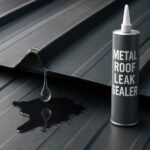
Quick Roof Leak Repair Guide: Fast Solutions for 2026
Discover quick roof leak repair solutions for 2026 with our expert guide Learn how to identify leaks apply fast fixes and prevent costly damage to your property
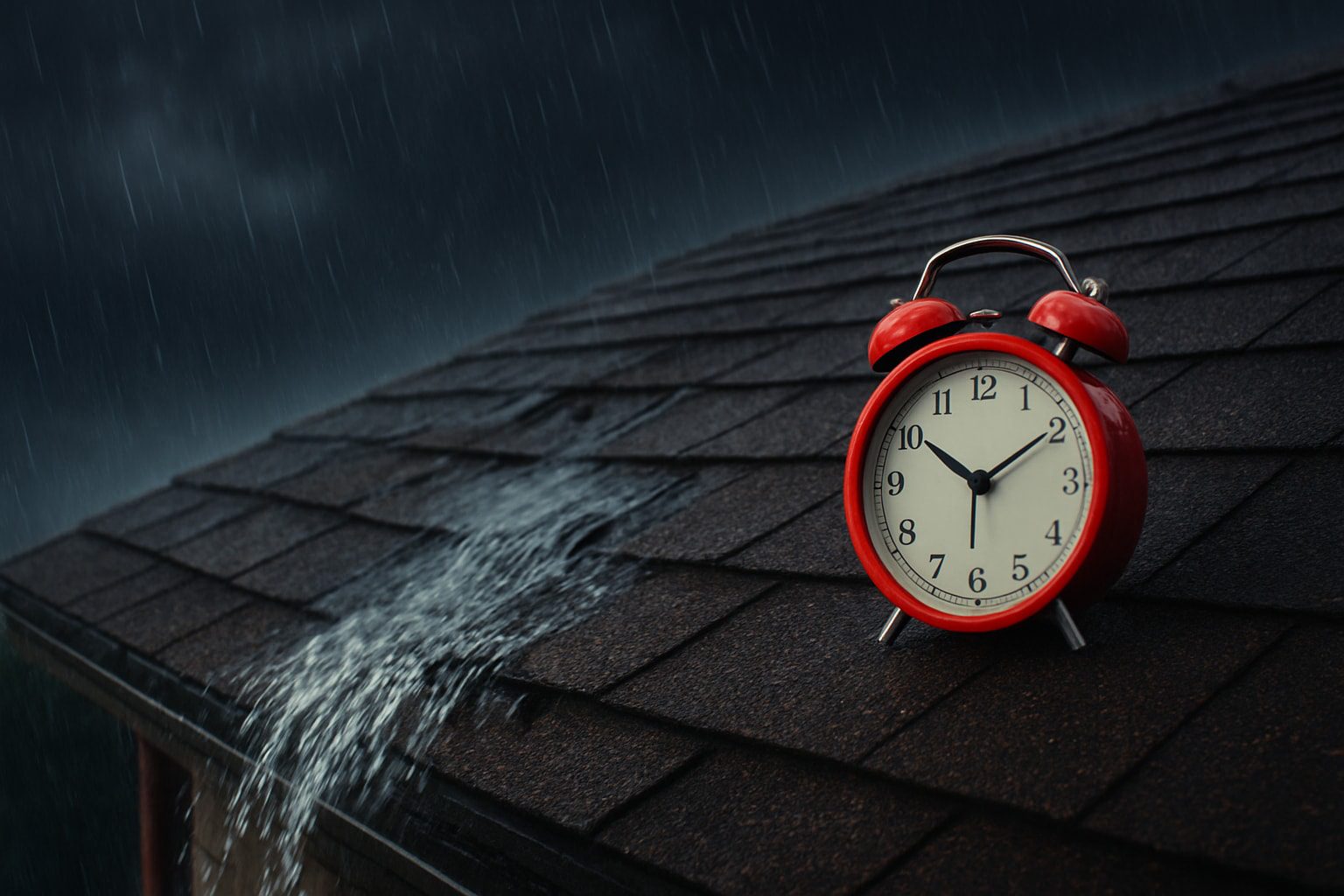
A sudden roof leak can turn a calm day into a crisis, especially during storms or heavy rainfall. Water intrusion puts your interiors, equipment, and even property value at risk within minutes. The pressure to act quickly is real.
Fortunately, quick roof leak repair can save you from expensive damage and long-term headaches. Whether you own a home or manage a commercial property, having fast, effective solutions is essential, especially with the advanced roofing materials and climate challenges of 2026.
This guide delivers a comprehensive approach to diagnosing and fixing leaks fast. You will learn how to spot hidden problems, choose the right tools, make repairs, and decide when to call in a professional. Follow the steps ahead for immediate, reliable results.
Understanding Roof Leaks in 2026: Causes & Risks
Sudden roof leaks can disrupt any home or business, making quick roof leak repair a top priority. The landscape of roofing is rapidly evolving, and understanding the modern causes and risks is essential for effective action. In this section, we break down the most common culprits, the dangers of ignoring leaks, how to spot hidden trouble, and why climate matters more than ever for roof maintenance.
Common Causes of Roof Leaks in Modern Roofs
Roofs in 2026 use advanced materials, but leaks remain a concern. The most frequent causes include storm damage, aging membranes, poor installation, clogged drainage systems, and flashing failures. With the rise of eco-friendly membranes and solar tiles, new vulnerabilities have emerged. For example, solar panel installations can create leak points if not properly sealed.
Industry surveys reveal that 70% of commercial roof leaks result from failed flashing or membrane seams. Notably, improper installation of solar-integrated systems is now a leading cause for quick roof leak repair. To further understand these trends, check the Common Causes of Roof Leaks for a detailed breakdown of leak sources. Staying aware of these modern risks is crucial for quick roof leak repair in both residential and commercial settings.
Risks of Ignoring a Roof Leak
Ignoring a leak is never an option. Water intrusion leads to mold growth, which can impact indoor air quality and occupant health. Structural damage to decking, insulation, and framing can quickly escalate, requiring major repairs. Insurance claims data shows untreated leaks cost three to five times more to fix, making quick roof leak repair a cost-saving measure.
Beyond physical damage, leaks disrupt daily life and business operations. Delays in addressing leaks often lead to more extensive and expensive problems, highlighting the need for immediate action.
How to Spot Hidden Leaks
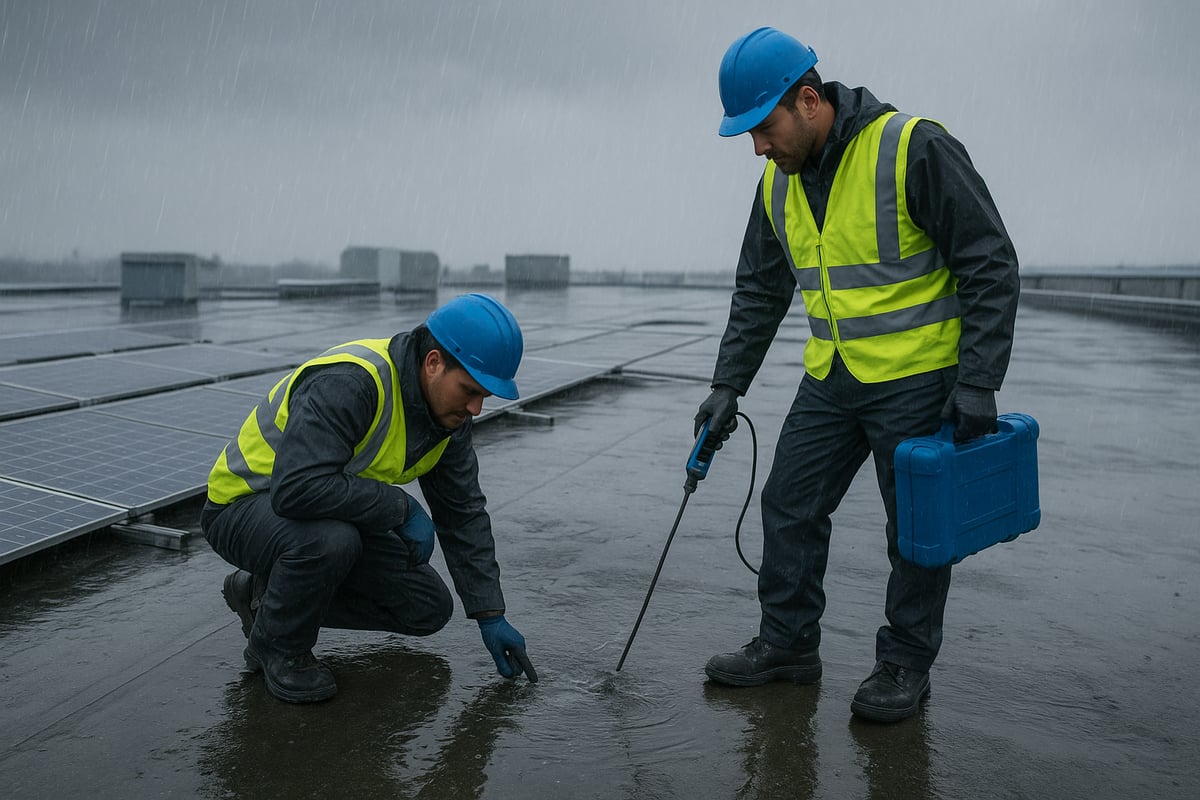
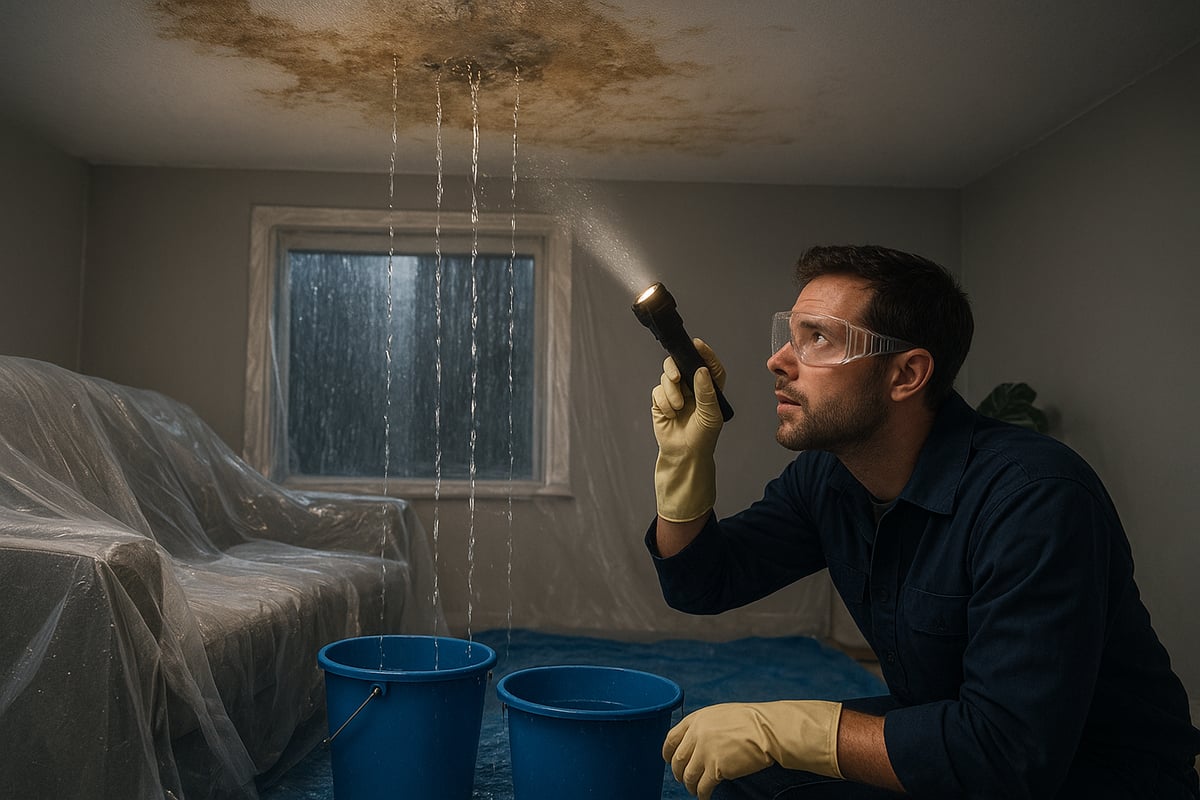
Detecting hidden leaks requires careful observation and the right tools. Common signs include water stains, bubbling paint, musty odors, and warped ceiling tiles. Moisture meters and infrared cameras are valuable for pinpointing moisture that is not visible to the eye.
A notable example involves a small drip that, left unchecked, caused a complete ceiling collapse. For quick roof leak repair, early detection is key to preventing major headaches and protecting your property.
Seasonal & Regional Leak Patterns
Changing weather patterns have increased the frequency and severity of leaks. Intense storms and freeze-thaw cycles are now more common, especially in regions like Texas, where commercial properties saw a 15% rise in leak incidents since 2022.
Preventive maintenance schedules should be tailored to local climate trends. Regular inspections and quick roof leak repair after major storms can help mitigate the effects of climate change and protect your investment.
Immediate Steps to Take When You Discover a Leak
When a roof leak strikes, acting quickly can make all the difference. A fast response limits water damage, protects property, and keeps everyone safe. This section breaks down the essential steps for quick roof leak repair, ensuring you minimize risks and expenses from the very start.
Safety First: Protecting People and Property
Prioritize safety as soon as a leak is discovered. Water intrusion can create hidden hazards, especially near electrical outlets and fixtures. Immediately turn off electricity in affected areas to prevent shocks or fire. Move valuable items, electronics, and sensitive documents away from the leak zone. Place buckets or waterproof containers beneath active drips to catch water and keep floors dry. If ceiling tiles bulge or sag, keep people clear to avoid injury from collapse. These steps are a crucial part of any quick roof leak repair, reducing risk before tackling the source.
Quick Identification of Leak Source
Finding the origin of the leak is essential for effective containment. Start by tracing water stains or drips from the ceiling upward. Inspect attics, crawl spaces, or above-ceiling areas for wet insulation or puddles. Frequently, leaks start near roof penetrations such as vent pipes, chimneys, skylights, or seams. Use a smartphone camera to document hard-to-see spots, or a drone for larger commercial roofs. According to industry data, 60 percent of leaks are found within ten feet of such features. Early leak identification is a key step in quick roof leak repair.
Temporary Leak Containment Techniques
Once you locate the source, act fast to stop further water intrusion. Use roofing tape, patch kits, or plastic sheeting to seal the area. Waterproof tarps can be secured with boards or sandbags to redirect water away from vulnerable spots. Roofing cement offers a fast, effective patch for small holes or membrane tears. During storms, these temporary measures buy valuable time until permanent repairs are possible. If you need immediate professional help, consider contacting Emergency Roof Repair Services for rapid response. Quick roof leak repair often starts with these emergency fixes.
Documenting the Damage for Insurance
Proper documentation streamlines insurance claims and ensures coverage for repairs. Take clear photos and videos of all affected areas, including the progression of water intrusion and any damage to property or equipment. Record the time, date, and circumstances surrounding the leak event. Keep receipts for any materials or services used in the quick roof leak repair process. Claims with thorough documentation are processed up to 40 percent faster, minimizing downtime and disruption. Accurate records also help when professionals assess the extent of necessary repairs.
When to Evacuate or Close Areas
Sometimes, the safest option is to evacuate or restrict access to affected spaces. If you observe ceiling sagging, widespread water pooling, or exposed electrical wiring, immediately move people out of harm’s way. Commercial properties should follow established emergency protocols, closing off sections as needed. In one case, a retail store avoided major losses by closing after extensive leaks threatened structural safety. Quick roof leak repair is most effective when safety comes first, and timely evacuation can prevent injuries and further damage.
Essential Tools and Materials for Fast Roof Leak Repairs
When facing a sudden leak, having the right resources on hand is vital for quick roof leak repair. The right tools and materials mean the difference between a minor inconvenience and a major disruption. Preparation ensures you can act fast, minimize water damage, and protect your property efficiently.
Must-Have Tools for Quick Fixes
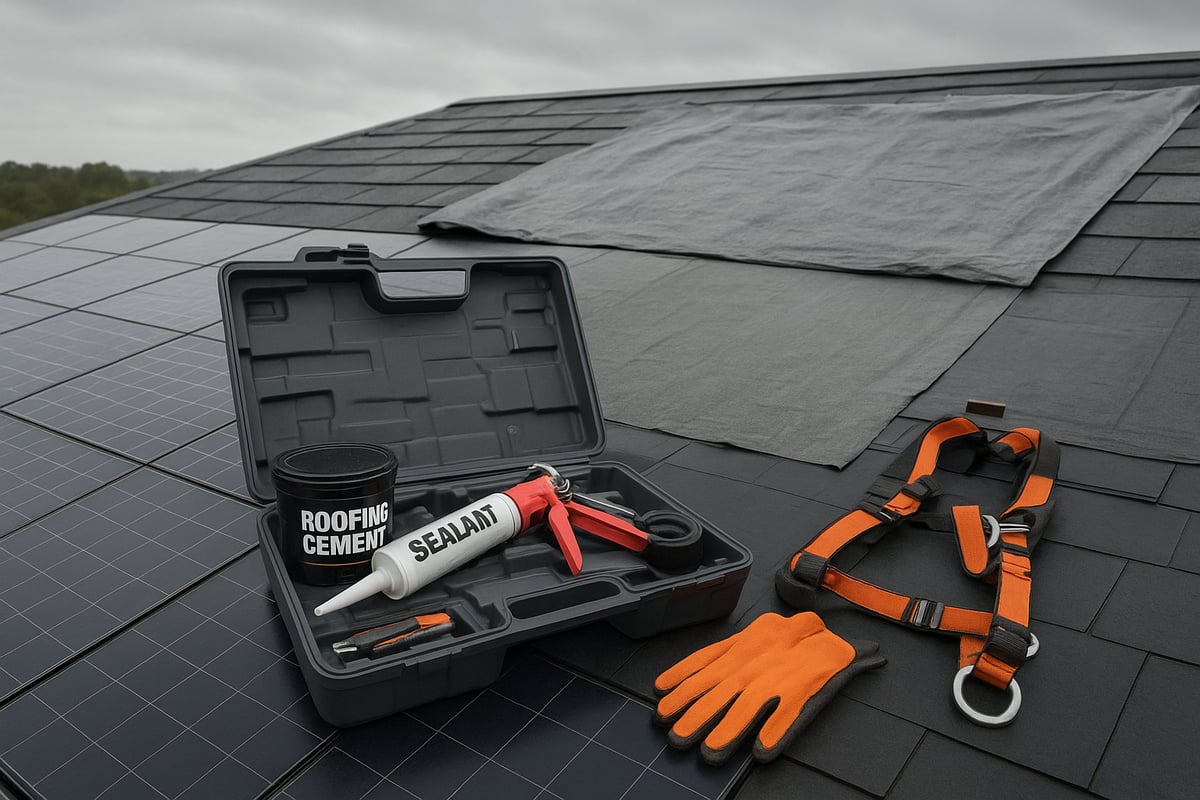
For any quick roof leak repair, a well-stocked emergency kit is essential. Equip yourself with roofing cement, sealant, and a caulk gun to address cracks or small holes. Roofing tape and patch kits are invaluable for temporary seals, especially on membrane roofs.
Do not overlook basic tools such as a utility knife, putty knife, and roofing nails. Safety equipment is crucial: always wear gloves, goggles, and non-slip shoes. For commercial settings, consider assembling a dedicated kit with these essentials ready for immediate deployment.
Quick Reference Table: Essential Tools
Tool
Purpose
Roofing cement
Seals cracks and holes
Roofing tape
Temporary watertight patches
Caulk gun
Applies sealant efficiently
Utility knife
Cuts materials cleanly
Safety gear
Protects during repairs
Having these supplies ensures your quick roof leak repair goes smoothly and safely.
Choosing the Right Repair Materials in 2026
Modern roofing demands materials compatible with 2026 technologies. Select fast-curing sealants designed for new surfaces like TPO, PVC, and solar-integrated tiles. Eco-friendly sealants are increasingly popular, making up a significant share of temporary repair products.
Before starting a quick roof leak repair, check that your chosen materials match your roof type. For example, membrane roofs need flexible patches, while solar tiles require non-conductive sealants. For a deeper dive into material innovations and sustainable options, explore Innovations in Roofing Materials for 2026.
Choosing wisely not only ensures a strong temporary fix but also protects your roof’s warranty and longevity.
Preparing Your Workspace
A safe, organized workspace is vital for any quick roof leak repair. Use sturdy ladders, harnesses, and anchor points to access your roof securely. Always inspect the area for stability before starting, especially after storms.
Clear away all debris, leaves, and standing water. Dry the repair site completely to allow patches or sealants to adhere. Preparation prevents slips and ensures your materials perform as intended.
Organized tools and a clean surface reduce repair time and improve results, making your quick roof leak repair more effective.
Common Mistakes to Avoid
Avoiding errors is as important as using the right products for quick roof leak repair. Never use materials incompatible with your specific roof, as this can void warranties and lead to further leaks. Always follow safety protocols—skipping gloves or harnesses puts you at risk.
Do not apply patches or sealants to wet surfaces, since poor adhesion can cause your repair to fail. For example, a patch installed on a damp area may peel off during the next storm. Careful attention to detail ensures your quick roof leak repair stands up to the elements.
Sudden roof leaks can cause panic, but a structured approach ensures you act quickly and effectively. This step-by-step quick roof leak repair guide is designed for both homeowners and property managers, using the latest tools and materials available in 2026. Follow each step carefully to minimize damage and restore protection to your property.
Step 1: Locate the Exact Leak Point
Start your quick roof leak repair by identifying the precise source of water intrusion. Begin inside, following water stains or damp patches on ceilings and walls back to their origin. In attics or crawlspaces, look for wet insulation, dark spots, or active drips.
If the leak source remains hidden, inspect common trouble areas such as vent pipes, skylights, chimneys, and roof seams. For advanced detection, consider using a moisture meter or infrared camera. Drone inspections can help you see hard-to-reach sections safely.
For a deeper dive into advanced leak detection methods, you can review this resource on Commercial Roof Leak Detection. Taking these steps ensures your quick roof leak repair targets the real problem.
Step 2: Clean and Prep the Area
After pinpointing the leak, prioritize cleaning and preparing the repair site. Remove any debris, leaves, or dirt from the affected area to ensure a secure seal. If water is pooling, use towels or a wet vacuum to dry the spot as much as possible.
A dry, clean surface is crucial for any quick roof leak repair. This step prevents patching materials from peeling or failing prematurely. For membrane or solar-tile roofs, be gentle to avoid causing further damage during this process.
If weather conditions allow, perform this task during a break in the rain. Proper preparation now makes the following repair steps more effective.
Step 3: Apply Temporary Patch or Sealant
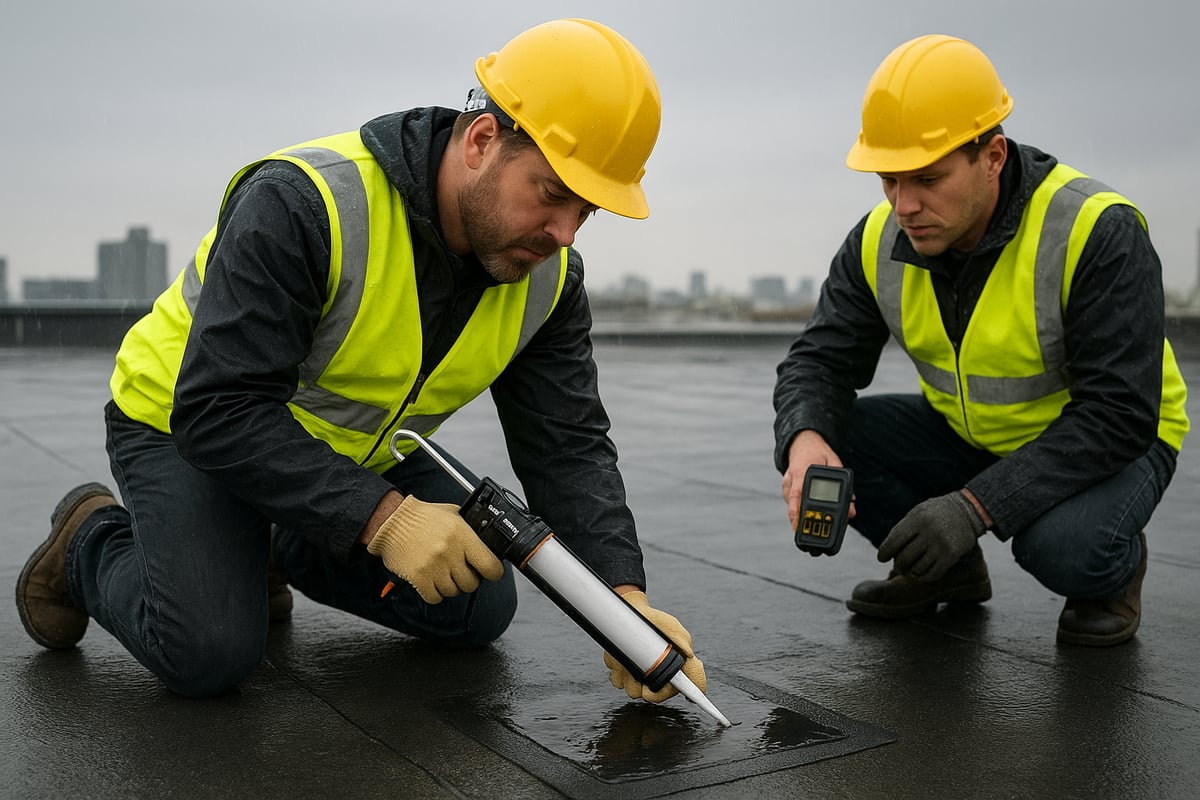
With the area clean and dry, you are ready to apply a temporary patch or sealant. For small punctures or cracks, use roofing cement with a putty knife, spreading it evenly over the problem spot. Roofing tape works well for seams or straight lines, overlapping strips to create a watertight seal.
On membrane roofs, emergency patch kits are ideal for a quick roof leak repair. Always follow manufacturer instructions for compatibility with your roof type. In flat roof scenarios, reinforce the patch to handle standing water.
Here is a comparison of common repair materials:
Repair Material
Best Use Case
Cure Time
Roofing Cement
Punctures, flashing gaps
1-2 hrs
Roofing Tape
Seams, straight cracks
Instant
Patch Kit
Membrane, TPO, PVC roofs
30 min
Step 4: Reinforce with Tarps or Plastic Sheeting
If the leak is substantial or the weather remains severe, reinforce your quick roof leak repair with a tarp or heavy plastic sheeting. Drape the tarp over the leak, extending several feet past the affected area. Secure it with boards, sandbags, or heavy objects to prevent wind uplift.
Make sure runoff is directed away from roof entry points and downspouts remain clear. This reinforcement buys time until a permanent fix is possible. Tarps work especially well for large leaks or when waiting for professional help.
Remember to never use nails or screws that could create additional holes in your roofing system.
Step 5: Inspect and Monitor
After completing your quick roof leak repair, closely monitor the patch during and after the next rainfall. Check for signs of continued moisture, such as dampness, stains, or renewed drips. Use a moisture meter to confirm the area is drying properly.
Routine inspection ensures your temporary solution holds until a permanent repair is arranged. Document any changes, and if the leak returns, reassess the original repair or expand your containment efforts.
Consistent monitoring is key to preventing further interior damage and maintaining safety.
Step 6: Schedule Permanent Repairs
Temporary fixes are not a long-term solution. Once the immediate threat is contained, schedule a professional assessment for a comprehensive quick roof leak repair. Roofing specialists will inspect for hidden damage, recommend full membrane or shingle replacement, and ensure all vulnerable areas are addressed.
Arrange for permanent repairs as soon as possible, especially if your building uses advanced materials like solar tiles or eco-membranes. Professional restoration guarantees warranty compliance and long-term leak prevention.
Keep all repair documentation for insurance and warranty purposes.
When DIY is Not Enough
Some situations exceed the scope of quick roof leak repair. Large holes, structural damage, or leaks that recur after patching signal the need for expert intervention. Attempting complex repairs without experience may void warranties or worsen the problem.
Industry data shows that 80% of commercial roof leaks require professional service after initial containment. If you notice sagging ceilings, extensive water intrusion, or electrical risks, evacuate the area and contact a licensed roofer immediately.
Recognizing your limits protects both property and occupants from further harm.
Temporary vs. Permanent Roof Leak Solutions
When facing a roof leak, understanding your repair options is crucial. Choosing between temporary and permanent solutions can make a significant difference in protecting your property and budget. This section breaks down the key differences to help you make informed decisions about quick roof leak repair.
Pros and Cons of Temporary Fixes
Temporary fixes are often the first step in quick roof leak repair, especially during bad weather or when immediate action is needed. Their main advantage is providing fast protection against water intrusion while preventing further interior damage.
Cons: Short lifespan, may not withstand severe weather, potential for hidden damage if left too long.
A common example is using a tarp to cover the leak, which can hold for 48 hours or more during storms. However, relying solely on temporary solutions can increase long-term costs if permanent repairs are delayed.
Permanent Repair Options
Permanent solutions for quick roof leak repair address the underlying issue, ensuring long-term protection. These options include full membrane or shingle replacement, resealing flashing and seams, and upgrading materials.
Modern advancements in roofing, such as self-healing membranes and solar-integrated waterproofing, offer superior leak resistance for 2026 and beyond. According to recent trends, permanent repairs reduce future leak risk by 90% compared to patching. For a deeper look at new materials and repair technologies, explore Advancements in Roofing Technology.
Deciding When to Upgrade or Replace
Knowing when to move from quick roof leak repair to a full replacement depends on several factors:
Age and overall condition of your roof
Frequency and severity of leaks
Cost-benefit analysis for repairs versus replacement
If you face repeated leaks or escalating repair bills, it may be time to consider an upgrade. Commercial properties, for example, often opt for silicone coatings after multiple leak events. For guidance on budgeting and financial planning, check the Cost of Repairing Roof Leaks.
Warranty and Insurance Considerations
Temporary quick roof leak repair methods can affect your warranty and insurance coverage. Some manufacturers void warranties if incompatible materials are used for patches, while insurers may require professional documentation for claims.
To protect your interests, always keep records of all repairs, including photos and receipts. Consult your policy to confirm what is covered, and prioritize permanent repairs to maintain full coverage and reduce the risk of denied claims.
Regular maintenance is the foundation for preventing costly water damage and the need for quick roof leak repair. By implementing proactive strategies, you can protect your property and extend the life of your roof. The following best practices will help you stay ahead of the most common causes of roof leaks in both residential and commercial settings.
Scheduled Inspections and Proactive Maintenance
Scheduling inspections twice a year, especially after major storms, is one of the most effective ways to avoid emergencies that require quick roof leak repair. Professional assessments catch minor issues before they escalate, reducing the risk of water infiltration and expensive structural repairs.
Leading companies now use drones for aerial surveys, enabling thorough examinations of roof surfaces that might otherwise be overlooked. For example, a national retail chain reduced leak incidents by 60% through consistent bi-annual inspections and prompt attention to small defects.
By prioritizing regular checkups, you can spot vulnerabilities early and act before a quick roof leak repair becomes an urgent necessity. This approach is key for both homeowners and property managers seeking reliable, long-term results.
Cleaning and Clearing Roof Drainage Systems
A significant percentage of leaks originate from clogged or poorly maintained drainage systems. Keeping gutters, downspouts, and scuppers free from debris is essential for effective water management and minimizing the likelihood of needing quick roof leak repair.
Schedule seasonal cleanings for all drainage components.
Inspect for blockages after storms or heavy winds.
Repair any sagging or disconnected pipes promptly.
For detailed advice on common drainage issues and solutions, see the Flat Roofing Drainage Systems Guide. Proactive cleaning measures not only prevent standing water but also extend the lifespan of your roof.
Addressing Vulnerable Areas
Certain parts of the roof are more prone to leaks, especially where materials are joined or penetrated. Pay close attention to flashing, vents, skylights, and areas around new installations like HVAC units or solar panels.
Regularly reseal these features and check for signs of deterioration. Early intervention in these zones can prevent the sudden need for quick roof leak repair and help maintain a watertight envelope for your building.
A checklist for vulnerable areas:
Flashing seams and edges
Pipe and vent penetrations
Skylight perimeters
Attachment points for solar panels and equipment
Upgrading to Leak-Resistant Materials
Advancements in roofing technology offer new opportunities to prevent leaks. Modern membranes, coatings, and integrated solar solutions provide enhanced durability and water resistance. For example, self-healing membranes and silicone coatings have shown to reduce maintenance calls by 40% in office building retrofits.
When planning upgrades, consider materials that are compatible with your existing structure and climate. Investing in these improvements now can reduce the frequency of quick roof leak repair needs in the future and deliver better performance during severe weather.
Staff Training and Emergency Preparedness
Equipping building staff with the knowledge to recognize early warning signs is crucial. Training should cover how to identify water stains, musty odors, and unusual ceiling changes that signal the need for quick roof leak repair.
Developing an emergency response plan ensures everyone knows what steps to take when a leak is detected. This preparation can minimize disruption and protect valuable equipment and records.
Conduct regular training sessions.
Post emergency contact lists and response procedures.
Practice evacuation drills for severe situations.
Budgeting for Roof Maintenance
Allocating funds for ongoing roof care is a smart investment that pays off by extending the life of your roof and reducing emergency repairs. Preventive maintenance is significantly less costly than reactive fixes, with data showing that such programs can add 5–10 years to a roof’s lifespan.
Plan your budget to cover inspections, cleaning, minor repairs, and upgrades. This financial discipline helps you avoid last-minute expenses and ensures quick roof leak repair is available when truly needed.
Leveraging Professional Maintenance Programs
Enrolling in a commercial roof maintenance plan provides peace of mind and consistent protection. These programs typically offer scheduled inspections, priority service, and detailed reporting, all tailored to your property’s specific needs.
For more information about tailored solutions, visit Commercial Roof Maintenance Programs. Partnering with professionals guarantees that quick roof leak repair is supported by expert oversight and comprehensive care, reducing the risk of major disruptions and costly downtime.
Learn why preventative electrical maintenance is critical for commercial buildings. Discover best practices, inspection schedules, and cost-saving benefits.