What Are Flat Roof Drainage Systems? How to Prevent Ponding Water & Leaks
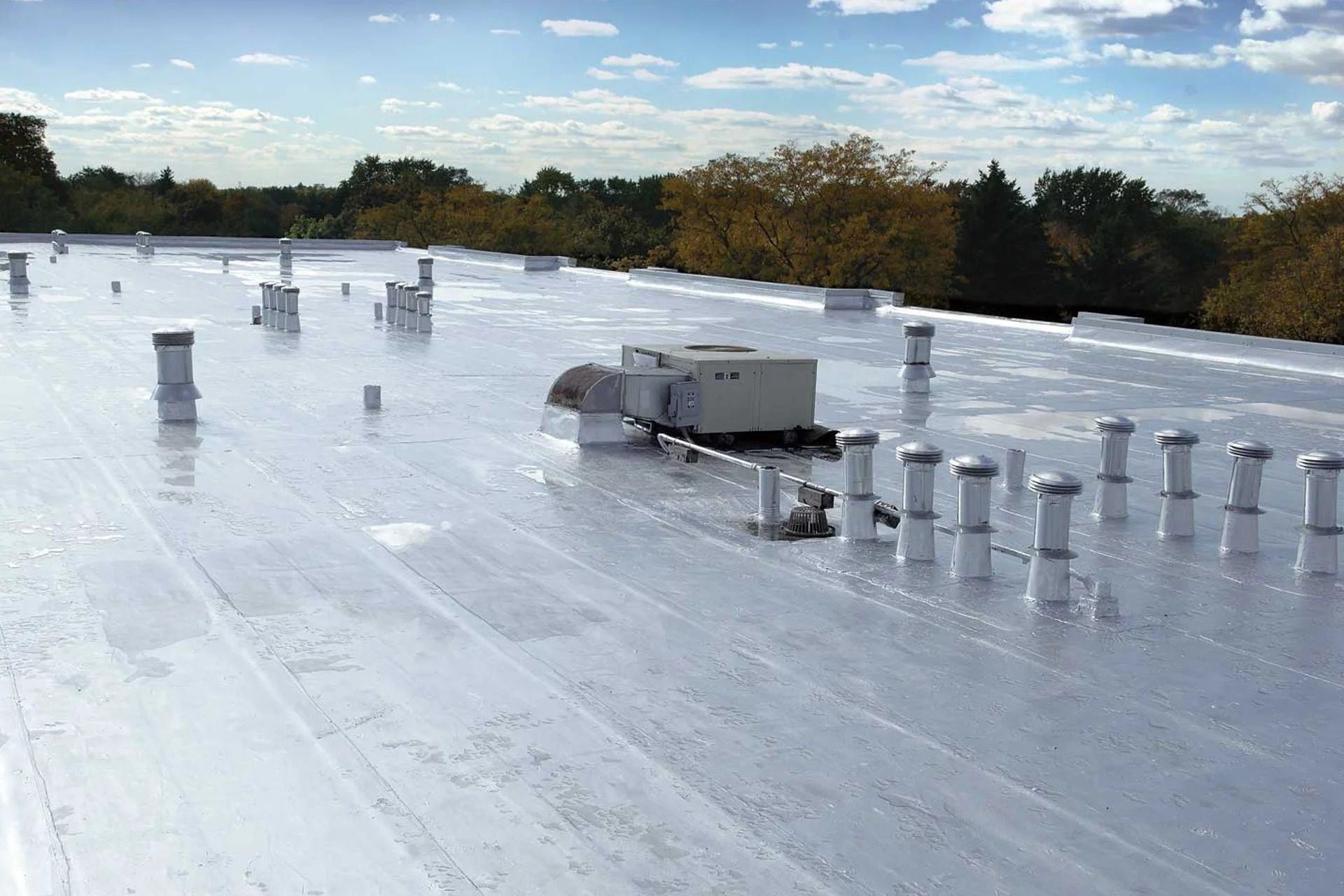
Learn how flat roof drainage systems prevent ponding water, leaks, and costly commercial roof repairs in Plano, TX. Call G&M Roofing Services today. Flat roofs are common in commercial buildings, but without proper drainage, they can quickly become a source of leaks, structural damage, and expensive repairs. Water pooling on the roof, often called ponding water on commercial roofs, can weaken membranes, damage insulation, and create hazards for your building.
For commercial property owners in Plano, TX, and the surrounding areas, investing in reliable flat roof drainage systems is essential. In this guide, you’ll learn how these systems work, how to spot drainage issues, and when to call a professional roofing contractor like G&M Roofing Services to prevent costly water damage.
What You’ll Learn in This Roofing Guide
A flat roof requires efficient drainage to protect your property. In this guide, you’ll discover:
How flat roof drainage systems work
The difference between scuppers and roof drains
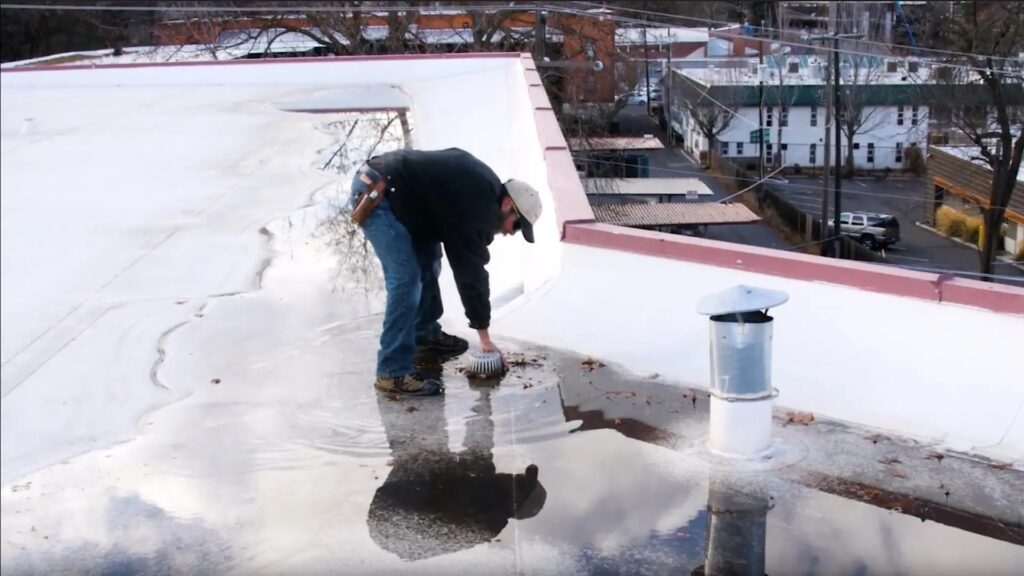
How ponding water on commercial roofs causes damage
Warning signs of poor drainage
How professional drainage upgrades prevent costly repairs
When to schedule a roof inspection in Plano, TX
This blog is designed to help commercial property owners make informed roofing decisions.
Why Your Roof Condition Matters for Your Plano Commercial Property
Your roof protects your business, employees, inventory, and equipment. Poor drainage threatens all of these.
In Plano and the surrounding Metroplex, heavy rains, storms, and seasonal weather can lead to standing water, which accelerates roof membrane wear, damages insulation, and creates interior leaks. Ignoring drainage problems often results in mold, structural damage, and costly repairs. Ensuring your flat roof has a proper drainage system is essential to maintain long-term performance.
Why Is Drainage Critical for Flat Roof Longevity?
A properly designed drainage system:
Prevents ponding water on commercial roofs
Protects roof membranes from UV and water damage
Maintains insulation efficiency
Reduces the risk of leaks and interior damage
Extends roof lifespan
Without effective drainage, water weight and constant moisture shorten your roof’s life, forcing premature repairs or replacement.
What Types of Flat Roof Drainage Systems Exist?
Different buildings use different drainage methods depending on size and roof design. Understanding scuppers vs roof drains is key.
1. How Interior Roof Drains Work
Interior drains sit at low points and channel water through internal pipes. Properly maintained, they handle large rainfall efficiently and are ideal for commercial properties in Plano, Dallas, and Fort Worth.
2. What Scuppers Do on Commercial Flat Roofs
Scuppers are openings along parapet walls that drain water directly off the roof edge. Simple to install, they require unobstructed discharge paths to prevent water pooling.
3. How Gutters Support Flat Roof Water Flow
Gutters help move water from scuppers or drains away from the building foundation, preventing overflow during storms. Correct sizing and maintenance are essential in the Dallas–Fort Worth Metroplex, where sudden heavy rains are common.
Common Signs You Need Flat Roof Drainage Repair
Watch for these warning signs:
Water Stains on Ceilings and Walls Discoloration on ceilings or walls shows water is leaking from the roof. Prompt inspection can prevent mold growth and interior damage.
Damaged or Worn Roof Membranes Cracks, blisters, or holes in the roof membrane indicate that standing water is causing deterioration. Early repair protects the roof’s integrity.
Debris Around Drains or Scuppers Leaves, dirt, and sediment can block drains, causing water pooling flat roof repair issues. Cleaning them ensures proper drainage.
Sagging Roof Sections Continuous water weight strains the roof decking and structural supports. Sagging areas need immediate attention to prevent collapse.
Mold, Moss, or Algae Growth Persistent moisture allows mold, moss, or algae to grow on the roof surface. This damages materials and reduces roof lifespan.
Increased Energy Bills Water-damaged insulation loses efficiency, making HVAC systems work harder. Proper drainage reduces energy costs and protects interiors.
What Causes Roof Drainage Damage?
Storms, Heavy Rain, and High Winds Severe weather can overwhelm drains or scuppers, causing water to pool on the roof. Immediate attention prevents leaks and structural damage.
Sun, Heat, and Weather Wear UV rays and temperature changes gradually weaken roofing membranes. Over time, this reduces roof durability and drainage efficiency.
Poor Installation or Low-Quality Materials Incorrect slope or inferior materials lead to water pooling, flat roof repair issues. Proper installation ensures long-lasting drainage performance.
Roof Age (15–25+ Years Old) Older roofs often have outdated drainage designs. They are more prone to standing water and repeated roof repairs.
Lack of Regular Roof Inspections Without routine inspections, minor drainage problems go unnoticed. This allows small issues to become costly repairs.
How Does Ponding Water Lead to Roof Failure Over Time?
Standing water accelerates damage:
Weakens roof membranes
Degrades insulation
Adds weight stress to the structure
Leads to recurring leaks
Proactive maintenance and drainage upgrades prevent long-term roof failure and reduce repair costs.
Roof Repair vs Drainage Upgrade
Repair is enough when:
One drain/scupper is blocked
Minor slope adjustment is needed
The membrane is in good condition
Drainage upgrade is better when:
Ponding water appears in multiple areas
The roof slope is inadequate
Leaks continue after minor repairs
At G&M Roofing Services, we inspect first and provide honest recommendations.
How Our Flat Roof Drainage Process Works
Step 1 – Roof Inspection and Assessment Our team evaluates all drains, scuppers, and roof membrane conditions. We identify any existing or potential drainage problems. Early assessment helps prevent costly water damage later.
Step 2 – Clear Quote and Options We provide transparent pricing with no hidden costs. You’ll receive repair and upgrade options tailored to your roof’s needs. This ensures you make informed decisions for your property.
Step 3 – Scheduling and Preparation We schedule the work to minimize disruption to your business operations. Our crew prepares the site safely and efficiently. You’ll know exactly what to expect before work begins.
Step 4 – Drainage Repair or Installation We clear blockages, replace drains, install scuppers, and adjust roof slopes. All work follows industry best practices for long-term performance. Proper drainage ensures that ponding water issues are resolved.
Step 5 – Final Cleanup and Warranty Explanation After the work is complete, we thoroughly clean the roof and surrounding areas. We verify water flow and system performance. Finally, we explain warranties and maintenance tips for lasting protection.
How Long Flat Roof Drainage Repairs Take and What They Cost
Repairing or upgrading flat roof drainage depends on the size of the roof, the extent of damage, and the type of drainage system installed. Minor issues can usually be resolved quickly, while more extensive upgrades take longer. Cost varies based on these factors, but proper evaluation ensures you get the best solution for your commercial property.
Key points to consider:
Minor repairs: Usually completed in 1 day, such as clearing drains or small slope adjustments.
Major upgrades: Can take several days, including installing new drains, scuppers, or adjusting the roof slope.
Cost factors: Roof size, drain type, extent of damage, accessibility, and complexity of work.
Free inspection: G&M Roofing Services provides free roof inspections in Plano, TX, offering accurate estimates before starting work.
Benefits of timely repair: Prevents leaks, reduces structural stress, and avoids costly emergency repairs.
How Can Drainage Upgrades Prevent Costly Commercial Roof Repairs?
Eliminates recurring leaks
Protects interior property
Extends roof life
Reduces emergency repairs
Improves insurance outcomes
Investing in upgrades is cost-effective for Plano, Dallas, and Fort Worth commercial properties.
Our Roofing Services in Plano, TX
Flat roof drainage system installation
Water pooling flat roof repair
Roof leak detection and repair
Storm and hail damage restoration
Emergency roof tarping
Roof inspection and maintenance plans
We proudly serve Plano, Dallas, Fort Worth, Addison, Lewisville, Carrollton, and Richardson.
Common Challenges Property Owners Face With Flat Roof Drainage
Persistent Ponding Water Water that doesn’t drain after rain leads to membrane degradation and leaks, requiring repeated maintenance.
Clogged Drains & Scuppers Debris buildup from leaves or dirt blocks drainage paths, causing water to pool and stress the roof structure.
Incorrect Roof Slope or Design Roofs without adequate slope toward drains hold water, making routine drainage solutions less effective.
Delayed Inspections After Storms Skipping post‑storm checks allows hidden drainage problems to worsen, leading to more expensive repairs later.
Meet G&M Roofing Services: Trusted Roofing Experts in Texas
G&M Roofing Services is a fully licensed and trusted roofing contractor based in Plano, TX, proudly serving residential and commercial clients across Texas. We bring years of real industry experience and a strong reputation for delivering durable, high-performance roofing systems.
Licensed, insured, and experienced across hundreds of Texas roofs.
Experts in durable, energy-efficient roofing systems
Full services: repair, replacement, inspection, and maintenance
Serving homes, offices, warehouses, and commercial properties.
Honest, transparent, customer-first approach.
Roofs built to withstand Texas heat and storms.
Conclusion
Proper flat roof drainage systems are essential for protecting your commercial property from water damage, leaks, and structural issues. Standing water and poor drainage shorten roof life and increase repair costs over time. Investing in professional inspection and drainage solutions prevents costly problems before they start. For commercial buildings in Plano, TX, and the surrounding areas, proactive roof care keeps your business safe and secure year‑round. Stay updated on our services and special offers. Connect with us on LinkedIn, Instagram, and Google My Business.
Contact us today to schedule your inspection or get a free quote.
Frequently Asked Questions
How do I know if my flat roof needs better drainage?
If you see standing water more than 48 hours after rain, your drainage system may be failing. Early inspection prevents long‑term damage.
Can poor drainage cause roof leaks?
Yes, water that doesn’t drain properly can seep through the membrane and lead to leaks. Addressing drainage issues stops repeated leaks.
How often should I get my flat roof inspected?
Schedule a professional roof inspection at least once a year and after major storms. Frequent checks catch small issues before they become costly.
What’s the difference between a scupper and a roof drain?
A scupper drains water off the roof edge, while a roof drain channels water into internal piping. Each works best depending on the roof design and property needs.
Can drainage upgrades extend my roof’s lifespan?
Yes, better drainage prevents standing water, membrane deterioration, and costly repairs. This helps your roof last longer and perform better.
Learn why preventative electrical maintenance is critical for commercial buildings. Discover best practices, inspection schedules, and cost-saving benefits.