7 Essential Types of Commercial Roofing Systems for 2026
Discover the 7 essential types of commercial roofing systems for 2026. Compare benefits, costs, and trends to choose the best solution for your property’s future.
Did you know that the right roofing system can save a commercial property thousands of dollars each year and dramatically extend a building’s lifespan? As we look ahead to 2026, facility managers and property owners face a rapidly changing marketplace with new materials, smart technology, and stricter regulations reshaping expectations.
This article explores the 7 essential types of commercial roofing systems every business owner should know. Our goal is to help you make informed decisions that protect your investment, reduce maintenance costs, and support sustainability.
We will break down each roofing system, highlight their advantages, unique features, and best-fit applications. Ready to discover which roof can future-proof your business? Let’s get started.
The Evolving Landscape of Commercial Roofing in 2026
The commercial roofing industry is entering a transformative era in 2026. Facility managers and property owners are facing unprecedented choices as technology, regulation, and sustainability reshape the market. Understanding the evolving landscape is essential for anyone considering the various types of commercial roofing systems available today.
Shifting Industry Trends and Innovations
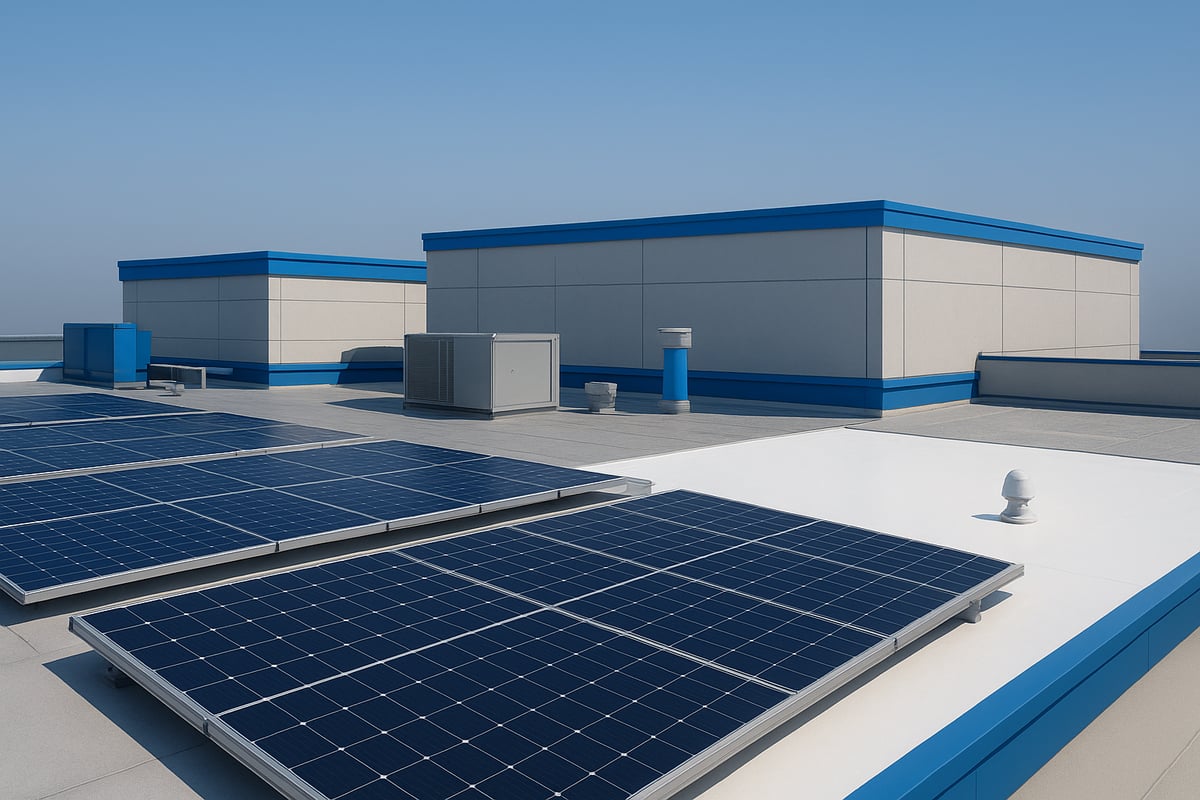
The demand for energy-efficient and sustainable roofing materials is at an all-time high. Business owners are prioritizing roofing options that minimize energy use and reduce environmental impact. Cool roofing technologies, such as highly reflective membranes, are being adopted widely to help combat urban heat islands and lower cooling costs.
Smart roofing systems are another significant trend. These systems incorporate sensors that monitor moisture, temperature, and structural integrity, enabling proactive maintenance and reducing the risk of costly repairs. Industry regulations have tightened, with stricter building codes and environmental standards influencing the selection of types of commercial roofing systems.
Innovation is also driving the expansion of roofing solutions tailored to specific industries. Hospitals, retail centers, and government facilities are all seeking systems that meet their unique requirements. Advanced installation methods are minimizing business disruption, while longer lifespans and reduced maintenance are becoming standard expectations. According to recent reports, reflective and energy-saving roofs are projected to make up over 60% of new commercial installations by 2026. For a deeper dive into these emerging trends, see Roofing Industry Trends 2026 – Zuper.
The shift toward sustainability and smarter technologies is transforming how decision-makers evaluate the best types of commercial roofing systems for their properties.
Key Considerations for Choosing a Commercial Roofing System
Selecting among the types of commercial roofing systems requires careful evaluation of several factors. Climate and weather resistance are crucial, especially for properties located in regions prone to extreme temperatures or storms. The building’s structure, including slope and load-bearing capacity, directly influences which systems are suitable.
Budget is always a concern, but long-term value and return on investment should guide the decision. Maintenance accessibility, warranty options, and the ease of future repairs are also important. Environmental considerations, such as the potential for LEED certification and overall ecological footprint, are now at the forefront.
Safety cannot be overlooked. Fire resistance and compliance with safety standards are non-negotiable for many industries. For example, a national retail chain recently selected TPO roofing, favoring its energy efficiency and robust durability, which matched their operational needs and sustainability goals.
When comparing types of commercial roofing systems, it is vital to balance cost, performance, and regulatory requirements. A thorough review of these factors ensures a roofing solution that delivers both immediate benefits and long-term value.
7 Essential Types of Commercial Roofing Systems for 2026
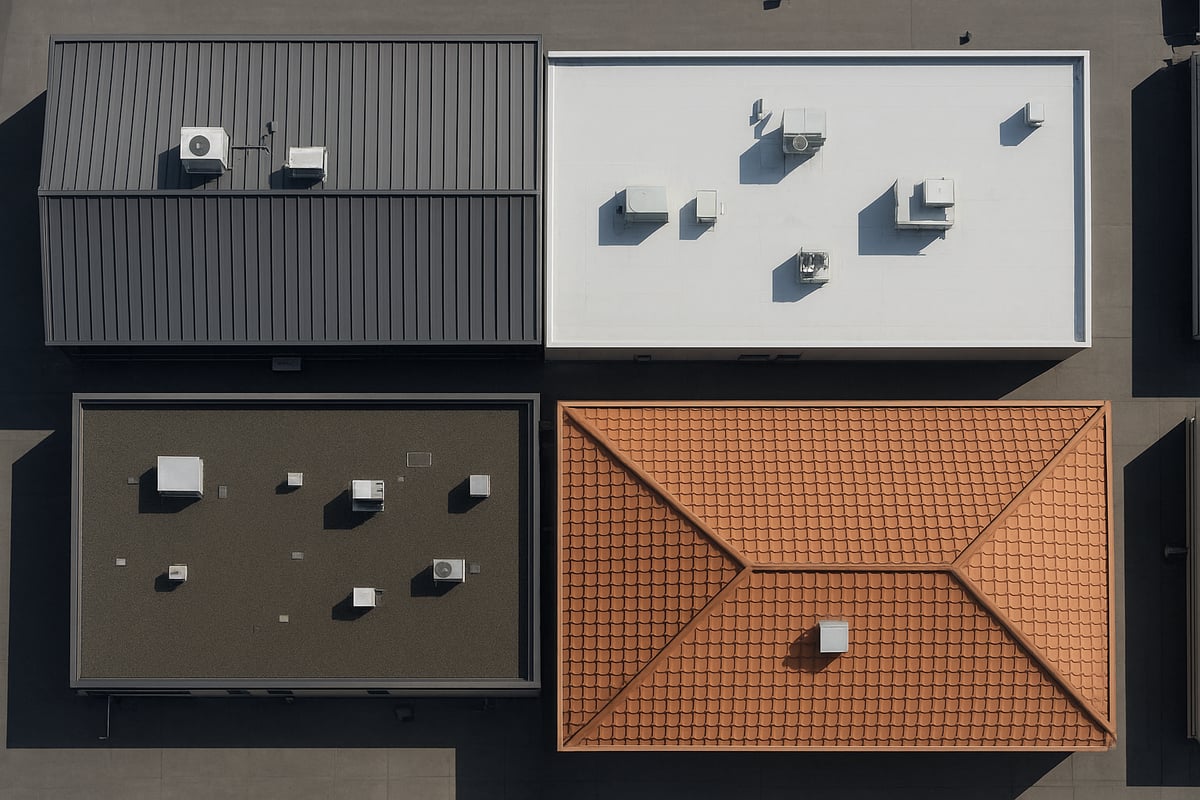
Choosing the right roofing solution is critical for business owners and facility managers in 2026. With so many types of commercial roofing systems available, understanding the strengths and ideal uses for each can save money, extend lifespan, and support sustainability goals. In this section, we explore the seven most essential roofing systems shaping the industry this year.
1. Thermoplastic Polyolefin (TPO) Roofing
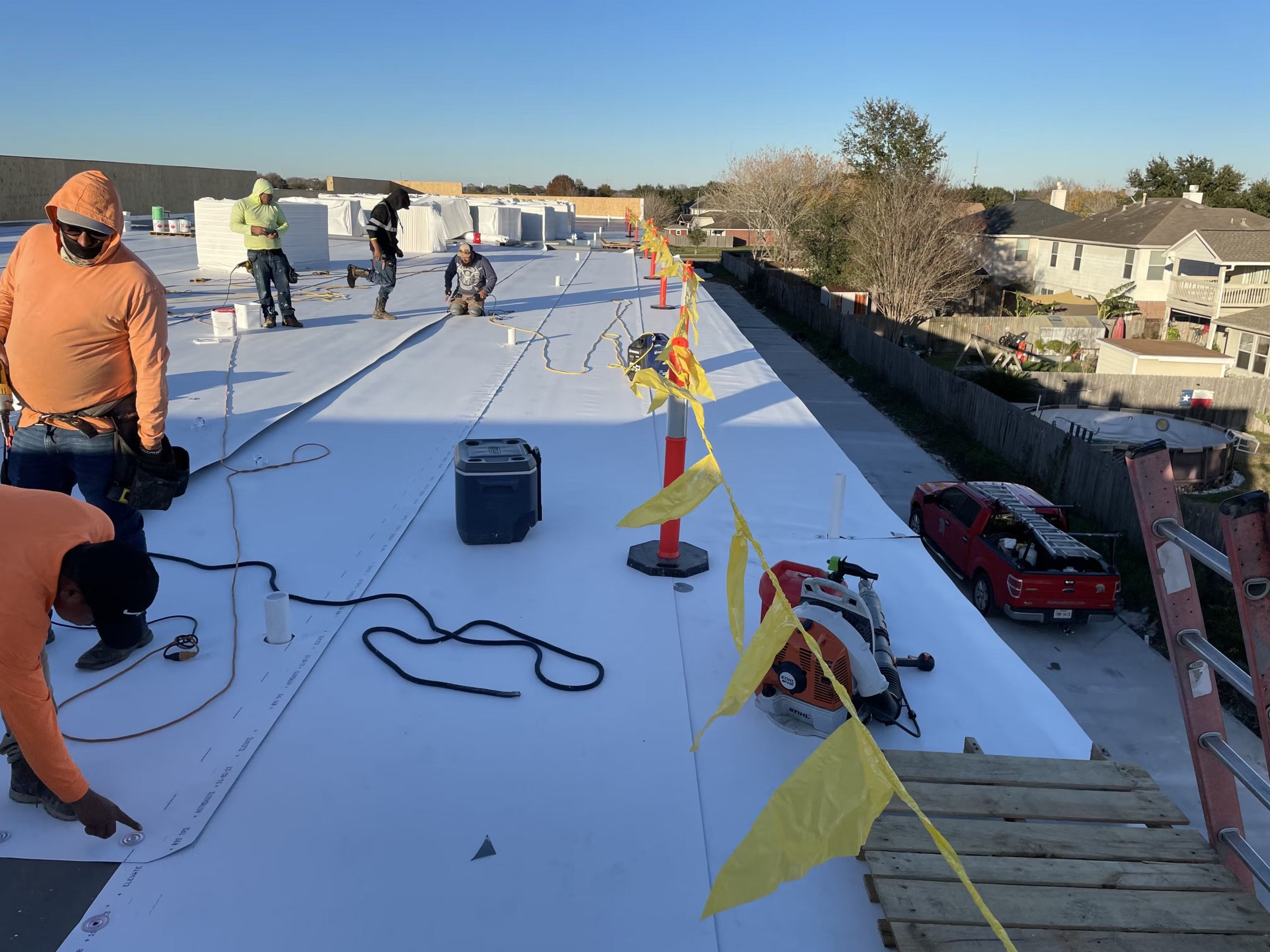
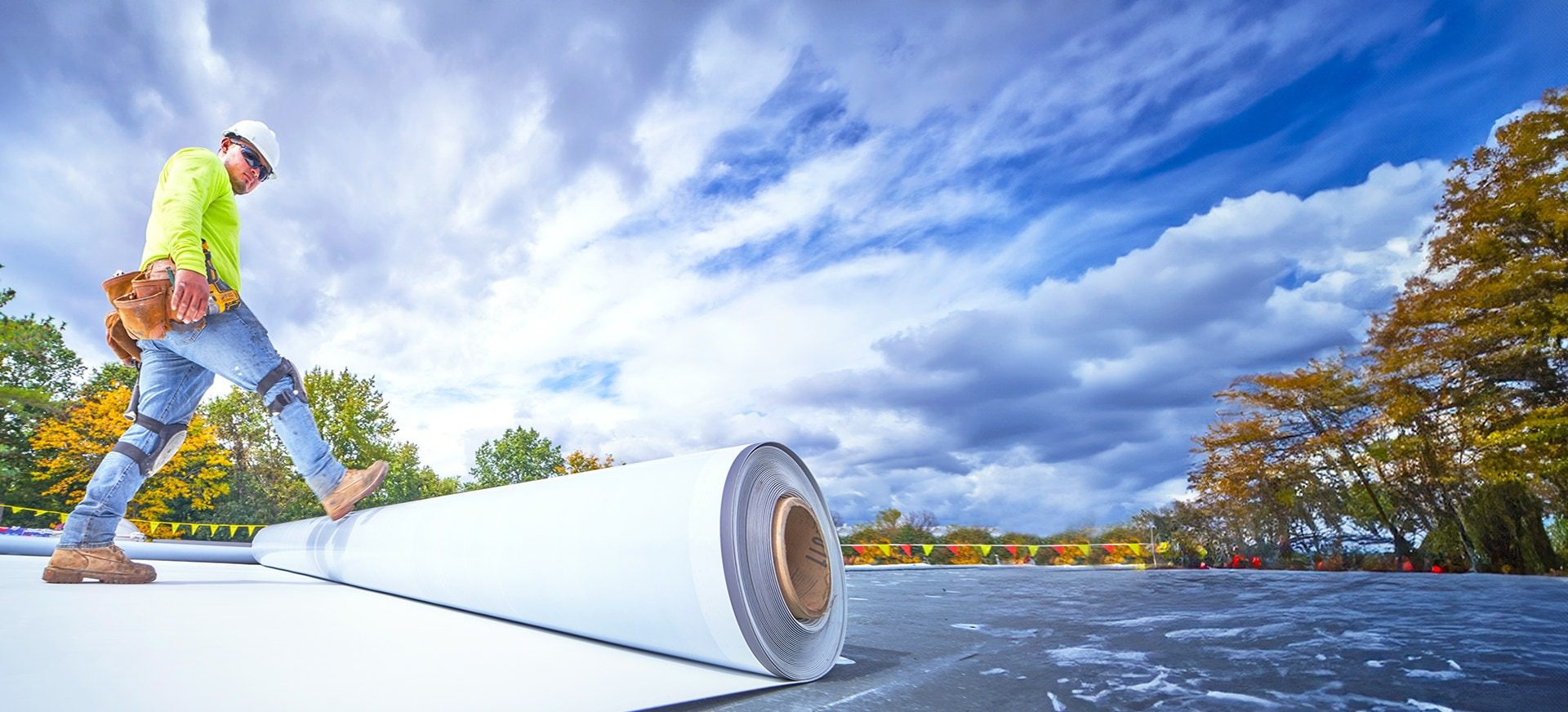
TPO roofing has rapidly become one of the most popular types of commercial roofing systems for modern businesses. This single-ply membrane is celebrated for its high reflectivity, which helps reduce cooling costs and supports energy efficiency initiatives. Its heat-welded seams create a watertight barrier, making TPO highly resistant to leaks and weather damage.
Key features of TPO roofing include:
Superior UV, chemical, and puncture resistance
Sustainability and recyclability, ideal for green building certifications
Quick installation process, minimizing disruption to operations
TPO systems are particularly well-suited for large, flat-roofed structures like warehouses and distribution centers. Many facility managers favor this system for its blend of performance and affordability.
A real-world example: A manufacturing facility that transitioned to TPO saw energy expenses drop by 20 percent within the first year. This demonstrates how impactful the right types of commercial roofing systems can be on operational costs.
Typical lifespan ranges from 20 to 30 years with proper upkeep. For a comprehensive breakdown of benefits, installation methods, and maintenance tips for TPO, see the TPO Roofing System Guide.
If your business prioritizes sustainability, energy savings, and durability, TPO stands out among the top types of commercial roofing systems.
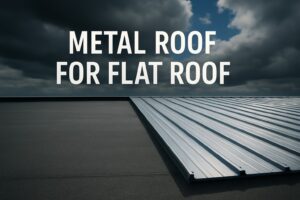
2. Metal Roofing Systems
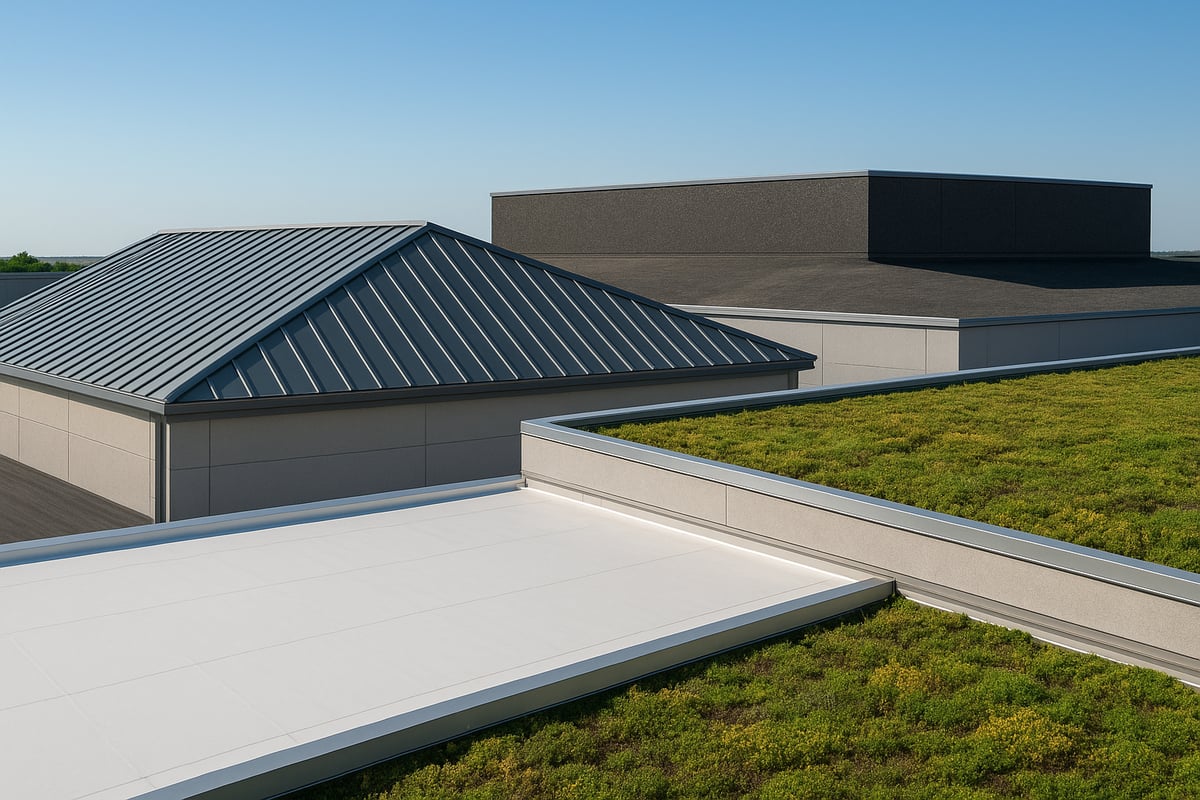
Metal roofing remains a staple among the most durable types of commercial roofing systems. Available in options like standing seam, corrugated panels, and architectural metal shingles, metal roofs offer unmatched longevity, often lasting 40 to 70 years with minimal maintenance.
Key benefits of metal roofing systems:
Superior fire, wind, and weather resistance
Variety of materials including steel, aluminum, copper, and zinc
Ability to mimic traditional styles for unique architectural needs
Metal is highly adaptable, supporting both steep and low-slope applications. For example, an office complex recently selected an aluminum standing seam system, which provided a sleek, modern appearance alongside exceptional durability.
Though the upfront investment for metal roofing can be higher than other types of commercial roofing systems, the long-term savings through reduced repairs and energy efficiency justify the cost for many property owners.
Metal roofing is a top choice for businesses seeking longevity, safety, and versatile design options among the types of commercial roofing systems available today.
3. Built-Up Roofing (BUR) Systems
Built-up roofing, or BUR, is one of the oldest and most reliable types of commercial roofing systems. It consists of multiple layers of bitumen alternated with reinforcing felts, creating a dense, waterproof barrier ideal for flat or low-slope roofs.
Key features of BUR systems:
Multiple layers for added protection and redundancy
Customizable thickness to meet specific durability requirements
Proven track record in high-traffic, industrial, and retail settings
A well-known retail chain selected BUR for its branches with flat rooftops, valuing the system’s resilience and ability to withstand constant foot traffic.
BUR systems typically last 20 to 30 years and require periodic professional maintenance. While installation is more complex than some alternatives, the extra layers make BUR one of the most protective types of commercial roofing systems.
If your building faces harsh weather or heavy use, BUR offers peace of mind and lasting value among the types of commercial roofing systems.
4. Modified Bitumen Roofing
Modified bitumen roofing combines traditional asphalt with modern polymers, resulting in a flexible, high-performance solution. This hybrid approach makes it a standout among the types of commercial roofing systems, especially for buildings with unique demands.
Advantages of modified bitumen roofing include:
Enhanced flexibility and impact resistance
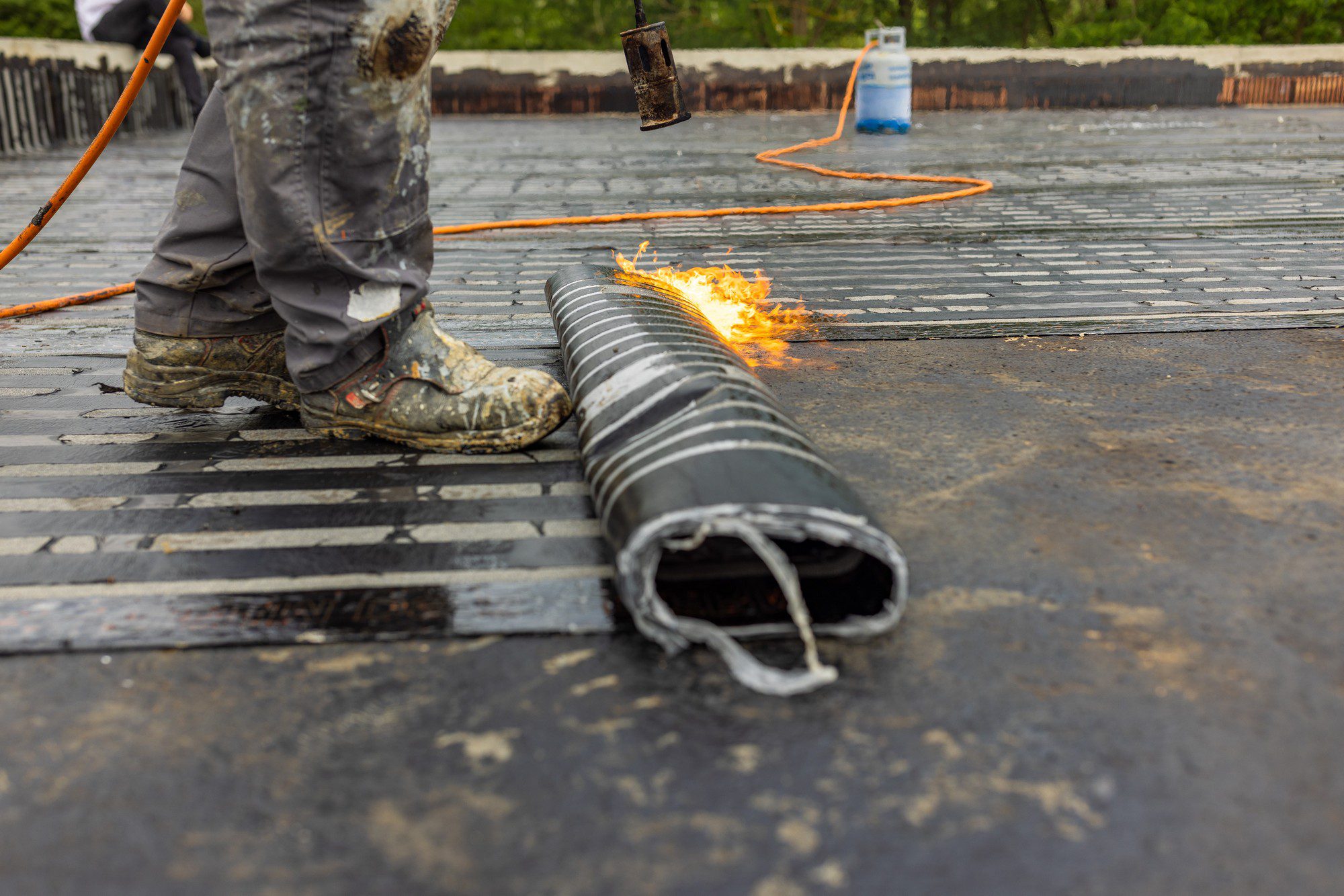
Multiple application methods: hot-mop, torch-down, or cold adhesive
Self-adhesive options for faster, safer installation
A healthcare facility recently chose modified bitumen for its ability to withstand equipment loads and frequent repairs. Its lifespan of 15 to 25 years suits properties with heavy foot traffic or rooftop equipment.
This system’s quick installation and ease of repair help minimize operational interruptions, a key consideration for busy commercial sites evaluating types of commercial roofing systems.
Modified bitumen is ideal for those seeking a balance of durability, flexibility, and cost-effectiveness within the range of modern types of commercial roofing systems.
EPDM roofing is a single-ply rubber membrane recognized for its versatility and resilience. It has become a mainstay for large, low-slope roofs, ranking high among the most trusted types of commercial roofing systems.
Key strengths of EPDM roofing:
Excellent resistance to hail, UV, ozone, and extreme weather
Flexible installation options: fully adhered, mechanically attached, or ballasted
Cost-effective with low maintenance needs
A school district adopted EPDM across several campuses, resulting in consistent performance and streamlined maintenance. With a typical lifespan of 20 to 30 years, EPDM offers long-term value for educational, retail, and industrial facilities.
When comparing types of commercial roofing systems, EPDM stands out for its ease of installation and reduced repair frequency.
EPDM is a solid choice for property managers looking for reliable, low-maintenance types of commercial roofing systems.
6. Polyvinyl Chloride (PVC) Roofing
PVC roofing is a thermoplastic single-ply membrane engineered for environments with high chemical exposure. It is especially valuable among types of commercial roofing systems for restaurants, factories, and facilities handling grease or industrial byproducts.
Distinctive benefits of PVC roofing:
Outstanding chemical and grease resistance
Heat-welded seams for superior waterproofing
Highly reflective surface for improved energy efficiency
A restaurant chain recently switched to PVC roofing to better handle rooftop exhaust and simplify cleaning routines. With a lifespan of 20 to 30 years and minimal upkeep, PVC offers a strong return on investment.
While material costs are higher compared to some types of commercial roofing systems, the reduced maintenance and energy savings often offset the initial expense.
PVC roofing is ideal for businesses that prioritize cleanliness, energy savings, and high safety standards within their types of commercial roofing systems.
7. Designer and Specialty Roofing Systems
Designer and specialty roofing systems cater to properties seeking distinctive aesthetics and unparalleled longevity. These types of commercial roofing systems include options like slate, clay tile, wood shake, and advanced synthetic shingles.
Key features of designer and specialty systems:
Exceptional durability, with some materials like slate lasting up to 100 years
Unique visual appeal for boutique hotels, historical renovations, or luxury developments
Higher installation and material costs, often requiring reinforced structural support
For instance, a boutique hotel selected synthetic slate to achieve a luxury appearance with lower maintenance demands. While less common in industrial settings, these systems can be combined with modern underlayments for enhanced performance.
When evaluating types of commercial roofing systems, designer options deliver unmatched character and prestige for properties that aim to stand out.
In summary, understanding the range of types of commercial roofing systems in 2026 empowers decision-makers to select the best fit for their facility’s needs, budget, and long-term goals.
Comparing the 7 Commercial Roofing Systems: Pros, Cons & Ideal Use Cases
Choosing among the many types of commercial roofing systems is a critical decision for any property owner. With so many options available, understanding how these systems compare in terms of performance, cost, and ideal applications is essential for making an informed choice.
Comparative Overview of the 7 Types of Commercial Roofing Systems
To simplify your decision process, here’s a side-by-side comparison of the 7 essential types of commercial roofing systems. This table highlights key factors like lifespan, installation cost, maintenance, and energy efficiency.
Roofing System
Lifespan (yrs)
Upfront Cost
Maintenance
Energy Efficiency
Best For
TPO
20-30
$$
Low
High
Warehouses, eco-focused
Metal
40-70
$$$$
Very Low
Moderate-High
Offices, steep/low slopes
BUR
20-30
$$
Moderate
Moderate
Flat/low-slope, retail
Modified Bitumen
15-25
$$
Moderate
Moderate
Healthcare, heavy traffic
EPDM
20-30
$
Low
Moderate
Schools, industrial, retail
PVC
20-30
$$$
Low
High
Restaurants, manufacturing
Designer/Specialty
30-100
$$$$$
Low-Mod
Varies
Hospitality, historic sites
This comparative table makes it easier to weigh the pros and cons of each system, ensuring you match the right solution to your property’s specific needs.
Performance and Suitability Analysis
Each of the 7 types of commercial roofing systems offers unique advantages and trade-offs. For example, TPO and PVC excel in energy efficiency, making them ideal for businesses aiming to lower utility bills and improve sustainability. Metal roofs stand out for their exceptional longevity and resilience in harsh climates, though they come with a higher initial investment.
BUR and modified bitumen are time-tested solutions, valued for their durability and redundancy, especially on flat or low-slope roofs. EPDM is favored for its flexibility, cost-effectiveness, and weather resistance, particularly in regions with temperature extremes. Designer and specialty systems, while more expensive, offer unmatched aesthetics and extended lifespans, making them suitable for boutique hotels or historical properties.
Energy efficiency is a growing priority, with cool roofing technologies delivering measurable ROI through reduced HVAC costs. According to Energy-Efficient Cool Roof Systems Deliver Measurable ROI, reflective and energy-saving materials can significantly lower operational expenses for commercial facilities.
Matching Roofing Systems to Business Goals
Selecting the right types of commercial roofing systems requires a careful balance of performance, budget, and long-term value. For retail properties, TPO or BUR may offer the best mix of cost and durability. Industrial and educational buildings often benefit from EPDM due to its reliability and ease of maintenance. Hospitality venues or properties with high architectural standards might prefer designer or specialty systems.
When evaluating types of commercial roofing systems, always consider your building’s unique requirements, local climate, and long-term operational goals. This approach ensures your investment delivers the desired protection, appearance, and financial returns.
Future-Proofing Your Commercial Roof: Key Questions to Ask Before Choosing
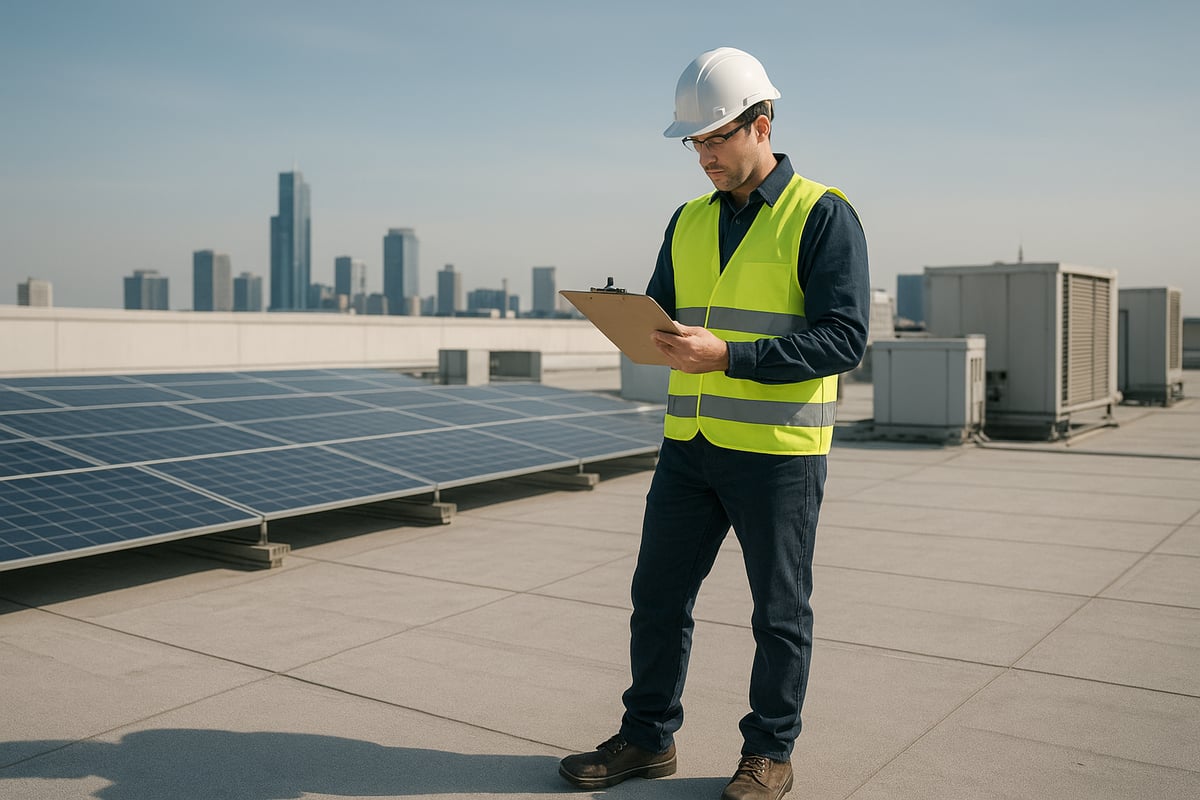
Selecting among the many types of commercial roofing systems is a decision that shapes your property's future value, efficiency, and resilience. In today's rapidly evolving marketplace, facility managers must look beyond the basics and ask the right questions to ensure their investment stands the test of time.
Smart planning starts with a clear understanding of both your property's needs and the broader industry landscape. According to the 2026 State of the Roofing Industry, over 70% of facility managers now prioritize sustainability when evaluating types of commercial roofing systems. This trend reflects not just environmental awareness, but also a focus on long-term savings and regulatory compliance.
Essential Checklist for Decision-Makers
Before finalizing your choice, use this checklist to guide your evaluation:
Total Cost of Ownership: Does your budget account for not just installation, but also long-term maintenance and potential repairs?
Warranty and Service: What are the terms of the warranty? Are maintenance programs and qualified service providers readily available for your selected system?
Sustainability and Energy Efficiency: Can your selected types of commercial roofing systems help lower energy bills or contribute toward LEED certification? Are there tax incentives or rebates available?
Structural Compatibility: Does your building’s structure, slope, and load capacity support the system you are considering?
Expansion and Equipment Needs: Will future rooftop equipment or building additions affect your roofing choice?
Compliance and Safety: Does the roofing system meet all local fire, wind, and safety codes?
Accessibility for Maintenance: Is the roof design practical for regular inspections and repairs?
Aesthetics vs. Function: How important are visual appeal and architectural integration compared to performance?
When comparing types of commercial roofing systems, it is also helpful to use a quick-reference table:
Decision Factor
Why It Matters
Cost of Ownership
Impacts ROI and long-term savings
Warranty & Service
Reduces risk, ensures reliability
Sustainability
Supports compliance, can reduce utility costs
Structural Compatibility
Prevents costly retrofits
Maintenance Accessibility
Lowers ongoing maintenance expenses
Regular professional inspections and proactive maintenance are vital, regardless of the types of commercial roofing systems you select. Skipping these steps can shorten roof lifespan and void warranties.
Finally, always balance aesthetics, performance, and budget. Consider consulting resources like What is Commercial Roofing to deepen your understanding before making a final decision. By asking these key questions now, you can future-proof your investment and ensure your roofing system delivers value for years to come.
Discover expert solutions for leak sealer for roof in 2026 Learn about types application steps innovations costs and maintenance for long lasting protection
Discover expert advice on metal roof leak sealer options for 2026. Learn to prevent costly leaks, choose top products, and apply solutions for lasting protection.