What Is Commercial Roofing? Complete Overview for 2025 Building Owners
Learn what is commercial roofing is, how it works, types of systems, costs, benefits, and key warning signs building owners must know to protect their property in 2025.
Commercial roofing is one of the most important investments for any business property—yet many owners don’t fully understand what it includes, how it works, or how it affects long-term building performance. Whether you manage offices, warehouses, retail spaces, or industrial facilities, knowing what commercial roofing is helps you avoid expensive repairs, energy loss, leaks, and unexpected shutdowns.
In this guide, building owners will learn the full breakdown of commercial roofing systems, materials, costs, maintenance needs, warning signs of damage, and when to call a professional commercial roofing contractor for help. You’ll get practical insights, local considerations, and a clear decision-making path so you can protect your property with confidence.
To explore professional solutions, you can visit our service page here:GM Roofing Services. GM Roofing Services is dedicated to providing high-quality commercial roofing, backed by experienced professionals and dependable workmanship. We help businesses protect their properties with durable, long-lasting roofing solutions.
What You’ll Learn in This Roofing Guide
This guide is designed to help building owners, facility managers, and property investors clearly understand the essentials of commercial roofing in 2025.
Here’s what you’ll learn:
What commercial roofing means and how it differs from residential roofing
Types of commercial roofing systems & materials
Common signs of roof damage for large buildings
What causes commercial roof problems
Repair vs replacement guidance
Commercial roofing contractor workflow
Cost expectations for 2025
Additional services offered by commercial roofing companies
Why Your Commercial Roof Matters More Than You Think
Your commercial roof does far more than protect the structure—it preserves your business operations, equipment, inventory, employees, and customers. A strong roof improves energy efficiency, regulates indoor temperature, and increases your property’s long-term value.
Commercial buildings typically face greater weather exposure, larger surface areas, and more complex drainage systems than homes. When ignored, early issues can escalate into leaks, mold growth, structural weakening, and costly downtime.
Whether you manage a small storefront or a large industrial facility, taking care of your commercial roof is one of the smartest financial decisions you can make for long-term building performance.
Common Signs Your Commercial Roof Needs Attention
Water Stains on Interior Ceilings
Stains, bubbling paint, or wet walls often indicate moisture penetration from the roof. Left untreated, this can harm electrical systems or promote mold. If you notice interior staining, schedule a professional inspection immediately.
Pooling Water on the Roof Surface
Flat and low-slope commercial roofs often develop standing water when drainage systems are blocked. Pooling water accelerates membrane deterioration and leads to leaks. Regular inspection helps catch this early.
Cracked, Blistered, or Peeling Roof Membrane
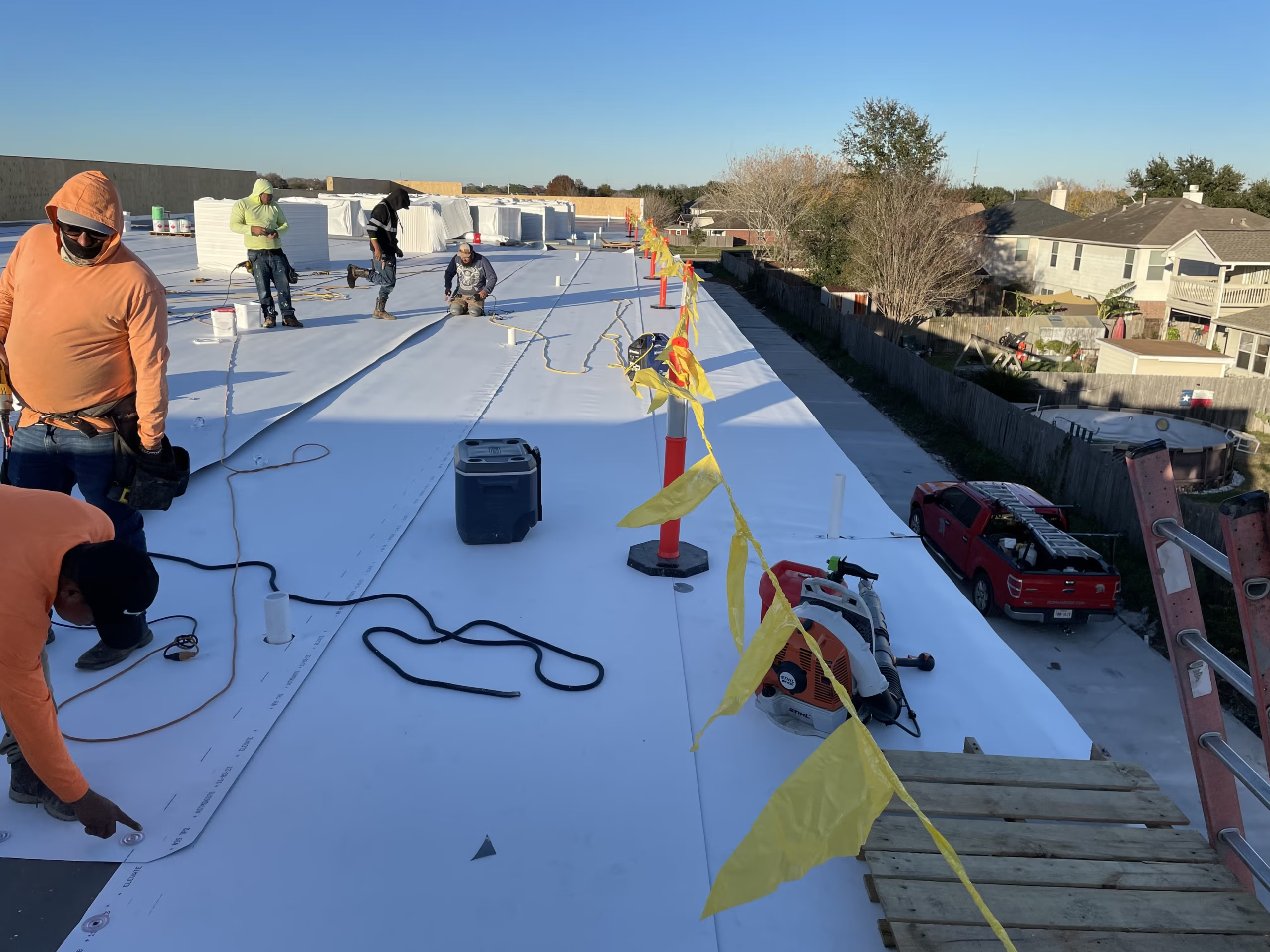
Commercial membranes like TPO, EPDM, or PVC can blister or crack due to age, sun exposure, or installation issues. If the membrane surface feels brittle or uneven, your roof may be compromised.
Loose Flashing or Open Seams
Flashing around vents, skylights, HVAC units, or edges can deteriorate. When flashing lifts or separates, water easily enters the building. This is one of the top causes of commercial roof leaks.
Mold, Algae, or Vegetation Growth
Organic growth is a sign of moisture retention—often caused by poor drainage or a failing membrane. This can weaken the roof and lead to interior contamination.
Increased Energy Bills
If your facility suddenly becomes harder to cool or heat, your commercial roof insulation or membrane may be failing. Commercial roofs significantly impact energy efficiency.
What Causes Commercial Roof Damage?
Severe Weather
Heavy rain, hailstorms, strong winds, and extreme heat all weaken commercial roofing materials over time. Large flat roofs are especially vulnerable to wind uplift and hail impacts.
UV Exposure and Heat
Commercial roofs absorb large amounts of sun exposure. UV rays break down roofing membranes, causing cracking, shrinkage, and faster aging.
Poor Installation
Improper sealing, weak seams, or incorrect material selection can cause premature failure. A qualified commercial roofing contractor is essential for long-lasting results.
Age of the Roof
Most commercial roofs last 15–30 years, depending on the material. As roofs age, they naturally weaken, lose reflectivity, and become more susceptible to leaks.
Lack of Routine Maintenance
Many commercial roof problems start small—then turn costly. Annual maintenance helps detect issues before they escalate and extends the lifespan of your roof significantly.
Commercial Roof Repair vs Replacement: What’s the Right Choice?
Roof Repair Is Best When:
Damage is isolated to a small area
The membrane is under 10–15 years old
Flashing or seams need reinforcement
Leaks are minor and not widespread
Roof Replacement Is Better When:
The roof is approaching 20–30 years old
Damage is widespread across multiple sections
The membrane is severely cracked or shrinking
Energy bills have increased due to insulation failure
A trustworthy roofing company always performs a full inspection first and recommends the most cost-effective solution—not the most expensive one.
How Commercial Roof Repair Works (Step-by-Step)
Step 1: Roof Inspection & Assessment
A roofing expert checks the membrane, seams, insulation, flashing, drainage, and structural soundness.
Step 2: Detailed Quote & Repair Options
You receive a clear explanation of issues and solution options, including repair vs replacement recommendations.
Step 3: Scheduling and Site Preparation
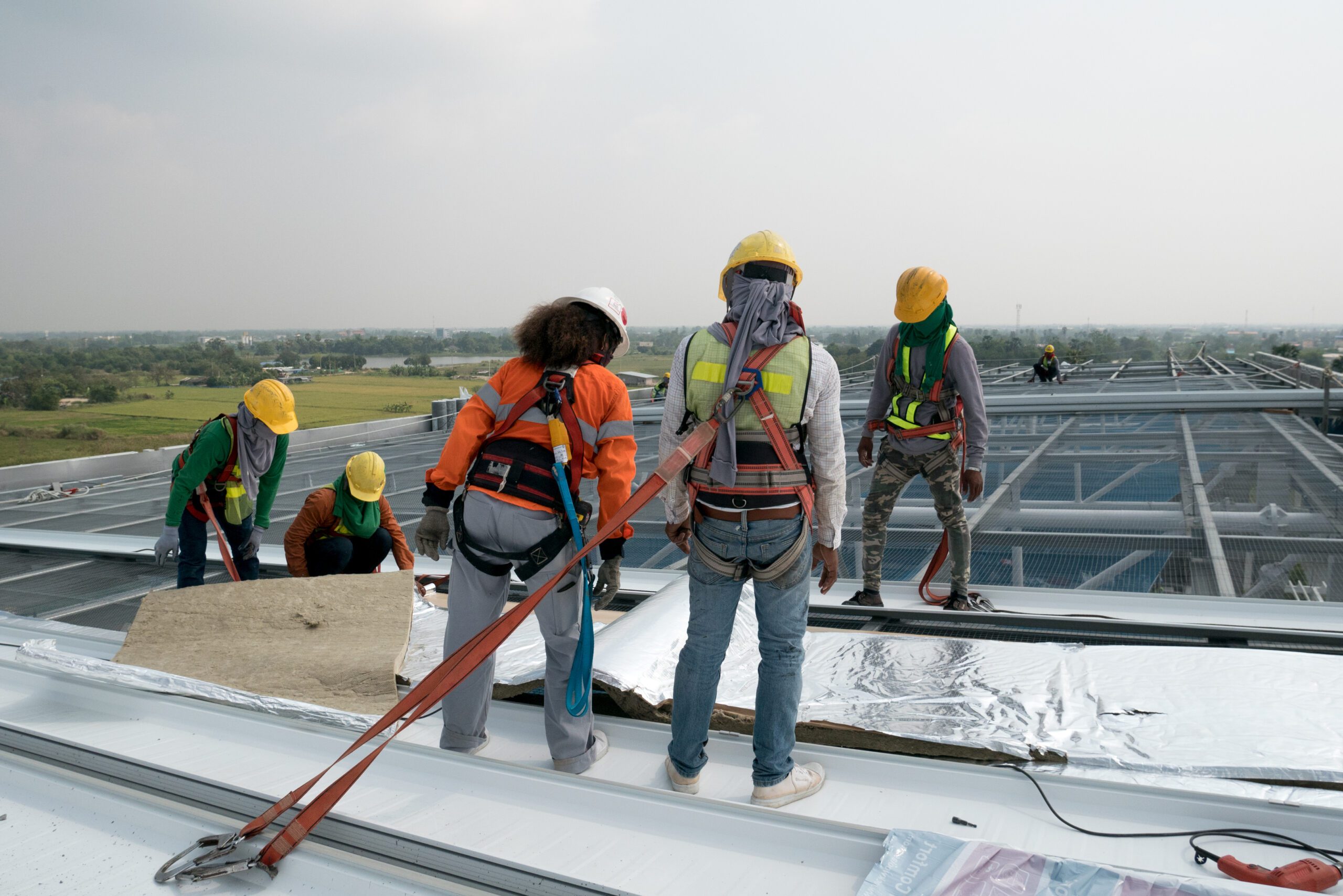
The team sets a date, prepares safety measures, secures equipment, and protects surrounding areas.
Step 4: Repair or Replacement Work
Depending on the project, this may include membrane patching, sealing seams, replacing insulation, or installing a new roofing system.
Step 5: Final Cleanup & Warranty Review
Professionals clean the worksite, verify quality, and explain your warranty for peace of mind.
How Long Commercial Roof Repairs Take & What They Cost
Small commercial roof repairs usually take a few hours to one day, while larger projects may require several days.
Costs vary depending on:
Material (TPO, EPDM, PVC, metal, BUR, etc.)
Roof size
Extent of damage
Labor and accessibility
Typical 2025 commercial roof repair costs range from $4–$12 per square foot, while complete replacements range from $6–$18 per square foot, depending on material quality. For an accurate quote, most contractors offer a free or low-cost inspection.
Commercial Roofing Services Offered
Most local roofing companies provide a full range of commercial roofing solutions, including:
These services help protect your building and extend your roof’s lifespan.
Meet G&M Roofing Services: Trusted Roofing Experts in Texas
G&M Roofing Services is a trusted, fully licensed roofing contractor based in Plano, TX, serving both residential and commercial clients across Texas. With years of hands-on experience, our team has completed hundreds of successful roofing projects, helping business owners, homeowners, and property managers protect their properties with confidence. We specialize in high-quality, long-lasting roofing systems designed to improve building performance, safety, and energy efficiency.
From commercial roof installations and replacements to emergency repairs, detailed inspections, and preventive maintenance, G&M Roofing Services delivers dependable craftsmanship backed by exceptional customer care. Our roofing solutions are tailored to offices, warehouses, retail centers, industrial facilities, and homes across Texas. Guided by honesty, transparency, and a commitment to excellence, we ensure every client receives reliable results and a roof built to last. Contact us today to schedule your inspection or get a free quote.
Conclusion:
Commercial roofing isn’t just a structural feature—it’s a long-term investment that protects your entire business operation. When you understand the different roofing systems, maintenance needs, warning signs, and costs, you make smarter decisions that save money and prevent costly business interruptions. Whether you’re managing a small retail shop or a large industrial facility, choosing reliable materials and partnering with an experienced roofing contractor is the key to long-term building performance and peace of mind.
For dependable, professional support, GM Roofing Services is always here to help. From inspections and repairs to full commercial roof replacements, we ensure your property stays protected year-round with durable, high-quality roofing solutions.
FAQs
What exactly does commercial roofing include?
It includes the installation, repair, maintenance, and replacement of roofing systems for various business properties, such as warehouses, malls, offices, and manufacturing buildings.
How long does a commercial roof last?
Most commercial roofs last 15–30 years, depending on material type, weather exposure, and maintenance frequency.
What type of commercial roofing is best?
TPO and EPDM are popular for affordability and performance, while PVC offers superior chemical resistance. Metal roofs provide the longest lifespan.
How often should I inspect my commercial roof?
Experts recommend two inspections per year—one in spring and one in fall—plus after major storms.
Do commercial roofers help with insurance claims?
Yes, most roofing contractors assist with documentation, photos, and filing claims for storm or hail damage.
What is the difference between commercial and residential roofing?
Commercial roofing involves flat or low-slope roofing systems, larger surface areas, complex drainage, and specialized materials such as TPO, EPDM, PVC, BUR, and metal systems. Residential roofing focuses mostly on pitched roofs with shingles.
How do I know which commercial roofing material is best for my building?
It depends on your building type, climate, foot traffic, energy efficiency goals, and budget. A licensed roofing contractor evaluates your structure and recommends the most suitable material.
Can commercial roofs be repaired during business hours?
Yes. Most contractors schedule repairs in a way that minimizes disruption. They secure safety zones and perform work without interfering with daily operations.
A full replacement may take anywhere from a few days to several weeks depending on roof size, weather, material type, and complexity. Your contractor will give you a clear timeline based on inspection.
Does every commercial roof qualify for coating systems?
Not always. Roof coatings (silicone, acrylic, polyurethane) work best when the existing membrane still has structural integrity. Severely damaged or saturated roofs may require replacement instead. For more guidance on commercial roofing standards and safety requirements, building owners can review the official resources provided by the National Roofing Contractors Association (NRCA).
Discover expert solutions for leak sealer for roof in 2026 Learn about types application steps innovations costs and maintenance for long lasting protection
Discover expert advice on metal roof leak sealer options for 2026. Learn to prevent costly leaks, choose top products, and apply solutions for lasting protection.