What Is TPO Roofing? Benefits, Cost, Lifespan & Installation Explained
Learn what TPO roofing is, its benefits, cost, lifespan, and installation process; a complete guide for homeowners and businesses choosing durable flat roofing.
If you’re trying to understand what is TPO roofing and whether it’s the right choice for your property, you’re not alone. Many homeowners and business owners deal with flat roof leaks, poor insulation, high energy bills, or aging roofing systems that no longer protect the building. TPO has become one of the most popular roofing solutions because it’s durable, energy-efficient, and cost-effective.
For property owners especially, those managing commercial buildings or flat roof homes, knowing the benefits and costs of TPO roofing can help you make an informed decision. In this guide, you’ll learn exactly what TPO roofing is, how long it lasts, installation steps, pricing, and when to call a trusted local roofing company for a free inspection. G&M Roofing Services is a trusted, fully licensed roofing contractor serving homeowners and businesses across Texas. We provide expert TPO roofing installation, repair, and maintenance with quality workmanship and honest, reliable service.
What You’ll Learn in This Roofing Guide
By the end of this blog, you’ll know:
What TPO roofing is and why it’s used
Key benefits and drawbacks of TPO roofing
How weather affects TPO roofs
TPO roofing cost, lifespan, and maintenance
How TPO roof installation works step-by-step
When to repair, when to replace, and when to call a commercial roofing contractor
What Is TPO Roofing?
TPO stands for Thermoplastic Polyolefin, a single-ply roofing membrane used mainly on commercial buildings and modern flat-roof homes. It is made from a blend of rubber, plastic, and reinforcing fillers. TPO roofing is white and highly reflective, which helps lower energy bills and protect the building from heat damage.
What TPO Roofing Is Made Of
TPO membranes contain three layers:
A durable top layer for UV and weather resistance
A polyester scrim for strength
A flexible bottom layer for heat-welding
This design creates a strong, long-lasting flat roof system.
Why TPO Roofing Matters for Your Property
TPO roofing plays a critical role in protecting flat and low-slope buildings from leaks, heat, and long-term structural damage. Its strong membrane protects against UV rays, moisture, mold, and punctures. A well-installed TPO roof can significantly reduce cooling expenses by reflecting sunlight and keeping buildings cooler.
Ignoring flat roof issues can quickly lead to interior water damage, weakened insulation, mold growth, and expensive repairs. That’s why understanding TPO roofing is essential—it helps you choose a roofing system that provides long-term performance and energy efficiency.
Why TPO Roofing Is Popular
TPO (Thermoplastic Olefin) roofing has quickly become one of the most preferred choices for commercial and residential flat roofs. Its blend of durability, cost-effectiveness, and energy efficiency makes it stand out in today’s roofing market. Whether for new construction or roof replacement, TPO offers long-term performance with minimal maintenance needs.
Key Reasons Why TPO Roofing Is So Popular
Energy Efficient: TPO membranes reflect UV rays, helping reduce heat absorption and lowering cooling costs during hot seasons.
Affordable Material Cost: Compared to PVC or EPDM, TPO provides a strong, durable option without the higher price tag.
Durable & Weather Resistant: Built to withstand punctures, tears, chemical exposure, and extreme temperature changes.
Environmentally Friendly: TPO is recyclable and helps improve building energy performance.
Low Maintenance: Once installed, it requires minimal upkeep while maintaining excellent long-term performance.
TPO roofing continues to grow in popularity due to its reliability, efficiency, and long-lasting value—making it a top choice for modern buildings.
Benefits of TPO Roofing
Superior Energy Efficiency
TPO’s bright white surface reflects heat and reduces cooling costs in hot climates. Businesses save significantly on energy bills.
Affordable Installation
Compared to PVC or metal systems, TPO roofing installation costs less while still providing strong performance.
Strong Weather Resistance
TPO roofs hold up well against heat, humidity, wind, hail, and heavy rain. They are especially effective for storm-prone areas.
Flexible & Tear-Resistant
The membrane stretches easily without cracking, making it ideal for shifting or settling building structures.
Low Maintenance Requirements
Regular inspections and simple cleaning keep TPO roofs performing for years with minimal effort.
Local Factors & Causes of TPO Roof Damage
Sun Exposure & Extreme Heat
Constant UV exposure can age any roofing system over time, even durable membranes like TPO.
Poor Installation by Untrained Crews
Heat-welding requires skilled technicians. Wrong installation can lead to leaks and early failure.
Storms, Hail & Wind Damage
Although durable, sharp hail or flying debris can puncture the membrane.
Foot Traffic on the Roof
HVAC technicians or maintenance workers walking on the roof may cause accidental damage.
TPO Roofing Lifespan: How Long Does It Last?
A properly installed TPO roof lasts 20–30 years. Factors that affect lifespan include:
Membrane thickness (45, 60, or 80 mil)
Installation quality
Local climate
Roof maintenance
Foot traffic
Many businesses choose thicker membranes for longer durability.
TPO Roofing Cost: What to Expect
Although costs vary, most TPO roofing installations fall within:
$5.50–$10.50 per square foot for new TPO installation
$1,200–$4,000 for small flat roof repairs
$8,000–$30,000+ for full commercial TPO replacement
Price depends on roof size, membrane thickness, insulation, tear-off needs, and height of the building.
TPO Roof Installation Process
TPO (Thermoplastic Olefin) roofing is a popular choice for commercial and residential flat roofs due to its durability, energy efficiency, and cost-effectiveness. Understanding the installation process helps building owners know what to expect and ensures a long-lasting roof.
Step 1 – Roof Inspection & Measurements
A professional roofing contractor begins by thoroughly inspecting the existing roof. They check for structural integrity, insulation quality, drainage issues, and any pre-existing damage such as cracks or leaks. Accurate measurements of the roof area are taken to determine the amount of TPO membrane and insulation required.
Step 2 – Removing Old Roofing (If Needed)
If the roof has worn or damaged material, the old roofing layers are carefully removed and disposed of according to local regulations. This ensures the new TPO roof sits on a clean, stable surface for maximum durability.
Step 3 – Surface Preparation & Insulation
The roof surface is cleaned and leveled to remove debris, dust, and moisture. High-quality insulation boards are installed to enhance thermal efficiency and protect the roof structure. Proper surface preparation ensures the TPO membrane adheres correctly and prevents future issues.
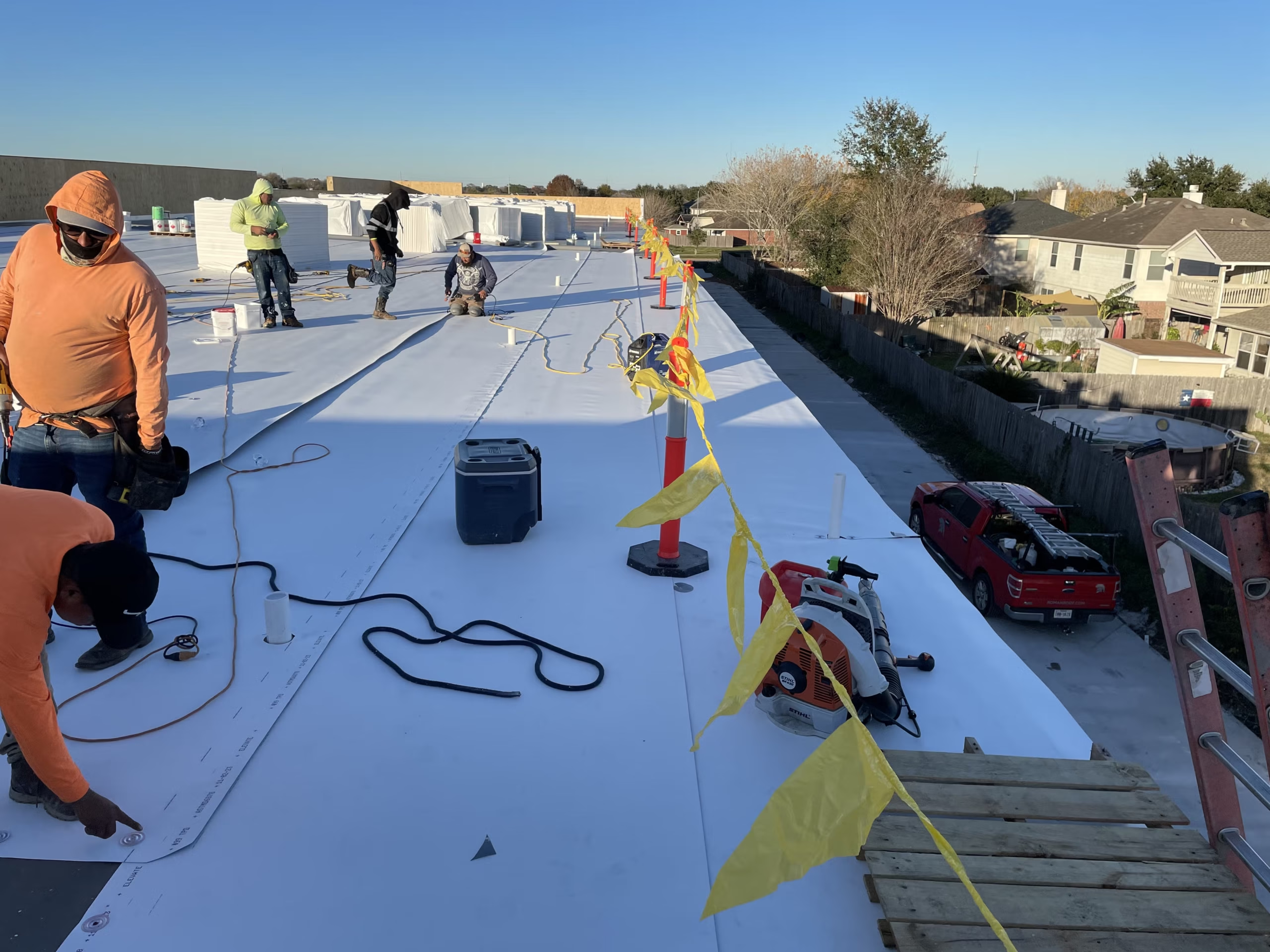
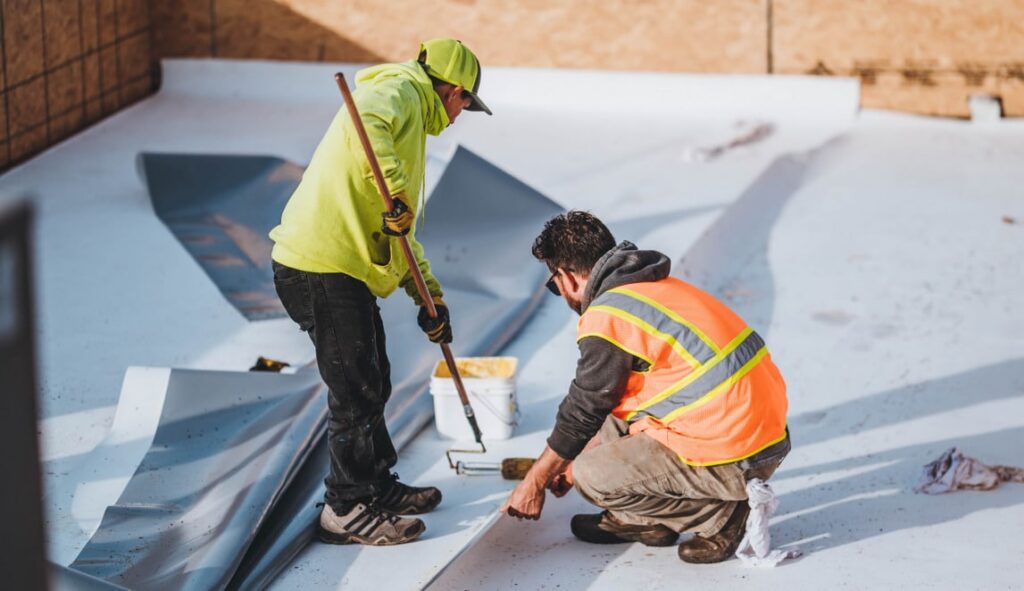
Step 4 – Laying the TPO Membrane
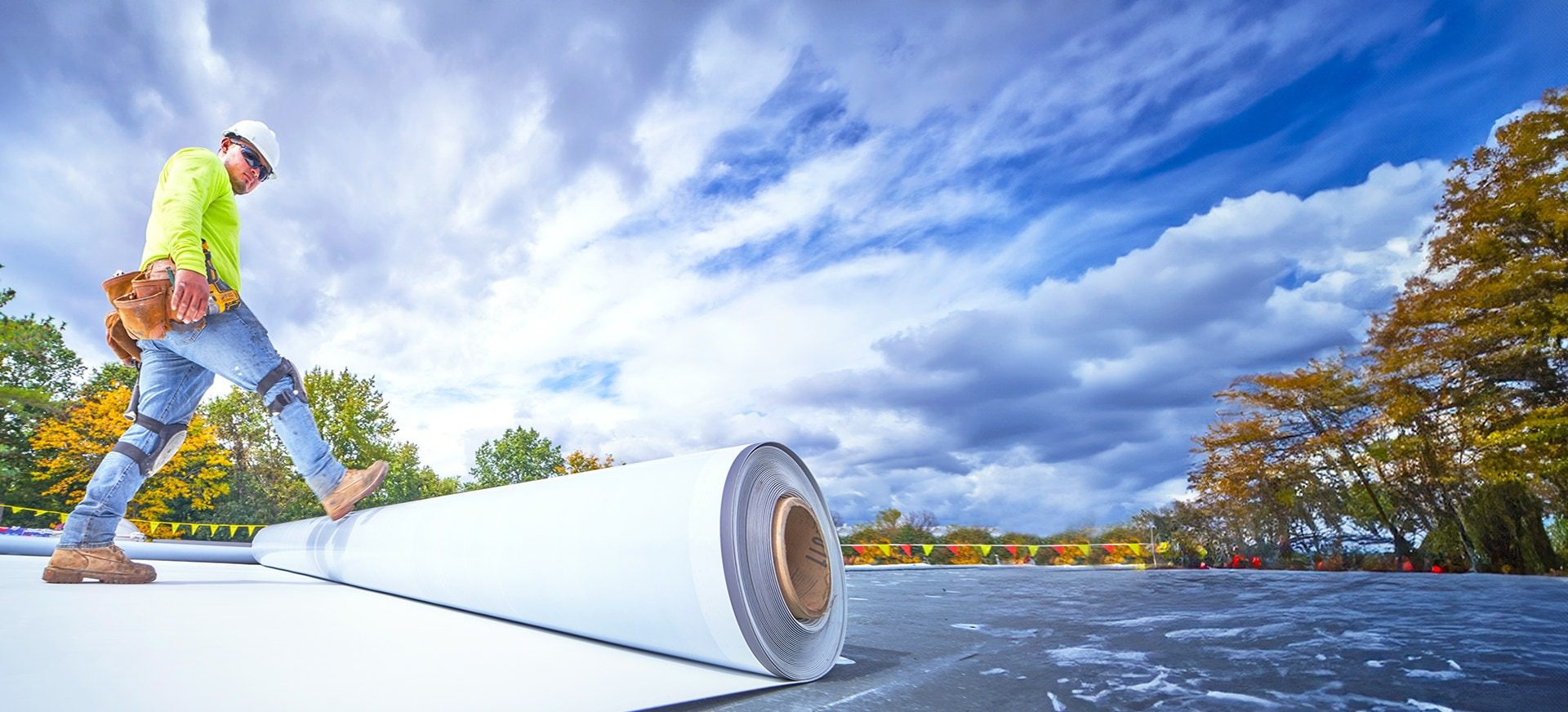
The TPO membrane is unrolled across the roof and aligned precisely. Special care is taken around corners, drains, and roof penetrations like vents or skylights. This ensures full coverage and avoids weak points where leaks could develop.
Step 5 – Heat-Welding the Seams
All membrane seams are sealed using specialized heat-welding equipment. This process creates a watertight bond, preventing leaks and improving the overall lifespan of the roof. Proper welding is critical to the roof’s performance.
Step 6 – Roof Details & Flashing Installation
Flashings, edge trims, and any additional waterproofing components are installed to protect vulnerable areas like roof edges, parapets, and joints. This step ensures that the roof is fully sealed and resistant to harsh weather conditions.
Step 7 – Final Inspection & Warranty
Once the installation is complete, technicians perform a comprehensive inspection to confirm quality and performance. Any minor adjustments are made, and the roof is certified with warranty documentation, giving building owners peace of mind.
TPO Roofing Repair vs Replacement
Repair is enough when:
Damage is small and localized
The membrane is under 10–15 years old
No major water damage under the roof
Replacement is better when:
The roof is 20+ years old
Multiple leaks keep returning
The membrane is brittle or separating
A reputable commercial roofing contractor can help you decide with a free inspection.
Our Roofing Services
We provide full flat roofing solutions, including:
TPO roof installation and replacement
TPO roof repair and maintenance
Flat roof leak detection
Storm and hail damage repair
Roof inspections and commercial roofing services
Meet G&M Roofing Services: Trusted Roofing Experts in Texas
G&M Roofing Services is a trusted, fully licensed roofing contractor based in Plano, TX, serving both residential and commercial clients across Texas. With years of hands-on experience, our team has completed hundreds of successful roofing projects, helping business owners, homeowners, and property managers protect their properties with confidence. We specialize in high-quality, long-lasting roofing systems designed to improve building performance, safety, and energy efficiency.
From commercial roof installations and replacements to emergency repairs, detailed inspections, and preventive maintenance, G&M Roofing Services delivers dependable craftsmanship backed by exceptional customer care. Our roofing solutions are tailored to offices, warehouses, retail centres, industrial facilities, and homes across Texas. Guided by honesty, transparency, and a commitment to excellence, we ensure every client receives reliable results and a roof built to last.
Conclusion
Choosing a TPO roof is more than just selecting a roofing material — it’s investing in long-term protection, energy efficiency, and peace of mind. TPO roofing offers durability, weather-resistance, and significant savings on energy costs thanks to its reflective “cool roof” surface. As long as the installation is completed by experienced professionals and routine inspections are maintained, a TPO roof can last for decades with minimal issues. If you want to reduce cooling costs, avoid leaks, and extend the lifespan of your building, TPO is a smart and future-proof choice. For a reliable inspection and expert guidance, Contact us today to schedule your inspection or get a free quote.
FAQs
Is TPO roofing good for commercial buildings?
Yes. TPO is one of the most popular roofing systems for commercial properties because it’s durable and energy-efficient.
How often should my TPO roof be inspected?
Most roofs should be inspected at least once a year or after major storms.
Can TPO roofing be repaired instead of replaced?
Yes. Small punctures, loose seams, or minor damage can often be repaired quickly.
How long does TPO roofing last?
With proper maintenance and installation, a TPO roof can last 20–30 years.
Can TPO roofing help reduce energy bills?
Yes. The white reflective surface helps lower cooling costs significantly.
Is TPO roofing suitable for residential flat roofs, or only commercial buildings?
Yes — while TPO is widely used on commercial buildings, it can also be installed on residential flat roofs. When properly installed and insulated, it provides the same benefits: energy efficiency, durability, and leak resistance.
Does TPO roofing require special maintenance compared to conventional roofs?
Not really. Maintenance is relatively simple: regular inspections once a year (and after severe weather), cleaning debris from the roof, checking for seam integrity, and repairing small punctures or loose seams promptly.
Will a TPO roof reflect enough sunlight to make a difference in hot climates?
Absolutely. TPO is considered a “cool roof” because its light-colored, reflective surface can significantly reduce heat absorption — lowering indoor temperatures and reducing air conditioning demands.
Can a TPO roof handle heavy foot traffic or rooftop equipment (like HVAC units)?
Yes — but that depends on the membrane thickness and proper installation. Thicker TPO membranes and proper installation over suitable insulation/cover boards provide good puncture resistance and structural strength.
Does installing TPO roofing offer environmental benefits?
Yes. Because of its high solar reflectivity (reducing cooling energy needs) and recyclable nature, TPO roofing supports energy efficiency and sustainability goals.
Discover expert solutions for leak sealer for roof in 2026 Learn about types application steps innovations costs and maintenance for long lasting protection
Discover expert advice on metal roof leak sealer options for 2026. Learn to prevent costly leaks, choose top products, and apply solutions for lasting protection.