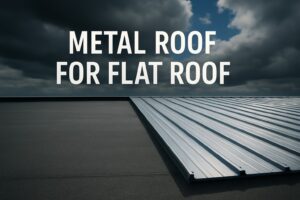
Seam Roof Guide: Everything Homeowners Need to Know 2026
Discover the complete 2026 seam roof guide for homeowners Learn about types benefits installation costs maintenance and future trends to make informed decisions
Homeowners today want more from their roofs. Durability, energy efficiency, and curb appeal are at the top of the list. In response, seam roof solutions have become a leading choice for both modern and traditional homes.
With growing interest in standing seam metal roofing, many are asking what makes these systems stand out. This guide is designed to answer your questions, covering everything from benefits and types to installation steps and future trends for 2026.
Read on for a comprehensive, up-to-date guide to seam roof options. You will gain the knowledge needed to make the best decision for your home.
Seam Roof Basics: What Homeowners Need to Know
Choosing the right roof is crucial for protecting your home and enhancing its appearance. A seam roof is an increasingly popular choice due to its blend of modern style, impressive durability, and remarkable energy efficiency. Understanding the essentials of a seam roof will help you make the best decision for your property.
What Is a Seam Roof?
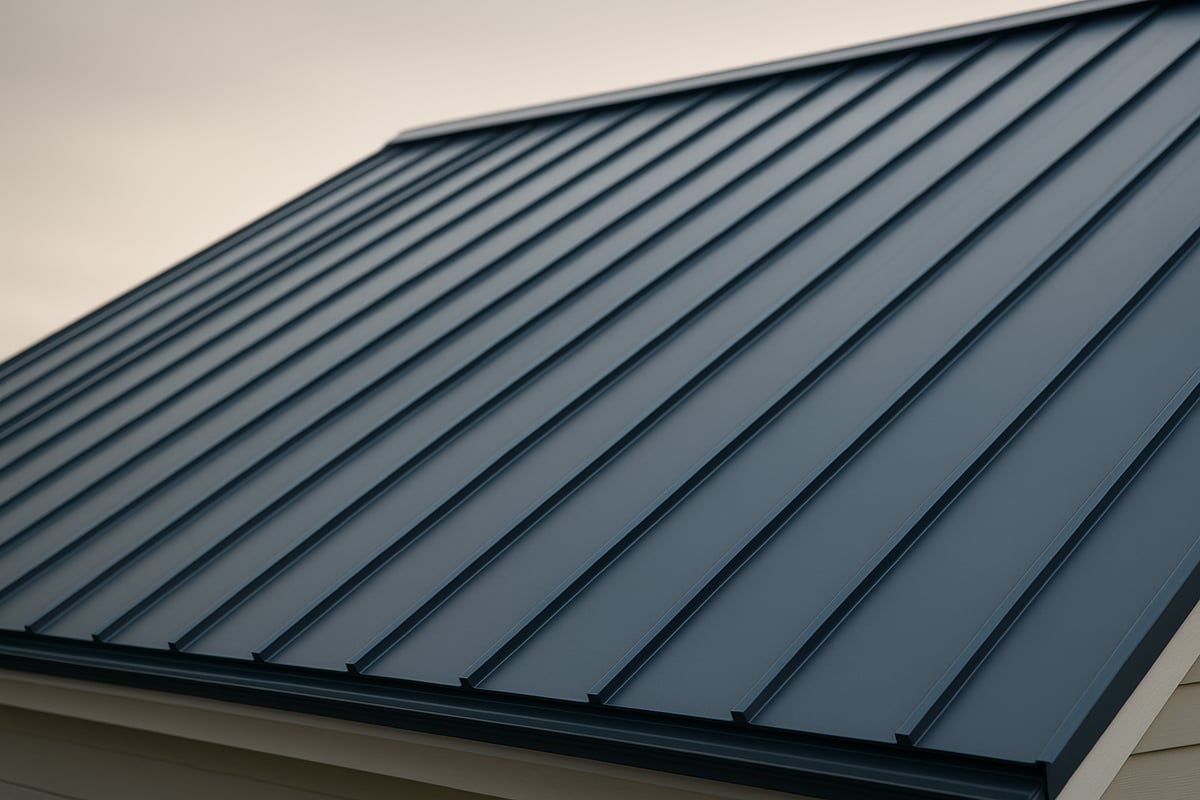
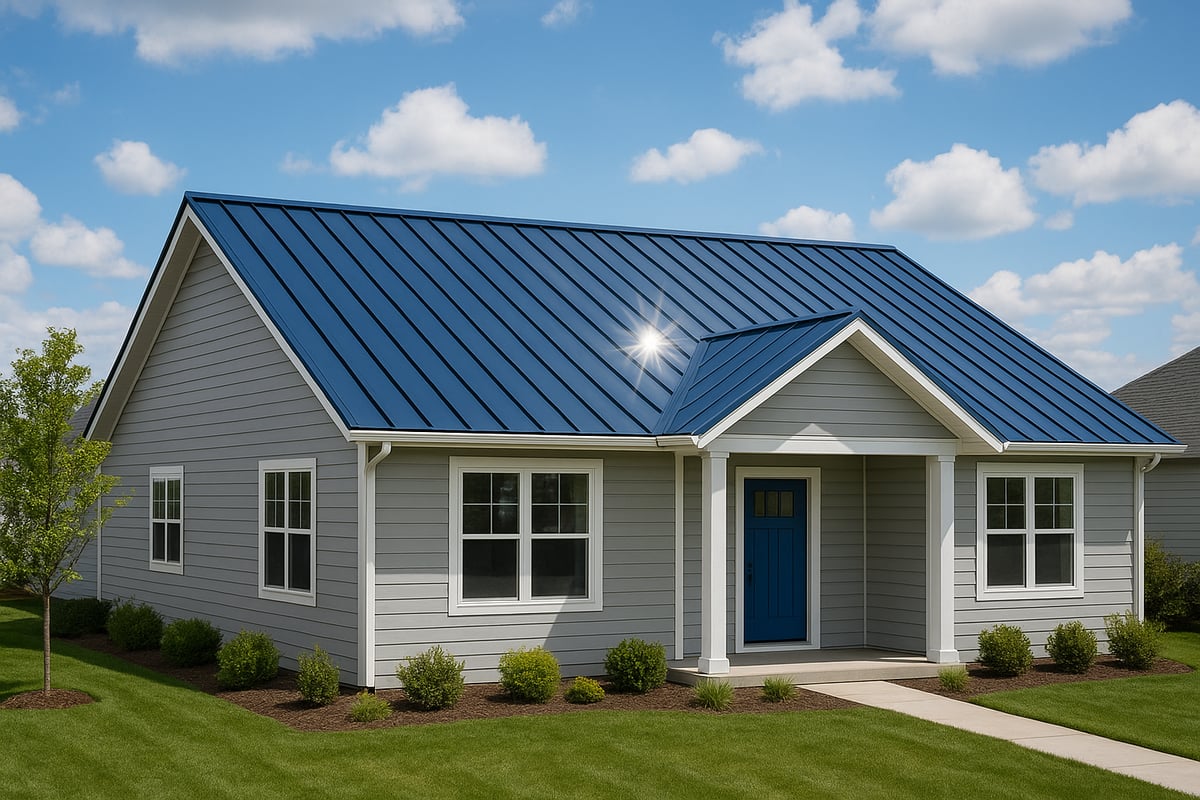
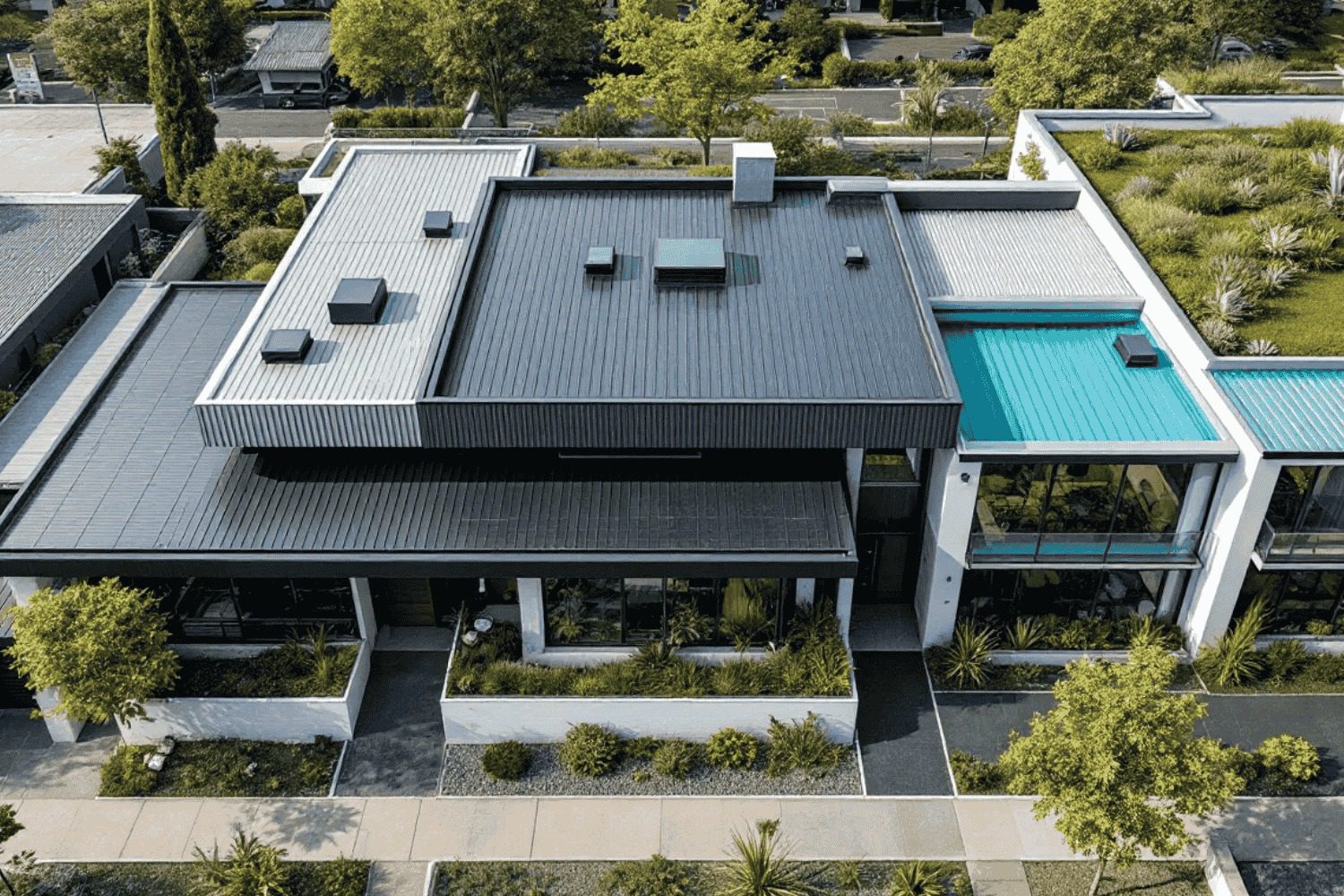
A seam roof is a metal roofing system defined by its raised seams that run vertically from ridge to eave. These seams, typically 1 to 2 inches tall, are created by joining panels with concealed fasteners, resulting in a smooth, uninterrupted surface. The most recognized type is the standing seam roof, known for its crisp lines and modern look.
Unlike roofs with exposed fasteners, a seam roof hides all attachment points, reducing the risk of leaks and corrosion. This design is ideal for both residential and commercial buildings, offering superior weather protection and a clean, architectural appearance. Components of a seam roof include metal panels, seams, fasteners, and a protective underlayment.
Many contemporary homes choose a standing seam roof for its sleek, minimalist style, while traditional homes appreciate its longevity and classic appeal.
Key Benefits of Seam Roofs
A seam roof offers several notable advantages for homeowners seeking long-term value. One primary benefit is exceptional durability; a well-installed seam roof can last 40 to 70 years, far outpacing most asphalt shingles. Its interlocking seams and concealed fasteners provide outstanding resistance to wind, hail, and fire.
Energy efficiency is another key strength. Reflective coatings on a seam roof help deflect sunlight, reducing cooling costs and enhancing comfort. Maintenance needs are minimal compared to traditional roofing, with fewer repairs and less frequent replacement.
A seam roof is also highly versatile, available in a wide range of colors and finishes to complement any architectural style. For example, studies show that a standing seam roof can outlast typical shingle systems by several decades, making it a smart investment.
Common Materials Used
The most common materials for a seam roof include galvanized steel, aluminum, zinc, and copper. Steel provides strength and affordability, while aluminum is prized for its rust resistance, especially in coastal areas. Zinc and copper offer superior longevity and a unique patina over time, but they are often more expensive.
Material thickness, measured in gauge, affects performance; thicker panels deliver greater impact resistance and stability. Paints and coatings like Kynar 500, SMP, or PVDF enhance color retention and weather protection.
For a practical example, many coastal homeowners choose aluminum seam roofs to prevent corrosion from salty air. For more in-depth information on this material, consult the Standing seam aluminium roofing guide.
Seam Roof vs. Other Roofing Systems
When comparing a seam roof to shingles, tiles, or exposed fastener metal roofs, several differences stand out. Seam roofs last significantly longer and require less maintenance, though their initial cost is higher. The concealed fastener system of a seam roof reduces the chance of leaks, while its crisp lines improve curb appeal.
Installation is more complex and typically requires skilled professionals, unlike some other systems that allow for DIY projects. Below is a comparison table highlighting key differences:
Roofing Type
Lifespan (years)
Maintenance
Curb Appeal
Cost
Seam Roof
40–70
Low
Modern, Sleek
Higher
Asphalt Shingles
15–25
Moderate
Traditional
Lower
Exposed Fastener
20–30
Moderate
Industrial
Moderate
Selecting a seam roof means investing in longevity, performance, and a refined appearance that can elevate your home's value.
Types of Seam Roofs & Panel Profiles
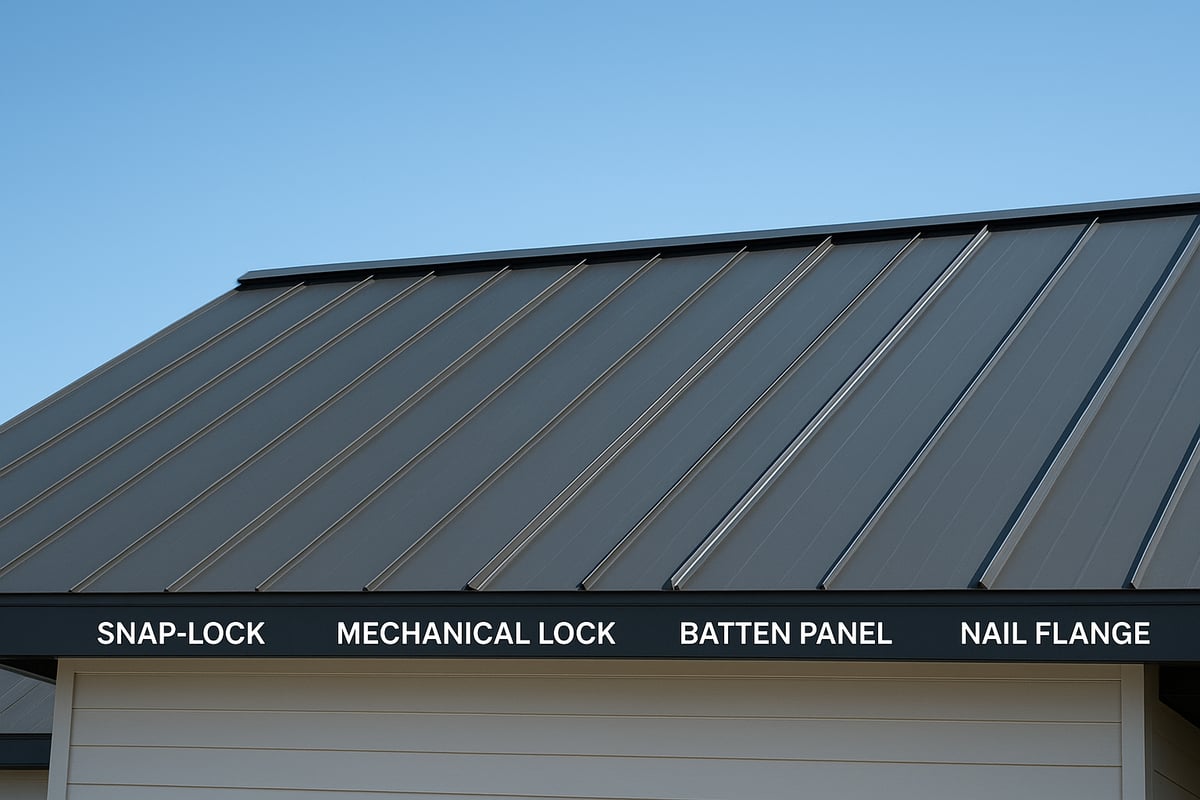
Choosing the right seam roof panel profile is crucial for performance, aesthetics, and long-term value. Homeowners can select from several distinct seam roof types, each offering unique features for different architectural styles and climates. Let us explore the primary profiles you will encounter when considering a seam roof, and how they compare for residential applications.
Snap-Lock Profiles
Snap-lock profiles are a popular choice for seam roof systems in residential construction. These panels feature specially shaped edges that snap together, creating raised seams without the need for mechanical seaming. Installation is straightforward, with panels attached using clips that remain hidden beneath the surface.
Snap-lock seam roof panels are best suited for moderate to steep roof pitches, as they rely on gravity and panel design for water resistance. Homeowners appreciate the cost savings and faster installation, although these roofs may not be the best for low-slope applications. Snap-lock profiles are frequently used in new builds for contemporary curb appeal and reliable performance.
Mechanical Lock Profiles
Mechanical lock profiles deliver enhanced strength and weather resistance for a seam roof. These panels can be single lock (bent at 90 degrees) or double lock (bent fully to 180 degrees), with seams mechanically folded using specialized tools. This creates a watertight barrier ideal for low-slope roofs and challenging climates.
Because mechanical lock seam roof panels require more labor, installation takes longer and typically costs more. Expansion clips are used to allow for metal movement, improving durability in extreme weather. Homeowners in snowy or hurricane-prone regions often choose mechanical lock profiles for their proven protection and longevity.
Batten Panel Profiles
Batten panel profiles give a seam roof a distinctive, architectural appearance. These systems use either tee seams or snap cap battens, where a separate cap is placed over the panel legs, either snapped or mechanically seamed into place. The batten cap adds both visual depth and additional protection at the seam.
Batten panel seam roof systems excel in severe weather, as the raised cap sheds water effectively. Their bold profile is frequently specified in historic renovations or high-end architectural projects, where aesthetics are as important as performance. Homeowners seeking a classic or dramatic look often select batten panels for their seam roof choice.
Nail Flange/Fastener Flange Profiles
Nail flange, also called fastener flange profiles, offer a budget-friendly option for seam roof installation. In these systems, panels are fastened directly to the roof deck through a flange on one edge, then the next panel covers the fasteners. This eliminates the need for clips and speeds up installation.
While nail flange seam roof panels are cost-effective, they have some limitations. Direct fastening can restrict thermal movement, making them less suitable for large roof expanses or low-slope designs. Budget-conscious homeowners may find this profile appealing for smaller, simple roof shapes, but should weigh the potential for expansion issues and installation on less-than-perfect decks.
Panel Sizing, Widths, and Seam Heights
Panel dimensions play a vital role in the look and function of a seam roof. Standard panel widths range from 12 to 18 inches, while seam heights typically fall between 1 and 3 inches. Taller seams improve water resistance, especially on lower slopes.
Manufacturers offer a variety of sizing options, allowing homeowners to customize their seam roof for both performance and curb appeal. For a detailed overview of architectural profiles and customization, explore Architectural metal roofing systems. Carefully chosen sizing enhances the overall durability and modern appearance of your seam roof.
Pros and Cons of Seam Roofs for Homeowners
Choosing a seam roof for your home is a significant investment that offers both notable advantages and some important considerations. Understanding the pros and cons ensures you make an informed decision that aligns with your needs and budget.
Advantages of Seam Roofs
A seam roof delivers exceptional benefits that set it apart from other roofing systems. One of the most compelling advantages is its impressive longevity, with many seam roofs lasting 40 to 70 years. This extended service life means fewer replacements and lower lifecycle costs.
Homeowners also appreciate the energy efficiency of a seam roof. Reflective coatings and cool roofing technologies help reduce heat absorption, leading to lower cooling bills. In fact, studies show that a standing seam roof can reduce cooling costs by up to 25 percent. For a deeper dive into these energy-saving features, review the Energy Efficiency of Standing Seam Roofs.
Additional advantages include:
Minimal maintenance compared to traditional shingle roofs
Superior resistance to wind, hail, snow, and fire
Wide selection of colors and finishes to enhance curb appeal
A seam roof can also increase your home’s resale value. Its modern appearance and durability are attractive selling points for potential buyers.
Potential Drawbacks to Consider
While the seam roof offers many strengths, there are some drawbacks to weigh before committing. The initial installation cost is typically higher than that of asphalt shingles. This investment reflects the quality of materials and the specialized labor required.
Professional installation is essential, as seam roof systems demand precision and expertise. DIY repairs are limited, and improper installation can lead to performance issues. Some homeowners notice increased noise during heavy rain, but this can be mitigated with insulation.
Other potential concerns include:
Oil canning, or visible waviness in the metal panels
Limited options for complex roof shapes
Cost comparison data from 2024 to 2026 shows a seam roof may cost two to three times more upfront than shingles, but the longer lifespan often offsets this over time
Careful budgeting and contractor selection help ensure your seam roof investment delivers long-term value.
When a Seam Roof Is (and Isn’t) the Right Choice
A seam roof is ideal for homeowners seeking durability, energy savings, and modern aesthetics. It works best on homes with simple rooflines and moderate to steep slopes. These roofs are particularly beneficial in regions with harsh weather or high sun exposure.
However, a seam roof may not be suitable for those with very limited budgets or homes with highly intricate roof designs. Homeowners living in historic districts or neighborhoods with strict HOA rules should verify local guidelines before installation.
Real-world testimonials highlight the satisfaction of homeowners who prioritize performance and longevity, making the seam roof a preferred choice for many, but not all, situations.
Seam Roof Installation: Step-by-Step Guide
Installing a seam roof is a transformative upgrade for any home, delivering durability, beauty, and energy efficiency when done right. Understanding each step of the process helps homeowners set expectations, budget effectively, and ensure a flawless result. Here, we break down the installation journey from planning to final inspection.
Pre-Installation Planning
A successful seam roof installation starts long before the first panel is laid. Begin with a thorough inspection of your existing roof structure. This assessment checks for sagging, rot, or damage that could compromise the new seam roof system. Next, precise measurements are taken to determine the total area and panel requirements.
Selecting the right seam roof panel profile and metal material is crucial. Factors like local climate, roof pitch, and aesthetic preferences play a role. Consult with professionals to ensure your choices align with your home’s needs and future maintenance plans.
Permits and approvals are essential, especially if you live in a neighborhood governed by a homeowners association. Gather all necessary documentation before scheduling your project. Use a homeowner checklist to track inspection, measurement, material selection, and permit status, ensuring nothing is missed before the seam roof project begins.
Removing Old Roofing (If Needed)
The decision to remove your old roofing or install the seam roof over it depends on local building codes and the roof’s condition. Removing the old material allows for direct inspection of the decking, revealing any hidden damage that needs repair. This step ensures a solid foundation for your seam roof panels.
Safety is paramount during tear-off. Contractors will use protective equipment, manage debris efficiently, and dispose of old materials according to local regulations. In some cases, minor structural repairs are addressed at this stage, providing a clean slate for the seam roof installation.
Underlayment and Preparation
Underlayment forms the critical barrier between your home and the elements. For a seam roof, synthetic underlayment is often preferred for its durability and moisture resistance, although traditional felt remains an option. In climates with high humidity or heavy rainfall, vapor barriers and additional insulation may be necessary.
Flashing and edge details are prepared to prevent water intrusion at vulnerable points, such as valleys and eaves. The choice of underlayment and flashing should match the performance characteristics of your seam roof material. For example, in a hot, humid state like Texas, synthetic underlayment combined with robust flashing offers long-term protection and reliability.
Panel Installation Process
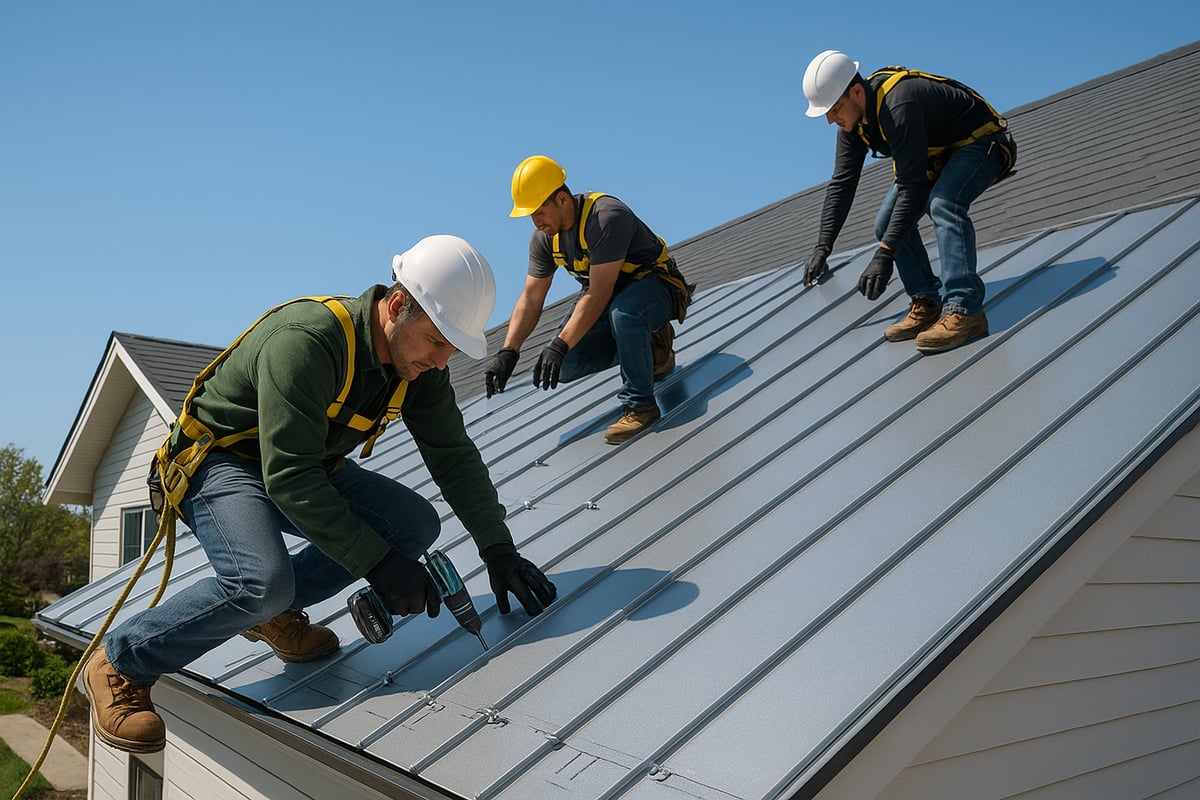
With the foundation set, seam roof panels are laid out and aligned with precision. Each panel is fastened using clips, nails, or screws, depending on the chosen profile. Proper fastening is vital for wind resistance and thermal expansion. Seaming techniques vary: snap-lock panels click into place, while mechanical lock profiles require specialized tools for crimping seams.
As panels are installed, trims, ridge caps, and flashings are integrated to seal joints and roof edges. Attention to detail in these areas prevents leaks and ensures a polished appearance. Quality checks throughout the process help catch misalignments or loose fasteners early.
For homeowners seeking a deeper dive into the installation process and cost breakdowns, the Standing Seam Metal Roof Installation Guide offers an in-depth step-by-step resource.
A typical 2,000 square foot home can expect the seam roof installation phase to take several days, depending on complexity and weather. Common pitfalls include improper panel alignment, missed fasteners, or inadequate flashing, all of which can be avoided with experienced installers.
Final Inspection and Cleanup
The final phase ensures your new seam roof delivers on its promise of protection and longevity. Inspectors check seam integrity, verify fastener security, and confirm all flashing is properly sealed. Any debris from installation is removed, leaving your property clean and safe.
Homeowners should also register warranties at this stage, safeguarding their investment. Detailed documentation of the installation, including photos and inspection reports, supports future maintenance and potential warranty claims.
Seam Roof Costs, Warranties, and ROI in 2026
Understanding the investment required for a seam roof is crucial for homeowners planning a roofing upgrade. Costs can vary based on material, installation complexity, and regional labor rates. This section breaks down what you can expect to pay, what warranties cover, and how your investment pays off over time.
Cost Breakdown: Materials, Labor, and Extras
The total cost of a seam roof in 2026 reflects several variables. Materials make up a significant portion, with options like galvanized steel, aluminum, copper, and zinc each influencing the final price. Labor rates for experienced installers also impact your budget, as seam roof installation requires specialized skills.
Below is a sample cost breakdown for a 2,500 sq ft home:
Component
Low-End Estimate
High-End Estimate
Materials
$8,000
$25,000
Labor
$7,500
$15,000
Underlayment
$1,000
$2,500
Fasteners & Trim
$1,500
$3,000
Total
$18,000
$45,500
A seam roof may cost more upfront than asphalt shingles, but the longevity and durability justify the investment. Thicker panels and premium finishes increase both performance and cost. Labor rates can also fluctuate depending on roof pitch and complexity. For most homeowners, the seam roof is a long-term value play, not just an aesthetic upgrade.
Understanding Warranties
When investing in a seam roof, understanding the warranty coverage is essential. Manufacturers typically provide warranties on both the metal substrate and the paint finish, such as Kynar 500 or SMP coatings. These warranties can range from 20 to 50 years, covering defects like corrosion or paint fading.
Installer warranties are equally important, addressing workmanship and installation quality. Some seam roof systems offer weathertight warranties, guaranteeing leak-free performance when installed by certified professionals. Always register your seam roof warranty promptly to ensure full coverage.
Calculating Return on Investment
A seam roof delivers strong returns through reduced maintenance, lower energy bills, and increased property value. Reflective coatings can cut cooling costs by up to 25 percent, especially in sunny climates. Many insurers offer discounts for homes with a seam roof, thanks to superior fire and weather resistance.
Resale value also benefits, as buyers increasingly seek energy-efficient, durable roofing. Payback periods typically range from 10 to 20 years, depending on local energy rates and climate. Over time, the seam roof offers a compelling combination of savings and peace of mind.
Financing and Incentives
To offset the initial investment, homeowners can explore financing options and green building incentives. State and federal programs in 2026 may offer tax credits for energy-efficient roofing, making a seam roof more accessible. Some lenders provide specialized loans for eco-friendly home improvements, further easing the financial commitment.
Before committing, check with local agencies to see which incentive programs apply to your seam roof project.
Seam Roof Maintenance & Longevity
Keeping your seam roof in top condition is essential for maximizing its lifespan and performance. With proper care, a seam roof can protect your home for decades, offering unmatched durability and energy savings. Understanding how to maintain, inspect, and address common issues will help you get the most from your investment.
Routine Maintenance Tasks
A regular maintenance routine is the foundation for a long-lasting seam roof. Homeowners should schedule annual inspections to check seams, fasteners, and coatings for signs of wear.
Clearing debris, leaves, and branches from the roof surface and gutters helps prevent water buildup and corrosion. Inspect the paint or coating for scratches and touch up as needed to prevent rust.
Here's a simple checklist:
Inspect seams and fasteners each spring and fall
Clean gutters and downspouts regularly
Remove debris from the roof surface
Check for scratches, dents, or corrosion spots
Ensure attic ventilation is clear
For more in-depth advice, review these metal roof maintenance tips to help keep your seam roof in optimal shape.
Preventing and Addressing Common Issues
While a seam roof is designed for durability, issues such as oil canning, loose fasteners, and seam separation can arise. Oil canning, or visible waviness in the metal panels, is often cosmetic but can be minimized by choosing thicker panels and proper installation.
Fasteners may loosen over time, especially in regions with temperature swings. Timely tightening or replacement prevents leaks. Paint fading and chalking are also common but can be addressed with high-quality coatings.
If you notice leaks or damage, prompt action is key. Learn about effective solutions by reading how to repair a metal roof to ensure your seam roof stays watertight and reliable.
Professional Inspections and Repairs
Some seam roof repairs and inspections require a trained professional. If you spot persistent leaks, significant seam separation, or widespread coating failure, consult a certified roofing specialist.
Professional inspections are recommended every few years or after severe weather events. Repair costs vary based on the issue but are generally lower when addressed early. Certified installers ensure repairs meet warranty requirements and industry standards.
Scheduling regular professional visits helps identify hidden problems and extends the performance of your seam roof. Most experts suggest a maintenance inspection every two to three years for optimal results.
Maximizing Roof Lifespan
To get the most from your seam roof, focus on best practices that address both the roof and supporting structures. Ensure proper attic ventilation and insulation to prevent condensation and heat buildup.
Upgrade coatings when recommended and reseal seams if signs of wear appear. Avoid mounting heavy equipment, like solar panels or HVAC units, directly to the panels without professional guidance.
Industry experts highlight that with routine maintenance and timely repairs, a seam roof can last 40 to 70 years or more. Following these tips will help safeguard your investment and maintain peak performance for decades.
Future Trends: Seam Roofs in 2026 and Beyond
Homeowners considering a seam roof in 2026 will find a rapidly evolving landscape shaped by new technologies, design preferences, and increased environmental awareness. As the market grows, understanding these future trends is essential to making the best long-term investment for your home.
Innovations in Seam Roof Materials and Technology
The seam roof industry in 2026 is defined by cutting-edge materials and advanced technology. Manufacturers are introducing new coating systems that offer greater resistance to weathering, UV rays, and corrosion. For instance, next-generation PVDF coatings extend the lifespan of seam roof panels and maintain color vibrancy for decades.
Integration with solar panels is becoming standard, with mounting systems designed specifically for seam roof applications. Smart home technology is also being built into some seam roof systems, allowing homeowners to monitor roof temperature and energy performance in real time. Industry leaders are releasing lightweight, eco-friendly metals that do not compromise on durability.
For those interested in the latest best practices, the Guidelines for Installing Standing Seam Roofs provide valuable insights on proper installation and material selection, ensuring your seam roof investment leverages the newest innovations.
Design Trends and Aesthetic Options
Design trends for seam roof systems in 2026 emphasize both modern minimalism and classic appeal. Homeowners are gravitating toward bold, matte finishes and deeper seam heights, which create striking rooflines. Custom textures and hidden fastener systems deliver a sleek, uninterrupted surface that enhances curb appeal.
Color options are expanding, with popular choices including deep charcoal, metallic silver, and earthy tones that blend seamlessly with natural surroundings. Seam roof systems are being used in both contemporary architecture and traditional home renovations, offering unmatched versatility.
A growing trend is the use of accent panels and mixed materials, enabling homeowners to personalize their seam roof and complement exterior design elements. In 2026, expect to see more homes featuring these unique, customized seam roof profiles.
Sustainability and Environmental Impact
Sustainability is at the forefront of seam roof development. Metal roofing is inherently recyclable, and many seam roof products now use a high percentage of recycled content. Cool roofing technology, which reflects sunlight and reduces heat absorption, is becoming more common, helping to lower energy use and mitigate urban heat islands.
Seam roof systems contribute to LEED certification and other green building standards, making them a top choice for environmentally conscious homeowners. In fact, a seam roof can be a vital component in achieving net-zero energy status for modern homes.
A recent case study highlighted how a seam roof installation reduced a home's cooling costs by 20 percent, underscoring the environmental and financial benefits of this roofing solution.
Market Outlook and Homeowner Adoption
The seam roof market is positioned for robust growth through 2026 and beyond. Recent industry surveys report a 15 percent increase in residential seam roof installations between 2024 and 2026, driven by stricter building codes, rising insurance incentives, and a focus on resilience against severe weather.
Key factors influencing adoption include improved energy efficiency, long-term cost savings, and the desire for modern aesthetics. Homeowners are also motivated by the potential for increased property value and reduced maintenance.
Year
Residential Seam Roof Installations (US)
Growth Rate
2024
120,000
–
2025
132,000
10%
2026
138,000
4.5%
With these trends, the seam roof remains a leading choice for future-focused homeowners.
Discover expert solutions for leak sealer for roof in 2026 Learn about types application steps innovations costs and maintenance for long lasting protection
Discover expert advice on metal roof leak sealer options for 2026. Learn to prevent costly leaks, choose top products, and apply solutions for lasting protection.