Standing seam aluminium roofing is rapidly becoming the go-to choice for both commercial and residential properties in 2026, as adoption rates reach new heights. With a sleek, modern appearance and unmatched durability, more property owners are turning to this innovative roofing solution.
This expert guide will walk you through the key benefits, installation process, costs, and maintenance considerations of standing seam aluminium roofing. Whether you are a property owner, facility manager, or contractor, you will gain clear, actionable insights to make informed decisions.
Explore the system basics, discover unique advantages, learn about installation steps, cost factors, maintenance routines, and see what the future holds. Let’s unlock the potential of standing seam aluminium roofing for your next project.
Understanding Standing Seam Aluminium Roofing
Standing seam aluminium roofing is rapidly transforming the market for both residential and commercial properties. Its innovative design and robust performance distinguish it from more traditional roofing solutions, making it a top choice for those seeking long-term value.
What Is Standing Seam Aluminium Roofing?
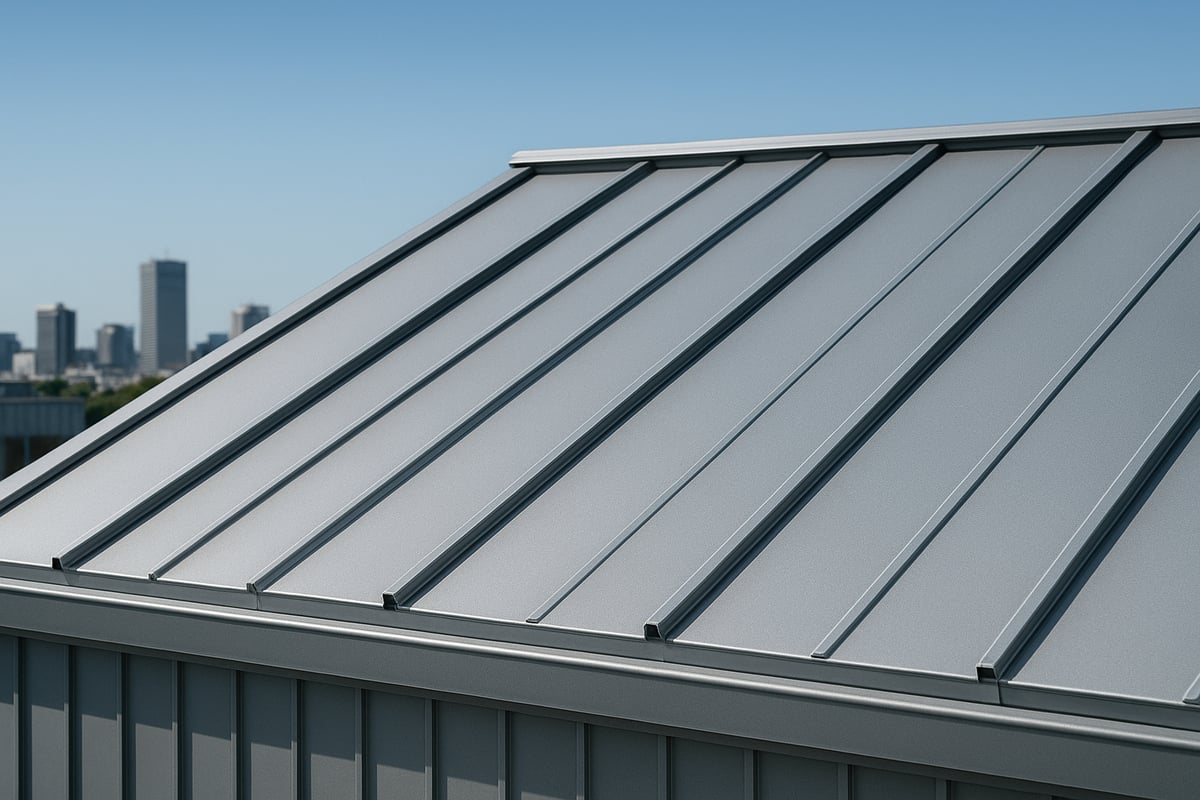
Standing seam aluminium roofing refers to a premium metal roofing system where long, interlocking panels run vertically from the eave to the ridge. The seams, raised above the panel surface, are either snap-locked or mechanically seamed to provide superior weather resistance.
Unlike corrugated or exposed-fastener metal roofs, standing seam aluminium roofing conceals all fasteners for a clean, modern look and enhanced durability. Profiles include snap-lock, which clicks panels together, and mechanical seams, which use specialized tools for a tighter seal. For a visual comparison, diagrams often show how the panel edges interlock to form continuous, raised seams.
Key Features and Components
The core features of standing seam aluminium roofing include panel widths typically ranging from 12 to 24 inches and seam heights of 1 to 2 inches. Fastening is achieved using hidden clips that allow for natural expansion and contraction as temperatures change.
Every system requires a high-quality underlayment and a suitable substrate, such as plywood or metal decking. Flashings, ridge caps, and closures are essential for waterproofing vulnerable roof joints. Common accessories include snow guards and vented ridge caps. Standard components in a typical system are:
- Aluminium panels
- Concealed clips and fasteners
- Underlayment
- Flashings and trims
- Closures and sealants
Advantages of Aluminium as a Roofing Material
Standing seam aluminium roofing offers a combination of lightweight strength and long-term resilience. Its corrosion resistance is particularly valuable in coastal or industrial areas, where salt and pollutants can degrade other metals.
Aluminium’s natural reflectivity helps reduce heat absorption, improving building energy efficiency and lowering cooling costs. The material is fully recyclable, supporting sustainability goals. With an average lifespan of 40 to 70 years, standing seam aluminium roofing outlasts most alternatives, reducing replacement frequency and environmental impact.
Types of Standing Seam Systems
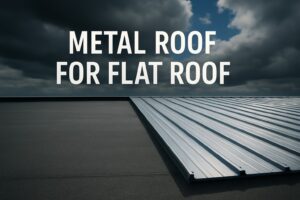
There are two main categories of standing seam aluminium roofing systems: architectural and structural. Architectural systems are designed for aesthetics and are suitable for steep-slope applications, while structural systems provide enhanced watertightness for low-slope or flat roofs.
Seam options include snap-lock, ideal for simpler installations, and mechanically seamed panels, which are crimped for extra strength and weather protection. Curved, tapered, and custom panels allow for creative designs. For more technical details, visit this standing seam metal roofing overview. Commercial buildings often use structural systems, while many high-end residences opt for architectural panels to maximize curb appeal.
Common Applications and Suitability
Standing seam aluminium roofing is highly versatile, performing well on both low-slope and steep-slope roofs. It is widely used in commercial, industrial, and luxury residential projects due to its adaptability and proven weather resistance.
In regions with harsh climates, the system’s wind, hail, and fire ratings provide peace of mind. For example, a recent large-scale commercial development in a coastal city utilized standing seam aluminium roofing to meet strict durability and sustainability standards, demonstrating its suitability for demanding environments.
Benefits of Standing Seam Aluminium Roofing
Standing seam aluminium roofing provides a suite of compelling benefits that set it apart from other roofing materials. Property owners and facility managers are increasingly drawn to this system for its blend of strength, efficiency, and style. Below, we explore why standing seam aluminium roofing is a top choice for both commercial and residential projects.
Durability and Longevity
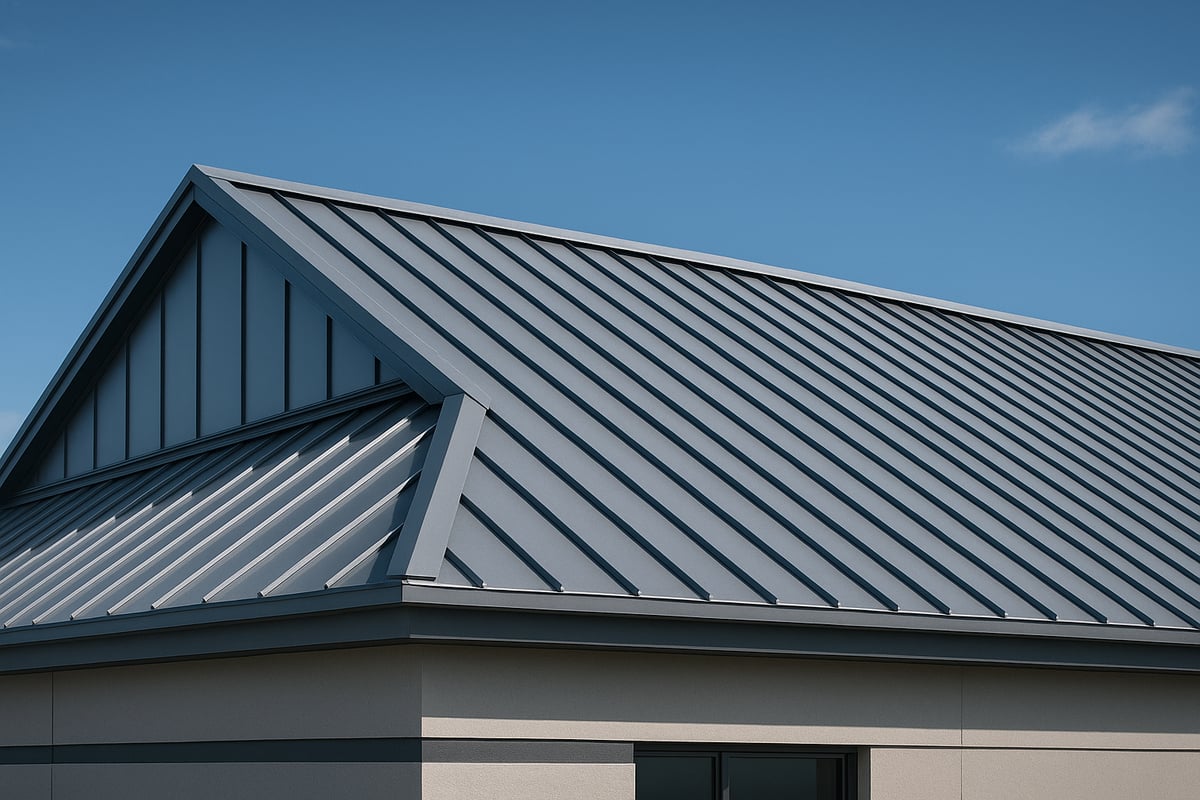
Standing seam aluminium roofing is renowned for its exceptional durability. The system resists rust, corrosion, and environmental damage, making it ideal for harsh climates and coastal areas. Aluminium’s non-ferrous nature ensures long-term performance, with an average lifespan between 40 and 70 years.
Routine maintenance needs are minimal, which reduces ongoing costs. In fact, fewer than 5 percent of aluminium roofs require major repairs within the first 30 years. For a deeper dive into these benefits, review the Advantages of Standing Seam Metal Roofs. With standing seam aluminium roofing, peace of mind comes standard.
Energy Efficiency and Sustainability
Standing seam aluminium roofing offers outstanding energy efficiency. The reflective surface naturally deflects solar heat, helping maintain comfortable interior temperatures and reducing cooling costs. Many systems qualify as cool roofs, which can contribute to lower energy bills and improved building performance.
Choosing aluminium also supports sustainability goals. The material is fully recyclable and often made with a high percentage of recycled content. Property owners seeking LEED or other green certifications will find standing seam aluminium roofing to be an environmentally responsible option.
Aesthetic Versatility
The modern, streamlined appearance of standing seam aluminium roofing is a favorite among architects and designers. Concealed fasteners create clean lines and a sleek profile, enhancing curb appeal for any property type.
A wide range of colors, finishes, and panel profiles are available to suit various architectural styles. In addition, standing seam aluminium roofing integrates seamlessly with solar panels or green roof systems. This versatility makes it a popular choice in high-profile commercial and residential projects.
Weather and Fire Resistance
Standing seam aluminium roofing is engineered to withstand extreme weather conditions. It delivers superior wind uplift ratings, often up to 140 mph, and performs reliably in hail, snow, and heavy rain. The non-combustible aluminium panels carry a Class A fire rating, offering an extra layer of safety.
In regions prone to severe storms or wildfires, property owners may qualify for insurance discounts by installing standing seam aluminium roofing. This resilience, combined with low maintenance, makes it a smart investment for long-term protection.
Expert Installation Process: Step-by-Step Guide
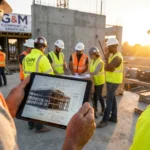
A professional installation is crucial to unlock the full benefits of standing seam aluminium roofing. This step-by-step guide outlines the expert process, ensuring durability, watertight performance, and long-term value for property owners. From site assessment to final inspection, each phase is designed to maximize the lifespan and efficiency of your standing seam aluminium roofing.
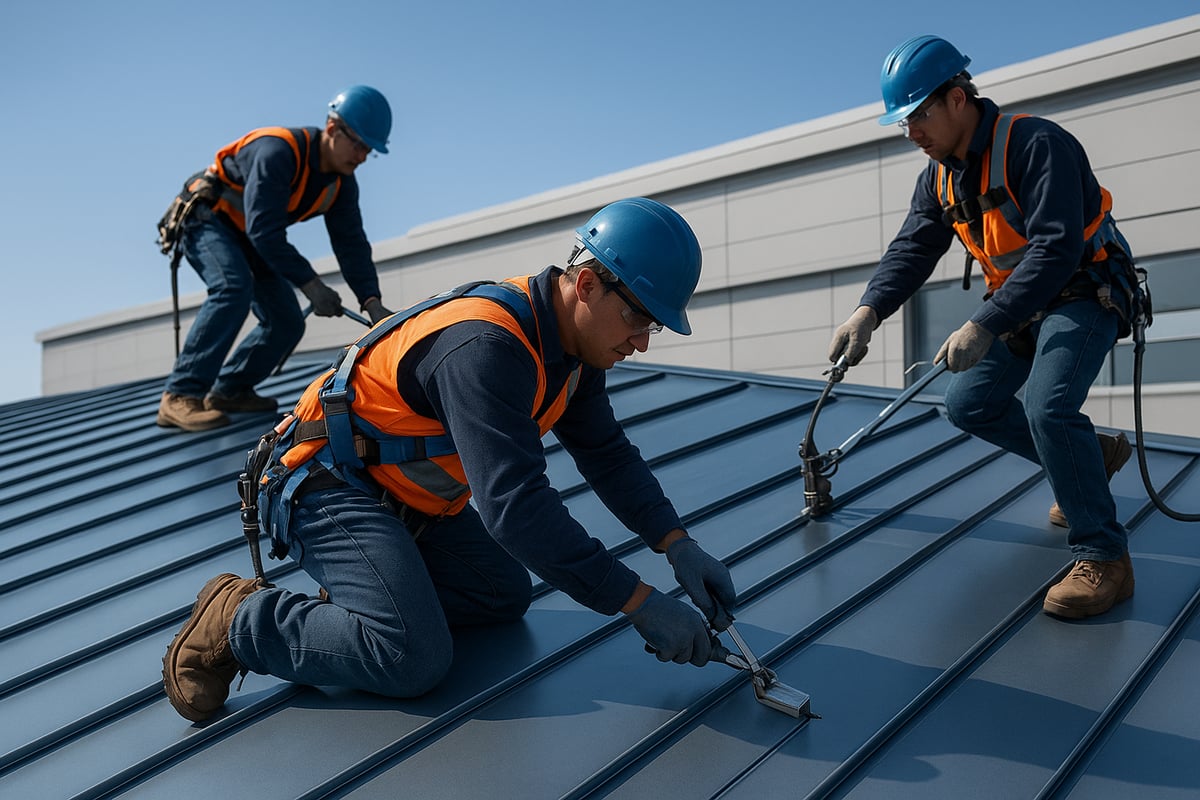
Step 1: Roof Assessment and Preparation
The first step in installing standing seam aluminium roofing is a thorough inspection of the existing roof structure. Professionals check for damage, rot, or structural weaknesses that could compromise the system.
Old roofing materials are removed, and the substrate is cleaned and leveled. Address any sagging or water damage before proceeding.
Pre-Installation Checklist:
- Inspect trusses and decking for stability
- Remove debris and outdated materials
- Repair or replace damaged substrate
- Confirm roof pitch suits standing seam aluminium roofing
Proper preparation lays the foundation for a successful installation and prevents future issues.
Step 2: Measuring and Panel Fabrication
Accurate measurements are the backbone of a flawless standing seam aluminium roofing system. Installers use digital tools to calculate roof length, width, and slope.
Custom panels are fabricated either on-site or in a factory, depending on project needs. Precision is critical, as even minor discrepancies can lead to leaks or misalignment.
Key Tasks:
- Measure all roof sections, including hips and valleys
- Specify panel width and seam height
- Confirm dimensions against architectural plans
- Prepare panels for unique roof features
This meticulous approach ensures each panel fits perfectly, optimizing performance and appearance.
Step 3: Underlayment and Flashing Installation
High-quality waterproof underlayment is essential for protecting the building beneath standing seam aluminium roofing. Installers roll out the underlayment, overlapping edges to prevent moisture intrusion.
Flashing is placed at eaves, valleys, ridges, and roof penetrations. Special attention is given to vulnerable areas where leaks are most likely to occur.
Best Practices:
- Use self-adhering or synthetic underlayment for superior protection
- Secure flashing with compatible fasteners
- Ensure underlayment extends beyond roof edges
- Inspect all seams for complete coverage
Well-executed underlayment and flashing are vital to the system’s longevity and weather resistance.
Step 4: Panel Installation and Seaming
With the foundation set, installers lay out standing seam aluminium roofing panels according to the project design. Panels are aligned precisely, starting from one edge and working across the roof.
Concealed clips or fasteners are used to secure each panel, allowing for thermal movement. Seams are locked together, either by snapping or with a mechanical seamer, to create a continuous, watertight barrier.
Installation Steps:
- Position panels with proper overlap
- Attach using hidden clips or fasteners
- Seam panels with appropriate tools
- Allow for expansion and contraction
A time-lapse of this process highlights the expertise and attention to detail required at this stage.
Step 5: Detailing and Finishing Touches
Final details make a significant difference in the performance and appearance of standing seam aluminium roofing. Installers add ridge caps, closures, and trim to seal all joints and edges.
All penetrations, such as vents or skylights, are sealed using specialized gaskets or sealants. A comprehensive inspection ensures all components are secure and watertight.
Common Detailing Mistakes to Avoid:
- Incomplete sealing of penetrations
- Omitted or misaligned trim pieces
- Insufficient fastener torque
- Overlooking movement allowances
Attention to detail during finishing touches helps eliminate future maintenance issues.
Step 6: Post-Installation Inspection and Maintenance Planning
After installation, a thorough final walkthrough is conducted. Installers document the completed standing seam aluminium roofing, noting materials used and any unique features for warranty records.
A maintenance schedule is established, outlining periodic inspections and cleaning routines. For ongoing care and peace of mind, it is wise to consult a metal roofing contractor services provider for professional support.
Recommended Maintenance Intervals:
- Inspect roof biannually and after major storms
- Clean debris from gutters and panels every season
- Address minor issues promptly to prevent escalation
This final step ensures your investment in standing seam aluminium roofing delivers lasting protection and value.
Cost Factors and ROI Analysis
Understanding the cost structure and return on investment for standing seam aluminium roofing is vital for property owners, facility managers, and contractors. This section breaks down 2026 pricing, long-term savings, warranty and insurance factors, price variables, and ROI for commercial applications.
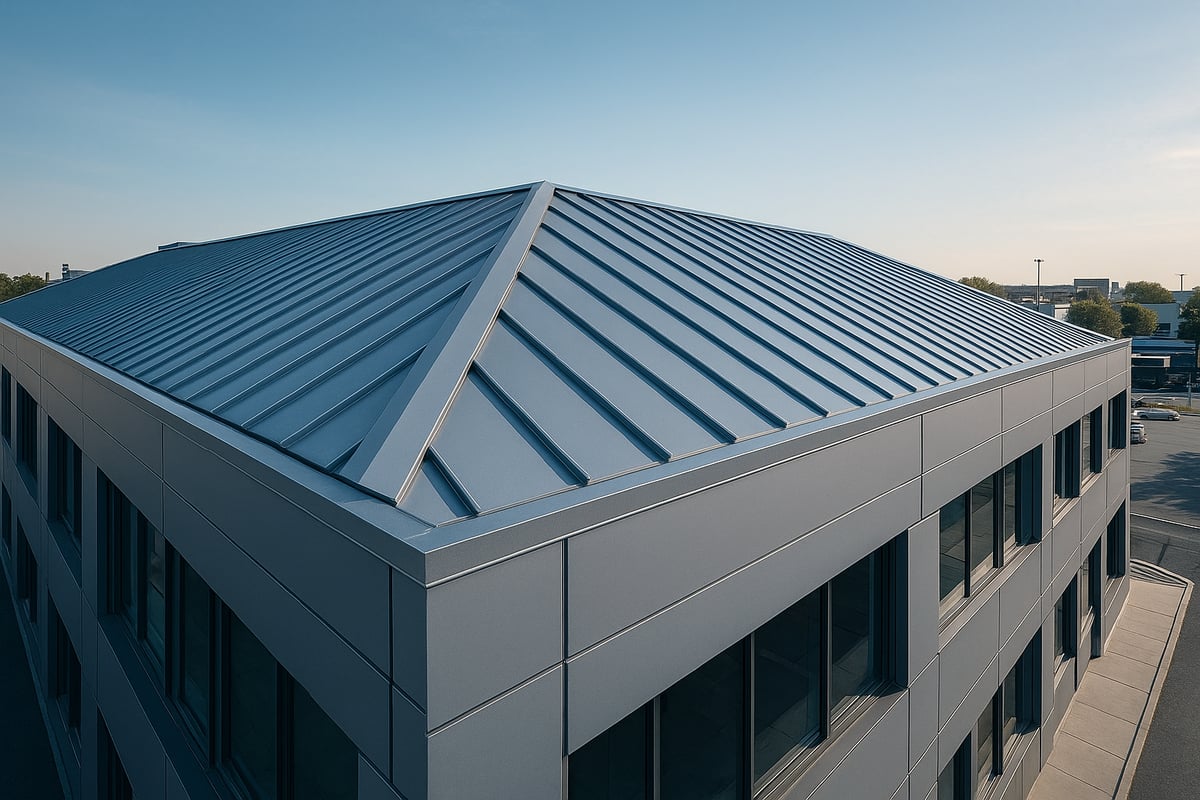
Material and Labor Costs in 2026
The cost of standing seam aluminium roofing in 2026 reflects both material quality and labor expertise. On average, property owners can expect to pay between $10 and $18 per square foot installed, influenced by regional supply chain dynamics and installer qualifications. Areas with higher demand or limited access to skilled labor may see prices at the upper end of the range.
Labor costs are a significant portion of the total, often accounting for 40% to 60% of the project due to the precision required. For a detailed breakdown of current expenses and what drives pricing, refer to this comprehensive Standing Seam Metal Roof Cost Analysis. This ensures you have up-to-date figures when budgeting for standing seam aluminium roofing.
Lifecycle Cost Savings
One of the most compelling advantages of standing seam aluminium roofing is its lifecycle cost efficiency. Unlike asphalt shingles, aluminium systems require far less frequent repairs and replacements. Over 20 years, the total cost of ownership is typically lower, thanks to reduced maintenance and superior durability.
Energy savings further boost the value proposition. The reflective properties of aluminium panels help decrease cooling costs, making a noticeable impact on utility bills. When evaluating roofing options, standing seam aluminium roofing stands out as a long-term investment that offers both financial and operational benefits.
Warranty and Insurance Considerations
Standing seam aluminium roofing generally comes with robust warranty coverage. Leading manufacturers offer warranties ranging from 20 to 40 years, often backed by installer workmanship guarantees. These warranties usually cover panel integrity, paint finish, and weather resistance, although exclusions may apply for improper installation or severe impact damage.
Insurance providers favor standing seam aluminium roofing for its fire resistance and weather durability, which can translate to premium discounts. In some cases, property owners have successfully filed claims for storm damage, underscoring the system’s recognized reliability and protection.
Factors Affecting Final Price
Several variables influence the final price of a standing seam aluminium roofing project. Roof complexity is a major factor, with intricate shapes, steep pitches, and multiple penetrations increasing both material and labor requirements. Custom panel lengths or specialty finishes can also drive up costs.
Additional features such as snow guards, skylights, or integrated solar panel mounts add to the investment. For standard designs, costs remain more predictable, while custom projects require a tailored estimate. Comparing options allows property owners to align features with budget constraints for standing seam aluminium roofing.
Return on Investment for Commercial Properties
Standing seam aluminium roofing delivers strong ROI for commercial buildings. Its durability and minimal maintenance boost property value and appeal to prospective tenants or buyers. Many regions offer tax incentives and rebates for energy-efficient roofs, enhancing the financial return.
On average, commercial properties see a 75% to 85% return on their investment in standing seam aluminium roofing. This combination of operational savings, insurance benefits, and resale value makes it a preferred choice for long-term asset management.
Maintenance, Repairs, and Longevity Tips
Maintaining standing seam aluminium roofing is essential for maximizing its longevity and performance. With proper care, these roofs can easily outlast many other materials, offering decades of reliable protection. Proactive maintenance reduces repair costs and helps preserve the roof’s appearance and energy efficiency.
Routine Maintenance Best Practices
Regular inspections are key for keeping standing seam aluminium roofing in peak condition. Start with an annual visual check, looking for debris, accumulating leaves, or signs of mold and algae. It’s important to keep gutters and roof drains clear to prevent water buildup and ensure proper drainage.
A maintenance schedule should include gentle cleaning with water or a mild detergent, avoiding harsh chemicals. Address any overhanging branches or nearby structures that could scratch or dent the roof. Using a maintenance log template can help track inspections and tasks over time. For more in depth guidance, refer to these metal roof maintenance tips to establish a robust routine.
Common Issues and Solutions
Standing seam aluminium roofing is highly durable, but even the best systems can encounter minor issues. Common problems include loose seams, fasteners backing out, or small dents from hail or debris. These should be addressed promptly to prevent leaks or further damage.
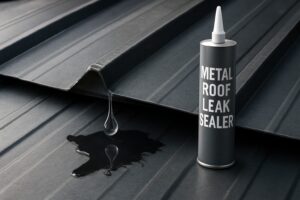
If you notice a minor leak, check the seams and fasteners for gaps or movement. Small dents can often be gently repaired without compromising the roof’s integrity. Watch for signs of galvanic corrosion if dissimilar metals have been used nearby. Quick fixes, like tightening clips or applying sealant to minor splits, can extend the life of your roof and maintain its weather resistance.
Professional Repairs and When to Call an Expert
While many minor maintenance tasks are straightforward, some repairs require professional attention. If you observe persistent leaks, widespread corrosion, or significant panel movement, it’s best to consult a qualified metal roofing contractor. Experts have the tools and experience to diagnose and resolve complex issues without risking further damage.
Timely intervention is crucial to prevent small problems from escalating into major repairs. Statistics show that over 90 percent of professional repairs on standing seam aluminium roofing are resolved successfully on the first visit. When in doubt, prioritize safety and expertise to protect your investment and ensure warranty coverage remains intact.
Maximizing Roof Lifespan
To get the most from your standing seam aluminium roofing, invest in protective coatings and surface treatments that enhance resistance to weather and UV exposure. Minimize foot traffic, as unnecessary movement can cause dents or loosen seams. Upgrading insulation and ventilation improves energy efficiency and helps regulate temperature extremes.
Proactive care, such as regular inspections and prompt attention to minor issues, can add years to the roof’s service life. Thoughtful maintenance not only maintains appearance but also protects structural integrity, ensuring your standing seam aluminium roofing continues to perform reliably for decades.
Future Trends and Innovations in Standing Seam Aluminium Roofing
The future of standing seam aluminium roofing is being shaped by rapid technological advancements, sustainability goals, and evolving architectural preferences. In 2026 and beyond, property owners and industry professionals can anticipate a wave of innovations set to elevate performance, aesthetics, and environmental stewardship. Let us explore the key trends redefining standing seam aluminium roofing for the next generation.
Technological Advancements in Materials
Material science is driving new possibilities for standing seam aluminium roofing. Next-generation aluminium alloys are engineered for higher strength and reduced weight, making them ideal for both commercial and residential structures. Advanced coatings now provide enhanced resistance to corrosion, UV rays, and even self-healing properties that extend the system’s lifespan.
Manufacturers are also introducing finishes that mimic natural textures without sacrificing durability. For a deep dive into the latest breakthroughs, see Innovations in Metal Roofing 2025. These advancements ensure that standing seam aluminium roofing remains at the forefront of roofing technology.
Integration with Renewable Energy
Sustainability is a major force shaping the evolution of standing seam aluminium roofing. Many modern systems are designed to be solar-ready, with panel profiles that simplify the installation of photovoltaic modules. This integration maximizes rooftop real estate, making it easier for property owners to generate clean energy without compromising the roof’s integrity.
Specialized mounting solutions reduce penetrations and maintain the system’s weatherproofing. As demand for green buildings rises, standing seam aluminium roofing is increasingly specified for projects pursuing LEED or net-zero certifications. The synergy between roofing and renewable energy positions these systems as leaders in sustainable design.
Smart Roofing Systems and IoT
Digital transformation is making its mark on standing seam aluminium roofing. The integration of smart sensors allows real-time monitoring of roof performance, from leak detection to temperature fluctuations. These sensors can send maintenance alerts to facility managers, enabling proactive care and reducing the risk of costly repairs.
Data-driven insights from IoT platforms help optimize energy efficiency and extend the roof’s lifespan. As smart building technologies become standard, standing seam aluminium roofing will play a pivotal role in the connected infrastructure of tomorrow’s commercial and residential properties.
Sustainability and Circular Economy
Environmental responsibility is central to the future of standing seam aluminium roofing. The use of recycled aluminium content is on the rise, reducing the carbon footprint of new installations. At the end of its service life, aluminium roofing can be fully reclaimed and recycled, supporting a circular economy model.
Manufacturers are launching programs that facilitate material take-back and reprocessing. High recycling rates mean that standing seam aluminium roofing is not only durable but also one of the most sustainable building envelope choices. This commitment to closed-loop production aligns with global sustainability targets and enhances long-term value.
Design and Aesthetic Innovations
Architectural creativity is flourishing with standing seam aluminium roofing. Custom colors, matte and gloss finishes, and unique panel shapes offer unprecedented design flexibility for both commercial and residential projects. Curved and tapered panels enable striking visual effects, making the roof a true design statement.
Award-winning projects showcase the versatility of standing seam aluminium roofing in modern architecture. For more on market dynamics and future design trends, explore the Standing Seam Metal Roof Market Forecast. As demand for bold, sustainable, and high-performing roofs grows, these systems are set to define the skyline for years to come.
Article written using RankPill.