The Essential Guide to Getting a Roofing Quote in 2026
Get a roofing quote with confidence in 2026. Learn what to expect, how to compare estimates, spot red flags, and secure the best value for your roof.
Thinking about a new roof in 2026? Don’t sign anything until you’ve read this guide. The stakes for a roofing project are higher than ever, and understanding your roofing quote is the first step to protecting your investment.
This article breaks down the roofing quote process so you can make informed, confident choices. Discover what’s included in a modern roofing quote, how to compare estimates, and the latest digital trends shaping the industry. Learn about key cost factors, essential questions for contractors, and warning signs to watch for.
Follow this guide step by step to secure a transparent, accurate roofing quote and safeguard your property for years to come.
Understanding Roofing Quotes: What to Expect in 2026
A roofing quote in 2026 is more than just a number on a page. It is your roadmap to understanding the full scope, cost, and expectations for your roofing project. Knowing what to look for helps you avoid surprises and ensures your investment is protected.
What Is a Roofing Quote?
A roofing quote is a formal document outlining the specific work to be performed on your roof, along with exact costs and timelines. Unlike an informal estimate, which is often a quick verbal or written guess, a roofing quote is legally binding once signed.
Expect a roofing quote to provide a clear, itemized breakdown of labor, materials, and services. This documentation becomes vital for insurance claims and budgeting, as it offers proof of agreed-upon terms.
Basic quotes may only list the total price, but comprehensive quotes detail every aspect of the job. Always insist on a written roofing quote to ensure clarity and legal protection.
Key Elements Included in a Modern Roofing Quote
A modern roofing quote in 2026 is more detailed than ever. Here is what you should expect to see:
Materials List: Brands, types, and colors of shingles, underlayment, flashing, and ventilation systems.
Labor and Installation Costs: Separate pricing for repairs or full replacement.
Cleanup and Removal: Dumpster rental, debris disposal, and site cleanup services.
Permits, Licensing, and Insurance: Proof that your contractor is certified and insured.
Timeline: Project start and end dates, with milestones if applicable.
Payment Terms and Warranty: Deposit requirements, payment schedule, and warranty coverage.
Sample Roofing Quote Breakdown Table
Element
Description
Shingles
Owens Corning Duration, Driftwood, 2,000 sq. ft.
Underlayment
Synthetic, water-resistant
Labor
Full roof replacement, 3-day timeline
Cleanup
Dumpster, debris removal, magnetic nail sweep
Permits/Insurance
Included, copies provided
Warranty
10-year workmanship, 30-year materials
Payment Terms
25% deposit, balance upon completion
A thorough roofing quote ensures transparency and helps you compare offers accurately.
New Technologies Impacting Quotes in 2026
Technology is transforming how you receive a roofing quote. Digital tools like drones, satellite imagery, and AI-driven measurements are now standard for many contractors.
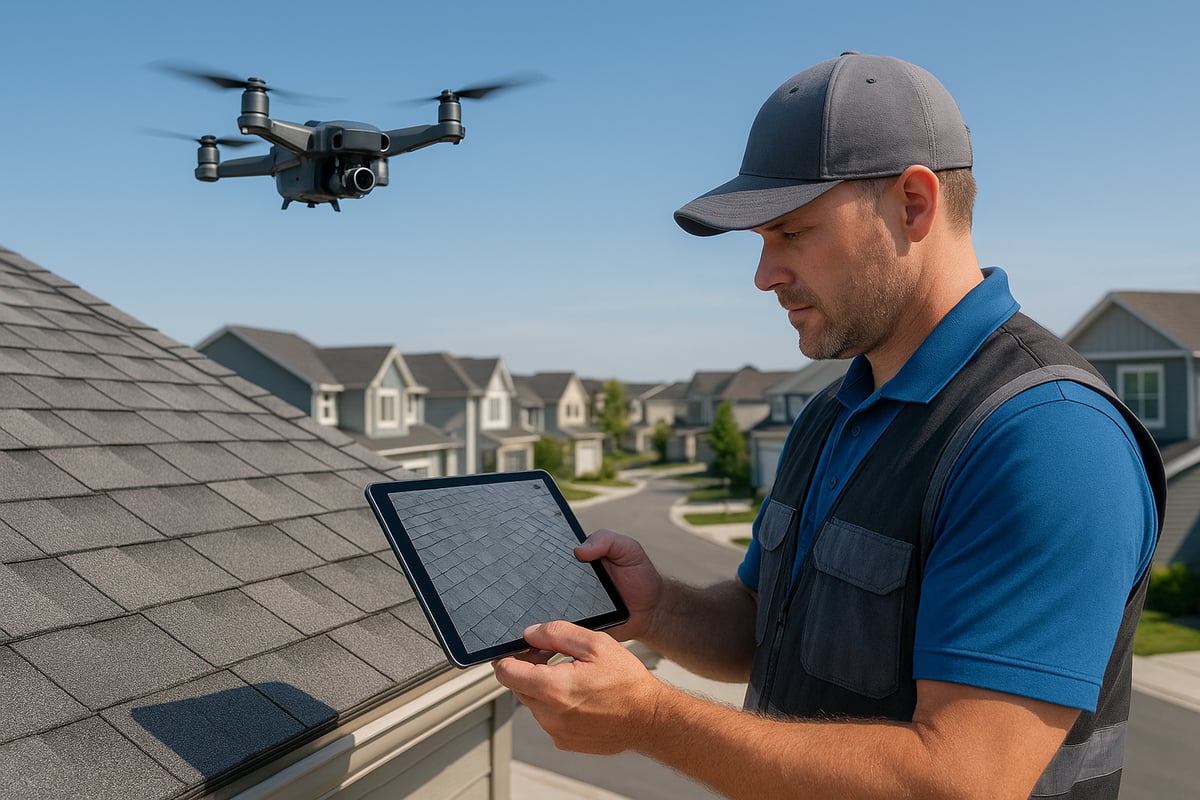
These innovations allow for remote, no-contact quoting. You can receive a highly accurate roofing quote without anyone climbing on your roof, which increases safety and convenience. Drones capture detailed images of complex or steep roofs, reducing human error and disputes about measurements.
For example, the use of drone roof inspections enables contractors to assess your roof’s condition quickly and present a precise roofing quote, even for challenging properties.
Digital quoting methods also streamline documentation and communication, ensuring all parties have access to the same information. Embracing these technologies can make your roofing quote experience faster and more reliable.
Types of Roofing Projects and Quotes
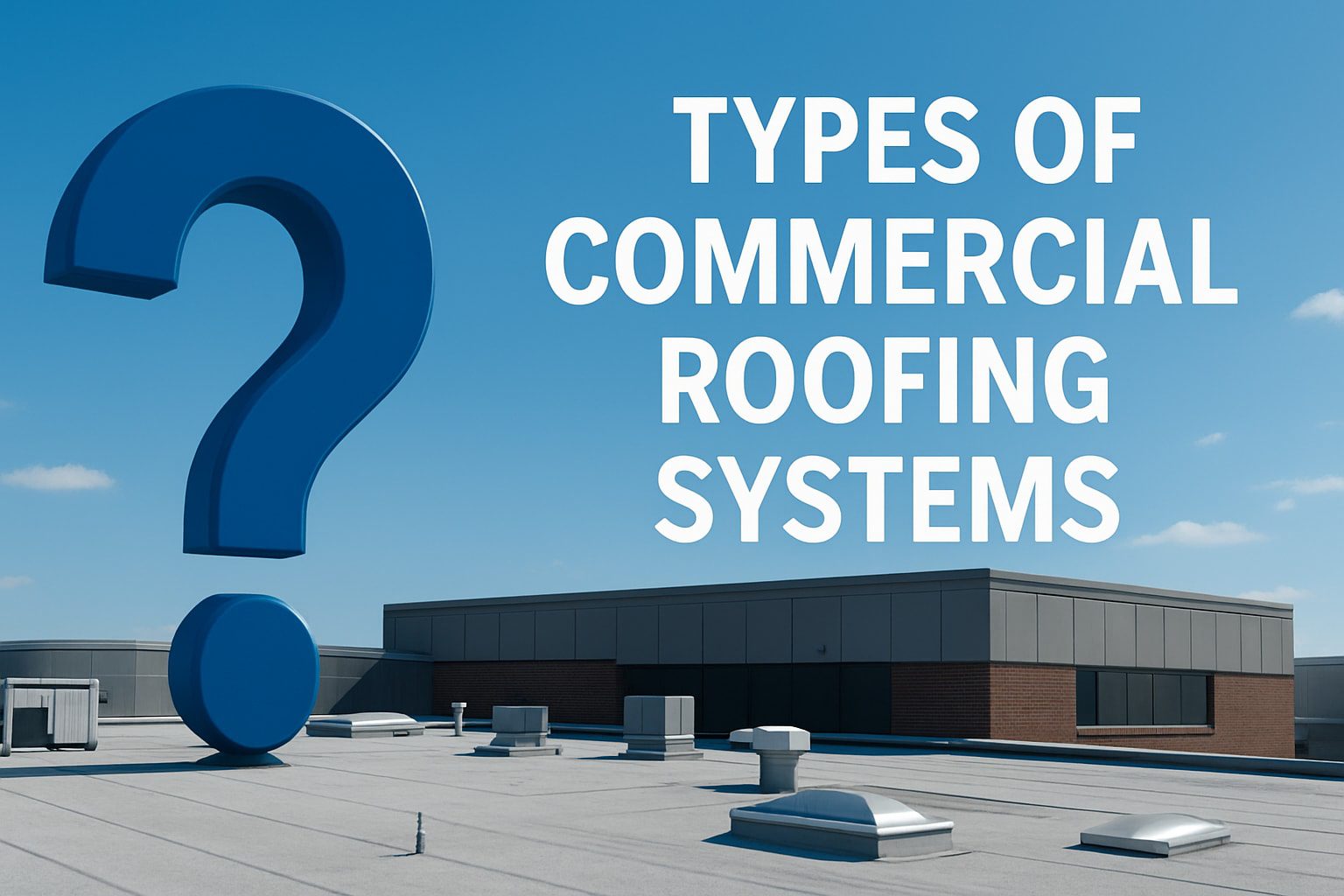
Not all roofing projects are the same, and your roofing quote should reflect this. Residential roofing quotes typically focus on homes, while commercial quotes must address larger scopes, specialized regulations, and more complex structures.
Common project types include repairs, full replacements, and upgrades like energy-efficient materials. For example, a flat roof project will include drainage system considerations and may have a different roofing quote structure compared to a pitched roof.
Understanding these differences helps you interpret your roofing quote and ensures you get the right solution for your specific needs.
Step-by-Step Guide: How to Get an Accurate Roofing Quote
Getting a precise roofing quote in 2026 is crucial for protecting your property and budget. This guide breaks the process into simple, actionable steps, ensuring you make informed decisions without surprises.
1. Assess Your Roofing Needs
Start by checking your roof for signs of trouble. Look for missing shingles, leaks, water stains, or visible sagging. If your roof is over 20 years old, it may be time for a replacement.
Perform a basic self-inspection using a checklist:
Are there cracked or curled shingles?
Do you see granules in the gutters?
Is daylight visible through the attic roof boards?
If you spot any issues, consult a professional for a thorough assessment. The urgency of repairs can affect your roofing quote. For insights on how emergency repairs compare to planned work, see this Emergency roof repairs vs. planned maintenance guide.
2. Research and Shortlist Qualified Contractors
Finding the right contractor is vital for an accurate roofing quote. Start by searching for roofers who are licensed, insured, and have a strong local reputation.
Check online reviews and ratings. Ask neighbors or friends for recommendations. Look for manufacturer certifications, which indicate advanced training and reliability.
When vetting contractors, ask:
Are you licensed and insured?
Can you provide references?
What brands and materials do you use?
Shortlist at least three contractors before moving forward.
3. Schedule On-Site or Digital Inspections
Decide between an in-person or digital inspection for your roofing quote. In-person visits allow contractors to spot hidden damage, while digital methods use satellite imagery or drones for measurements.
During an on-site inspection, expect the contractor to check your attic, roof surface, and surrounding areas. For digital assessments, you may be asked to share photos or schedule a drone flyover.
A typical remote quoting process includes:
Sharing your address and roof photos
Receiving measurements via digital tools
Reviewing findings together online
Choose the inspection method that best fits your needs and project complexity.
4. Request and Review Detailed Quotes
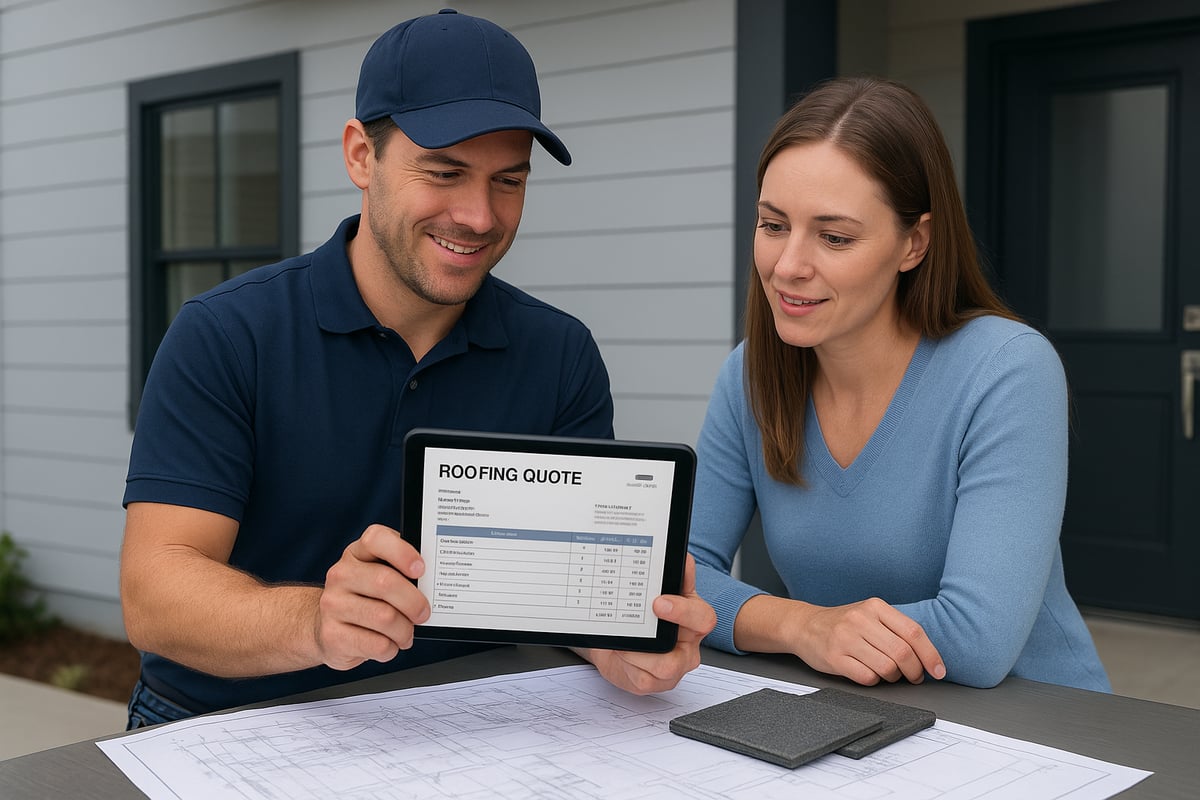
Ask each contractor for a written roofing quote. Request that every quote includes a breakdown of materials, labor, permits, cleanup, and warranties.
To ensure fair comparisons, use a template like:
Item
Description
Cost
Shingles
Brand, color, grade
$X,XXX
Labor
Installation, repair
$X,XXX
Permits
Local fees
$XXX
Cleanup
Debris removal
$XXX
Warranty
Terms, duration
$XXX
Review each quote side by side, checking for completeness and clarity.
5. Clarify Questions and Negotiate Terms
After reviewing your roofing quote options, prepare a list of questions. Ask about material choices, warranty coverage, and expected timelines.
If you see discrepancies between quotes, request explanations. Discuss payment schedules, including deposits, progress payments, and final balances.
Must-ask questions include:
What is included in the warranty?
How are change orders handled?
Are there any exclusions or additional fees?
Clear communication now will help avoid misunderstandings later.
6. Understand and Approve the Final Quote
Before signing, read the roofing quote carefully. Check for legal terms, exclusions, and fine print. Confirm the start and end dates, as well as cleanup and safety protocols.
Use a final approval checklist:
All services and materials are listed
Payment terms are clear
Warranty details are documented
Project dates are specified
Once satisfied, sign the agreement and keep a copy for your records. This ensures you are protected throughout the roofing project.
Comparing Roofing Quotes: How to Evaluate Your Options
Choosing the right roofing quote is about more than just picking the lowest price. A thorough evaluation helps you avoid hidden costs and ensures your investment pays off for years. Let’s break down how to compare quotes with confidence.
Understanding Price Differences
When reviewing a roofing quote, you might notice significant price gaps between contractors. These differences often come down to labor rates, material choices, project scope, and the contractor’s expertise. For example, a larger or steeper roof will cost more due to extra materials and safety measures required.
Material type also plays a big role. Asphalt shingles are generally less expensive than metal roofing. The complexity of your roof, like multiple levels or unique features, can increase costs. Here’s a simple comparison:
Roof Type
Price Range (per sq. ft.)
Asphalt Shingle
$4.00–$7.00
Metal Roof
$8.00–$14.00
Understanding these factors in your roofing quote helps you set realistic expectations and budget accordingly.
Evaluating Materials and Warranties
Materials listed in your roofing quote should include brand, grade, and color. Higher-end shingles or tiles often come with better durability and longer warranties. When comparing quotes, check whether the materials are premium or standard grade.
Warranties are another key area. A manufacturer warranty covers defects in roofing materials, while a workmanship warranty protects against installation errors. For example, some premium shingles offer a 50-year manufacturer warranty, while basic options may only include 10 years.
Ask contractors to clarify what’s covered and for how long. Comparing these details ensures your roofing quote delivers real value.
Analyzing Work Scope and Project Details
Every roofing quote should outline the full scope of work, including tear-off, underlayment, flashing, ventilation, and cleanup. Beware of quotes that only include the basics and leave out necessary items like permit fees or decking repairs.
Differences are especially notable in commercial projects, which tend to be more complex. For property managers weighing commercial options, Commercial roofing service insights offer an in-depth look at what to expect in a detailed roofing quote.
Always compare line items side by side to spot any missing or vague details that could lead to extra charges later.
Assessing Contractor Reputation and Communication
A reputable contractor stands out by providing clear, prompt communication throughout the quoting process. When you request a roofing quote, pay attention to how quickly and thoroughly the contractor responds.
Look for transparency in pricing and terms. If a contractor avoids your questions or is slow to answer, this could signal future problems. Reliable contractors provide references, proof of insurance, and detailed documentation up front.
Red flags include vague language, reluctance to share credentials, or pressure to sign quickly. Trust your instincts and prioritize open, professional communication in every roofing quote interaction.
Avoiding “Too Good to Be True” Quotes
If a roofing quote seems unusually low, dig deeper. Sometimes, these offers come with hidden risks, such as inferior materials, uninsured labor, or incomplete work.
Common warning signs include:
No written documentation
Requests for large upfront payments
Lack of licensing or insurance
According to industry reports, lowball roofing quote scams are on the rise. Protect yourself by verifying all credentials, insisting on detailed paperwork, and comparing at least three quotes before choosing a contractor.
The Role of Digital and No-Contact Roofing Quotes in 2026
Digital technology is transforming how homeowners and property managers obtain a roofing quote. In 2026, the process is faster, safer, and more accurate than ever before. These advancements not only streamline the experience but also reduce the margin for error. Understanding the shift toward digital quoting methods will help you make informed decisions and confidently navigate your next roofing project.
How Digital Quoting Works
A modern roofing quote often starts with digital tools. Contractors now use drones, satellite imagery, and AI-powered software to measure roofs and assess conditions without stepping foot on a ladder. The process typically involves capturing detailed images, creating accurate 3D models, and generating a precise scope of work. This technology-driven approach increases speed, accuracy, and safety for everyone involved.
For example, a contractor may fly a drone over your property, collect footage, and use AI to calculate dimensions and spot issues. According to Roofing Industry Trends 2026, such tools are now standard practice, making digital quoting the norm in many markets. These innovations ensure every roofing quote is based on reliable, up-to-date information.
Pros and Cons of No-Contact Estimates
No-contact roofing quote methods offer clear advantages. Homeowners save time, avoid scheduling hassles, and maintain safety, especially during health concerns or emergencies. Digital estimates can often be delivered within hours of a request, minimizing project delays.
However, there are limitations. Without a physical inspection, certain issues—like hidden water damage or structural weaknesses—might go unnoticed. In some cases, a digital roofing quote has missed underlying problems, leading to surprises during installation. For complex or older roofs, it is wise to request at least one in-person assessment before committing to a final quote.
Security, Privacy, and Data Protection
With digital roofing quote methods, your property data—including images and measurements—is stored electronically. Leading contractors take security seriously, using encrypted storage and limiting data access to authorized personnel. Always ask how your information is handled and whether it is shared with third parties.
It is important to review a contractor’s privacy policy and confirm compliance with industry standards. Best practices include regular data audits and secure deletion of files after project completion. Knowing your digital roofing quote data is protected gives peace of mind throughout your project.
When to Choose Digital vs. Traditional Quotes
Deciding between a digital or traditional roofing quote depends on your project needs. Simple residential roofs, urgent repairs, or projects in remote areas often benefit from digital quoting methods. For complex designs, historical properties, or suspected hidden damage, an in-person visit remains invaluable.
Some homeowners and managers use a hybrid approach, starting with a digital assessment and following up with a traditional inspection if concerns arise. This ensures a thorough, accurate roofing quote tailored to your specific situation and expectations.
Key Cost Factors in Roofing Quotes for 2026
Understanding what drives the cost of a roofing quote in 2026 is essential for budgeting and decision-making. Multiple variables influence your final price, from advanced materials to labor market shifts and evolving regulations. Here’s what you need to know before you review any roofing quote.
Material Innovations and Their Impact on Price
In 2026, roofing materials are more diverse and technologically advanced than ever. Homeowners can choose from traditional asphalt shingles, metal panels, and new options like solar-integrated shingles or energy-efficient membranes. These innovations come with a range of price tags. For example, solar shingles can cost two to three times more than standard asphalt, but they offer long-term energy savings. Eco-friendly and impact-resistant materials are trending, with some homeowners prioritizing recycled content or cool-roof technology. For a deeper dive into these options and their effect on your roofing quote, check out the Top Roofing Industry Trends to Watch in 2026. Always compare the upfront cost with expected lifespan and warranty coverage when reviewing your roofing quote.
Labor Costs and Regional Variations
Labor is a significant component of every roofing quote. In 2026, skilled labor shortages persist in many areas, driving up wages and affecting project timelines. Urban regions often report higher labor costs than rural zones, and states like Texas may see different averages compared to the national norm. Weather conditions and local demand also play a role. For instance, a roof replacement in a major city could cost 15 to 20 percent more than the same project in a smaller town. Always review the labor breakdown in your roofing quote and ask contractors to clarify how regional trends impact your final price.
Permits, Insurance, and Regulatory Changes
Regulatory requirements are another key cost factor in any roofing quote. Most jurisdictions mandate permits for significant roofing work, and fees can vary widely. In 2026, updates to building codes may require enhanced insulation, better drainage, or stricter wind resistance, all of which influence costs. Contractors must carry liability insurance and workers’ compensation, and some areas now require proof of both before work begins. For example, major Texas cities have increased permit fees this year, affecting the bottom line of many roofing projects. Always ensure your roofing quote itemizes permit and insurance costs to avoid surprises.
Additional Services and Upgrades
Beyond the basics, many roofing quotes include optional upgrades or maintenance packages. Popular add-ons in 2026 include advanced ventilation systems, skylights, and improved insulation for energy efficiency. Some contractors offer preventative maintenance plans, which can extend roof life and reduce repair costs over time. For example, investing in extra attic insulation might raise your initial roofing quote but lower your utility bills in the long run. When comparing quotes, weigh the value of these upgrades and ask for a cost-benefit analysis to make informed choices.
Questions to Ask Before Accepting a Roofing Quote
Before signing any agreement, it is vital to ask the right questions about your roofing quote. Doing so helps you avoid unpleasant surprises, secure the best value, and ensure your project runs smoothly from start to finish.
Contractor Credentials and Experience
Always verify that your contractor is licensed, insured, and qualified for your specific roofing project. Ask to see proof of state or local licenses, liability insurance, and workers’ compensation. Confirm how long the company has been in business and whether they specialize in your roof type.
A checklist for vetting a roofer:
Are you licensed for this type of work?
Do you carry liability and workers’ comp insurance?
These questions ensure your roofing quote comes from a reputable, experienced professional.
Project Timeline and Process
Clarifying the project timeline is essential when reviewing a roofing quote. Ask for estimated start and completion dates, and understand how weather or supply chain delays might affect the schedule. A typical 2,000 square foot roof may take several days, but complexity and material choice can alter this.
Key questions include:
What is the projected start date?
How long will the installation take?
What could cause delays?
Who will be on-site managing the job?
Clear answers help you track progress and hold your contractor accountable to the agreed roofing quote.
Warranty and Post-Project Support
A transparent roofing quote should detail all warranty coverage. Ask whether the warranty comes from the manufacturer, the contractor, or both. Clarify the duration and what is covered, like leaks or material defects.
Sample questions:
Is there a workmanship warranty? For how many years?
What does the manufacturer’s warranty cover?
How do I file a claim if issues arise?
What post-project support do you offer?
Compare 10-year versus lifetime warranties to see what makes sense for your investment and ensure your roofing quote includes these details.
Payment Terms and Dispute Resolution
Never accept a roofing quote without understanding payment schedules and dispute procedures. Reputable contractors typically require a reasonable deposit, with the balance due at project milestones or completion.
Ask about:
Deposit amount and timing of payments
Accepted payment methods
Procedures for change orders
Steps to resolve disputes or unsatisfactory work
A clear payment plan protects your interests and ensures the roofing quote aligns with your expectations. Insist on written terms for full transparency.
Red Flags and Common Mistakes When Getting Roofing Quotes
Navigating the roofing quote process in 2026 requires vigilance and awareness. Overlooking key warning signs or common pitfalls can cost you more than just money—it can jeopardize your property's safety and value.
Warning Signs of Unreliable Contractors
Spotting a questionable roofing quote starts with assessing the contractor. Be wary if a contractor cannot provide a valid license, proof of insurance, or references from recent jobs. Vague answers about costs or timelines should raise immediate concerns.
Pushy sales tactics, such as demanding an immediate signature or offering a "today only" discount, are classic red flags. Never accept a verbal agreement—a legitimate roofing quote must be documented in writing. According to the ServiceTitan 2026 Roofing & Exterior Market Report, scams and disputes remain a top concern in the industry, highlighting the need for clear documentation.
Statistics show that contractors who skip written quotes or provide incomplete paperwork are often involved in disputes or subpar work. Protect yourself by insisting on a formal roofing quote with every detail outlined.
Mistakes Homeowners Often Make
Many homeowners focus solely on the price in their roofing quote, neglecting scope, material quality, and contractor reputation. Choosing the lowest bid may seem attractive, but it often leads to poor workmanship, hidden fees, or costly repairs down the road.
Skipping reference checks or failing to verify insurance puts your investment at risk. Some overlook the importance of manufacturer certifications, which can impact both warranty coverage and installation quality.
Consider this real-life scenario: a homeowner accepted the cheapest roofing quote without checking credentials. The result was substandard work and expensive legal battles. Always remember, a thorough vetting process is as essential as the quote itself.
Overlooking Fine Print and Exclusions
A roofing quote can hide unexpected costs in the fine print. Watch for vague warranty terms, exclusions for specific damages, or additional fees buried in the contract. Some contractors use ambiguous language to avoid responsibility for cleanup, disposal, or unexpected repairs.
Common loopholes include limits on workmanship guarantees, or exclusions for weather-related damage. Clarify every term before signing any roofing quote. If something seems unclear, request a written explanation.
Table: Common Contract Loopholes
Loophole Type
What to Watch For
Warranty Exclusions
Storm, hail, or wind damage
Fine Print Fees
Dumpster, permit, or disposal fees
Ambiguous Terms
"As needed" repairs
A careful review of the fine print ensures you know exactly what your roofing quote covers—and what it does not.
Ignoring Local Codes and Permit Requirements
Neglecting local building codes or permit regulations is a costly mistake. Unpermitted roofing work can result in fines, denied insurance claims, or complications when selling your property. Always confirm that your contractor will obtain the necessary permits and comply with current codes.
Ask to see proof of recent permits and research any updates to local requirements for 2026. A reputable contractor will include permit costs and code compliance in your roofing quote, not as an afterthought.
Failing to check these details can void warranties or trigger legal issues. Protect your investment by ensuring every roofing quote aligns with local standards and regulations.
Frequently Asked Questions About Roofing Quotes in 2026
Wondering how many roofing quotes you should get? Experts recommend gathering at least three roofing quote options to compare pricing, scope, and contractor reliability.
Are digital quotes as accurate as in-person ones? Advances in drone and satellite technology mean digital roofing quotes are highly reliable, but complex or older roofs may still benefit from a physical inspection.
What is the average turnaround time for a roofing quote in 2026? Most contractors provide a quote within 24–72 hours, especially when using digital tools.
Can you negotiate your roofing quote? Yes, always review details and negotiate materials, payment terms, or timeline.
If you receive very different quotes, examine each for scope, materials, and hidden costs. For flat roofs, Flat roofing drainage systems explained can clarify why some quotes may include specialized drainage solutions.
Discover expert solutions for leak sealer for roof in 2026 Learn about types application steps innovations costs and maintenance for long lasting protection
Discover expert advice on metal roof leak sealer options for 2026. Learn to prevent costly leaks, choose top products, and apply solutions for lasting protection.