EPDM Roofing System Guide: Essential Insights for 2026
Discover essential 2026 insights into the EPDM roofing system covering benefits, installation, maintenance, costs, and trends to help you make informed decisions.
Energy-efficient, durable roofing is now a top priority for commercial and industrial buildings as sustainability and operational costs take center stage in 2026.
This guide delivers essential insights for anyone evaluating or managing an epdm roofing system, supporting better decisions from selection through long-term maintenance.
You will discover the latest in EPDM technology, system types, installation best practices, maintenance strategies, cost considerations, sustainability benefits, and future trends.
With proven industry data and practical advice, this guide helps building owners, facility managers, and contractors make informed choices for long-lasting, high-performing roofs.
Understanding EPDM Roofing Systems
Choosing the right commercial roof means understanding both its science and real-world performance. The EPDM roofing system stands out for its adaptability, durability, and proven results in demanding environments. Let us explore what makes this system a top choice for 2026.
What is EPDM?
EPDM, or Ethylene Propylene Diene Monomer, is a synthetic rubber compound engineered for exceptional weather resistance and flexibility. Its formulation blends ethylene, propylene, and a diene component, resulting in a membrane that can withstand harsh environmental stress.
Since its introduction in the 1960s, the EPDM roofing system has become a staple for commercial and industrial buildings. Its flexibility allows it to move with building expansion and contraction, while its UV and ozone resistance ensure long-term performance.
Compared to TPO, PVC, and modified bitumen, EPDM offers a longer track record in North American climates. For a detailed comparison of EPDM and other commercial roofing materials, see the Types of Commercial Roofing Systems page.
A key advantage is its proven lifespan, with many roofs performing well for over 40 years in diverse climates.
Core Components of an EPDM Roofing System
An EPDM roofing system consists of several crucial layers and accessories. Membrane thickness is a primary specification, with options of 45, 60, and 90 mil to match durability needs.
Insulation boards beneath the membrane improve thermal performance, while adhesives, fasteners, and seam tapes secure all components. Flashings and terminations provide watertight protection around edges, penetrations, and transitions.
Drainage and edge details are integral for directing water off the roof and preventing pooling. Each of these elements is chosen to optimize the EPDM roofing system’s performance, ensuring resilience and energy efficiency.
Types of EPDM Roofing Systems
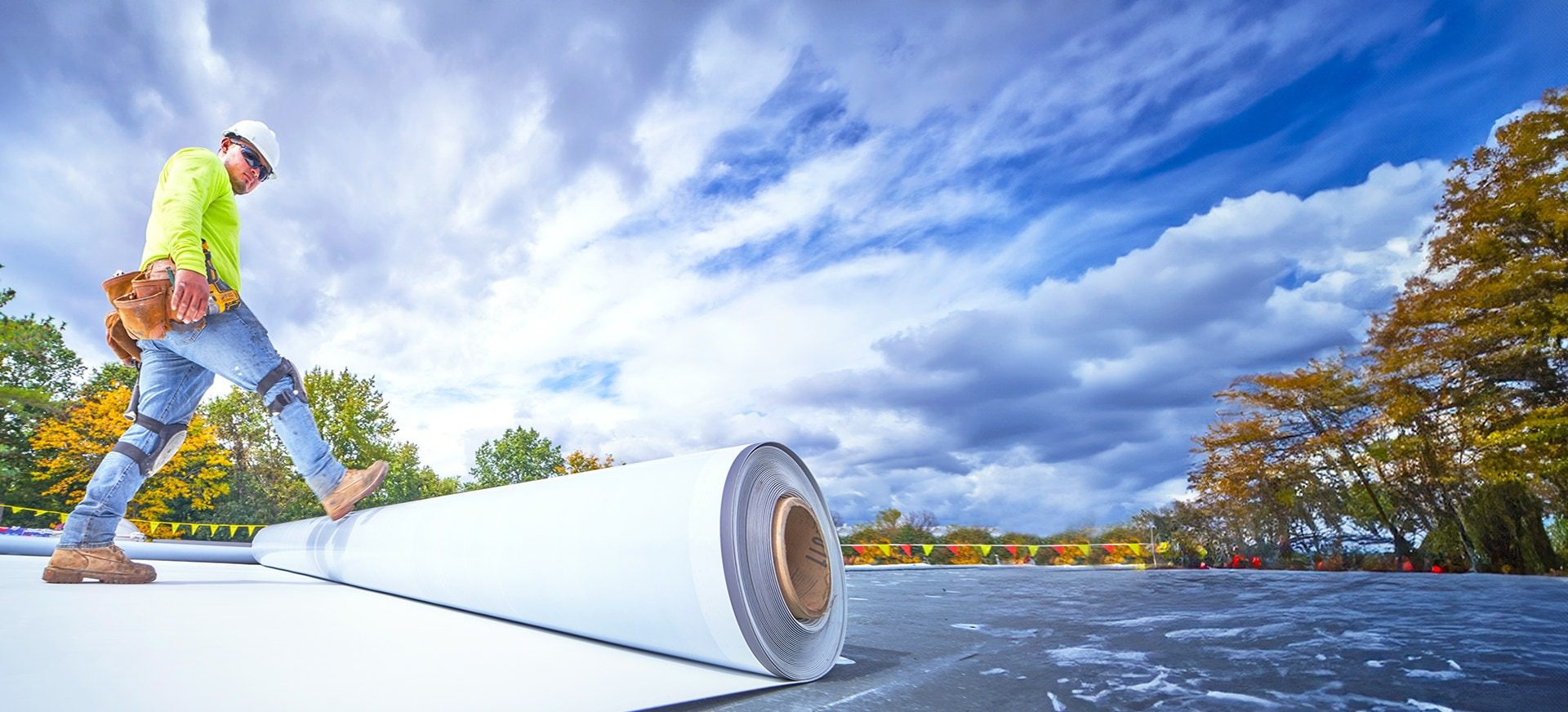
The EPDM roofing system comes in several configurations to suit different building needs. Fully adhered systems use adhesive to bond the membrane directly to the substrate, offering excellent wind uplift resistance and versatility for complex roof shapes.
Mechanically attached systems use fasteners to secure the membrane, allowing for rapid installation and strong performance in high-wind areas. Ballasted systems, which anchor the membrane with stone or pavers, are cost-effective but require structural support for the added weight.
Self-adhered EPDM membranes represent a recent advancement, featuring peel-and-stick technology for cleaner, faster application and reduced odors. Notable products like RubberGard EPDM and EcoWhite EPDM offer reflective options, expanding the system’s energy-saving potential.
Selecting the right EPDM roofing system type depends on building use, climate, and structural factors.
Key Benefits of EPDM Roofing
The EPDM roofing system is renowned for its longevity, with lifespans averaging 30 to 50 years. Routine maintenance demands are low, reducing long-term operating costs for building owners.
Its superior resistance to weather, ozone, and chemicals means fewer repairs and reliable protection. The membrane’s compatibility with various insulation types further boosts energy efficiency, helping control indoor temperatures and utility costs.
EPDM’s track record spans a range of climates, from freezing northern winters to intense sun exposure in southern regions. Its combination of durability, flexibility, and ease of repair makes the EPDM roofing system a smart investment for 2026 and beyond.
EPDM Roofing Installation: Step-by-Step Guide for 2026
Proper installation is essential for maximizing the performance and lifespan of any epdm roofing system. This step-by-step guide walks you through each critical phase, from initial planning to overcoming on-site challenges, ensuring your project meets the highest standards in 2026.
Pre-Installation Planning
Every successful epdm roofing system installation begins with thorough pre-installation planning. Start by conducting a detailed site assessment, using tools like drone inspections for accurate measurements and to identify any structural concerns. Evaluate the building's intended use, choosing membrane type and thickness based on traffic, climate, and performance needs.
Review local building codes and FM Global requirements to ensure compliance. Carefully coordinate with contractors and suppliers to schedule deliveries and labor. Warranty terms must also be reviewed at this stage, as they often require specific installation practices. For more comprehensive insights into system selection and planning, visit EPDM Roofing Services Overview.
Surface Preparation
Surface preparation is crucial to the longevity of an epdm roofing system. Begin by cleaning and thoroughly drying the substrate. Remove debris, dust, and moisture to prevent adhesion problems. Inspect the existing deck, repairing or replacing any damaged sections.
Next, install vapor barriers and insulation boards as specified, ensuring each layer is properly fastened. Verify that the roof has an adequate slope to promote drainage. Pay close attention to penetrations, edges, and corners, as these areas require careful detailing to prevent future leaks.
Membrane Application Methods
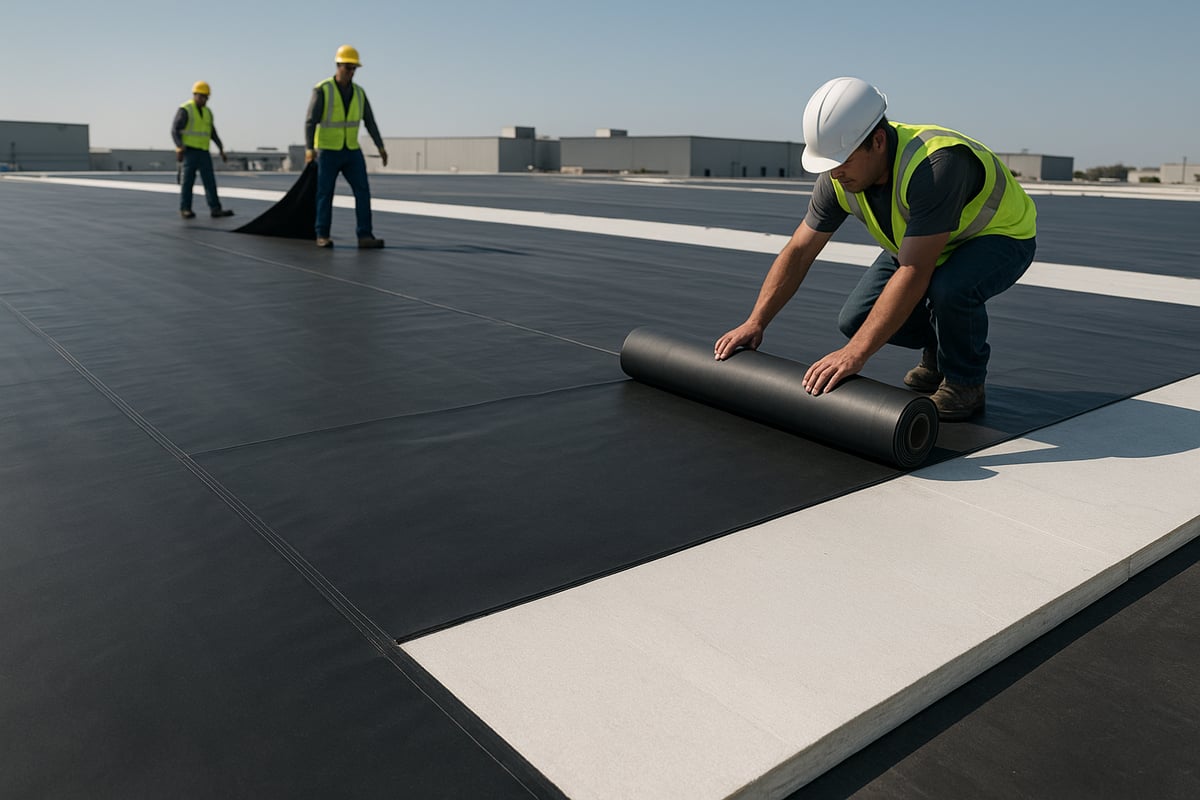
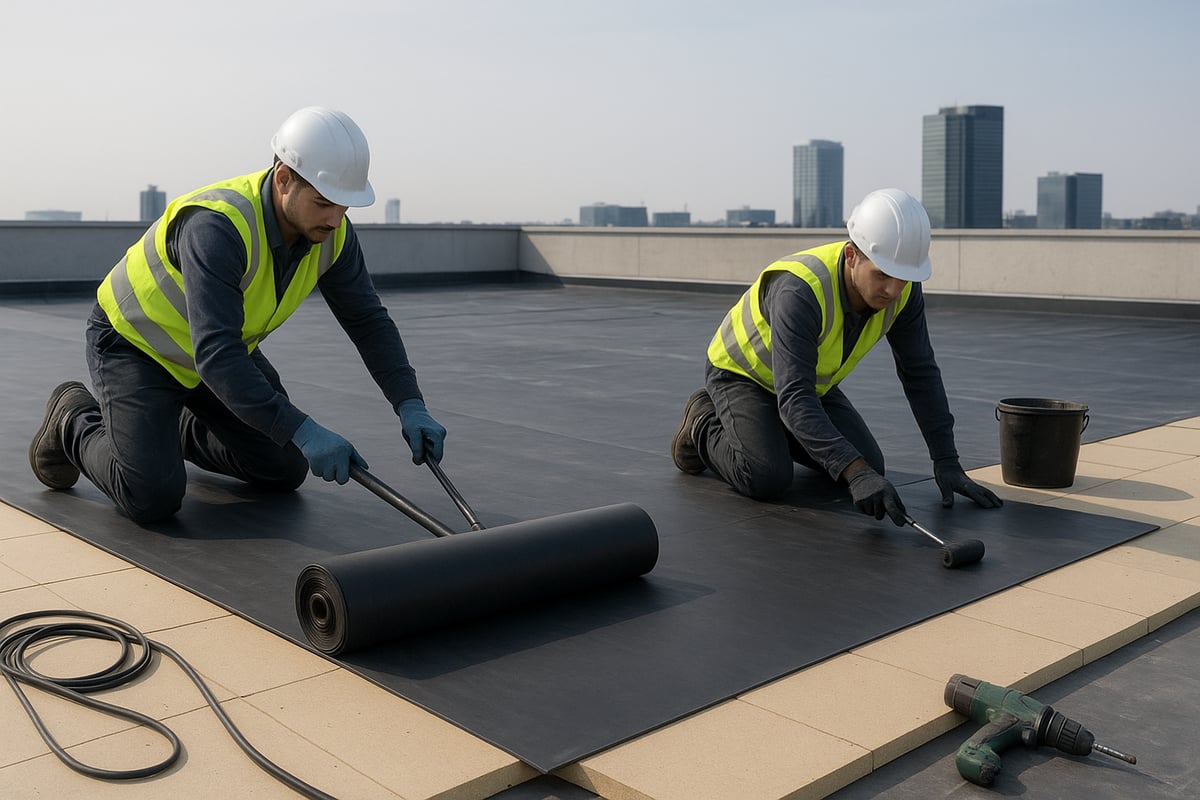
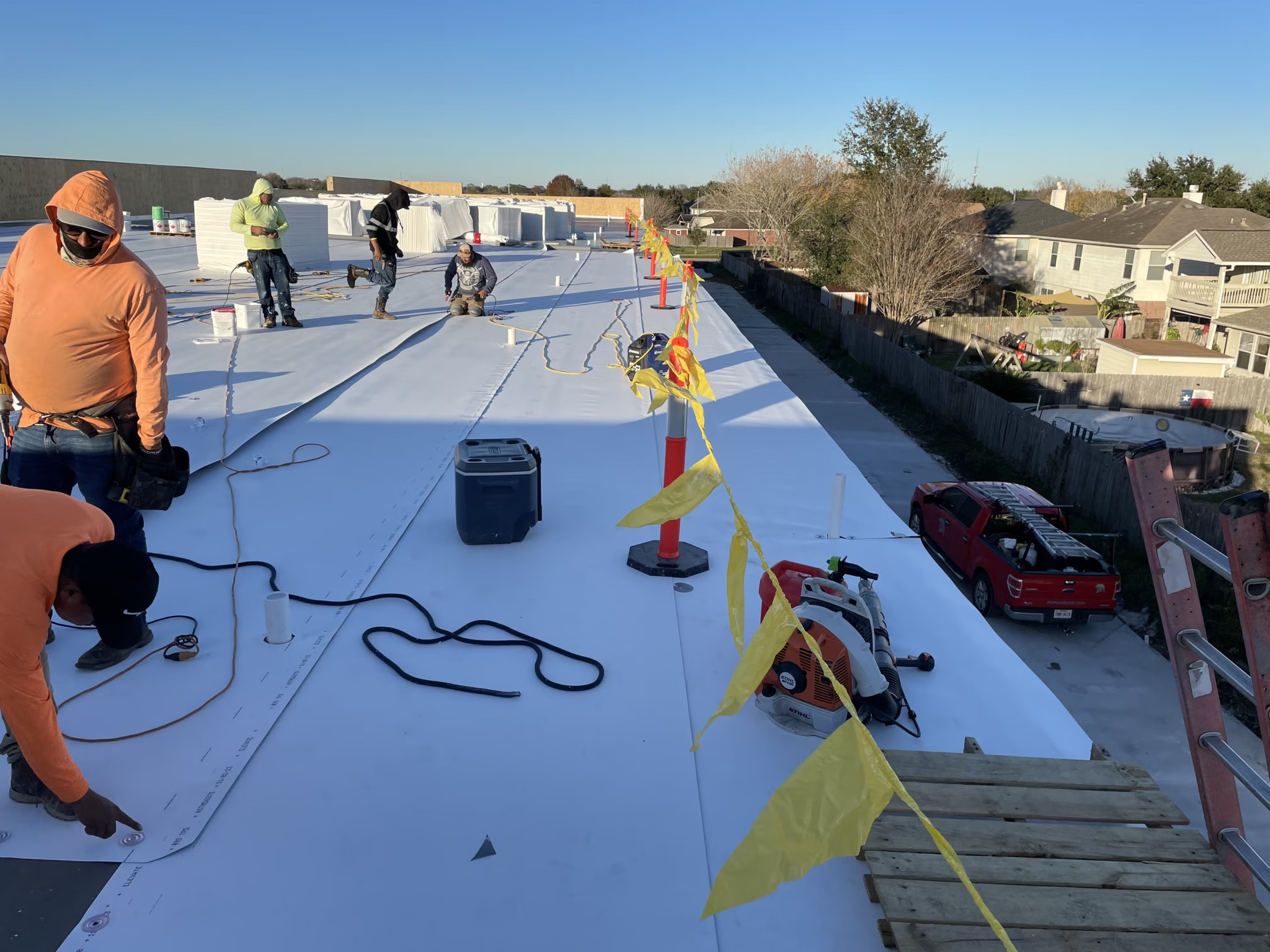
The next step in an epdm roofing system installation is choosing the optimal membrane application method. Fully adhered systems use adhesives applied to both the substrate and membrane, with rolling techniques to eliminate air pockets. Mechanically attached systems rely on fastener patterns, often with enhanced perimeter securement to resist wind uplift.
Ballasted systems involve placing stone or pavers over the membrane to hold it in place, offering speed and cost benefits, but requiring strong structural support. Self-adhered membranes, featuring peel-and-stick technology, are gaining popularity in 2026 for their ease and cleanliness. Using large pre-fabricated panels can further accelerate installation while reducing seams.
Seam and Flashing Details
Seam and flashing details are vital for the watertight integrity of any epdm roofing system. Seams can be joined using seam tapes or liquid adhesives, with seam tape preferred for its consistent performance and speed. Flashings are installed around drains, scuppers, penetrations, and corners to keep water out of vulnerable areas.
Termination bars secure membrane edges, preventing wind or water intrusion. Quality assurance is key: inspect all seams and flashings to avoid common leak points. Always follow FM Global and manufacturer detail requirements for optimal results.
Post-Installation Inspection and Testing
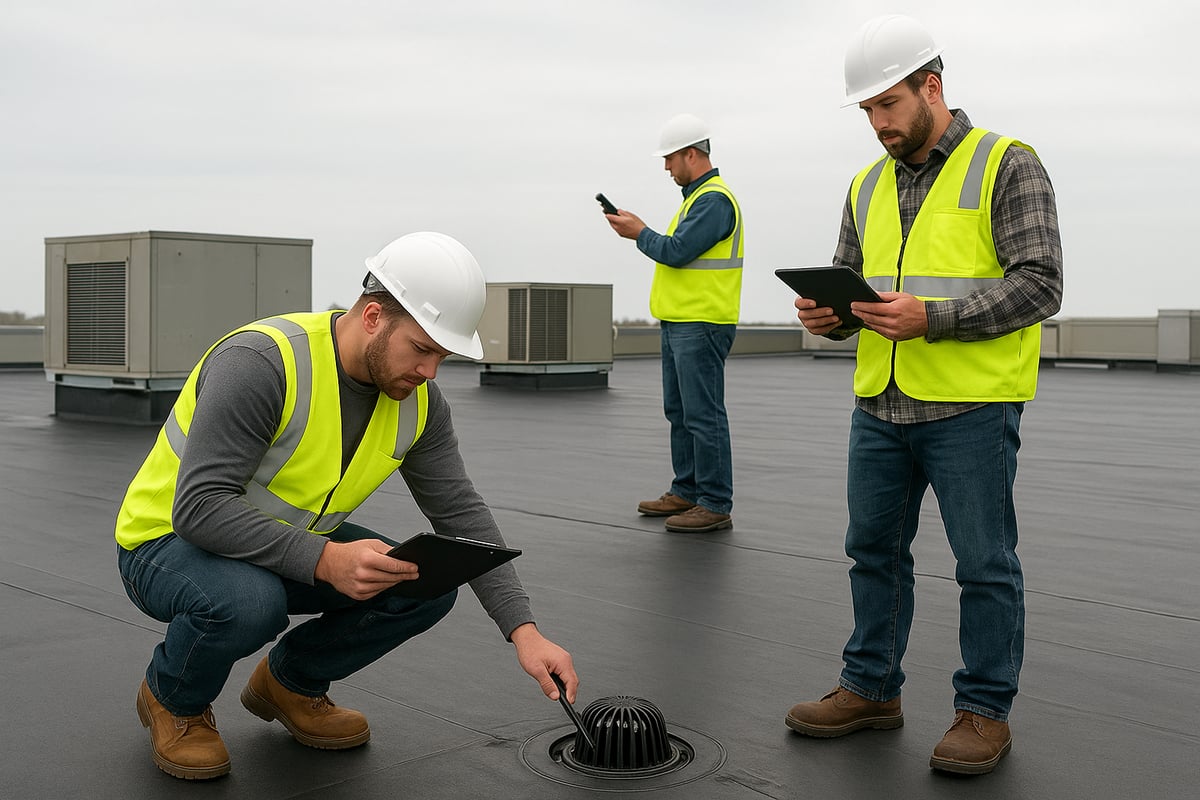
After installing the epdm roofing system, a comprehensive inspection ensures everything meets specifications. Visually check for wrinkles, fishmouths, and voids that could compromise performance. Perform water tests to detect leaks before project signoff.
Document all findings and repairs for warranty and compliance purposes. Schedule a final walk-through with stakeholders to verify satisfaction. Advanced tools like thermal imaging can help identify hidden installation defects, ensuring long-term reliability.
Common Installation Challenges and Solutions
Installing an epdm roofing system in 2026 can present unique challenges. Weather-related delays are common, so plan installations during optimal conditions and use temporary protection when needed. Managing large membrane panels on windy sites requires additional safety measures and teamwork.
High humidity can affect adhesion; always check manufacturer guidelines for application in such conditions. Unexpected substrate issues may arise, so inspect thoroughly and address problems before proceeding. On large commercial installs, proactive planning and flexible scheduling help overcome weather hurdles and keep the project on track.
Maintenance and Longevity of EPDM Roofs
Proper maintenance is vital to maximizing the lifespan and performance of any epdm roofing system. Consistent care helps building owners avoid costly repairs, extend roof service life, and ensure ongoing protection of assets. Let us break down the key practices and considerations for maintaining your epdm roofing system in 2026.
Routine Maintenance Best Practices
An effective maintenance program for an epdm roofing system starts with regular inspections. Experts recommend bi-annual checks, ideally in spring and fall, as well as after major weather events. These inspections should focus on identifying debris buildup, ponding water, and any visible membrane damage.
Cleaning protocols are important. Remove leaves, branches, and other debris to prevent drainage clogs and surface staining. Use mild detergents and avoid harsh chemicals that could degrade the membrane. Gutter and drain maintenance ensures water flows freely, reducing risk of leaks or structural issues.
Every maintenance activity should be documented. This includes inspection dates, findings, cleaning actions, and repairs. Professional services, such as those detailed by Commercial Roof Maintenance Services, can ensure your epdm roofing system receives thorough, expert attention.
Common Issues and Preventive Measures
Over time, an epdm roofing system may develop common issues like seam separation, punctures from foot traffic or dropped tools, and membrane shrinkage. These problems can lead to leaks or compromised insulation if not addressed promptly.
Preventive measures are the first line of defense. Schedule regular seam inspections to catch separations early. Repair punctures quickly using compatible patch materials. Monitor for signs of shrinkage, especially around penetrations and edges.
Drainage issues, such as blocked scuppers or gutters, can cause ponding water, which stresses the membrane. Early detection and correction of drainage problems will help maintain the integrity of your epdm roofing system for decades.
Repair Techniques for EPDM Roofs
When repairs are needed, proper techniques ensure the longevity of your epdm roofing system. For punctures or localized damage, clean the area, apply a primer, and adhere a compatible patch. Make sure the patch extends beyond the damaged region for a watertight seal.
Seam resealing can be done using tapes or liquid adhesives, depending on manufacturer recommendations. Flashings around penetrations, drains, and corners may require replacement if they show signs of wear.
In case of emergency leaks, have a response protocol in place. Manufacturer-approved repair kits are invaluable for quick fixes that protect the epdm roofing system until a full repair can be completed.
Extending EPDM Roof Life
Proactive maintenance is the foundation for extending the service life of an epdm roofing system. Applying protective coatings can enhance UV resistance and improve reflectivity, reducing heat load on the building.
Consider upgrading insulation or adding cover boards to improve energy efficiency and reduce thermal stress on the membrane. Schedule periodic professional assessments to identify issues before they escalate.
Studies indicate that consistent maintenance can add 10 to 15 years to the lifespan of an epdm roofing system. This makes routine care a smart investment for any facility manager.
Warranties and Service Agreements
Warranties play a critical role in safeguarding your epdm roofing system investment. Leading manufacturers offer material, contractor, and system warranties, often ranging from 20 to 30 years.
Typical coverage includes protection against material defects, installation errors, and certain weather events. To maintain coverage, adhere strictly to maintenance guidelines and document all activities.
Service agreements with qualified professionals provide peace of mind and help ensure warranty compliance. For example, some manufacturers offer extended warranties when annual inspections and repairs are performed on the epdm roofing system.
Cost, Value, and ROI of EPDM Roofing
Selecting the right epdm roofing system means weighing not only up-front costs but also long-term value and return on investment. In 2026, building owners and managers are looking for solutions that balance affordability with durability and performance. Understanding the full financial picture helps ensure your investment pays off for decades.
Initial Installation Costs
The initial cost of an epdm roofing system depends on several variables, including membrane thickness, type, and project complexity. Membranes are typically available in 45, 60, and 90 mil thicknesses, impacting both cost and durability. Labor rates can vary by region, and intricate roof designs or numerous penetrations may increase installation time and expenses.
System Type
Avg. Cost/Sq. Ft. (2026)
Typical Use
Fully Adhered
$7–$11
High-wind zones
Mechanically Attached
$6–$9
Large open roofs
Ballasted
$5–$7
Structural decks
Accessory costs for flashings and insulation must also be factored in. For the latest market trends and detailed pricing analysis, consult the EPDM Roofing Systems Market Report 2025.
Long-Term Value and Savings
Investing in an epdm roofing system offers substantial long-term savings. These roofs require minimal maintenance, reducing annual upkeep costs. Their energy efficiency supports lower HVAC expenses, especially when paired with compatible insulation.
Insurance premiums may decrease due to the system’s fire and wind resistance. Over a typical 30- to 50-year lifespan, an epdm roofing system often outperforms other materials in terms of lifecycle cost. For example, a 50,000 sq. ft. retail building can realize significant ROI thanks to reduced repairs and lower total cost of ownership.
Factors Impacting EPDM Roof Cost
Several factors can influence the final price of an epdm roofing system. Roof complexity, such as the number of penetrations, slope, and accessibility, plays a major role. Local climate conditions may require specific enhancements or thicker membranes.
Upgrades for premium warranties or specialized specifications can add to the initial investment. In 2026, supply chain fluctuations and material availability may also impact pricing. Inflation and material shortages could temporarily increase costs, so proactive planning is essential for accurate budgeting.
Financing and Incentives
Financing options make large-scale epdm roofing system projects more accessible. Building owners can benefit from green building incentives for reflective EPDM membranes, which help meet sustainability goals. Many utilities offer rebates for energy-efficient roofing choices.
Tax credits may be available for sustainable construction, further improving project ROI. Recent government programs are supporting low-slope roof upgrades, making it easier to invest in a high-quality epdm roofing system while maximizing financial returns.
Sustainability and Environmental Impact
As sustainability leads decision-making in modern construction, the epdm roofing system stands out for its green credentials. EPDM membranes align with key industry standards and help projects meet strict environmental goals. Building owners aiming for certifications like LEED can leverage EPDM to improve energy efficiency and indoor environmental quality.
Reflective EPDM options, such as EcoWhite, support cool roof initiatives by reducing heat absorption. The versatility of the epdm roofing system makes it compatible with various sustainable building programs. For a comprehensive overview of EPDM’s environmental performance, the EPDM Roofing Association’s Sustainability Report 2024 offers valuable insights.
EPDM and Sustainable Building Standards
The epdm roofing system contributes to green building certifications by supporting energy-efficient design. Its low thermal conductivity helps maintain indoor comfort and reduce HVAC loads. EPDM’s compatibility with cool roof requirements allows property owners to select membranes that reflect sunlight and minimize urban heat gain.
Projects utilizing epdm roofing system materials can earn points toward LEED and other certifications by lowering overall carbon footprint. Healthcare and educational facilities often choose EPDM to achieve high indoor air quality standards. These membranes contain minimal volatile organic compounds, further supporting sustainable construction goals.
Environmental Benefits of EPDM
An epdm roofing system delivers several environmental advantages throughout its lifecycle. During installation, EPDM emits very low VOCs, making it a safe choice for sensitive sites. At the end of service life, EPDM membranes are recyclable, helping reduce landfill waste and supporting circular economy efforts.
Reflective EPDM surfaces can mitigate the urban heat island effect, keeping buildings cooler in hot climates. Routine maintenance is minimal, which lowers the environmental impact over time. According to the EPDM Roofing Association’s Sustainability Report 2024, EPDM roofing systems have a lower carbon footprint compared to many alternative membranes.
Innovations in EPDM Sustainability for 2026
Innovation is driving the evolution of the epdm roofing system, especially in sustainable materials and manufacturing. In 2026, new membranes use increased recycled content, and bio-based adhesives are becoming standard. EPDM is now available in solar-ready versions, allowing seamless integration with photovoltaic systems for renewable energy generation.
Manufacturers are also reducing production emissions and enhancing recyclability. These advancements are documented in the Emerging Trends in EPDM Roofing report, which highlights the system’s growing role in green construction.
EPDM in Climate-Resilient Construction
The epdm roofing system is engineered to withstand extreme weather, making it a preferred choice in climate-resilient design. EPDM’s flexibility and strength provide excellent resistance to hail, wind, and UV radiation. Integrated drainage solutions prevent water accumulation, supporting stormwater management strategies.
Government and institutional buildings in disaster-prone areas have adopted EPDM roofs for their proven durability. These systems have performed exceptionally well during major storm events, maintaining watertight protection and extending building service life.
Future Trends and Innovations in EPDM Roofing
The future of the epdm roofing system is defined by rapid technological progress, evolving market demands, and a focus on sustainability. As commercial and industrial buildings require smarter, more resilient solutions, EPDM continues to lead the way with fresh innovations.
Technological Advancements in EPDM Systems
Modern epdm roofing system technology is transforming how roofs are designed, installed, and maintained. Integrated smart sensors are now embedded within membranes, enabling real-time leak detection and predictive maintenance. Prefabricated and modular panels shorten installation times, reduce waste, and improve quality control.
Enhanced seam and flashing technologies, such as heat-welded or advanced adhesive systems, are minimizing failure points and improving long-term performance. Digital tools like Building Information Modeling (BIM) streamline project planning and documentation, ensuring accuracy from design to installation. For those interested in the science behind EPDM’s longevity, the ASTM Roof Service Life Study provides data on durability and service life compared to traditional materials.
Market Trends and Industry Outlook
The epdm roofing system market is projected to expand steadily through 2026, driven by heightened demand for sustainable and low-maintenance solutions. As building codes and commercial standards evolve, more property owners are seeking high-performance systems that offer both resilience and energy efficiency.
Manufacturers are introducing self-adhered and highly reflective membranes, catering to green building initiatives and stricter energy regulations. Market share for EPDM is expected to grow as facility managers prioritize lifecycle cost savings and reduced environmental impact. Industry data consistently ranks EPDM among the top choices for single-ply roofing in North America.
EPDM Roofing for Specialized Applications
The adaptability of the epdm roofing system allows it to serve a diverse range of specialized applications. Data centers, healthcare facilities, and cold storage buildings benefit from EPDM’s exceptional moisture and chemical resistance. For green roofs or rooftop solar projects, EPDM’s compatibility with vegetation and photovoltaic systems is a key asset.
Customization options, including thicker membranes or reinforced systems, address needs in high-wind or seismic zones. The modular construction sector is increasingly choosing EPDM for its performance and speed of installation. Products like RubberGard EPDM Platinum deliver enhanced durability for critical infrastructure projects.
Selecting the Right EPDM System for Your Building
Choosing the best epdm roofing system for your property requires a detailed assessment of building type, climate, and intended use. Consultation with manufacturers and certified contractors ensures that project specifications align with performance expectations, warranty terms, and long-term value.
Evaluating factors such as membrane thickness, insulation, and drainage design is essential for optimal results. For in-depth planning and design guidance, the Flat Roofing Design Insights page offers valuable information on system selection and implementation. Use a comprehensive checklist to compare options and make informed decisions for 2026 projects.
Discover expert solutions for leak sealer for roof in 2026 Learn about types application steps innovations costs and maintenance for long lasting protection
Discover expert advice on metal roof leak sealer options for 2026. Learn to prevent costly leaks, choose top products, and apply solutions for lasting protection.