EPDM Roofing Repair Guide: Expert Solutions for 2026
Master epdm roofing repair with expert 2026 solutions Learn to spot issues perform step by step fixes and extend your roof's lifespan with proven strategies
EPDM Roofing Repair Guide: Expert Solutions for 2026
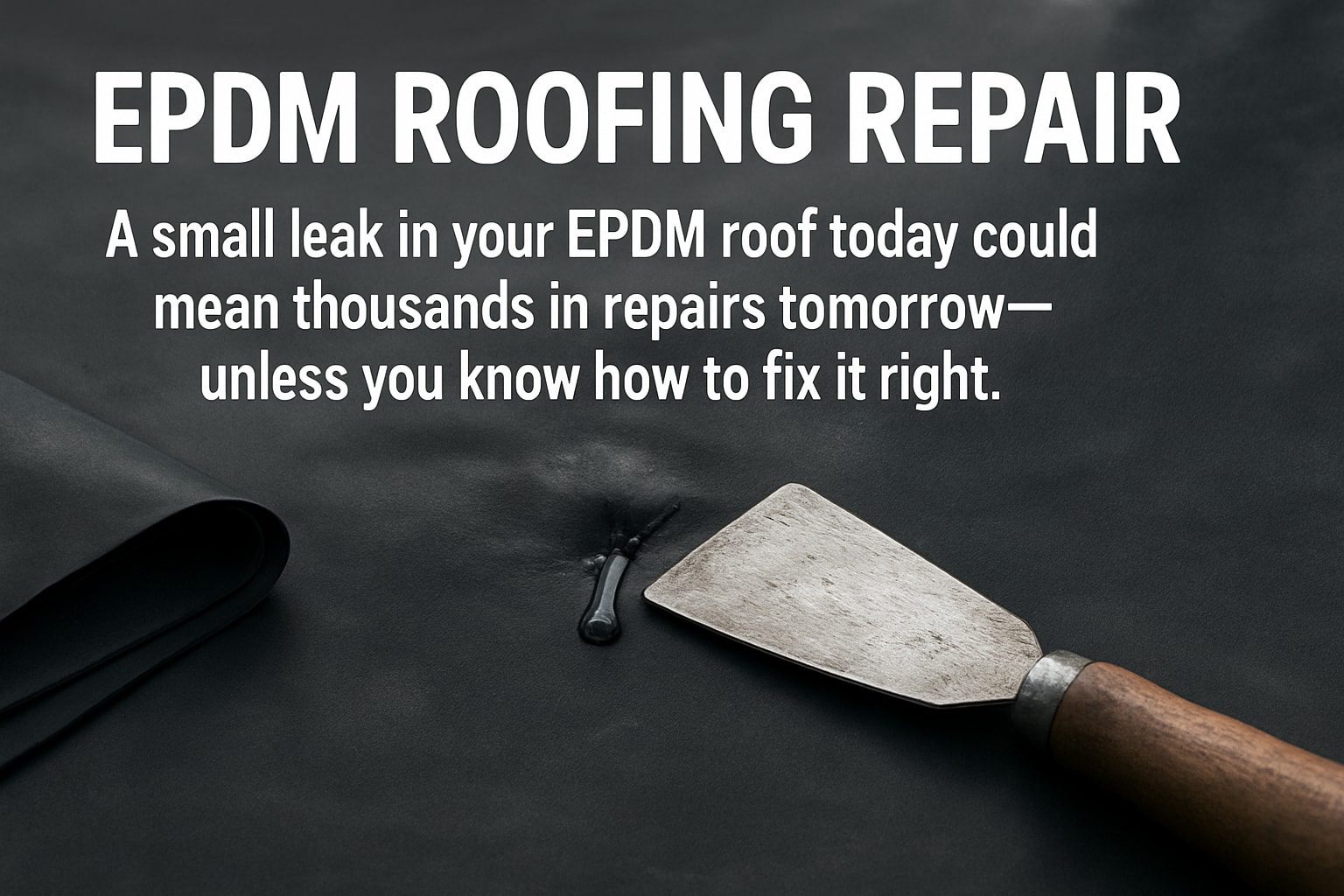
A small leak in your EPDM roof today could mean thousands in repairs tomorrow, unless you know how to fix it right. With rising costs and unpredictable weather, ignoring epdm roofing repair isn’t an option for commercial property owners and managers.
This guide delivers expert, up-to-date solutions for 2026. You will learn how to spot problems early, follow step-by-step repair instructions, and practice preventive maintenance.
Discover when to call in professionals and get clear answers to common questions. Take proactive steps now to protect your investment and extend your roof’s lifespan with proven strategies.
Understanding EPDM Roofing: Material, Benefits, and Common Issues
Commercial property owners seeking reliable epdm roofing repair must first understand what makes EPDM roofing such a popular choice. This knowledge is the foundation for effective repair, maintenance, and prevention of costly issues.
What is EPDM Roofing?
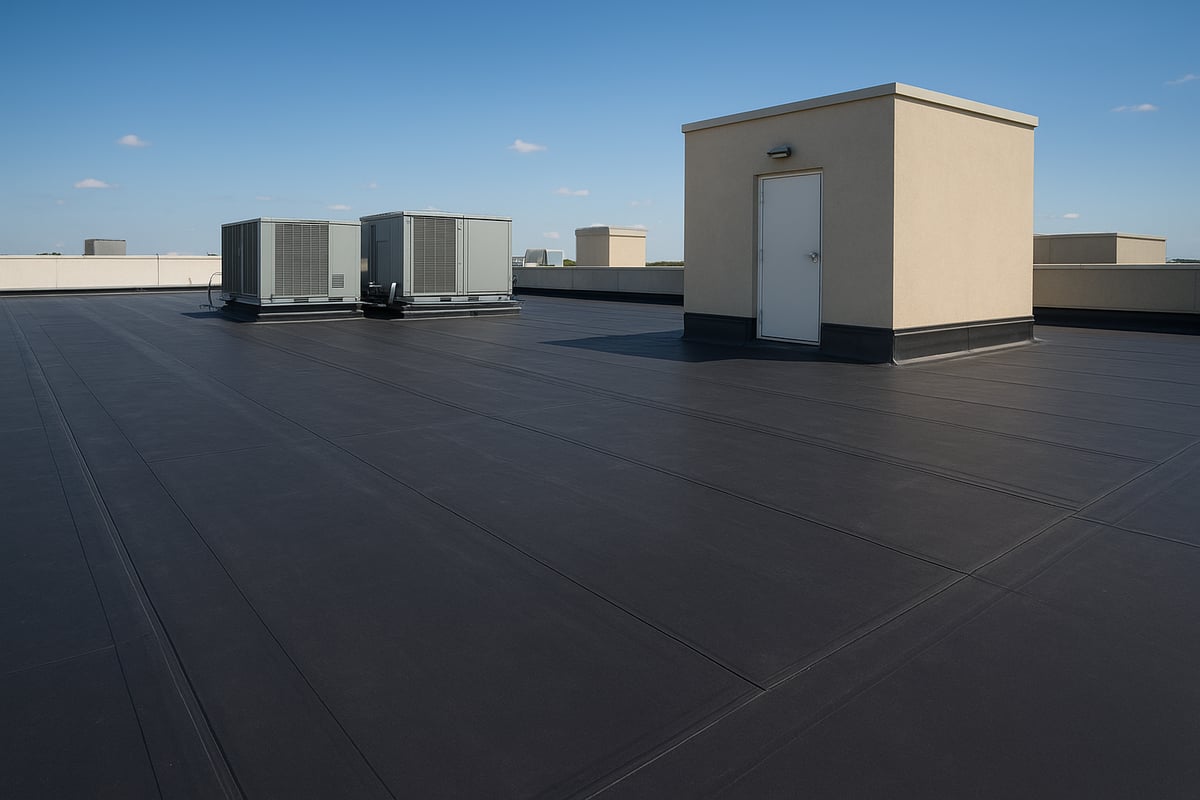
EPDM stands for Ethylene Propylene Diene Monomer, a synthetic rubber roofing membrane widely used on commercial flat roofs. This material is composed of a blend of natural gas and oil, resulting in a highly flexible, durable, and weather-resistant surface.
EPDM roofing is favored for its ability to withstand extreme temperature fluctuations, UV exposure, and harsh weather. Its flexibility allows it to expand and contract without cracking, which is essential for roofs in Texas climates.
With proper installation and maintenance, EPDM roofs can last between 20 and 30 years. Their simplicity in installation and repair is a significant advantage for epdm roofing repair, making this membrane a leading choice for commercial applications.
Benefits of EPDM for Commercial Properties
EPDM offers several benefits that make it ideal for commercial buildings. Its UV resistance helps prevent premature aging, especially under intense Texas sun. Compared to TPO, PVC, or metal roofing, EPDM is cost-effective both in material and installation.
Maintenance needs are minimal, and repairs can often be completed quickly and inexpensively. EPDM is also compatible with a variety of roof coatings, which can further extend the membrane’s life and improve energy efficiency. For a detailed comparison with other commercial membranes, see Comparing TPO, PVC, and EPDM.
Common EPDM Roof Problems in 2026
Despite its strengths, EPDM roofing can develop issues over time. Seam separation is one of the most frequent challenges, often triggered by aging adhesives or membrane shrinkage. Punctures and tears may result from debris, rooftop traffic, or severe weather events.
Ponding water accelerates deterioration, especially if drainage is blocked. Hot summers in Texas can cause the membrane to shrink, pulling at edges and seams. Early warning signs include blistering, bubbling, or loose flashing.
How to Identify EPDM Roof Damage: Inspection & Leak Detection
Spotting issues early is the foundation of effective epdm roofing repair. Early detection saves on costly repairs and helps prevent business disruptions. By knowing what to look for and using the right tools, you can catch problems before they escalate.
Signs of EPDM Roof Damage
Visible and hidden signs are both important in epdm roofing repair. Watch for:
Water stains on ceilings or upper walls, which signal leaks.
Damp insulation or patches of visible mold in attics.
Surface cracks, punctures, or blisters in the EPDM membrane.
Separated seams or loose flashing around vents and HVAC units.
Debris buildup that traps moisture, accelerating deterioration.
Inspection Techniques for 2026
Advanced tools and a systematic approach are vital for successful epdm roofing repair. Begin with a detailed roof walk-through:
Observe the entire membrane, noting any discoloration, soft spots, or surface irregularities.
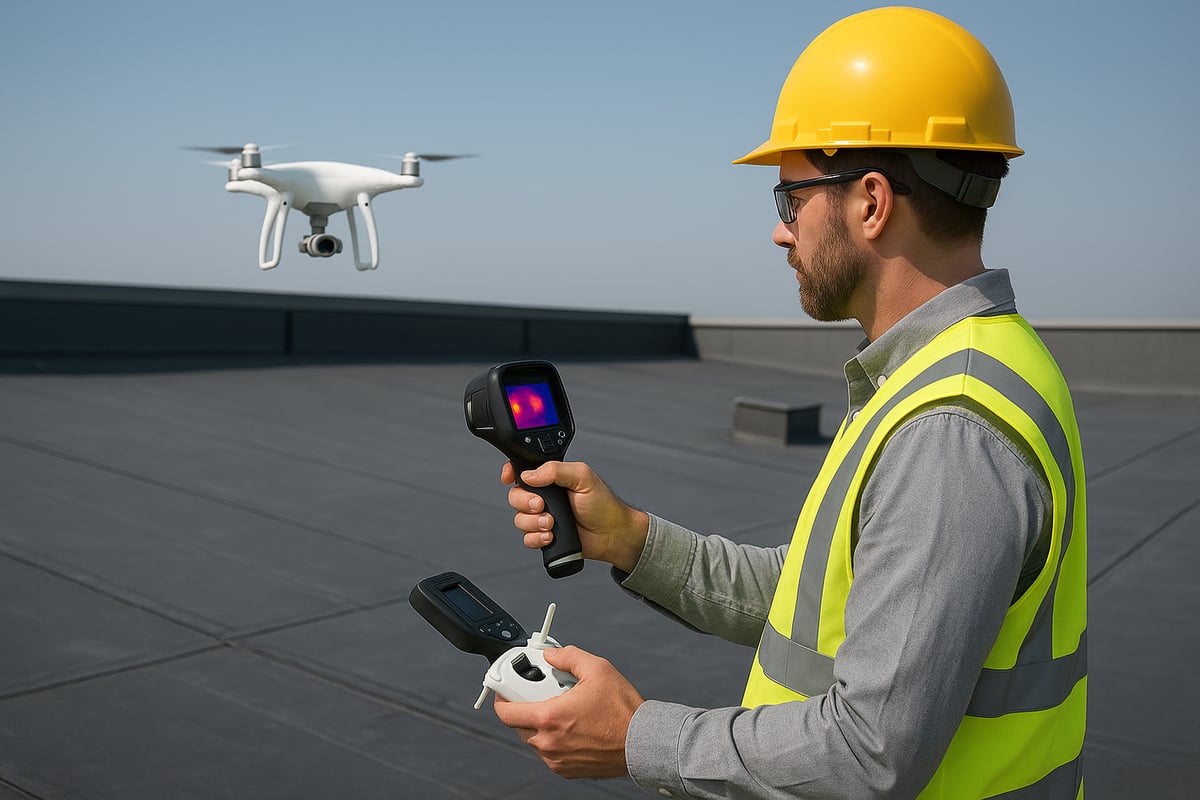
Use drones to safely inspect hard-to-reach areas and large commercial roofs.
Employ infrared cameras to detect hidden moisture or insulation damage.
Addressing issues promptly is the key to avoiding expensive repairs. This step-by-step epdm roofing repair guide for 2026 will help you tackle common problems with confidence.
Tools and Materials Needed
Having the right tools ready streamlines the process. Below is a summary of essentials:
Tool/Material
Purpose
Notes
Utility knife
Cutting membrane/patches
Sharp blade required
Stiff brush
Cleaning surface
EPDM-safe only
Paint/seam rollers
Applying patches and sealants
Steel roller preferred
EPDM patch kit
Repairing punctures/tears
Use pressure-sensitive type
Primer
Promotes patch adhesion
Follow manufacturer’s flash time
Lap sealant
Seals patch edges
Compatible with EPDM
The 5-Step EPDM Patch Repair Process
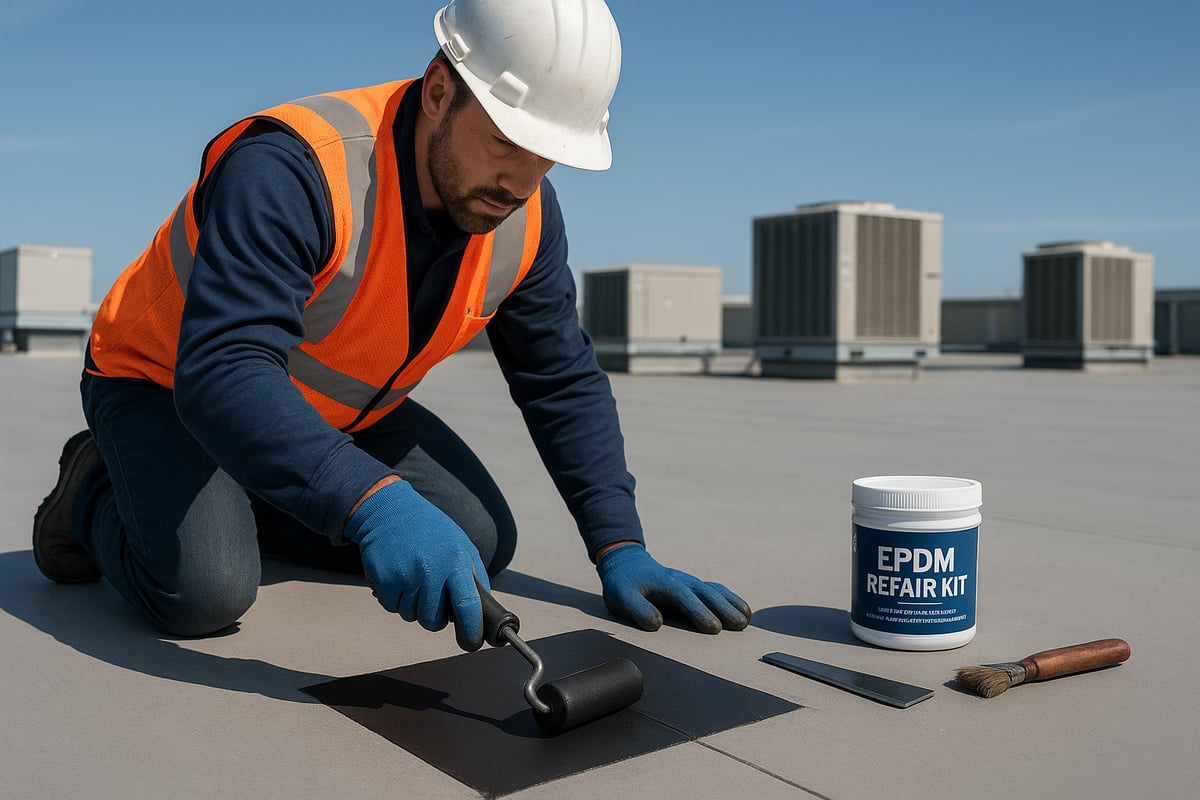
A successful epdm roofing repair relies on methodical execution. Follow these five essential steps:
Surface Cleaning: Remove all dirt and oxidation from at least 6 inches beyond the damaged area using EPDM-approved cleaner.
Patch Cutting: Cut a patch that extends at least 2 inches beyond the damage. Round the corners to prevent peeling.
Priming: Apply primer and allow it to flash (become tacky).
Application: Position the pressure-sensitive patch and use a steel roller to press out air bubbles.
Edge Sealing: Apply lap sealant around the patch perimeter to block moisture.
Dealing with Wet Insulation
Sometimes, an epdm roofing repair uncovers saturated insulation. This must be removed to prevent mold. Carefully cut out the affected membrane, replace the wet insulation with new code-approved material, and then patch the membrane.
Preventive Maintenance & Longevity Strategies
Proactive care is the cornerstone of long-lasting roofing. Regular attention not only prevents costly leaks but also maximizes your investment.
Routine Inspection and Cleaning
Schedule inspections twice a year. Look for debris, standing water, and blocked drains. Remove leaves promptly to prevent moisture buildup and clear all drainage points.
Patches vs. Coatings
For epdm roofing repair, patches are best for localized damage. Coatings are ideal for widespread wear.
Solution Type
Best For
Benefits
Patch
Small, specific areas
Quick, targeted, cost-effective
Coating
Widespread wear, aging
Energy savings, extended life
When to Call a Professional: Limits of DIY Repair
Even with access to quality products, there are limits to what a property manager should attempt. Recognizing when to involve a professional is crucial.
Red Flags for Professional Intervention
Tears exceeding 12 inches in length.
Widespread seam separation.
Persistent ponding water not draining within 48 hours.
Soft, spongy areas underfoot (signal of structural damage).
Frequently Asked Questions: EPDM Roofing Repair in 2026
How long do EPDM patches last?
With modern epdm roofing repair materials, properly installed patches can last 10–15 years.
Can I repair EPDM in cold weather?
No, repairs should be performed when temperatures are above 45°F. Cold weather compromises adhesion.
How does EPDM repair differ from TPO?
EPDM uses adhesives and primers, while TPO and PVC systems use heat welding to fuse seams.
Learn why preventative electrical maintenance is critical for commercial buildings. Discover best practices, inspection schedules, and cost-saving benefits.