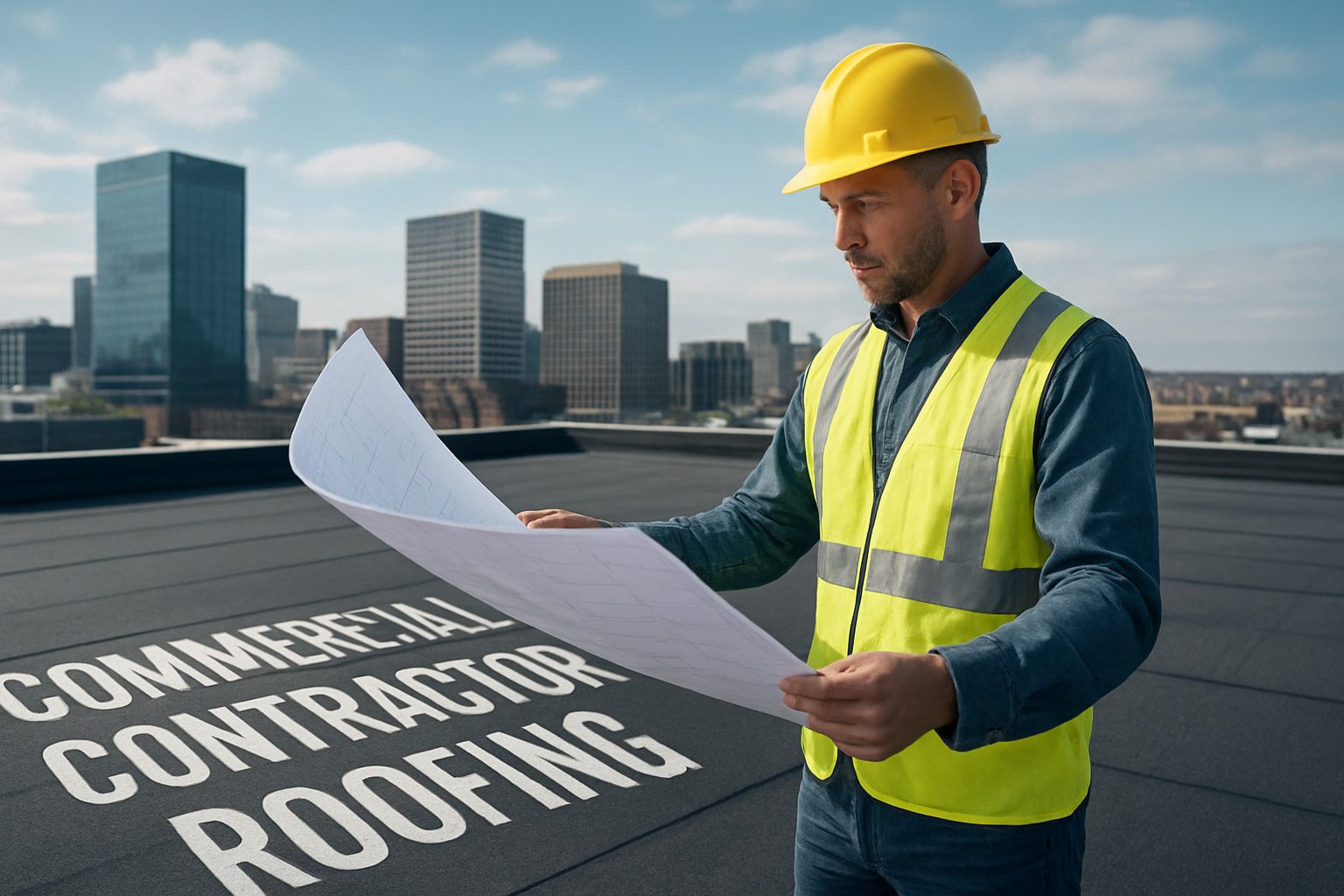
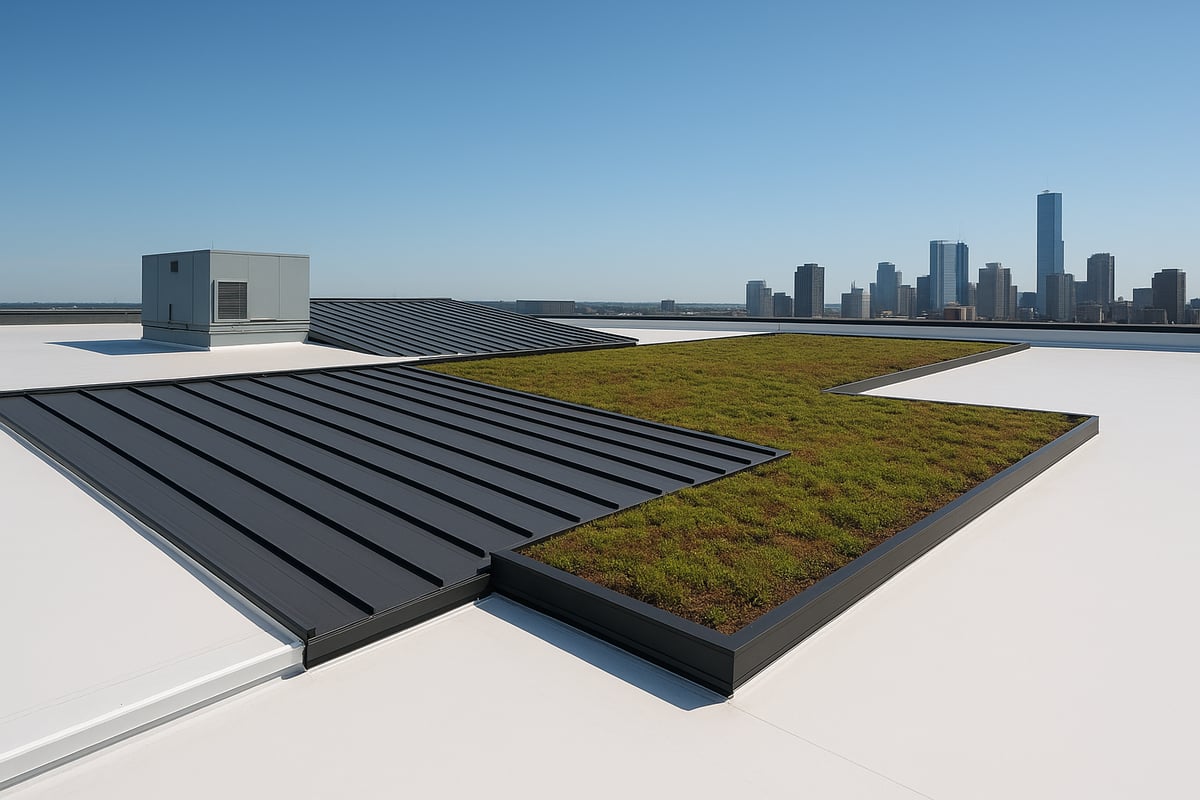
Guide to Commercial Contractor Roofing Solutions 2026
Explore the latest commercial contractor roofing solutions for 2026 including materials, technology, and compliance to ensure long term performance and savings.
In 2026, the world of commercial contractor roofing is transforming at an unprecedented pace. New technologies, innovative materials, and stricter sustainability standards are influencing every roofing project.
Outdated or poorly maintained commercial roofs now pose significant financial and operational risks. Staying current with advancements in commercial contractor roofing not only protects your investment but also delivers long-term savings and peace of mind.
This guide empowers property owners, managers, and contractors to make informed decisions. Discover the latest roofing materials, installation techniques, maintenance strategies, regulatory updates, and expert tips for selecting the right contractor for your needs.
Understanding the Commercial Roofing Landscape in 2026
The commercial contractor roofing industry in 2026 is undergoing rapid transformation, driven by technology, sustainability, and evolving client expectations. For property owners, managers, and contractors, understanding these shifts is essential for staying competitive and compliant.
Key Trends Shaping Commercial Roofing
Several trends are redefining the future of commercial contractor roofing. Sustainability is now at the core of most projects, with an increasing demand for energy-efficient and eco-friendly roofing systems. Property owners are prioritizing solutions that reduce operational costs and align with green building certifications.
Smart roofing technologies are gaining traction, including sensors that monitor moisture, temperature, and structural integrity. These tools enable real-time performance tracking, helping facility managers address issues before they escalate.
Climate change continues to impact the industry, prompting a stronger emphasis on storm-resistant and durable roofing materials. Severe weather events have made resilience a top consideration in commercial contractor roofing projects.
Material innovation is also shaping the landscape. Single-ply membranes such as TPO, PVC, and EPDM are popular for their performance and cost-effectiveness, particularly on flat roofs. Cool roofs and reflective coatings are widely adopted to mitigate urban heat islands, reduce HVAC loads, and enhance occupant comfort.
Labor shortages have encouraged the use of prefabricated and modular roofing components, streamlining installation and reducing project timelines. Digital project management tools further support collaboration between contractors and clients, improving transparency and efficiency.
These trends collectively drive the evolution of commercial contractor roofing, requiring industry professionals to stay informed and adaptable.
Market Data and Industry Insights
The commercial contractor roofing market is set for significant growth by 2026. In the United States alone, the market is projected to exceed $15 billion, reflecting robust demand for new installations and retrofits. Flat roofing systems, particularly TPO, PVC, and EPDM membranes, account for over 70 percent of new commercial roof installations, thanks to their proven performance and ease of maintenance.
Metal roofing is also gaining ground, valued for its longevity, recyclability, and compatibility with solar panel systems. Many businesses are investing in metal solutions to reduce lifecycle costs and meet sustainability targets.
A recent case study highlights the impact of cool roofing: a major retail chain reduced its annual energy expenses by 20 percent after implementing a reflective roof retrofit. Such results underscore the financial and operational benefits of modern commercial contractor roofing solutions.
For a deeper look at industry performance, sales volumes, and contractor outlooks, the 2026 State of the Roofing Industry Report provides comprehensive insights into current market dynamics.
Here’s a brief table summarizing key market data:
Roofing System
Market Share (%)
Notable Features
TPO/PVC/EPDM
70+
Energy efficient, durable
Metal Roofing
Growing
Long lifespan, recyclable
Cool Roofs
Increasing
Reflective, energy-saving
As the commercial contractor roofing sector continues to evolve, staying updated with market trends and data will empower stakeholders to make informed, future-ready decisions.
Types of Commercial Roofing Systems: Pros, Cons & Use Cases
Selecting the right roofing system is a critical step in any commercial contractor roofing project. The choices you make impact building performance, lifecycle costs, and long-term sustainability. Below, we break down the leading systems, their advantages, drawbacks, and best-fit scenarios. For an expanded comparison, visit the Types of Commercial Roofing Systems page.
Single-Ply Membranes (TPO, PVC, EPDM)
Single-ply membranes are a leading choice in commercial contractor roofing due to their versatility and efficiency. These systems include TPO, PVC, and EPDM.
TPO: Delivers strong UV resistance and energy efficiency. Heat-welded seams create watertight protection, making TPO cost-effective for large flat roofs.
PVC: Known for superior chemical resistance, this membrane is ideal for restaurants, food processing, and manufacturing facilities.
EPDM: Offers exceptional durability and flexibility, performing well in both hot and cold climates. Repairs are straightforward and affordable.
A healthcare facility recently selected TPO for its commercial contractor roofing upgrade, citing fast installation and outstanding energy savings as key benefits.
Built-Up Roofing (BUR) & Modified Bitumen
Built-up roofing and modified bitumen systems remain trusted solutions for commercial contractor roofing, especially on high-traffic roofs.
BUR: Composed of multiple layers of bitumen and reinforcing fabrics, BUR provides excellent waterproofing and longevity. Its track record spans decades in commercial applications.
Modified Bitumen: Enhanced with polymers for flexibility, this system handles temperature extremes well and is easy to maintain.
Government buildings and schools often opt for BUR or modified bitumen, valuing the systems’ resilience and proven performance in demanding environments.
Metal Roofing Systems
Metal roofs are gaining popularity in commercial contractor roofing for their unmatched durability and sustainability.
Standing Seam and Architectural Metal: These roofs can last over 40 years with minimal upkeep. They are highly resistant to weather, fire, and impact.
Sustainability: Metal is recyclable and supports solar panel integration, aligning with green building goals.
An office complex reduced its maintenance costs by 30 percent over two decades after switching to a metal roofing system, demonstrating the long-term value of this solution.
Roof Coatings & Liquid-Applied Systems
Roof coatings and liquid-applied membranes offer a smart way to extend roof life and restore performance in commercial contractor roofing projects.
Acrylic, Silicone, Polyurethane Coatings: Applied directly to existing roofs, these coatings seal leaks, improve reflectivity, and protect against weathering.
Liquid-Applied Membranes: Provide seamless waterproofing, especially valuable for roofs with complex shapes or penetrations.
A retail center avoided a costly full roof replacement by choosing a silicone coating, extending its roof’s service life and minimizing business disruption.
Green Roofs & Solar-Integrated Systems
For commercial contractor roofing projects seeking sustainability, green and solar-integrated systems offer unique advantages.
Vegetative Roofs: Incorporate living plants to manage stormwater, enhance insulation, and contribute to LEED certification.
Solar-Integrated Roofing: Combines energy generation with weather protection, making use of tax incentives and meeting local green requirements.
A hotel chain implemented green roofs across its properties, enhancing brand image and achieving measurable utility savings through improved energy efficiency.
Choosing the right commercial contractor roofing system means weighing these factors carefully. Each solution offers unique strengths aligned with different building needs, climates, and long-term goals.
Choosing the Right Roofing Solution for Your Commercial Property
Selecting the optimal commercial contractor roofing system for your property is a multifaceted decision. It requires a careful balance of building needs, environmental realities, costs, compliance, and stakeholder input. By approaching this process methodically, you maximize both performance and value.
Assessing Building Requirements and Environmental Factors
Start by evaluating every aspect of your building. Roof slope, size, and structural load capacity play a significant role in determining appropriate commercial contractor roofing options. Consider the building's age, existing roof system, and any unique architectural features.
Environmental factors are equally important. Analyze local climate, wind uplift risks, UV exposure, and rainfall patterns. For properties in Texas, for example, resistance to intense sun, heavy storms, and temperature fluctuations is critical. Industry-specific demands shape your solution: restaurants may need chemical-resistant membranes, while hospitals benefit from noise-reducing systems.
Involving a commercial contractor roofing specialist early ensures these requirements are addressed comprehensively. For a detailed overview of available systems and contractor expertise, see Commercial Roofing Contractor Services.
Budgeting and Lifecycle Cost Analysis
Financial planning is at the heart of every commercial contractor roofing project. Upfront costs can vary significantly across materials and installation methods. However, long-term value is determined by maintenance needs, energy efficiency, and expected lifespan.
Consider this comparison:
System Type
Upfront Cost
Annual Maintenance
Expected Lifespan
Energy Savings
TPO Single-Ply
Moderate
Low
20-30 years
High
Built-Up Roofing (BUR)
Low
Moderate
20-30 years
Moderate
Metal Roofing
High
Very Low
40+ years
High
Assess warranty options, total cost of ownership, and potential for future upgrades. For example, school districts often select BUR due to its long-term cost efficiency, while office parks may invest more upfront for metal systems that require minimal upkeep.
Regulatory Compliance and Sustainability Goals
Building codes and sustainability standards are evolving rapidly. Modern commercial contractor roofing solutions must meet or exceed 2026 requirements for fire resistance, insulation values, and reflectivity. Local regulations may also mandate cool roofs or specific stormwater management features.
Align your roofing project with LEED, Energy Star, or local green building guidelines to unlock tax incentives and public recognition. Cities increasingly require reflective or vegetative roofs to combat urban heat. Early compliance checks prevent costly delays and ensure eligibility for sustainability certifications.
Tie your roofing decision to broader environmental objectives. Prioritizing recyclable materials or solar integration supports both compliance and long-term energy savings.
Working with Stakeholders
Successful commercial contractor roofing projects depend on collaboration. Engage facility managers, architects, and contractors from the outset. Each stakeholder brings valuable insights that influence system selection and project workflow.
Clear communication is essential. Document requirements, share digital plans, and establish a unified project timeline. This approach reduces misunderstandings, minimizes change orders, and supports on-time delivery.
A collaborative process results in better solutions and lasting relationships. Regular updates and transparency ensure all parties are invested in the project’s success and ongoing roof performance.
The Commercial Roofing Project Lifecycle: Step-by-Step Guide
Embarking on a commercial contractor roofing project in 2026 requires a clear understanding of each phase. From initial inspection to ongoing maintenance, a systematic approach ensures optimal results, cost efficiency, and long-term roof performance.
Step 1: Initial Assessment & Inspection
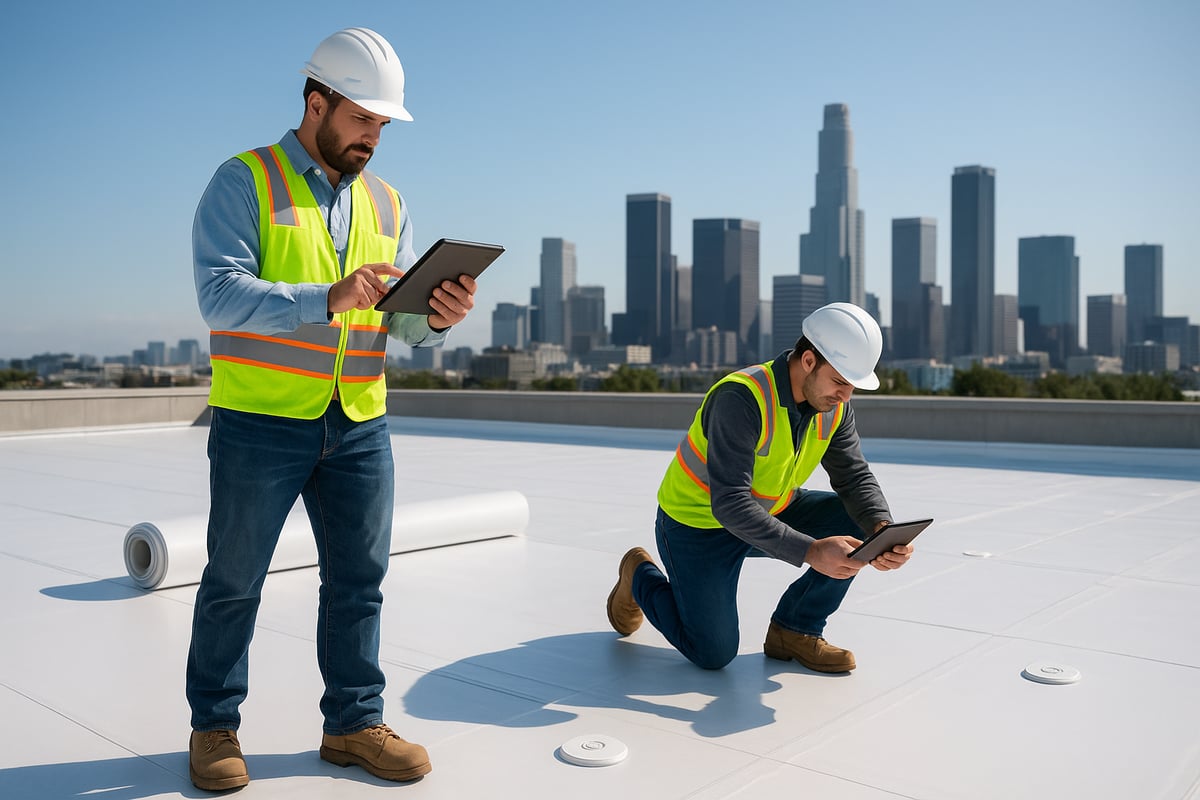
Every successful commercial contractor roofing project starts with a comprehensive inspection. This includes visual checks, drone surveys, and sometimes infrared scans to identify leaks, ponding water, membrane issues, or insulation gaps.
A detailed assessment uncovers both obvious and hidden problems. By using advanced tools, contractors minimize safety risks and ensure no critical area is missed. For example, drone inspections can safely scan large rooftop areas, delivering high-resolution imagery and precise measurements.
Early detection of issues sets the stage for a smooth project and extends the lifespan of your commercial contractor roofing investment.
Step 2: Solution Design & Material Selection
After inspection, the focus shifts to designing the best solution for your specific needs. Commercial contractor roofing experts collaborate with architects and engineers to select materials that balance durability, energy efficiency, and code compliance.
Digital modeling tools help visualize different systems and configurations. Choices might include TPO, PVC, metal panels, or green roof options, depending on building requirements and climate factors.
This collaborative design phase ensures the selected commercial contractor roofing system meets both current regulations and long-term property goals.
Step 3: Project Planning & Budgeting
With a solution in place, detailed planning begins. Commercial contractor roofing teams outline project scope, set realistic timelines, and develop precise budgets. This step involves securing permits and coordinating with local authorities to meet regulatory standards.
Effective communication with stakeholders is crucial. Sharing clear schedules and expectations helps avoid misunderstandings and delays. For example, a well-structured plan can streamline site access and minimize business disruption.
Thorough project planning ensures that the commercial contractor roofing installation proceeds efficiently and stays within budget.
Step 4: Installation & Quality Assurance
During installation, commercial contractor roofing crews follow strict safety protocols and manufacturer guidelines. Site preparation includes material delivery, staging, and setup of safety barriers to protect workers and occupants.
Certified installers handle each phase, from laying membranes to sealing seams. On-site quality checks and detailed documentation at every stage guarantee that the roof meets design specifications.
By maintaining high standards throughout installation, commercial contractor roofing professionals deliver reliable, code-compliant results that stand the test of time.
Step 5: Final Inspection & Handover
Completion of installation leads to the final inspection. Commercial contractor roofing supervisors conduct a comprehensive walkthrough with property owners to address any punch list items and confirm the project’s quality.
Essential documentation is provided, including maintenance manuals and warranty registrations. This step ensures owners understand how to care for their new roof and maintain warranty coverage.
A thorough handover process gives stakeholders confidence in the integrity and performance of their commercial contractor roofing system.
Step 6: Ongoing Maintenance & Monitoring
Long-term success depends on proactive care. Regular inspections, preventative maintenance, and timely repairs keep commercial contractor roofing systems performing optimally.
Many property owners now leverage smart sensors and digital monitoring platforms to detect issues early. For tailored ongoing support, consider specialized Commercial Roof Maintenance Services to extend roof lifespan and prevent costly disruptions.
By investing in consistent maintenance, your commercial contractor roofing investment delivers maximum value and reliability for years to come.
Maintenance, Repairs, and Extending Roof Lifespan
Proactive maintenance is critical for maximizing the performance and value of any commercial contractor roofing system. Well-maintained roofs not only last longer but also protect your investment, minimize disruptions, and ensure compliance with warranties and regulations.
Preventative Maintenance Strategies
Routine preventative maintenance is essential for commercial contractor roofing longevity. Scheduling semi-annual inspections allows teams to identify minor issues before they escalate. After major storms, prompt checks for debris, blocked drains, or damaged flashings are crucial.
Key maintenance tasks include:
Removing debris from the roof surface and drains
Inspecting seams, joints, and penetrations for early signs of wear
Checking for ponding water and ensuring proper drainage
A regular maintenance program helps avoid costly emergency repairs. For example, an office park extended its roof lifespan by seven years through diligent inspections and early intervention. Investing in preventative care is one of the most cost-effective strategies for preserving commercial contractor roofing assets.
Common Repair Needs and Solutions
Even with vigilant care, repairs are sometimes unavoidable in commercial contractor roofing systems. The most frequent issues include membrane punctures, seam separations, and areas of standing water. Quick response to these problems limits interior damage and business interruption.
Effective repair protocols involve:
Immediate patching of punctures with compatible materials
Resealing separated seams to prevent moisture intrusion
Addressing ponding by correcting drainage paths
Clear emergency response plans ensure repairs are handled swiftly. Using the correct materials and techniques maintains the integrity and performance of commercial contractor roofing, helping to prevent recurring issues and extending overall roof life.
Roof Restoration vs. Replacement
Determining whether to restore or replace a roof is a pivotal decision for commercial contractor roofing management. Restoration, such as applying advanced coatings, can significantly extend service life and is often less disruptive than a full replacement. It also offers substantial cost and time savings.
Option
Pros
Cons
Restoration
Lower cost, less downtime
Not suitable for all roofs
Replacement
Comprehensive solution
Higher cost, more disruption
Knowing when restoration is appropriate requires a professional assessment. For detailed guidance, explore Commercial Roof Restoration vs. Replacement to understand which approach best fits your property's needs. Choosing wisely ensures your commercial contractor roofing solution aligns with budget, sustainability, and operational goals.
Warranty Management and Documentation
Proper warranty management is essential for protecting your commercial contractor roofing investment. Every system comes with specific warranty terms, detailing coverage, required maintenance, and exclusions. Failing to follow maintenance obligations can void valuable coverage.
Best practices include:
Keeping detailed inspection and repair logs
Scheduling required maintenance per warranty terms
Ensuring all repairs use approved materials and contractors
Documentation provides proof of compliance and facilitates warranty claims if issues arise. For example, hospitals that maintained meticulous records preserved eligibility for major repairs under warranty. Staying organized helps safeguard your commercial contractor roofing warranty and maximizes long-term value.
Leveraging Technology for Maintenance
Modern technology is transforming commercial contractor roofing maintenance. Tools such as drones enable safe, efficient inspections, while infrared imaging detects hidden moisture or insulation problems. Digital maintenance logs and integration with building management systems streamline tracking and reporting.
Benefits of technology-driven maintenance include:
Early detection of developing issues
Reduced risk and greater inspection accuracy
Fewer unplanned repairs and lower long-term costs
For instance, facility managers who adopted digital tools reduced emergency repairs by 25 percent. Embracing technology ensures your commercial contractor roofing system remains reliable, compliant, and cost-effective well into the future.
Navigating Contractor Selection and Project Success in 2026
Selecting the right commercial contractor roofing partner is more critical than ever as industry standards and project demands continue to evolve. With the U.S. roofing market projected to reach $44.74 billion by 2031, choosing a qualified contractor can directly impact your project's success and long-term ROI.
Qualities of a Reliable Commercial Roofing Contractor
When evaluating commercial contractor roofing providers, reliability should be your top priority. Look for contractors with proper licensing, active insurance, and manufacturer certifications. A strong track record with similar property types and roofing systems is essential.
Ask for references and review a portfolio of completed commercial contractor roofing projects. Transparent pricing, clear communication, and documented processes are hallmarks of a professional contractor. These criteria help ensure your investment is protected and your project is completed to the highest standards.
Evaluating Bids and Proposals
Careful evaluation of bids is a key step in the commercial contractor roofing process. Compare each proposal based on scope of work, materials, warranty coverage, and project timeline. Pay attention to any exclusions or hidden costs that might surface later.
A side-by-side table can help clarify your options:
Proposal Element
Contractor A
Contractor B
Contractor C
Material Type
TPO
PVC
EPDM
Warranty (years)
20
15
25
Estimated Time
3 weeks
4 weeks
3.5 weeks
Total Cost
$250,000
$240,000
$265,000
By thoroughly reviewing each commercial contractor roofing bid, you avoid surprises and position your project for success.
The Importance of Communication and Project Management
Effective communication is the backbone of any commercial contractor roofing project. Set clear expectations for regular updates, site access, and decision-making protocols from the outset.
Many leading contractors use digital project management platforms to keep all stakeholders informed. This transparency reduces misunderstandings and keeps your commercial contractor roofing project on track. Consistent progress reports and documentation also help identify and address issues promptly.
Safety, Compliance, and Risk Mitigation
Safety and compliance must be at the forefront of every commercial contractor roofing project. Ensure your contractor follows OSHA standards, maintains robust site safety plans, and meets insurance requirements.
A contractor with a proven safety record reduces liability and keeps your project running smoothly. Documented risk management practices protect your property and workforce during commercial contractor roofing installations and repairs.
Post-Project Support and Long-Term Relationships
Long-term success with commercial contractor roofing depends on post-project support. Choose contractors who offer emergency repair services and maintenance agreements.
A strong relationship means faster response times and ongoing warranty support. Maintenance agreements with your commercial contractor roofing provider ensure your roof remains in top condition, protecting your investment for years to come.
Red Flags and How to Avoid Pitfalls
Be alert for warning signs when selecting a commercial contractor roofing partner. Watch out for lack of documentation, vague contracts, and poor communication. These red flags can signal future issues and costly delays.
Conduct thorough vetting and due diligence before signing any agreement. By selecting a contractor with strong documentation and transparent processes, you safeguard your project and avoid common pitfalls in the commercial contractor roofing industry.
Learn why preventative electrical maintenance is critical for commercial buildings. Discover best practices, inspection schedules, and cost-saving benefits.