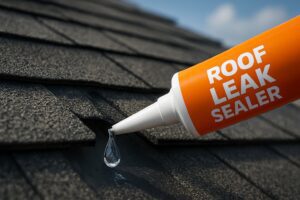
Metal Roof Leak Sealer Guide: Expert Solutions for 2026
Discover expert advice on metal roof leak sealer options for 2026. Learn to prevent costly leaks, choose top products, and apply solutions for lasting protection.
A leaking metal roof can halt business operations, damage inventory, and lead to expensive repairs. Addressing leaks quickly is crucial, but many issues are avoidable with the right product and know-how.
This expert guide explores the most advanced metal roof leak sealer options for 2026. Discover why leaks happen, how to choose the ideal sealer, and step-by-step methods for long-term results.
Learn about the latest technologies and proven solutions so you can protect your investment, extend your roof’s lifespan, and avoid costly disruptions. Follow this guide for expert-level, watertight protection.
Understanding Metal Roof Leaks: Common Causes and Risks
Metal roofing is a popular choice for commercial and industrial buildings due to its durability, energy efficiency, and long lifespan. These roofs protect valuable assets and ensure uninterrupted business operations. However, even the most robust metal roofing systems are vulnerable to leaks if not properly maintained or sealed. Facility managers and property owners must understand the unique challenges that come with metal roofs to prevent costly disruptions. Selecting the right metal roof leak sealer is a critical step in safeguarding any commercial property.
Metal Roofing in Commercial and Industrial Buildings
Metal roofs are commonly installed on warehouses, retail centers, factories, and other large-scale buildings. Their lightweight panels, energy-saving coatings, and strong weather resistance make them a preferred solution. Despite these advantages, metal roofs can develop leaks over time, especially when exposed to harsh conditions or heavy foot traffic. For every facility manager, understanding the role of a high-performance metal roof leak sealer is essential for ongoing protection.
Common Causes of Metal Roof Leaks
Industry research shows that 80% of leaks in metal roofs begin at seams or roof penetrations. Seams can separate as the roof ages, while screws and fasteners may loosen or fail. Corrosion, caused by standing water or chemical exposure, is another frequent culprit. Improper installation, such as incorrect panel overlaps or inadequate flashing, can create vulnerabilities from the start. For more detailed insight into these issues, review this comprehensive guide on the common causes of metal roof leaks. Storm damage, including hail and high winds, often accelerates the need for a reliable metal roof leak sealer.
Cause
Description
Risk Level
Aging Seams
Separation at joints
High
Fastener Failure
Loose or missing screws
High
Corrosion
Rust from water or chemicals
Medium
Improper Installation
Poor overlaps or flashing
High
Storm Damage
Hail, wind, or debris impact
High
Risks and Consequences of Leaking Roofs
Unchecked leaks in a metal roof can result in significant damage. Water intrusion damages insulation, leading to energy inefficiency and higher utility costs. Moisture also promotes mold growth, which threatens occupant health and can compromise stored products. In severe cases, leaks accelerate structural deterioration, causing roof deck rot and corrosion of support beams. For example, a retail warehouse in Texas faced $50,000 in inventory losses after an undetected leak allowed water to pool over several months. Investing in the proper metal roof leak sealer is far less costly than emergency repairs or lost business.
Timely Leak Detection and Inspection
Addressing leaks promptly is vital for preserving the integrity of a metal roofing system. Regular inspections, including visual checks and advanced methods such as infrared or drone surveys, help identify problems before they escalate. Data shows that facilities implementing routine inspections can reduce leak-related costs by up to 40%. Keeping a consistent inspection schedule and using a high-quality metal roof leak sealer are crucial steps in any maintenance program. Early detection minimizes downtime and protects both assets and occupants.
Climate’s Role in Leak Development
The environment exerts a major influence on metal roof performance. Regions prone to hail, frequent heavy rain, or intense UV exposure are especially at risk. Thermal expansion and contraction caused by temperature swings can weaken seams and fasteners over time. Additionally, roofs in coastal or industrial areas may experience accelerated corrosion due to salt or chemical exposure. Selecting a metal roof leak sealer designed for local climate conditions is key to ensuring long-term leak prevention and roof longevity.
Types of Metal Roof Leak Sealers: Options for 2026
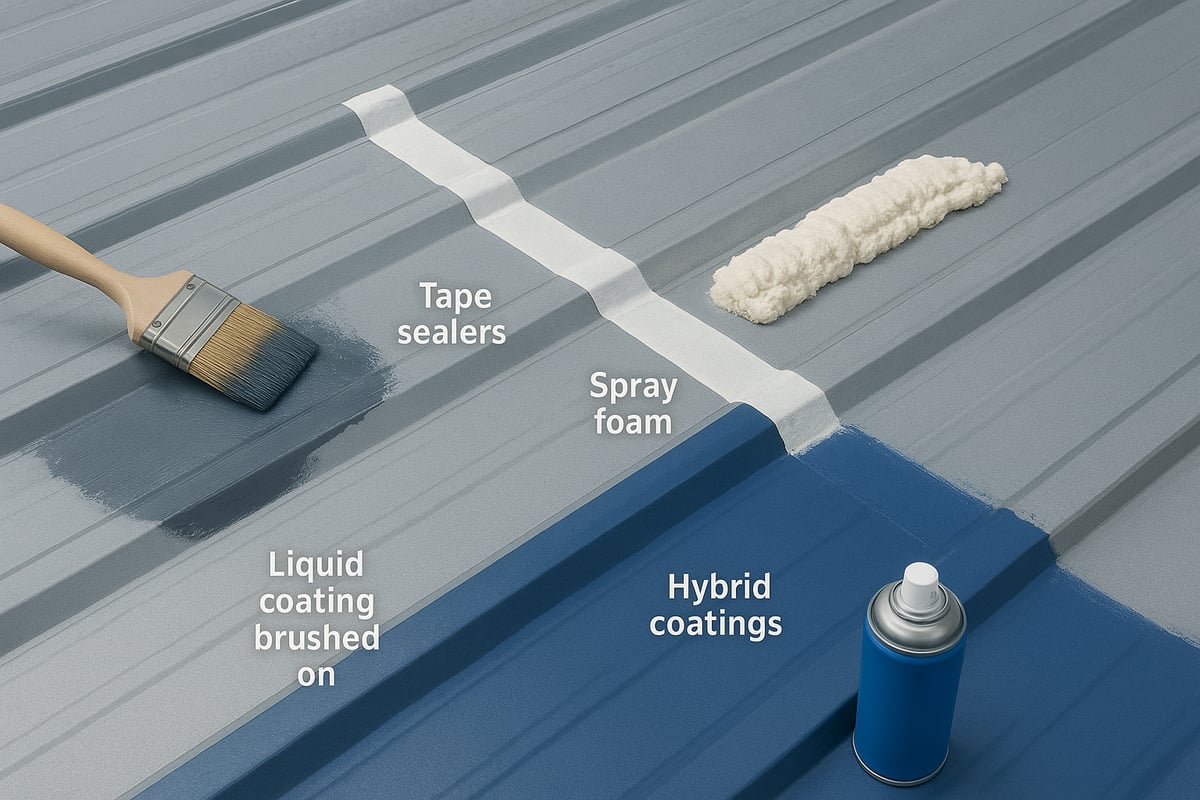
Choosing the right metal roof leak sealer is crucial to preventing costly water damage and extending your roof's lifespan. In 2026, sealant technologies offer more options than ever, each designed to address specific leak scenarios and performance needs. Below, we break down the main categories to help you make an informed choice.
Liquid-Applied Sealers
Liquid-applied sealers remain a top choice for many building owners. These coatings, including acrylic, silicone, and polyurethane, are applied by brush, roller, or spray, creating a seamless membrane over the roof surface. They offer flexibility and strong UV resistance, making them suitable for a range of climates.
One of the major advantages of this metal roof leak sealer type is its ease of use, especially for covering large areas or irregular surfaces. However, some formulas, like acrylic, may require more frequent reapplication. Silicone coatings excel in ponding water areas and are known for their durability. For an in-depth look at silicone options, visit the Silicone Roof Coatings Guide.
Careful surface preparation is essential to maximize adhesion and performance. When applied correctly, liquid-applied sealers can significantly reduce leak risks.
Tape and Membrane Sealers
Tape and membrane sealers are ideal for targeted repairs on seams, fasteners, and penetrations. Butyl and rubberized tapes are the most common, providing a quick and effective seal for problem areas. These tapes are especially useful for flashing details, skylight perimeters, and emergency fixes.
A key benefit of this metal roof leak sealer category is its simplicity. Application usually involves cleaning the surface, peeling off the backing, and pressing the tape firmly in place. According to ASTM tests, butyl tape can deliver over 20 years of reliable service.
While tape and membrane sealers are less suited for large-scale coverage, they are invaluable for maintenance teams needing fast, durable results. Always select a tape rated for your specific roof material and climate.
Spray Foam and Expanding Sealants
Spray foam and expanding sealants offer a unique solution for gaps, joints, and irregular surfaces that are hard to address with traditional coatings or tapes. These polyurethane-based foams expand upon application, filling voids and creating both a seal and an insulating barrier.
This metal roof leak sealer type is particularly effective in retrofits, where older roofs may have shifted or developed uneven surfaces. The expanding foam ensures every crevice is sealed, reducing air and moisture infiltration.
In addition to leak prevention, spray foam can improve energy efficiency by minimizing thermal bridging. Proper application requires attention to curing times and weather conditions, but the results are long-lasting and robust.
Advanced Hybrid Sealers for 2026
The latest innovations in metal roof leak sealer technology include advanced hybrids, such as polymer blends and nanotechnology-infused coatings. These products combine the strengths of multiple sealer types, offering exceptional durability, flexibility, and environmental performance.
Commercial roofing trends for 2026 show a rising preference for hybrid sealers, especially in demanding environments. These sealers outperform traditional options in terms of weather resistance and longevity, often lasting longer between maintenance cycles.
When comparing advanced hybrids to classic sealers, consider both performance and cost. While initial investment may be higher, the extended protection and reduced need for frequent reapplication can offer significant long-term value. Selecting the right metal roof leak sealer from this category can help future-proof your building, especially in climates with intense sun, heavy rain, or high winds.
How to Choose the Best Metal Roof Leak Sealer
Selecting the right metal roof leak sealer is critical for long-term protection and cost efficiency. With so many options available, understanding your roof’s unique needs and the latest product features is essential. The following steps will help you make an informed decision and ensure a watertight, reliable roof.
Assessing Roof Condition and Leak Sources
Start by conducting a thorough inspection of your metal roof. Identifying the source of leaks is the foundation of an effective repair. Use visual checks for rust, seam gaps, and compromised fasteners. Advanced methods like infrared thermography or drone-assisted surveys can reveal hidden moisture and reduce inspection time by 60 percent for large commercial roofs.
Focus on areas where leaks commonly develop, such as seams, fasteners, penetrations, and rust-prone spots. Document all findings and mark each problem area for targeted repairs. For commercial properties, leveraging professional commercial roof leak detection services can provide accurate assessments and prevent costly oversight. The right assessment ensures you select the most suitable metal roof leak sealer for your specific situation.
Regular inspections are not just about finding damage, but also about maintaining your investment. Early detection can prevent small leaks from escalating into major issues.
Environmental and Building Considerations
When choosing a metal roof leak sealer, consider your local climate and the building’s function. Is your roof exposed to intense sunlight, heavy rainfall, or temperature swings? UV radiation and thermal movement can degrade some sealers faster than others. In wind-prone regions, select products tested for strong adhesion and flexibility.
The building’s use also matters. Healthcare, food processing, and retail facilities may require low-VOC or food-safe sealers. Always check local regulations concerning volatile organic compounds, especially for projects in sensitive environments.
Eco-friendly options are gaining traction. Many modern sealers offer reduced environmental impact without sacrificing performance. By accounting for these factors, you can choose a metal roof leak sealer that aligns with both operational and regulatory requirements.
Comparing Product Performance and Warranties
Not all sealers are created equal. Evaluate products using key performance metrics such as adhesion strength, elongation (flexibility), waterproofing capability, and resistance to UV degradation. These properties directly influence a sealer’s ability to withstand harsh conditions and movement in the roof structure.
Warranties are another critical consideration. Look for manufacturers offering 5, 10, or even 20-year warranties. A longer warranty period often reflects greater confidence in the product’s durability. Silicone-based sealers with 20-year warranties are especially popular in regions like Texas, where challenging weather is common.
Use this simple comparison table to guide your selection:
Metric
Importance
What to Look For
Adhesion
Prevents peeling
High adhesion rating
Elongation
Handles movement
250%+ is ideal
UV Resistance
Sun protection
UV stable formulation
Waterproofing
Stops leaks
ASTM-tested results
Prioritize a metal roof leak sealer that excels in these areas for the best long-term results.
Budget and Maintenance Factors
Balancing cost and value is crucial. While some sealers have a lower upfront price, they may require more frequent reapplication, increasing long-term expenses. Consider the total lifecycle value, not just the initial investment.
Ease of application is another factor. Some products are DIY-friendly, while others need professional installation for optimal performance. Maintenance requirements, such as compatibility with existing coatings and recommended reapplication intervals, also influence your decision.
Create a checklist before purchasing:
What is the expected lifespan of the sealer?
Is it compatible with your current roof system?
How often will maintenance or reapplication be needed?
Will you need professional help, or is DIY feasible?
By evaluating these questions, you can confidently choose a metal roof leak sealer that fits your operational needs and budget.
Step-by-Step Guide: Sealing Metal Roof Leaks Like a Pro
Sealing a metal roof leak requires careful planning, the right products, and a systematic approach. By following this professional guide, you can maximize the performance of your metal roof leak sealer and extend your roof’s lifespan. Let’s break down each step to ensure watertight results.
Step 1: Safety Preparation and Materials Gathering
Before starting any repair, prioritize safety and organization. Working on a roof exposes you to potential falls and hazardous materials.
Personal protective equipment (PPE) is essential. Always wear:
Gloves for chemical and sharp edge protection
Safety goggles to guard eyes from splashes
Non-slip boots for roof traction
A harness and fall arrest system, especially for steep or tall roofs
Gather your tools and supplies based on the type of metal roof leak sealer you have selected:
Brushes, rollers, or sprayers for liquid sealers
Caulking guns for tube-based products
Utility knives and scissors for tapes or membranes
Cleaning supplies, such as a broom, degreaser, and rags
Having a checklist ensures nothing is missed. Double-check that all materials are compatible with your chosen metal roof leak sealer.
Step 2: Cleaning and Preparing the Surface
A clean, dry surface is critical for effective adhesion and long-term performance. Begin by removing all debris, leaves, and dirt from the area. Use a wire brush or scraper to eliminate rust and flaking paint.
If old sealant is present, carefully remove it with a putty knife. Power washing the roof is highly recommended, as studies show it can improve metal roof leak sealer adherence by up to 30 percent. Allow the area to dry thoroughly before proceeding.
Degrease the surface using a manufacturer-approved cleaner. This step prevents oils or residues from interfering with the bond between the roof and the metal roof leak sealer.
Step 3: Identifying and Marking Leak Points
Pinpointing the exact source of leaks is crucial. Review inspection reports, perform water tests, or look for visible cues like rust, stains, or water trails.
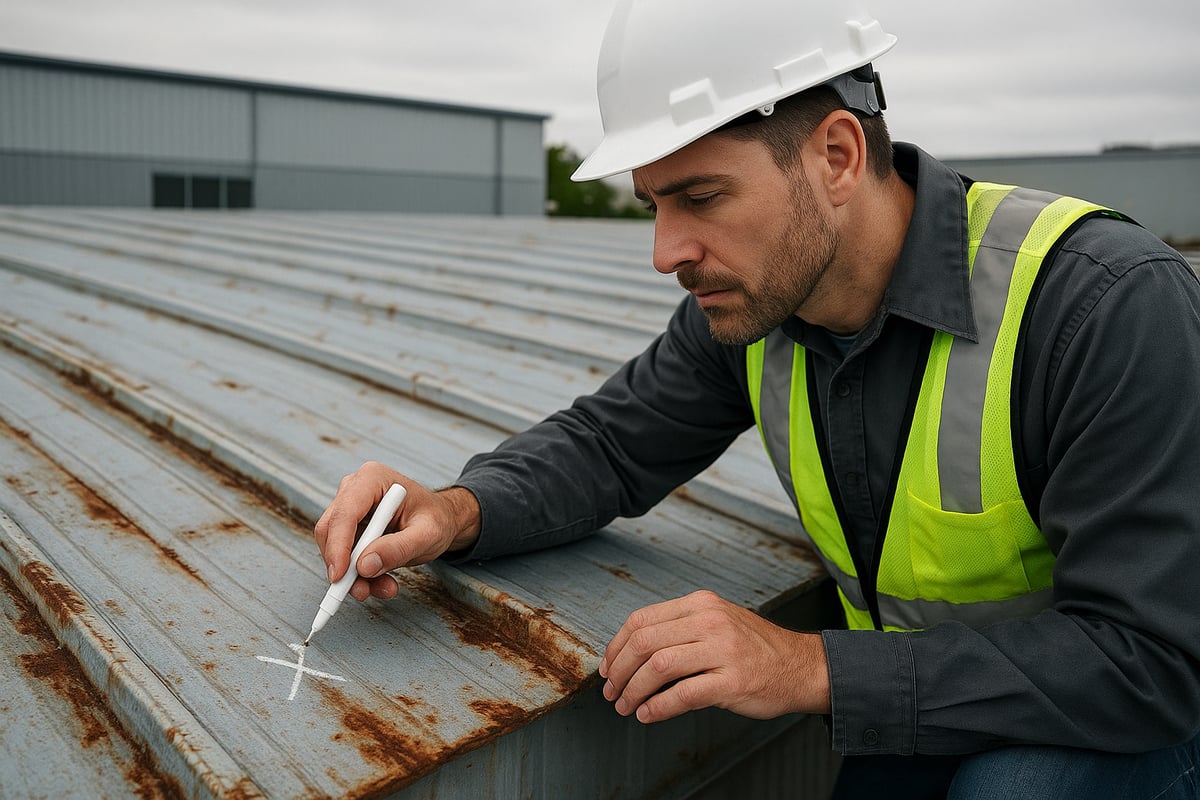
Once located, mark each problem area clearly. Use chalk or waterproof markers to outline seams, fasteners, and penetrations needing attention. This ensures the metal roof leak sealer is applied precisely where it is needed most.
For large or complex roofs, consider dividing the area into zones and addressing each systematically. Organized marking reduces the chance of missing hidden leaks.
Step 4: Applying the Chosen Sealer
With surfaces prepped and leak points marked, it is time to apply the metal roof leak sealer. Follow these general instructions for each sealer type:
Liquid-Applied Sealers
Stir or shake the product thoroughly.
Apply evenly over seams, fasteners, and penetrations using a brush, roller, or sprayer.
Overlap seams by at least two inches to prevent capillary leaks.
Respect manufacturer’s recommended thickness for optimal results.
Tape and Membrane Sealers
Cut tape to the required length.
Press firmly along seams or around fasteners.
Smooth out air bubbles to ensure a watertight seal.
Spray Foam/Expanding Sealants
Inject foam into gaps, voids, or irregular surfaces.
Allow to expand and cure as directed before trimming excess.
Always check curing times and avoid application during rain or extreme temperatures. For an in-depth walkthrough, consult this How to Repair a Metal Roof resource, which offers expert step-by-step application tips.
Applying the metal roof leak sealer correctly is vital for long-lasting protection.
Step 5: Post-Application Inspection and Testing
After the sealer has cured, visually inspect all treated areas. Look for missed spots, thin coverage, or incomplete seams.
Conduct a controlled water test, gently spraying the repaired zones to confirm the metal roof leak sealer has eliminated the leak. If moisture appears inside, address those points immediately.
Document all repairs, including photos and notes, for warranty and future maintenance reference. This step is essential for compliance and long-term tracking.
Step 6: Cleanup and Safety Check
Proper cleanup maintains safety and prevents environmental harm. Dispose of used materials, empty containers, and old sealant per local regulations.
Clean all tools thoroughly to extend their lifespan and avoid cross-contamination. Conduct a final walk-through to ensure no tools or debris remain on the roof.
Complete a last safety check, confirming that harnesses, ladders, and access points are secure. Efficient cleanup means your metal roof leak sealer project will not disrupt business operations.
Pro Tips and Expert Solutions for Long-Lasting Leak Protection
A leak-free metal roof is not a matter of luck, but the result of expert planning, quality materials, and ongoing care. Mastering the use of a metal roof leak sealer requires more than just applying a product—it calls for strategy and precision at every step.
The Value of Professional Expertise
Bringing in a professional for inspection before and after applying a metal roof leak sealer can make a dramatic difference. Experts use advanced tools such as infrared scanners and drones to spot hidden moisture and weak points. Their trained eyes catch issues that might go unnoticed in a basic survey.
A thorough professional assessment ensures that every seam, penetration, and fastener is properly addressed. This reduces the risk of recurring leaks and extends the life of your metal roof. Investing in expertise upfront saves on costly repairs down the line.
Advanced Sealing Methods for Lasting Protection
Not all sealing approaches are created equal. For maximum durability, consider double-layer coatings or reinforcement fabrics applied over vulnerable seams and penetrations. These advanced methods provide extra strength and flexibility, especially in high-traffic or critical areas.
Hybrid sealers, blending polymers and nanotechnology, deliver superior adhesion and weather resistance. For a detailed look at proven solutions, see these lasting solutions for metal roof leaks, which highlight the importance of quality sealants and proper application.
Sealing Method
Key Benefit
Best Use Case
Double-layer Coating
Maximum durability
High-traffic areas
Reinforcement Fabric
Added flexibility
Seams and penetrations
Hybrid Sealer
Superior adhesion
Critical roof zones
Preventative Maintenance and Challenging Areas
Ongoing maintenance is essential for keeping your metal roof leak sealer working at peak performance. Schedule regular inspections, especially after severe weather. Clean gutters, check fasteners, and clear debris to prevent water buildup.
Difficult areas—like skylights, HVAC units, and complex penetrations—require extra attention. Facilities with annual maintenance programs report up to 70% fewer leaks. For actionable strategies, refer to these metal roof maintenance tips to help extend leak protection.
Common Mistakes and Weatherproofing Upgrades
Avoid the pitfalls that can compromise your metal roof leak sealer. Common mistakes include over-applying sealer, neglecting thorough surface preparation, and ignoring critical flashing areas. Each of these errors can lead to premature failure or hidden leaks.
Consider weatherproofing upgrades such as reflective coatings, which not only boost leak resistance but also improve energy efficiency by reflecting UV rays. A proactive approach, paired with the right products and methods, ensures your roof remains watertight for years to come.
Commercial Solutions and When to Call a Professional
Leaks in commercial metal roofs can quickly escalate from minor nuisances to major disruptions. Recognizing when it is time to move beyond DIY fixes and call an expert is essential for protecting your investment and maintaining business continuity.
When DIY Isn’t Enough: Signs You Need Expert Help
While some minor leaks can be handled in-house, certain situations demand a professional approach to metal roof leak sealer application. Look for these warning signs:
Persistent leaks that return after repeated repairs
Visible structural issues such as sagging panels or rust-through
Widespread water intrusion affecting insulation or causing mold
Complex or high-risk environments, including healthcare or food service facilities
Insurance or warranty requirements that specify certified repairs
In high-wind or storm-prone regions, leaks may signal underlying weaknesses in the roof’s design or installation. Research such as Metal roof cladding under wind loading highlights how wind pressure can exacerbate vulnerabilities, making professional assessment critical. Prompt action can help prevent business interruptions and costly inventory losses.
What to Expect from a Professional Roof Sealing Service
When you engage a professional for metal roof leak sealer solutions, you gain access to a comprehensive process designed for long-term protection. Here is what to expect:
Thorough inspection using advanced tools like drones, infrared imaging, and moisture meters
Identification of all leak sources, including hidden penetrations and seam failures
Application of high-performance sealers and materials tailored to your roof’s needs
Documentation and warranty coverage that supports insurance claims and long-term maintenance
Professionals also understand the science behind effective sealing. For instance, the Effect of metallic sealant thickness on leak arrest demonstrates that optimal sealant application improves durability and leak prevention. One Texas property saved $100,000 in potential damages after expert intervention, underlining the value of specialized service.
Since 2010, G&M Roofing Services has specialized in commercial metal roof leak sealer solutions across Texas. Their team delivers:
Emergency leak repairs and rapid response
Preventative maintenance programs tailored to your facility
Drone-assisted inspections for precise leak detection
Advanced sealing for retail, healthcare, government, and more
Choosing G&M means minimizing downtime, extending your roof’s lifespan, and ensuring compliance with industry standards. Their warranty-backed workmanship and detailed documentation provide peace of mind for facility managers and business owners.
Contact G&M Roofing Services today for a free estimate and expert guidance on the right metal roof leak sealer for your building. With proven expertise and a commitment to quality, they are the trusted partner for commercial metal roofing challenges.
Discover expert solutions for leak sealer for roof in 2026 Learn about types application steps innovations costs and maintenance for long lasting protection
Master epdm roofing repair with expert 2026 solutions Learn to spot issues perform step by step fixes and extend your roof’s lifespan with proven strategies