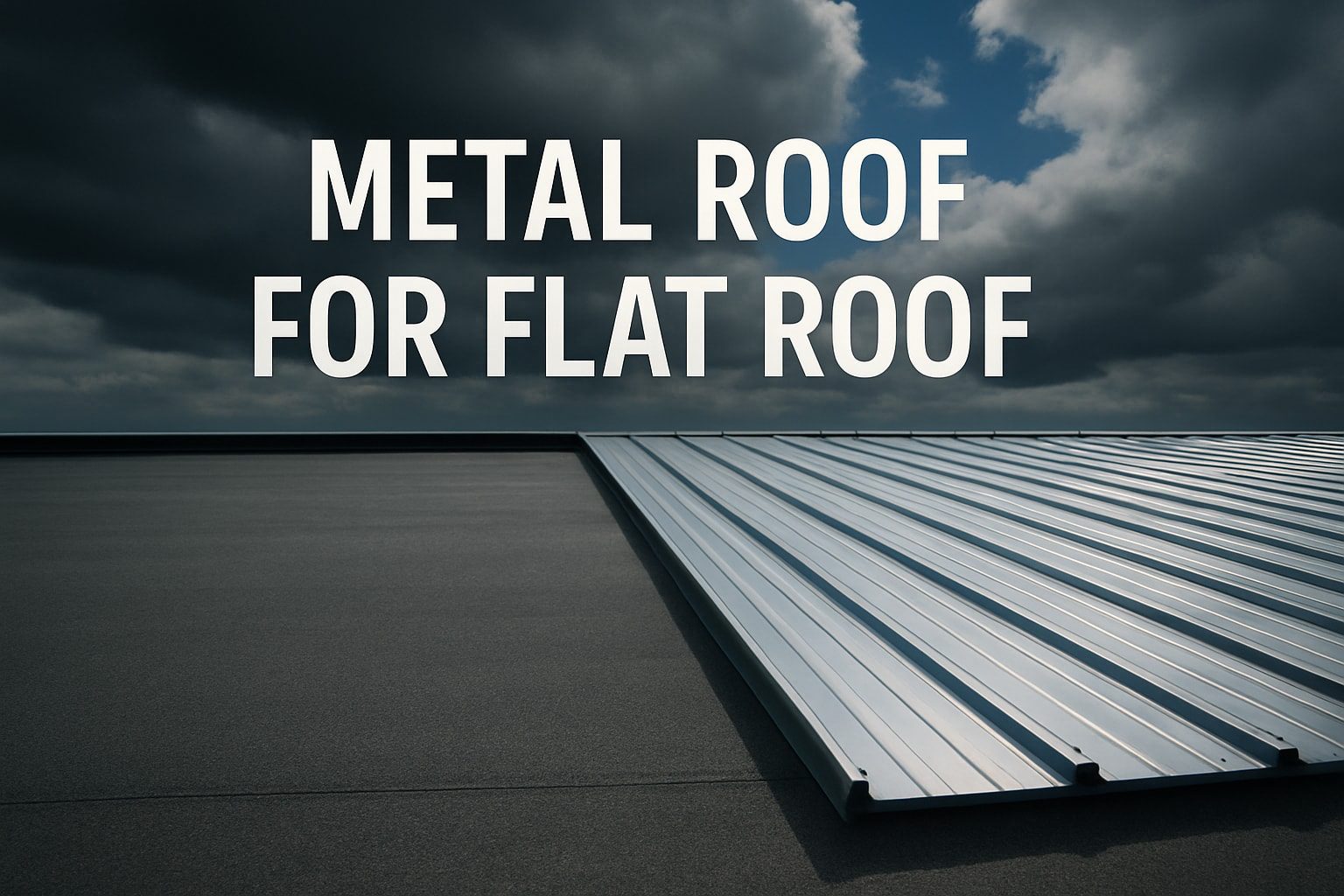
Metal Roof for Flat Roof: The Expert Guide for 2026
Expert guide to metal roof for flat roof solutions in 2026 Learn about benefits installation costs and maintenance to boost durability and efficiency
Flat roofs are known for their unique challenges, from standing water to rapid wear. Yet, choosing the right roofing system can dramatically extend their life and boost energy efficiency.
In 2026, more property owners are turning to the metal roof for flat roof applications, seeking both reliability and modern performance. Why is this trend on the rise? The answer lies in the unmatched blend of durability, weather resistance, and low maintenance that metal roofing provides for flat surfaces.
This expert guide will walk you through the core benefits, essential installation steps, material comparisons, cost factors, and proven maintenance tips for metal roofs on flat structures. Get ready to discover how you can achieve long-lasting protection and value with industry-leading solutions.
Why Choose a Metal Roof for Your Flat Roof?
Flat roofs are often seen as a challenge, but choosing the right roofing system turns them into assets. One standout choice is the metal roof for flat roof applications, which delivers a range of benefits unmatched by traditional materials.
Unmatched Durability
A metal roof for flat roof projects is engineered for longevity. These roofs can last anywhere from 40 to 70 years, far outpacing the typical lifespan of membrane or asphalt systems. The robust nature of metal resists cracking, shrinking, and eroding over time, making it a smart, long-term investment.
Superior Energy Efficiency
Energy performance is a key advantage of a metal roof for flat roof installations. Reflective coatings and specialized insulation help reduce heat absorption, keeping interiors cooler and cutting cooling costs by up to 25 percent. This makes metal roofs a preferred choice for energy-conscious property owners.
Exceptional Weather Resistance
Flat roofs are especially vulnerable to water pooling and wind uplift. Fortunately, a metal roof for flat roof structures can withstand hail, high winds, and heavy rain without the leaks that often plague other systems. Advanced seam designs and coatings provide a watertight barrier, offering year-round protection.
Sustainable and Eco-Friendly
Sustainability is increasingly important in roofing decisions. Metal roofs commonly contain a high percentage of recycled content and are themselves fully recyclable at the end of their service life. This makes a metal roof for flat roof projects both an environmentally responsible and resource-efficient choice.
Fire and Pest Resistance
Safety is crucial when selecting a flat roof system. Metal is non-combustible, offering outstanding fire resistance that can help lower insurance premiums. In addition, a metal roof for flat roof applications deters insects and rodents, reducing the risk of infestations that can damage other roofing types.
Lower Maintenance Needs
With fewer seams and high-quality construction, a metal roof for flat roof scenarios demands less maintenance than traditional options. Repairs are less frequent and less costly, which translates to reduced downtime and greater peace of mind for building owners. For a more detailed look at these benefits, visit Metal Roofing for Flat Roofs.
Modern Curb Appeal
Today’s metal roof for flat roof designs come in a variety of colors and finishes, enhancing the appearance of both commercial and residential properties. The modern aesthetic can boost property value and attract tenants or buyers looking for style and performance.
Benefit
Metal Roof for Flat Roof
Traditional Flat Roof
Lifespan
40–70 years
10–25 years
Energy Savings
Up to 25%
5–10%
Maintenance Frequency
Low
High
Fire/Pest Resistance
Excellent
Moderate to Low
Sustainability
High
Variable
Real-World Impact
To illustrate the value, consider this: in 2023, a Dallas commercial building saw a 30 percent drop in annual maintenance costs after upgrading to a metal roof for flat roof use. This result highlights the long-term savings and reliability property owners can expect.
Types of Metal Roofs Suitable for Flat Roof Applications
Choosing the right type of metal roof for flat roof projects is essential for achieving long-term performance and protection. Flat roofs demand roofing systems that can handle water, weather, and structural demands. Below, we explore the leading metal roof options designed specifically for flat roof applications, including their unique features and best use cases.
Standing Seam Metal Roofs
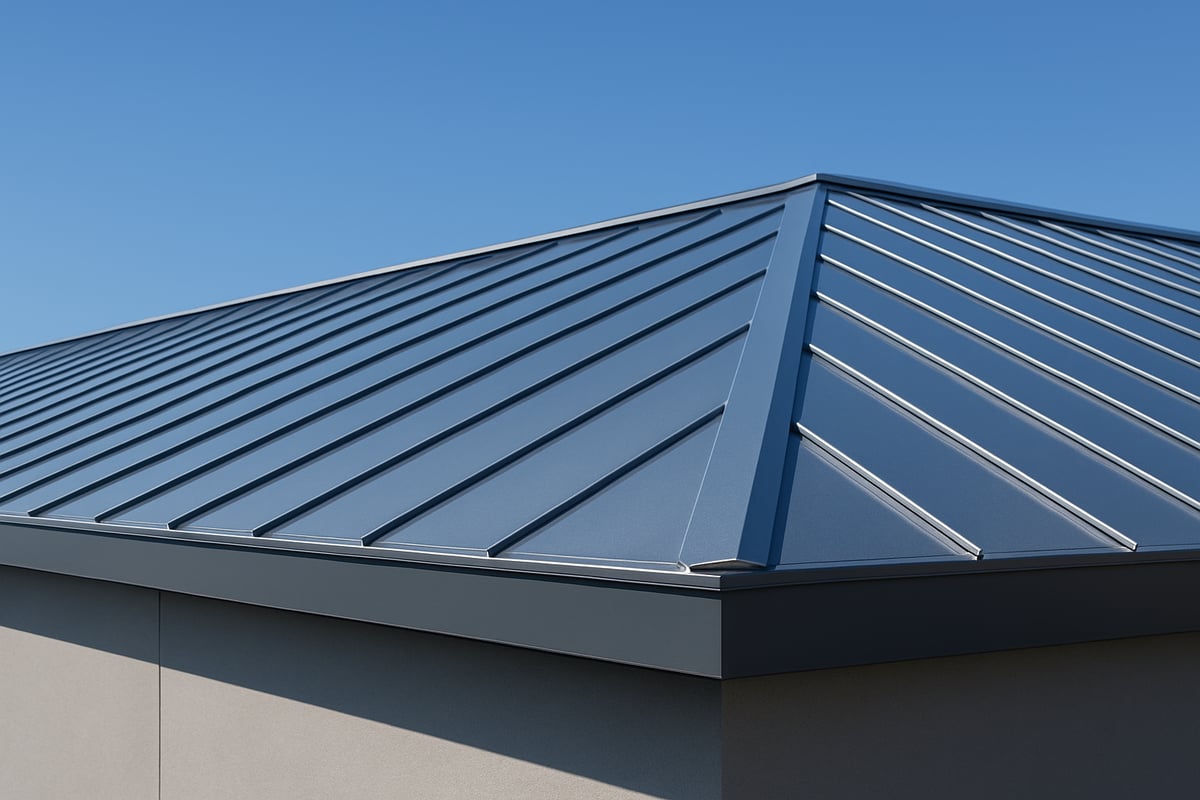
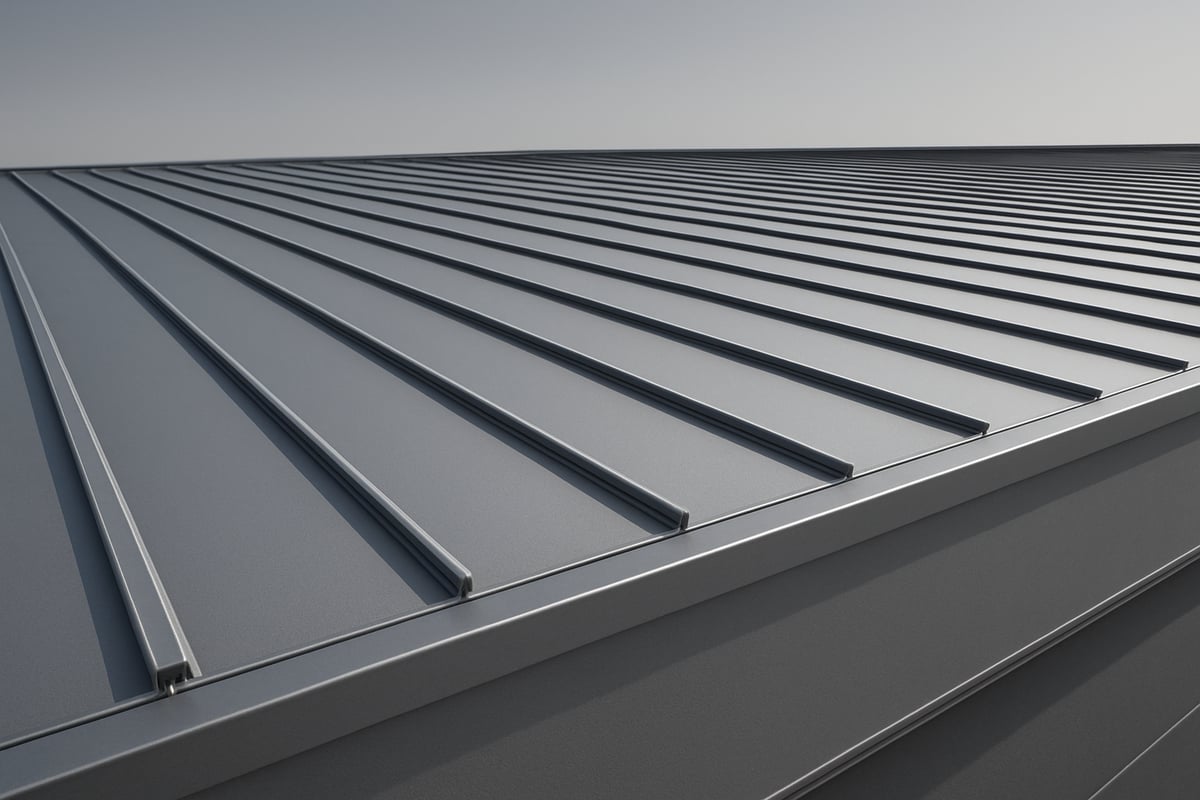
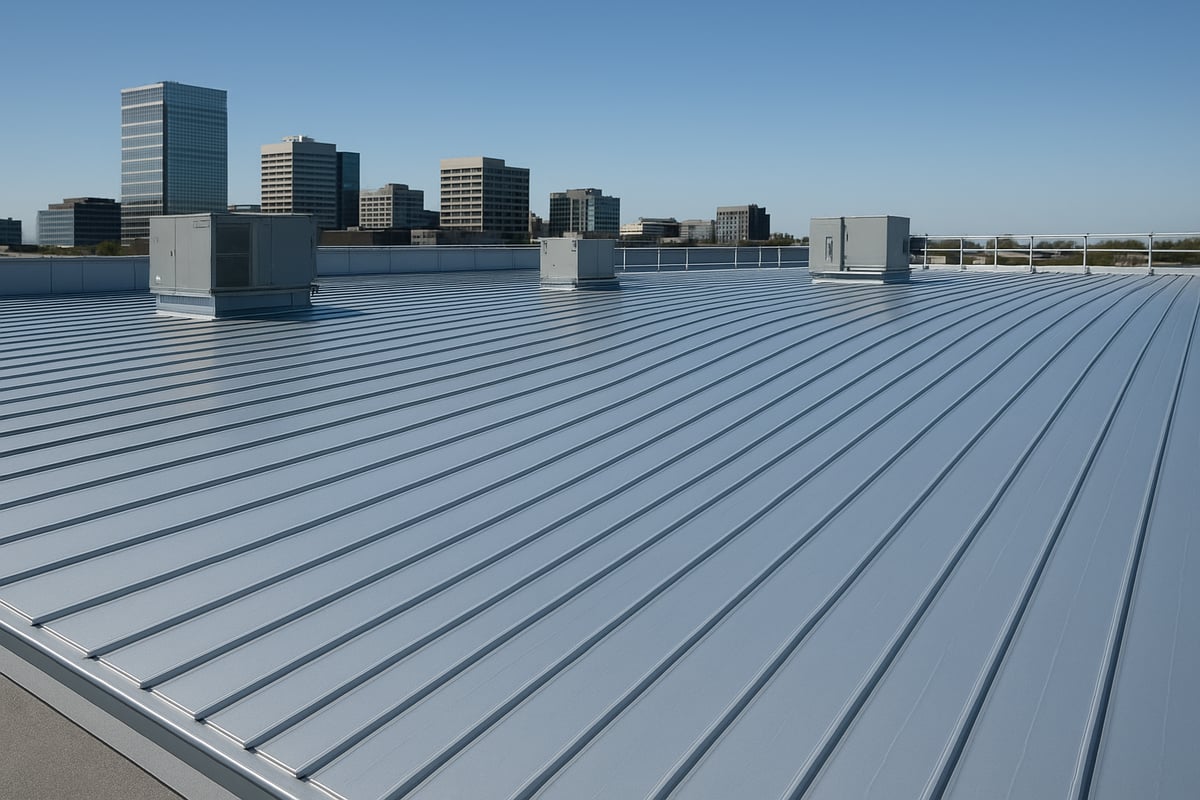
Standing seam systems are widely regarded as the premier metal roof for flat roof installations, especially in commercial and high-end residential settings. These roofs feature continuous metal panels that run from the roof edge to the ridge, with seams raised above the water plane. This design prevents water from infiltrating the roof, a critical factor for flat surfaces where drainage can be a challenge.
A major advantage of a standing seam metal roof for flat roof projects is its superior waterproofing. The raised seams and concealed fasteners minimize leak risks, even in harsh weather. Additionally, the sleek appearance adds a modern touch to any building. Many architects and engineers specify standing seam for its longevity and minimal maintenance.
For more detailed information, you can explore Standing Seam Metal Roof Systems, which outlines why this system is a preferred choice for flat and low-slope roofs.
Corrugated Metal Panels
Corrugated panels offer a cost-effective and lightweight metal roof for flat roof applications. Their wavy profile helps channel water, but correct installation is essential to prevent leaks. These panels are often selected for industrial buildings due to their affordability and ease of handling.
With the right underlayment and professional installation, a corrugated metal roof for flat roof structures can provide reliable protection. However, more seams mean greater potential for leaks if not properly sealed, so careful attention to detail during installation is a must.
Architectural Metal Roof Systems
For projects requiring a customized look or needing to match specific design requirements, architectural metal roof systems are an excellent solution. These systems allow for tailored profiles, colors, and finishes, making them a flexible metal roof for flat roof designs.
Architectural metal options are ideal when both function and aesthetics matter. Unique panel shapes can accommodate complex roof layouts, and high-quality coatings ensure lasting beauty and durability.
Metal Roof Coatings and Treatments
Applying specialized coatings can significantly boost the durability and energy performance of any metal roof for flat roof structures. Reflective coatings help reduce heat absorption, lowering cooling costs, while elastomeric treatments add an extra waterproof layer.
These coatings not only extend the lifespan of a metal roof for flat roof systems but also improve their resistance to UV rays, corrosion, and weather extremes. Regular recoating is an important part of ongoing maintenance for flat metal roofs.
Material Options: Steel, Aluminum, Zinc, Copper
Selecting the right material is crucial when specifying a metal roof for flat roof applications. Each metal offers distinct advantages:
Material
Strength
Weight
Corrosion Resistance
Lifespan
Appearance
Cost
Steel
High
Moderate
Good (with coating)
40-60 years
Versatile
$
Aluminum
Moderate
Very light
Excellent
40-50 years
Sleek, modern
$$
Zinc
Moderate
Moderate
Excellent (self-healing)
60-100 years
Subtle blue-gray
$$$
Copper
High
Moderate
Exceptional
70+ years
Distinctive patina
$$$$
Steel is the most common and budget-friendly option for a metal roof for flat roof setups. Aluminum is prized for its lightweight nature and natural corrosion resistance, making it great for coastal areas. Zinc develops a self-healing patina, while copper provides a premium, long-lasting finish for signature buildings.
Example Comparisons
When comparing standing seam to corrugated metal roof for flat roof installations, waterproofing and maintenance are key factors. Standing seam panels, with their raised seams, offer better leak protection and are preferred in most commercial applications.
According to a 2024 industry survey, 68 percent of flat roof metal installations used standing seam panels, reflecting their proven reliability. Corrugated panels remain popular for budget-conscious projects but require more attention to detail during installation.
Step-by-Step Guide: Installing a Metal Roof on a Flat Roof
Installing a metal roof for flat roof applications requires precise planning, the right materials, and skilled workmanship. This guide breaks down each stage, giving you clarity and confidence whether you are a building owner, facility manager, or contractor.
Step 1: Roof Inspection and Preparation
Begin every metal roof for flat roof project with a thorough inspection. Assess the structural integrity of the existing roof, checking for sagging, rot, or compromised decking. Remove any old roofing materials if they are unsuitable as a substrate. Address drainage and ponding water issues by ensuring the surface is level and properly sloped. A solid foundation is essential, as it prevents future problems and extends the life of your new roof. Document findings and take photos for reference during installation.
Step 2: Selecting the Right Metal Roofing System
Choosing the best metal roof for flat roof installations depends on your building's needs and climate. Evaluate the load-bearing capacity of the structure, factoring in local weather patterns and insulation requirements. Standing seam panels are often preferred for their robust waterproofing, while corrugated panels may suit lighter structures. Consider energy efficiency, reflectivity, and warranty options. Consult with manufacturers or roofing experts to match the system to your specific application, ensuring long-term performance.
Step 3: Installing the Underlayment and Vapor Barrier
Proper underlayment is critical for any metal roof for flat roof, especially to prevent moisture intrusion and condensation. Select from synthetic, self-adhered, or bitumen-based underlayments depending on budget and climate. Install a vapor barrier to protect insulation and the building’s interior. For added longevity and energy efficiency, consider applying specialized coatings. Many professionals use roof coatings for flat metal roofs to further enhance waterproofing and reflectivity, protecting your investment for years to come.
Step 4: Laying and Securing Metal Panels
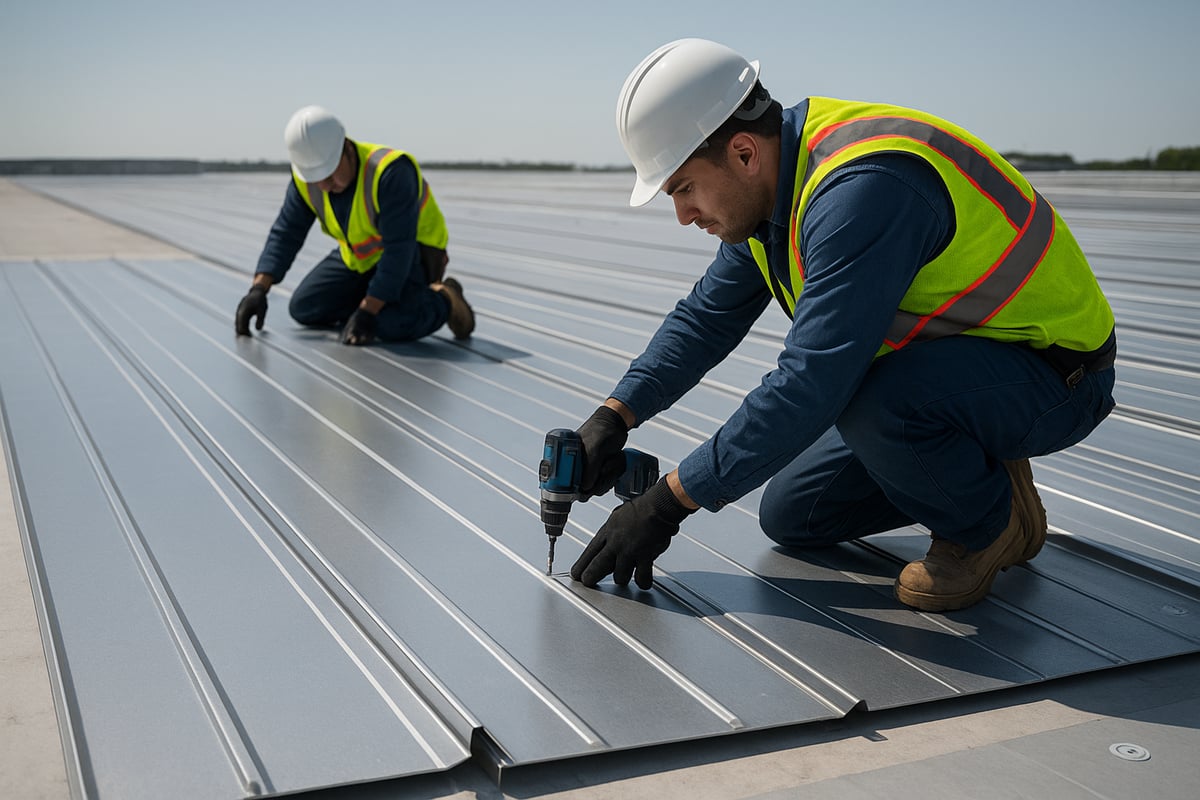
With the substrate prepared and underlayment in place, it is time to install the panels for your metal roof for flat roof. Begin by aligning the first panel at the roof edge, ensuring correct orientation for water runoff. Secure each panel with manufacturer-recommended fasteners, maintaining even spacing and alignment. Use clips or anchors as specified to resist wind uplift. Stagger seams between rows for increased strength. Double-check each panel for proper fit before moving on, as accuracy here prevents leaks and future repairs.
Step 5: Sealing Seams and Penetrations
Seams, edges, and roof penetrations are the most vulnerable parts of any metal roof for flat roof. Apply high-quality butyl tape or compatible sealant along all seams, and use mechanical fasteners where needed for extra security. Pay close attention to areas around HVAC units, skylights, and vents, as improper sealing here can lead to costly leaks. Test the sealant for adhesion and coverage, and follow up with regular inspections to maintain watertight integrity.
Step 6: Flashing and Edge Detailing
Detailed flashing work ensures your metal roof for flat roof remains protected at perimeters, transitions, and wall intersections. Install custom-fabricated flashing pieces to direct water away from critical points. Secure all edges with appropriate trim and check that flashing overlaps are sufficient to prevent capillary action. Address any expansion joints or movement zones with specialized flashing systems. Proper edge detailing not only prevents water intrusion but also improves the overall appearance of your roof.
Step 7: Final Inspection and Quality Assurance
The last step in installing a metal roof for flat roof is a comprehensive final inspection. Review all panels, seams, and flashing for proper installation, ensuring there are no gaps or loose fasteners. Test drainage systems to confirm water flows freely to designated exits. Verify that all manufacturer specifications and local building codes have been met. Document the finished project with photos and secure all warranty paperwork. A meticulous final check sets the stage for decades of reliable roof performance.
Cost Considerations and ROI of Metal Roofs for Flat Roofs
Choosing a metal roof for flat roof projects is a significant investment, but the long-term financial benefits are clear. Property owners often weigh the initial price against the value over decades. Understanding both the upfront and ongoing costs is crucial to making an informed decision.
When evaluating the initial outlay for a metal roof for flat roof applications, expect to pay between $8 and $18 per square foot installed. Although this is higher than many membrane or built-up roofing systems, metal offers a lifespan of 40 to 70 years, which is two to three times longer than most alternatives. This extended durability means that replacement cycles are less frequent, resulting in lower total expenditure over the building's lifetime.
Energy efficiency is another compelling factor. A metal roof for flat roof structures can reduce cooling costs by 7–20 percent annually, thanks to reflective finishes that minimize heat absorption. Insurance premiums may also decrease, as metal roofs are non-combustible and highly resistant to wind and hail. Maintenance costs are typically lower, since metal systems have fewer seams and robust materials that withstand the elements. According to Commercial Flat Roofing Solutions, businesses benefit from fewer disruptions and lower repair bills over time.
Resale value is another area where a metal roof for flat roof installations excels. Properties with metal roofing systems can experience an increase in value of up to 6 percent, making them more attractive to potential buyers or tenants. For example, in 2025, a hospital that upgraded to a metal roof recouped the installation cost in just 12 years, mainly through energy savings and reduced maintenance demands.
Financing options and incentives further improve the return on investment. Many regions offer tax credits or rebates for energy-efficient roofing, which can offset the initial expense of a metal roof for flat roof projects. Additionally, some manufacturers provide extended warranties and maintenance programs, helping owners protect their investment and maximize lifespan. By considering both immediate and long-term financial factors, property managers can confidently choose metal roofing as a future-proof solution.
Common Challenges and Solutions for Metal Roofs on Flat Roofs
Flat roofs present unique challenges, especially when choosing a metal roof for flat roof applications. Understanding these common hurdles—and the best ways to overcome them—ensures your investment delivers long-lasting protection and performance. Below, we break down the major issues and practical solutions every building owner should know.
Addressing Drainage and Ponding Water
Effective drainage is critical for any metal roof for flat roof installations. Flat surfaces are more prone to water accumulation, leading to ponding that can damage panels and underlying structures.
To prevent these issues:
Ensure the roof has a slight slope for water runoff.
Use tapered insulation to guide water toward drains.
Install internal drains or external gutters sized for your roof area.
Regular inspection and cleaning of drainage systems are essential. Blocked gutters or drains can quickly lead to standing water, which undermines the durability of your metal roof for flat roof systems. Proactive maintenance keeps water flowing freely and protects your investment.
Preventing Leaks and Corrosion
Seams, fasteners, and penetrations are the most vulnerable spots on any metal roof for flat roof. Proper sealing and material selection are vital to prevent leaks and corrosion.
Key solutions include:
Using advanced sealants and butyl tape at seams and around penetrations.
Selecting corrosion-resistant metals such as aluminum or galvanized steel.
Applying protective coatings to exposed surfaces.
Weather resistance is crucial—Metal roof cladding under wind loading highlights the importance of robust cladding systems and secure fasteners, especially in high-wind regions. Regularly check for loose fasteners and reseal as needed to keep your metal roof for flat roof watertight.
Managing Thermal Expansion and Contraction
Temperature swings cause metal panels to expand and contract, which can lead to panel warping or fastener loosening over time. When installing a metal roof for flat roof structures, managing this movement is essential.
Best practices involve:
Installing expansion joints in large panel runs.
Using floating clips that allow panels to move without stressing fasteners.
Allowing proper spacing between panels and at terminations.
The significance of proper detailing is underscored by studies on fatigue failure in aluminum roof systems, which show how thermal cycling impacts long-term performance. Addressing these factors upfront extends the life of your metal roof for flat roof installations.
Noise Reduction Strategies
Some building owners worry that a metal roof for flat roof will be noisy during rain or hail. However, modern systems include effective noise reduction features.
To minimize sound transmission:
Install sound-dampening underlayment beneath the panels.
Use high-density insulation to absorb vibrations.
Ensure panels are securely fastened without gaps.
Contrary to common myths, a properly installed metal roof for flat roof is often quieter than older membrane or gravel systems. These measures create a comfortable indoor environment, even during severe weather.
Adapting to Local Building Codes and Permits
Every metal roof for flat roof project must comply with local codes and permitting requirements. These regulations ensure structural safety, fire resistance, and weather performance.
To stay compliant:
Work with certified installers familiar with local codes.
Obtain required permits before starting construction.
Follow manufacturer guidelines for materials and installation.
Staying up to code not only protects your property but also supports warranty coverage. Always verify that your metal roof for flat roof meets all regulatory standards before and after installation.
Maintenance, Repairs, and Longevity Tips for Metal Flat Roofs
Keeping your metal roof for flat roof in optimal condition requires consistent attention and expert care. Proactive maintenance not only extends its lifespan but also preserves energy efficiency and structural integrity. Let’s explore the essential strategies every property owner should follow to maximize the value and performance of their metal roof for flat roof.
Regular Inspection Schedule
Routine inspections are the backbone of a successful maintenance plan for any metal roof for flat roof. Schedule checks at least once a year, and always after severe weather events. These inspections help identify early signs of damage, such as loose fasteners or minor corrosion, before they escalate.
Advanced methods, like drone surveys and infrared technology, can reveal hidden moisture or insulation issues that are otherwise hard to detect. Document all findings to track the condition of your metal roof for flat roof over time.
Cleaning and Debris Removal
Regular cleaning is crucial for maintaining the appearance and performance of your metal roof for flat roof. Remove leaves, branches, and other debris to prevent clogged drains and standing water. Use soft-bristled brushes or low-pressure washers to avoid scratching the protective coating.
Always clear gutters and downspouts, as blockages can lead to water pooling and eventual leaks. For stubborn stains, opt for manufacturer-approved cleaning solutions to keep your metal roof for flat roof looking new.
Addressing Minor Repairs Promptly
Quickly addressing small issues prevents bigger problems in the future. For a metal roof for flat roof, check for loose fasteners, worn sealants, and minor punctures during each inspection. Tighten any loose parts and apply fresh sealant as needed.
If you notice rust spots or surface scratches, treat them immediately to prevent corrosion. While some simple repairs can be handled in-house, consult a professional for larger or recurring concerns to ensure your metal roof for flat roof remains watertight.
Protective Coatings and Re-coating
Applying protective coatings is a proven method to extend the service life of a metal roof for flat roof. Elastomeric and reflective coatings not only boost waterproofing but also enhance energy efficiency by reducing heat absorption.
Schedule recoating every 10 to 15 years, or as recommended by your manufacturer. Properly maintained coatings help shield your metal roof for flat roof from UV rays, moisture, and pollutants, preserving both function and appearance.
Snow, Ice, and Extreme Weather Management
Even in regions with harsh winters, a metal roof for flat roof can perform reliably with the right precautions. Prevent ice dams and snow accumulation by installing snow guards and heat cables, especially around drains and edges.
Clear snow buildup promptly to reduce excess weight and the risk of leaks. In areas prone to storms, secure any loose items around your property that could damage your metal roof for flat roof during high winds.
Upgrading Insulation and Ventilation
Improved insulation and ventilation play a vital role in the long-term performance of your metal roof for flat roof. Proper insulation reduces energy loss and minimizes condensation, while effective ventilation prevents moisture buildup and mold growth.
Consider retrofitting older roofs with modern insulation materials or adding vented systems to optimize airflow. These upgrades can enhance comfort and extend the lifespan of your metal roof for flat roof.
G&M Roofing Services: Expert Commercial Metal Roofing Solutions
When it comes to maintaining and upgrading your metal roof for flat roof, partnering with specialists makes a substantial difference. G&M Roofing Services offers tailored solutions for flat commercial roofs, including advanced inspections using drone technology and preventive maintenance programs.
Their expertise covers installation, repairs, and code compliance for diverse industries, from healthcare to government. With free estimates and a focus on minimizing business downtime, G&M ensures your metal roof for flat roof investment is protected for decades.
Learn why preventative electrical maintenance is critical for commercial buildings. Discover best practices, inspection schedules, and cost-saving benefits.