How to Install TPO Roofing: Step-by-Step Guide for a Durable Commercial Roof
If you’re a homeowner or commercial property owner in Plano, TX, installing a durable and energy-efficient roof is essential. TPO roofing has become one of the most popular flat roof solutions due to its reflective surface, affordability, and longevity. However, improper installation can lead to leaks, damage, and higher repair costs. In this guide, we’ll cover everything you need to know about how to install TPO roofing, including materials, tools, step-by-step instructions, and expert tips. By the end, you’ll understand the process and know when to callGM Roofing for a professional installation or inspection. Schedule a free roof inspection to ensure your TPO roof lasts for decades.
What You’ll Learn in This Roofing Guide
This guide is for property owners, DIY enthusiasts, and facility managers who want to understand how to install TPO roofing safely and efficiently.
You’ll learn:
Key benefits of TPO roofing for homes and commercial buildings
Step-by-step TPO roofing installation process
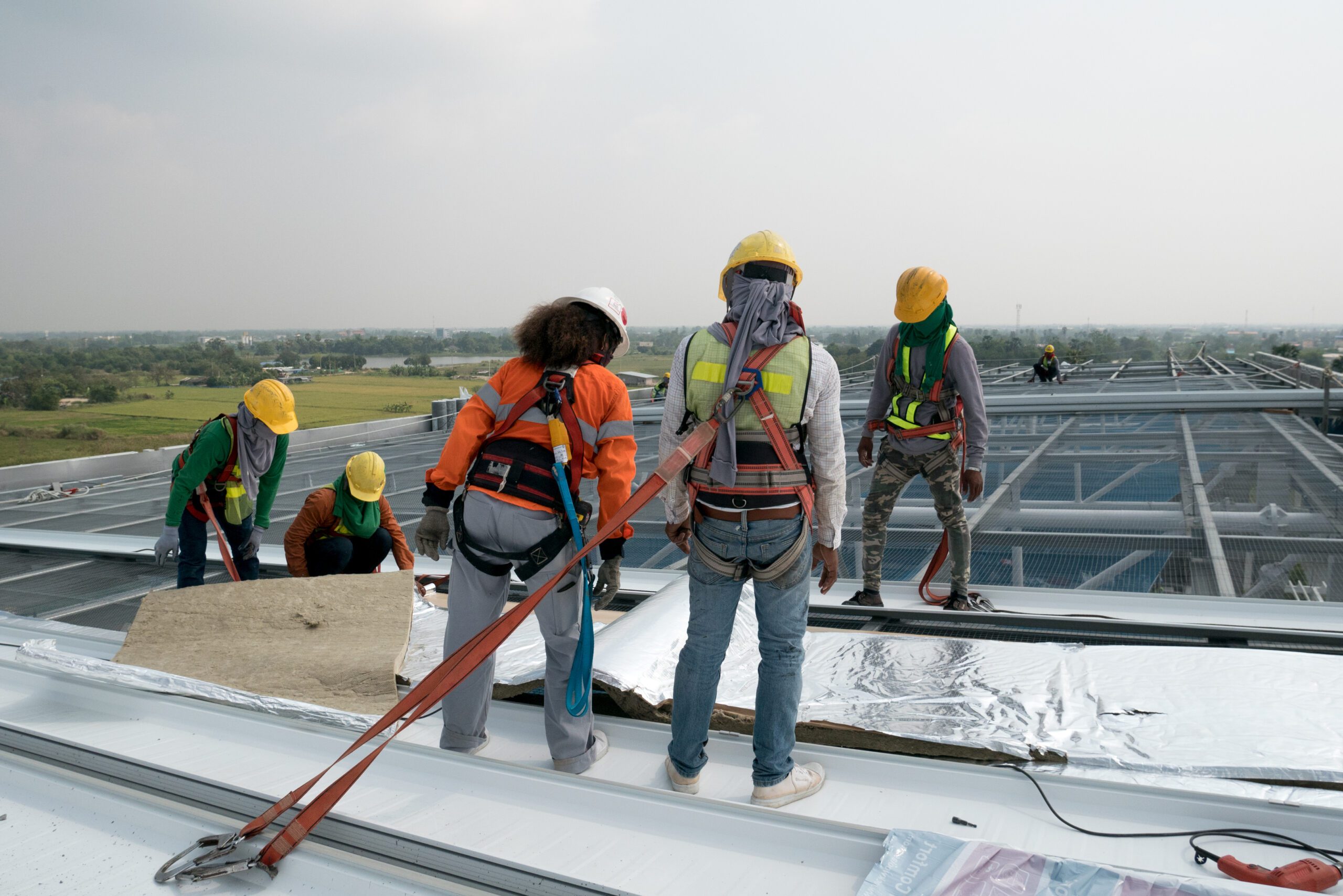
Tools, materials, and safety tips for installing TPO roofing
Common mistakes to avoid during installation
How a local roofing company can ensure a professional, long-lasting result
Why TPO Roofing Matters for Your Property
TPO (Thermoplastic Olefin) roofing protects your property from leaks, sun damage, and extreme weather. where storms, high heat, and occasional hail are common, choosing the right roofing system is crucial. Poorly installed TPO roofs can lead to water damage, mold growth, and energy inefficiency, resulting in costly repairs. Investing time and resources in proper installation ensures your roof performs for 20+ years while keeping your property safe and energy bills low.
Signs You Need Professional Installation or Inspection
Even the best TPO roofing can fail without proper installation. Watch for these indicators:
Water or Leak Issues
Water stains on ceilings or walls may indicate gaps in TPO seams. If ignored, it can cause structural damage. Homeowners in [City] should schedule a roof inspection immediately.
Wrinkles or Bubbles in Membrane
Wrinkled TPO sheets or trapped air bubbles reduce waterproofing efficiency. Local roofing experts can reseal or replace damaged sections.
Torn or Loose Flashing
Flashing around vents and edges is critical. Torn sections can lead to leaks, especially during storms.
High Energy Bills
Improperly installed TPO reduces its reflective efficiency. If your cooling bills spike, a professional TPO roof inspection is recommended.
Local Factors & Causes of Roof Issues
Extreme Weather
Heavy rains, wind, and heat can damage poorly installed TPO membranes. Regular inspections prevent costly repairs.
Low-Quality Materials or DIY Errors
Using substandard TPO sheets or incorrect installation techniques often causes early failure.
Age of Roof & Lack of Maintenance
Even TPO roofs need maintenance. Ignoring routine checks accelerates wear.
Improper Seam Sealing
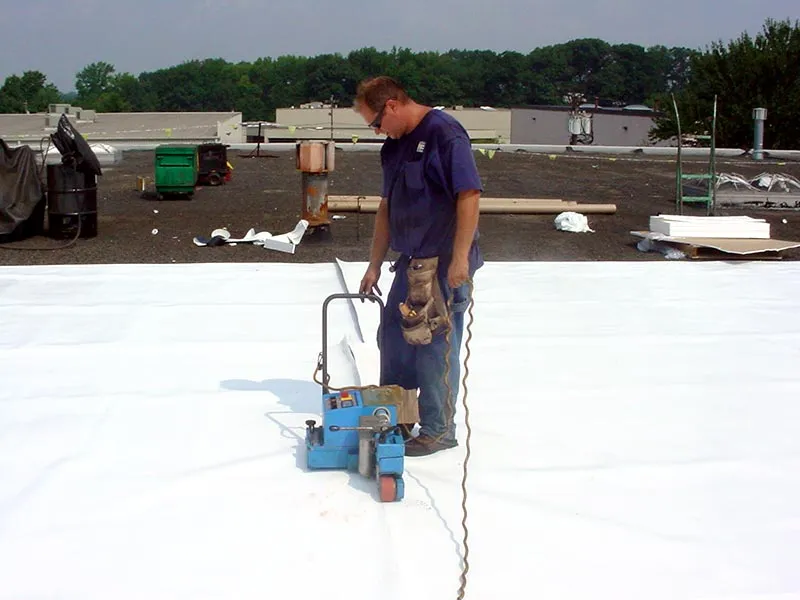
TPO relies on heat-welded seams; mistakes here lead to leaks. Always consult trusted local roofing contractors.
Roof Repair vs Full Replacement Decision
Roof Repair is Enough When:
Minor membrane damage
Leaks are limited to one area
The roof is under 10 years old
Roof Replacement is Better When:
TPO roofing is 15+ years old
Extensive tears or multiple leaks
Flashing is severely damaged
We inspect your roof first and recommend only what’s necessary—repair or replacement—ensuring trust and longevity.
How Our TPO Roofing Installation Process Works
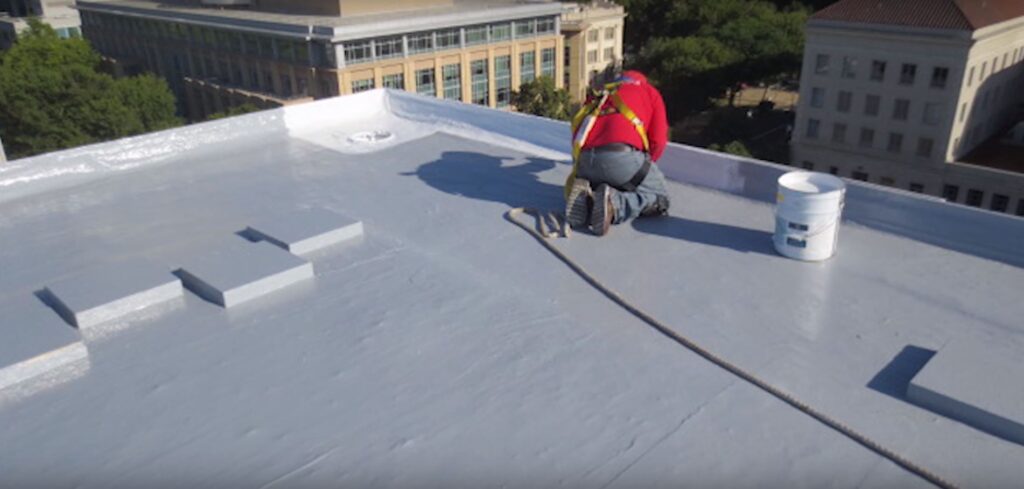
Step 1 – Roof Inspection and Preparation We evaluate your roof’s condition, remove old roofing if necessary, and prepare the surface for TPO installation.
Step 2 – Material Selection and Delivery High-quality TPO membranes, adhesives, and accessories are selected based on your property’s needs.
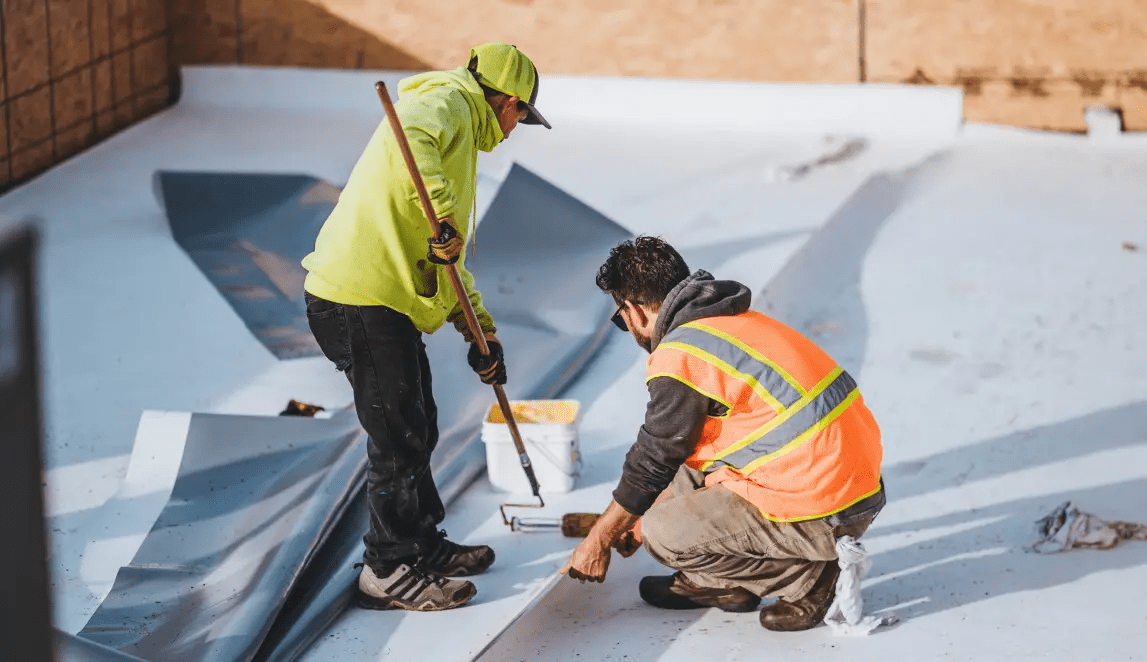
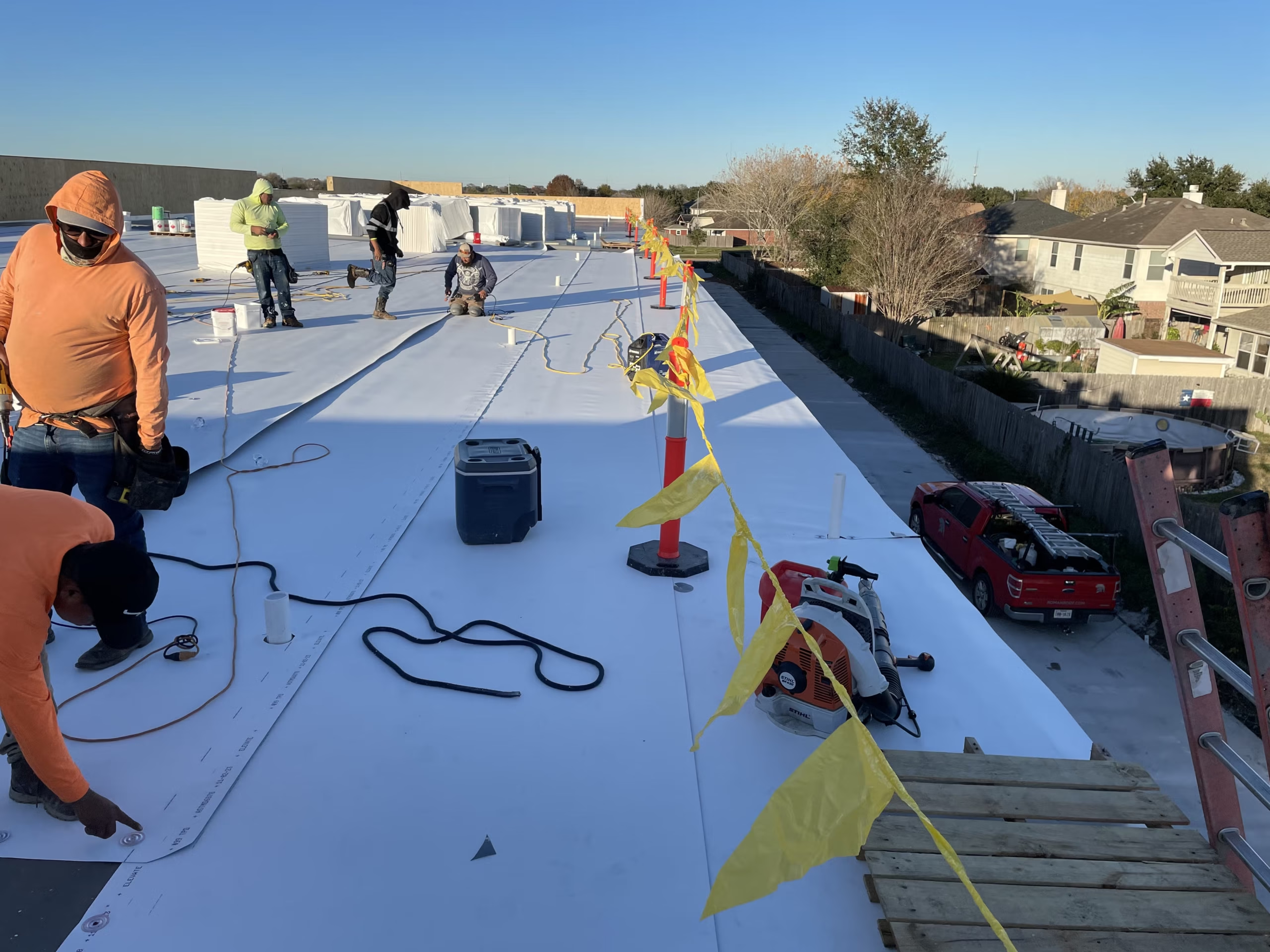
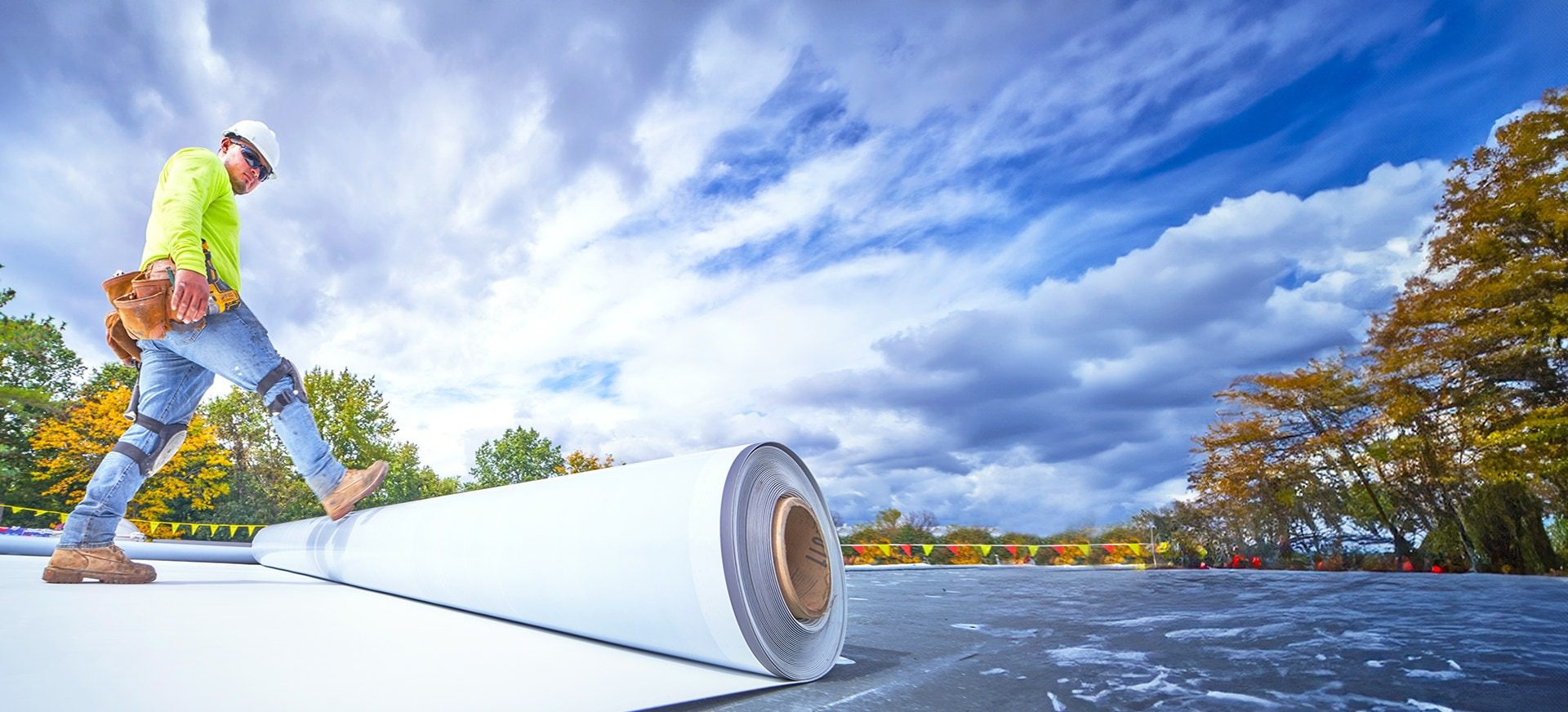
Step 3 – Installation Our team lays the TPO sheets, heat-welds seams, installs flashing, and ensures a watertight fit.
Step 4 – Final Inspection & Cleanup We inspect every seam, clean debris, and explain roof care and warranty coverage.
Cost & Time Expectations
Time: Small repairs may take 1–2 days, full installations 3–7 days, depending on roof size.
Cost: Average TPO roofing installation ranges based on:
Roof area & slope
Material type & thickness
Damage level & preparation needed
Access and height
Schedule a free inspection for an accurate estimate tailored to your property.
Meet G&M Roofing Services: Trusted Roofing Experts in Texas
G&M Roofing Services is a trusted, fully licensed roofing contractor based in Plano, TX, serving both residential and commercial clients across Texas. With years of hands-on experience, our team has completed hundreds of successful roofing projects, helping business owners, homeowners, and property managers protect their properties with confidence. We specialize in high-quality, long-lasting roofing systems designed to improve building performance, safety, and energy efficiency.
From commercial roof installations and replacements to emergency repairs, detailed inspections, and preventive maintenance, G&M Roofing Services delivers dependable craftsmanship backed by exceptional customer care. Our roofing solutions are tailored to offices, warehouses, retail centers, industrial facilities, and homes across Texas. Guided by honesty, transparency, and a commitment to excellence, we ensure every client receives reliable results and a roof built to last.
Contact us today to schedule your inspection or get a free quote.
Conclusion
Installing a TPO roof is one of the smartest choices for flat and low‑slope roofs — when done correctly, it offers long‑lasting protection, reflects heat, and keeps energy costs down. However, proper installation and quality control are essential: poor workmanship can lead to leaks, membrane failures, and early degradation. By following the right steps — from inspection and preparation to professional seam‑welding — you ensure your roof stands strong against weather, time, and wear. If you’re looking for reliable results, trust a qualified local roofing contractor to handle the job and guarantee quality workmanship. Learn more and schedule your inspection on our website.
FAQs
How do I know if my TPO roof needs professional installation? Check for leaks, wrinkles, or seam issues. A professional inspection ensures long-term durability.
How often should TPO roofs be inspected? Every 1–2 years or after major storms to prevent costly damage.
Do you provide emergency TPO roof repair? Yes, our team handles storm damage and urgent repairs.
Can TPO roofing reduce my energy bills? Properly installed TPO reflects heat, lowering cooling costs significantly in sunny climates.
What warranty comes with TPO roof installation? We offer manufacturer and workmanship warranties for peace of mind.
How long does a properly installed TPO roof last? A correctly installed TPO roof generally offers 20 – 30 years of service life, depending on maintenance, weather exposure, and roof usage. Regular inspections and prompt repairs can extend its lifespan.
What type of maintenance does a TPO roof need? Inspect seams, flashing, and membrane surface every 1–2 years (or after major storms). Keep the roof clean of debris, check for punctures or bubbles, and reseal or repair as needed to prevent leaks.
Can I walk on a TPO roof safely? Yes — but with care. Use soft‑soled shoes and avoid sharp or heavy objects. Always walk gently and avoid dragging equipment to prevent punctures or seam stress.
Is TPO roofing suitable for both residential and commercial buildings? While TPO is most common for commercial and flat‑roof applications, it can also be used on residential low‑slope roofs if designed and installed properly. Its energy‑efficient and waterproofing properties make it a good option for many building types.
Does TPO roofing improve a building’s energy efficiency? Yes. A TPO membrane’s reflective surface helps reduce heat absorption, which can lower cooling costs — especially in hot climates. Proper installation and insulation beneath the TPO further enhance energy savings. For more detailed industry standards and best practices for TPO and membrane roofing, you can refer to the NRCA’s technical resources.
Discover expert solutions for leak sealer for roof in 2026 Learn about types application steps innovations costs and maintenance for long lasting protection
Discover expert advice on metal roof leak sealer options for 2026. Learn to prevent costly leaks, choose top products, and apply solutions for lasting protection.