Commercial Roof Maintenance: The Hidden Cost of Deferred Repairs
 ”
”
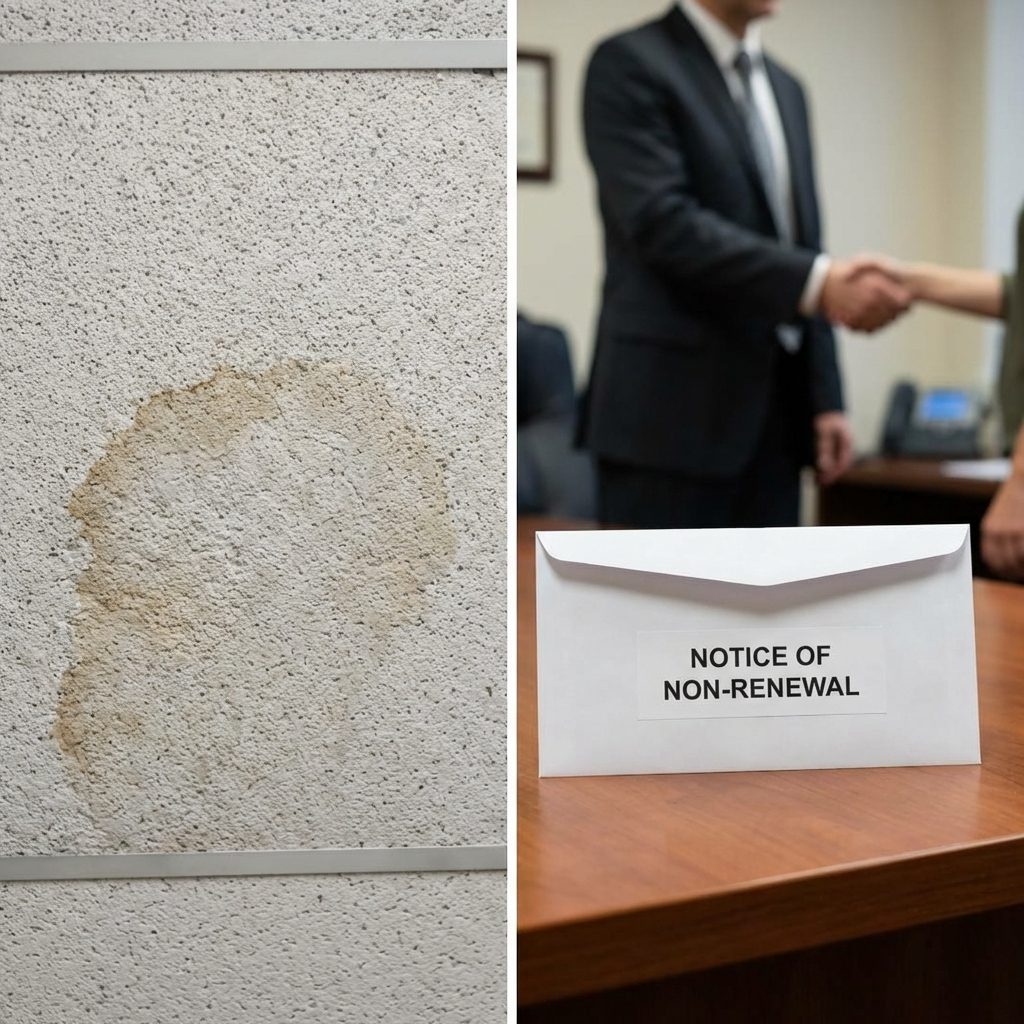
I have read hundreds of non-renewal notices over the years, and while many cite “strategic growth,” the root cause often traces back to a lack of proactive commercial roof maintenance.
Table of Contents
The reasons for non-renewal always sound professional. Strategic. Inevitable.
“We are consolidating operations.” “Our growth requires a different footprint.” “We are relocating closer to our customer base.”
But I learned something about these explanations: they are rarely the whole truth.
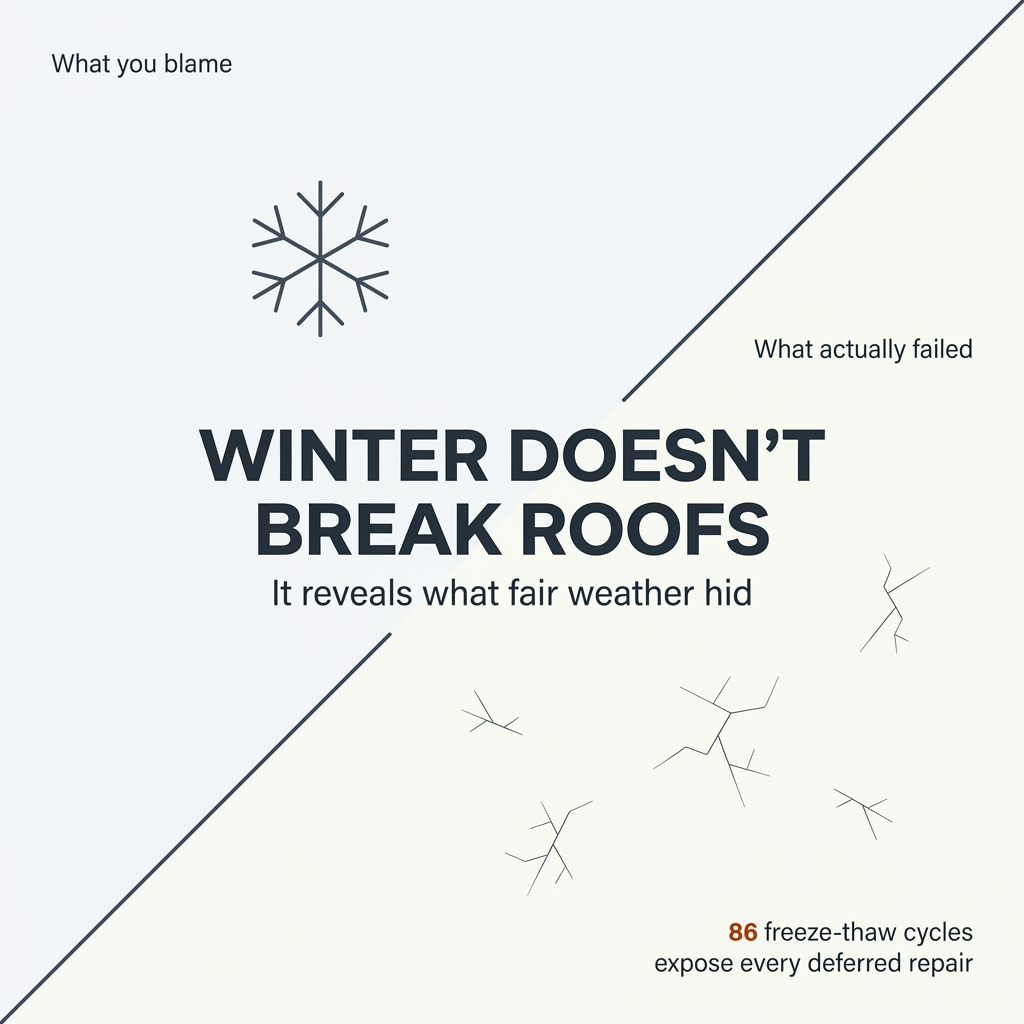
The real story usually starts months earlier. It begins with a water stain on the ceiling that took three weeks to address. Or an HVAC system that failed during a client presentation. Or that persistent leak that maintenance teams kept fixing but never actually solved.
Commercial roof maintenance prevents the problems that drive tenants away and significantly enhances tenant retention.
Tenants do not leave because of building problems. They leave because building problems erode their confidence in you.
And by the time you get the non-renewal notice, that confidence is already gone.
The Moment Trust Breaks
I remember one tenant in particular. A mid-sized tech company, great rent history, seemed happy. Then I got the call.
“We are not renewing.”
The official reason? Strategic relocation to accommodate growth.
But I had seen their team size. They were not growing. I asked more questions.
What I learned: six months earlier, a roof penetration around an old HVAC unit had failed. Water came through the ceiling into their server room. We responded quickly, fixed the immediate leak, patched the ceiling.
Problem solved, right?
Wrong.
Three weeks later, it happened again. Different spot, same root cause. The roof membrane around multiple penetrations had degraded, but we only addressed the obvious failure point because our commercial roof maintenance approach was reactive, not preventive.
The tenant never complained directly. They just stopped trusting that we had control of the building.
When their lease came up for renewal, they remembered. Not the quick response time. Not the apologetic property manager. They remembered the water damage that happened twice and the nagging question: what else is failing that we just have not seen yet?
The Real Cost of Minor Building Issues
The numbers tell a story most property owners do not want to hear.
Tenant turnover costs an average of $31,927 per departing tenant. For a 10,000 square foot space at $40 per square foot, losing a tenant versus renewing can cost you over $500,000.
But here is what makes this worse: 31% of residents say maintenance is the reason they decided to leave. Not rent increases. Not space needs. Maintenance.
The research shows that over 60% of customer turnover is controllable. In 83% of cases where tenants leave, a triggering event caused it.
That triggering event is usually something breaking and your response to it.
What Building Failures Actually Look Like to Tenants
When your HVAC system fails, you see a maintenance ticket. Your tenant sees something different.
They see employees complaining about temperature. They see a client meeting interrupted by discomfort. They see their operations team scrambling to move people to different conference rooms.
Research shows that the reliability of HVAC systems directly influences occupant productivity and comfort. When tenants perceive that HVAC issues are being ignored, it impacts retention.
The same pattern plays out with water damage.
Insurers pay out over $10 billion every year for water-related losses. That is more than fire and theft combined. But the financial cost is just the beginning.
Unsightly water damage decreases property value and drives away potential occupants. When tenants deal with persistent leaks or humidity problems, word spreads. Your building develops a reputation.
The Deferred Maintenance Trap
I get it. Budgets are tight. You cannot fix everything at once.
So you prioritize. You defer. You plan to address it next quarter.
But deferred maintenance does not wait patiently for your budget cycle.
Every dollar you defer in maintenance creates four dollars of capital renewal needs in the future. Deferred maintenance costs compound by 7% annually. In complex scenarios with cascading failures, total costs can reach 15 times the original repair cost.
I learned this the expensive way.
A small roof issue around a penetration point. Estimated repair cost: $3,500. We deferred it because the budget was allocated elsewhere instead of investing in proper commercial roof maintenance.
Six months later, water infiltration had damaged insulation, created mold in the ceiling cavity, and compromised electrical systems below. Final cost: $47,000.
What Commercial Preventive Maintenance Actually Prevents
The U.S. Department of Energy found that proper commercial preventive maintenance programs save 12% to 18% in maintenance costs compared to running equipment until it fails.
But that is not the compelling part.
The compelling part is this: tenants stay an average of 50% longer in properties with high maintenance standards.
I have seen this in my own portfolio. Buildings where we implemented rigorous commercial roof maintenance and preventive programs have tenant retention rates 30-40% higher than buildings where we practice reactive maintenance.
The difference is not just fewer breakdowns. It is tenant confidence.
When your HVAC system is serviced regularly, tenants do not worry about it failing during summer. When your roof inspections catch problems early, tenants do not see water stains. When your building systems work reliably, tenants focus on their business instead of your building’s problems.
Get a Free Drone Roof Inspection from G and M Services
Hidden commercial roof damage rarely announces itself—it waits until water stains, HVAC failures, or tenant complaints force your hand. By then, the trust is already eroding and you are bleeding rental income.
G and M Services offers a free drone roof inspection to identify vulnerabilities before they become $47,000 problems. Our high-resolution aerial assessments spot membrane degradation, penetration issues, and water infiltration points that traditional ground inspections miss—without disrupting your tenants’ operations.
Why Property Managers Choose Our Commercial Roof Maintenance Drone Inspections:
- No tenant disruption—complete assessments without interior access
- High-resolution imagery—detect cracks, pooling, and membrane damage invisible from ground level
- Fast turnaround—detailed reports delivered within 48 hours
- Preventive insights—identify problems 6-12 months before they cause leaks
- Zero cost—100% free, no obligation commercial roof maintenance assessment
Do not wait for the leak that costs you a half-million-dollar renewal. Protect your tenant relationships and your bottom line with proactive strategies.
or Click to Schedule Your Free Drone Inspection
Related Articles
To learn more about optimizing your property management strategy, check out these resources:
- How to Calculate the True Cost of Tenant Turnover
- HVAC Preventive Maintenance Checklist for Commercial Buildings
- 5 Signs Your Commercial Roof Needs Immediate Attention
Frequently Asked Questions
How much does tenant turnover cost commercial property owners?
Tenant turnover costs an average of $31,927 per departing tenant. For a 10,000 square foot space at $40 per square foot, losing a tenant versus renewing can cost over $500,000 in lost rent, vacancy periods, and turnover expenses.
What percentage of tenants leave because of maintenance issues?
Research shows that 31% of commercial tenants cite maintenance as the primary reason for leaving—not rent increases or space needs. Additionally, over 60% of customer turnover is controllable through proper commercial roof maintenance and building upkeep.
What is the ROI of preventive maintenance for commercial buildings?
Proper preventive maintenance programs save 12% to 18% in maintenance costs. Additionally, tenants stay an average of 50% longer in buildings with high maintenance standards, dramatically reducing turnover costs.