Be prepared with the ultimate 2026 emergency roof service guide Learn how to identify urgent roof issues respond effectively choose experts and protect your property
When disaster strikes your roof, every second counts. Are you ready to respond quickly in 2026? Severe storms and unpredictable weather are becoming more common, putting every property at risk. Acting fast can mean the difference between minor repairs and major losses.
This essential guide to emergency roof service gives homeowners and property managers the tools to protect their investments and safety. Here, you will learn how to identify roof emergencies, recognize warning signs, respond step by step, choose reliable help, navigate insurance, and prevent future crises.
Follow this expert guide for peace of mind and effective emergency response.
Understanding Emergency Roof Service: What It Is and Why It Matters
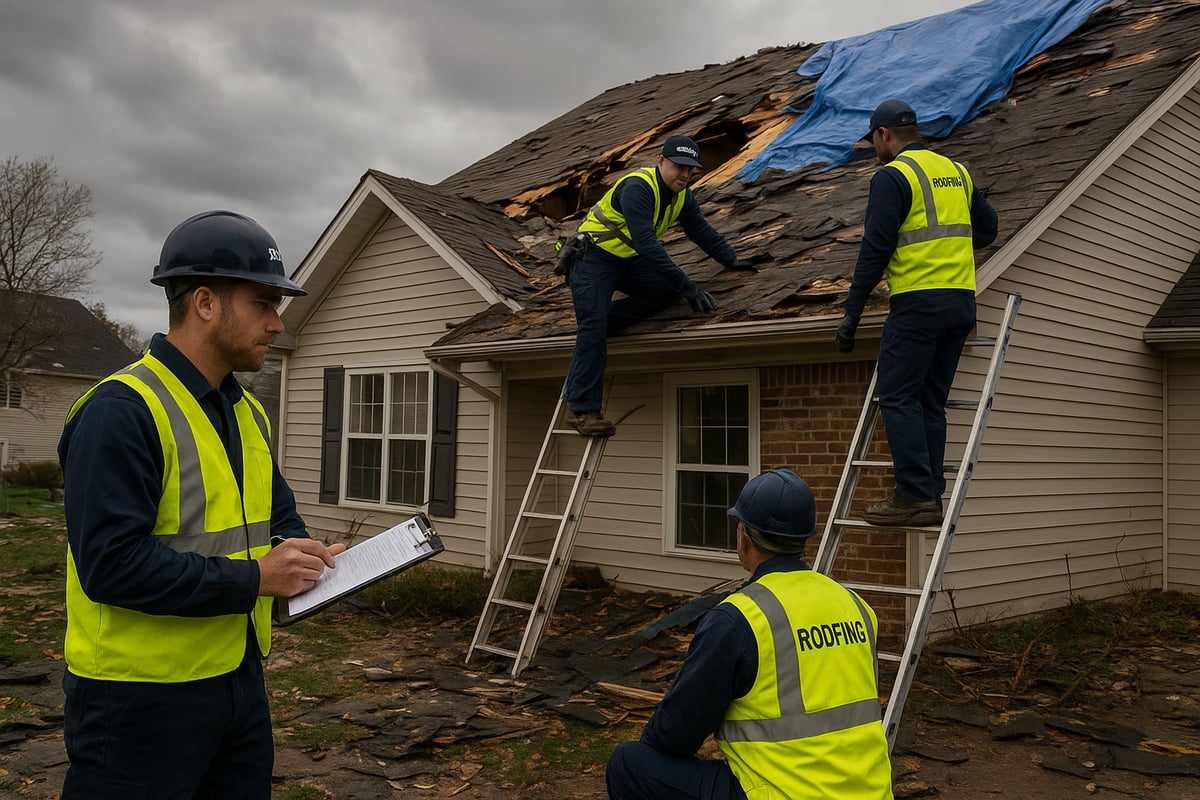
When a sudden event damages your roof, knowing what qualifies as an emergency can save you time, money, and stress. Emergency roof service is a specialized response provided by professionals to address urgent threats to a building's structure or safety. These threats could be caused by severe storms, fire, falling trees, or significant leaks. Unlike routine maintenance, emergency roof service is available 24/7 and focuses on quick, temporary solutions such as tarping or board-up to prevent further damage until permanent repairs can be made.
For a deeper look at how these rapid interventions work, you can explore Emergency Roof Repair Services. Emergency roof service differs from scheduled repairs in several ways:
Immediate response, often within hours
Priority on life safety and property protection
Use of temporary barriers if full repair cannot be completed right away
Understanding what triggers the need for emergency roof service is essential. The most common causes include intense storms with high winds or hail, fires that compromise roofing materials, and impact from falling trees or debris. According to industry statistics, storms are the leading cause of calls for emergency roof service. Other triggers are less frequent but equally serious, such as structural failures from aging roofs or vandalism.
Here is a summary of typical causes:
Cause
Frequency
Storm Damage
Very High
Fire/Smoke
Moderate
Fallen Trees/Debris
High
Structural Failure
Moderate
Vandalism/Accident
Low
Delaying emergency roof service can have significant consequences. Minor leaks often escalate within 24 to 48 hours, leading to major water intrusion, damaged insulation, and even structural collapse. Mold growth can quickly follow, affecting indoor air quality and health. The longer you wait, the more expensive repairs become, and insurance claims may be denied if you fail to take timely action. Prompt emergency roof service is not just about fixing a leak, but about protecting the entire building and its occupants.
Consider the real-world impact: after a severe storm, one homeowner ignored a small leak, only to face a full roof collapse weeks later. In another case, a commercial property suffered extensive interior damage because emergency tarping was delayed, resulting in costly business interruptions. These examples underscore why immediate action matters.
In 2026, the need for emergency roof service is rising. Extreme weather events are becoming more frequent, and insurance companies are demanding faster response times from property owners. Updated building codes and safety standards also require prompt mitigation of damages. Being prepared and knowing when to call for emergency roof service can make the difference between a manageable repair and a financial disaster.
Key Signs Your Roof Needs Emergency Service
Identifying the warning signs that your roof requires emergency roof service can mean the difference between a manageable repair and catastrophic damage. Understanding these signals helps you act swiftly, protecting your property and avoiding unnecessary costs.
Visible and Hidden Warning Signs
Many issues make it clear that you need emergency roof service. The most obvious sign is an active leak, such as water stains on ceilings, dripping, or pooling water in the attic. After a storm, look for missing, cracked, or curling shingles.
Other key indicators include:
Sagging rooflines or bowing
Sudden granule loss in gutters
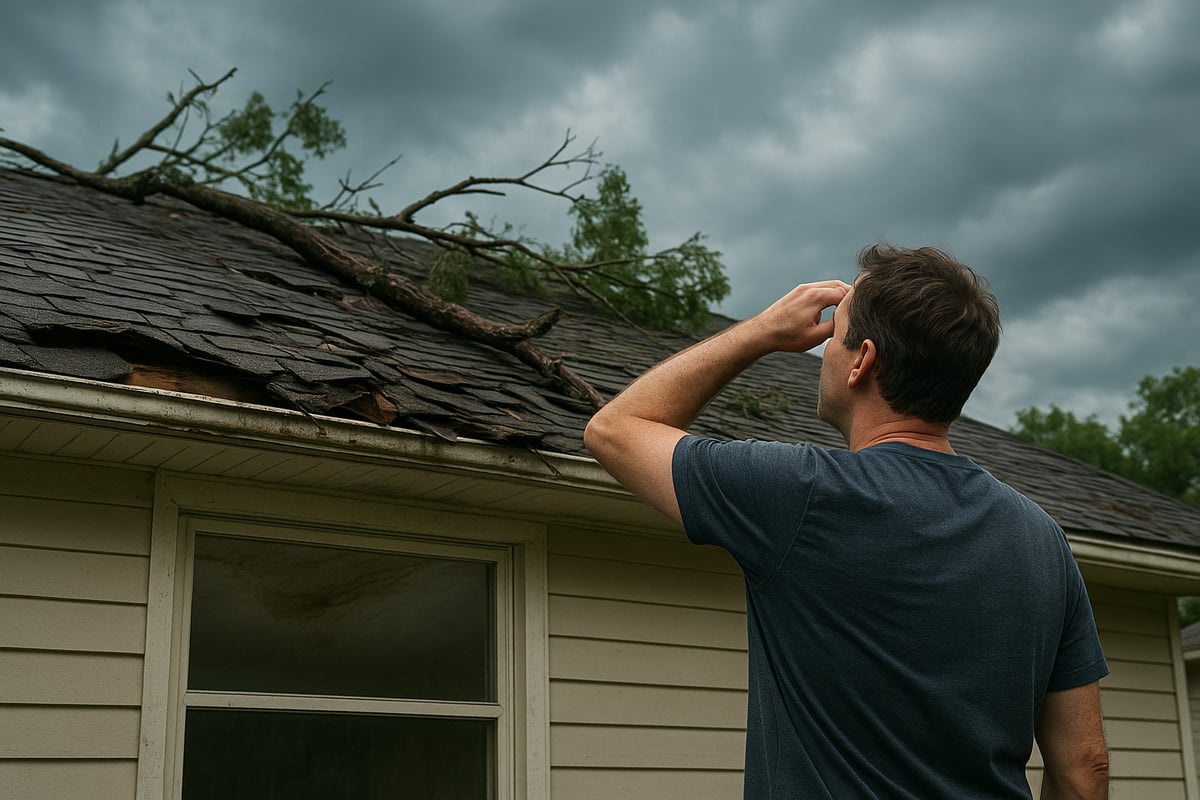
Debris or holes created by fallen branches
Spotting these problems early is crucial. For a deeper dive into how to spot leaks, visit Detecting Roof Leaks Quickly.
Less Obvious Indicators
Not all problems demanding emergency roof service are immediately visible. Sometimes, the warning signs are subtle. Unexplained spikes in your energy bills could indicate insulation issues caused by roof damage.
Be alert to:
Mold or mildew growth on ceilings or walls
Daylight visible through roof boards
Musty odors, which often signal hidden moisture
Catching these early can prevent more extensive and costly repairs.
When to Call for Emergency Help
Deciding when to call for emergency roof service is critical. If you notice active leaks, widespread shingle loss, or structural sagging, seek help immediately. Even if issues seem minor, professional inspection is essential after any major storm.
Avoid assessing the roof on your own, especially if it is wet or icy. DIY attempts can miss hidden damage and pose serious safety risks. Always prioritize safety and let qualified professionals handle inspections.
Data & Statistics
Storms remain the leading cause of emergency roof service calls, accounting for over 60% of reported cases. According to recent industry data, prompt action can save thousands in repair costs. For example, minor leaks left unchecked can escalate into major water damage within just 24 to 48 hours.
Cause
% of Emergencies
Avg. Cost if Delayed
Storm Damage
60%
$8,000+
Fire/Smoke
15%
$12,000+
Structural Failure
10%
$9,500+
Other (Trees, Vandal)
15%
$7,000+
Timely emergency roof service is an investment in your property’s future.
Illustrative Scenarios
Consider a commercial building where a slow, undetected leak led to business interruption and costly repairs. In contrast, a homeowner who called for emergency roof service immediately after spotting ceiling water stains prevented thousands in damages.
These scenarios highlight why quick action and professional help are essential. Recognizing the signs early and responding without delay protects both your finances and your peace of mind.
Step-by-Step Guide: What to Do Immediately After Roof Damage
When disaster strikes, acting quickly can make the difference between a minor inconvenience and a costly catastrophe. Every homeowner and property manager should know how to respond to roof damage, especially as the demand for emergency roof service continues to rise in 2026.
Step 1: Ensure Safety First
Your safety and that of your household come before anything else. If you suspect major structural damage, evacuate the building immediately.
Avoid any rooms where the ceiling is sagging or where water is actively leaking through light fixtures or electrical outlets. Steer clear of downed power lines and contact your utility company if you notice any electrical hazards.
Never attempt to inspect the roof yourself if it is wet, icy, or visibly unstable. Emergency roof service providers are trained to handle dangerous situations, and your safety should always be the top priority.
Step 2: Initial Assessment from the Ground
After ensuring everyone is safe, perform a preliminary inspection from the ground. Use binoculars or a drone to examine the roof without putting yourself at risk.
Look for visible signs of damage, such as missing or curled shingles, debris, or holes. Check for granules in gutters, which may indicate severe shingle loss.
Remember, emergency roof service professionals rely on accurate information to respond quickly. Never climb onto the roof, as unseen damage can make it unstable.
Step 3: Document the Damage
Careful documentation is crucial for both repairs and insurance claims. Take clear photos and videos of all visible roof damage, both outside and inside the property.
Record the date, time, and weather conditions when the damage occurred. This evidence will help your emergency roof service provider assess the situation and can streamline your insurance claim.
Include close-ups of leaks, water stains, and any belongings affected by water intrusion. The more thorough your documentation, the smoother the repair and claims process will be.
Step 4: Prevent Further Damage
Once documentation is complete, take steps to limit additional harm if it is safe to do so. Place buckets under active leaks, move valuables away from affected areas, and use plastic sheeting to cover openings.
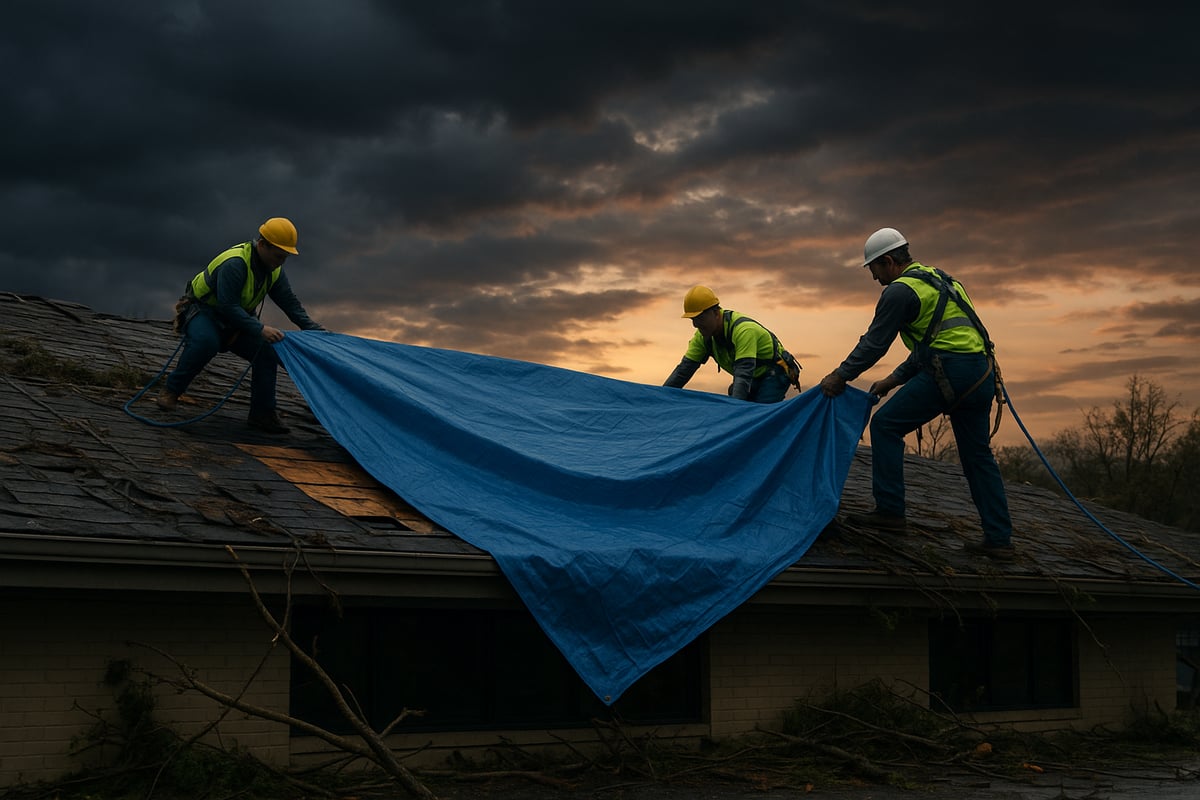
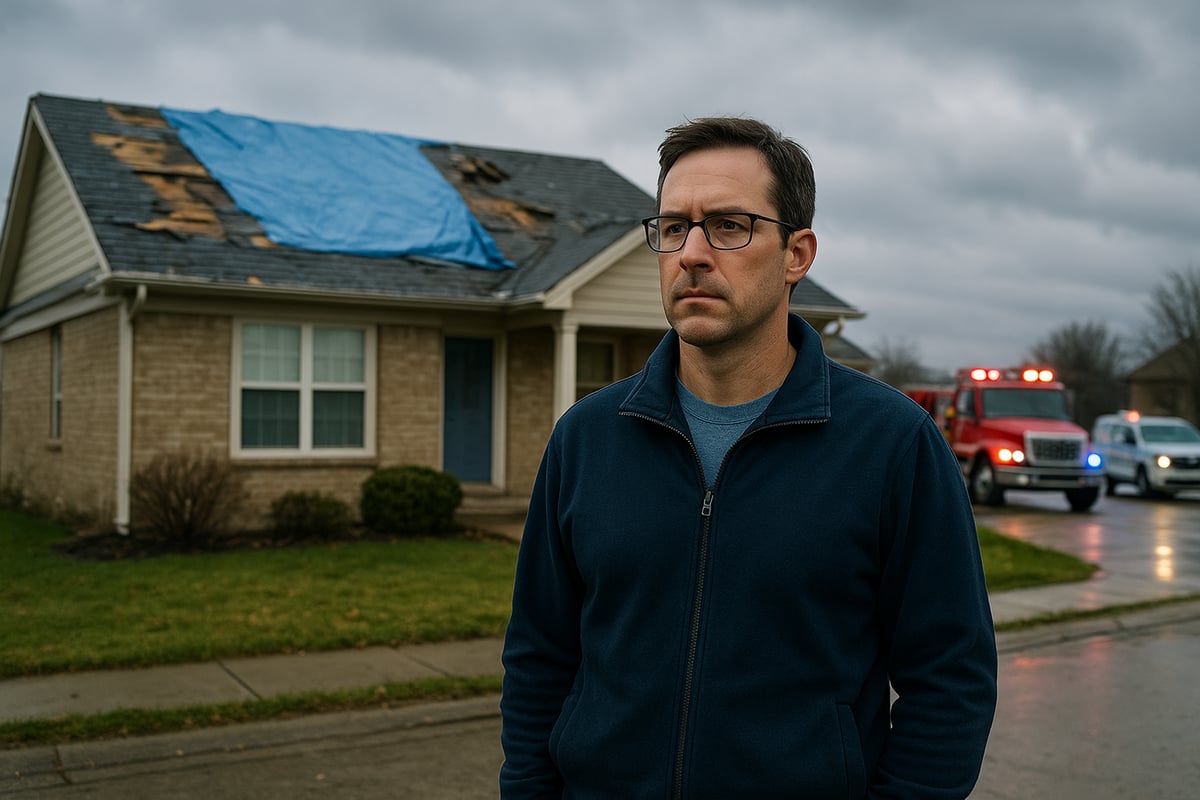
Emergency tarping is one of the most effective temporary solutions to prevent water from entering your home. Professional emergency roof service teams can install high-quality tarps that provide reliable protection until permanent repairs are made.
Delaying these actions can lead to rapid escalation of damage and costs, as vividly illustrated in The $80,000 Lesson: Emergency vs. Planned Maintenance, which details real-world consequences of waiting too long to secure the roof.
Step 5: Contact Emergency Roof Service Professionals
Reach out to a reputable emergency roof service provider as soon as possible. Choose a company that offers 24/7 response and has experience with your specific type of emergency, whether from storms, fire, or structural failure.
When you call, provide clear details about the extent of the damage, the type of emergency, and any immediate safety concerns. Reliable providers will give you an estimated arrival time and guide you through the next steps.
Quick action not only accelerates repairs but also satisfies insurance requirements for mitigating further loss.
Step 6: Notify Your Insurance Company
Contact your insurance company promptly to report the incident. Most policies require immediate notification after roof damage.
Share your documentation, including photos and videos, with your adjuster. Your emergency roof service provider can often assist in preparing detailed repair estimates and answering technical questions.
Timely reporting and collaboration with both your contractor and insurer can improve your chances of a successful claim.
Step 7: Avoid Common Mistakes
Many homeowners make critical errors in the aftermath of a roof emergency. To ensure the best outcome, keep these points in mind:
Do not attempt DIY repairs on wet, icy, or damaged roofs.
Do not discard any damaged materials until your insurance adjuster has inspected them.
Never use metal ladders near power lines.
Avoid letting unqualified individuals assess or repair your roof.
By relying on professional emergency roof service and following these guidelines, you reduce safety risks and prevent costly oversights.
Example Timelines
Understanding the typical sequence of events can help set your expectations:
Step
Average Timeframe
Impact of Delays
Initial Assessment
Within 1 hour
Missed damage, safety risk
Professional Arrival
2–6 hours (24/7)
Water damage escalates
Temporary Protection
Same day
Mold, structural harm
Permanent Repairs
1–7 days
Increased repair costs
A minor leak can become major water damage in as little as 24–48 hours if not addressed by emergency roof service. Timely action is the key to protecting your property and minimizing disruption.
The Emergency Roof Service Process: What to Expect from Professionals
When disaster strikes, understanding the emergency roof service process helps property owners stay calm and proactive. Professional teams follow a precise sequence to safeguard your building and minimize damage. With the rising costs of roof claims—U.S. Roof Claims Costs Reached Over $30 Billion In 2024—expert intervention is more critical than ever. Here is a step-by-step look at what to expect when you call for emergency roof service.
Initial Evaluation and Safety Checks
Upon arrival, emergency roof service professionals prioritize safety. They assess for structural dangers, such as unstable roof sections or exposed electrical wiring. Advanced tools like drones or moisture meters aid in identifying hidden hazards without risking further harm. Teams cordon off unsafe areas, ensuring no one enters zones with imminent collapse or electrical threats. This step is essential for both occupant safety and efficient service delivery.
Needs Analysis and Damage Assessment
Once the area is secure, the next phase of emergency roof service involves a detailed analysis of the damage. Technicians inspect shingles, underlayment, and decking to determine the full extent of the issue. They distinguish between damage requiring immediate attention and repairs that can wait. Using digital reporting and photos, they document conditions for insurance and future repairs. This thorough assessment guides the repair plan and resource allocation.
Debris Removal and Site Preparation
Professionals clear away fallen branches, shattered shingles, and other debris that could hinder the emergency roof service process. Removing hazardous materials not only prevents accidents but also exposes hidden damage for a more accurate evaluation. Teams use proper disposal methods to handle sharp or contaminated debris. Site preparation ensures that temporary and permanent repairs can proceed safely and efficiently.
Temporary Protection: Tarping and Board-Up
To stop further damage, emergency roof service providers install high-durability tarps or boards over compromised areas. Materials include heavy-duty tarps, waterproof fasteners, and sturdy boards for larger openings. Proper installation is crucial for weather resistance and protection. Temporary solutions may last for weeks, buying time until permanent repairs are scheduled. Board-up is often necessary for broken skylights or windows, especially after severe storms.
Interior Damage Evaluation
The next step is to check for water intrusion, insulation saturation, and property damage inside the building. Emergency roof service experts look for wet insulation, stained ceilings, and damp walls, which could indicate leaks or mold risks. This interior assessment helps prioritize repairs and prevents long-term structural or health issues. Detailed findings are shared with both owners and insurance adjusters for clarity.
Communication and Next Steps
Effective communication is a cornerstone of professional emergency roof service. Teams explain repair plans, estimated timelines, and projected costs in clear terms. They coordinate closely with your insurance company, providing detailed documentation to streamline claims. Many providers offer digital reports and photo evidence, which support a smoother claims process. Transparency ensures property owners understand each phase and can make informed decisions.
Example: Commercial vs. Residential Emergency Service
Commercial properties often face unique challenges during emergency roof service. Business interruption, code compliance, and larger roof footprints require specialized handling. Residential projects focus on family safety and contents protection, emphasizing rapid temporary repairs. The table below highlights key differences:
Aspect
Commercial Roof Service
Residential Roof Service
Priorities
Business continuity, codes
Occupant safety, valuables
Team Size
Larger, specialized crews
Smaller, focused teams
Timeline
Minimize downtime
Restore living conditions
Documentation
Extensive, for insurers
Streamlined, homeowner-focused
Choosing the right emergency roof service ensures both commercial and residential clients receive tailored, effective solutions.
Choosing the Right Emergency Roof Service Provider in 2026
Selecting the right emergency roof service provider in 2026 is crucial for protecting your property and ensuring a fast, effective response. With severe weather events on the rise, the need for reliable expertise has never been greater. The right choice offers not only peace of mind but also helps safeguard your investment against further damage.
What to Look For in a Roofing Emergency Expert
When searching for an emergency roof service provider, prioritize 24/7 availability and rapid response times. Emergencies rarely wait for business hours, so ensure the company can dispatch teams quickly, even at night or on weekends.
Check for proper licensing, insurance, and industry certifications. Providers with designations like Owens Corning Platinum Preferred or similar credentials demonstrate commitment to high standards. Experience in handling a range of emergencies, from storm to fire or structural issues, is essential. Advanced technology, such as drones and digital reporting, shows the provider is equipped for thorough assessments.
Evaluating Reputation and Reliability
A trustworthy emergency roof service provider should have a proven track record. Look for consistent positive reviews, testimonials, and references from previous clients. Customer feedback highlights how providers handle real emergencies and follow through on promises.
Guarantees and warranties on emergency repairs indicate confidence in their workmanship. A reputable company will offer clear terms and stand by their repairs. According to the Homeowners Unprepared for Emergency Repairs: 2025 Survey, many homeowners feel unprepared when emergencies strike, making it even more important to choose a provider with a strong reputation and transparent communication.
Service Offerings to Consider
Choose an emergency roof service provider that offers comprehensive solutions, not just temporary fixes. Full-spectrum services should include inspection, temporary protection like tarping, permanent repair, and support with insurance documentation.
Assistance with insurance claims is a valuable benefit, as navigating the process can be overwhelming during a crisis. Some providers also offer flexible financing options, making emergency repairs more accessible if insurance falls short. Ask about maintenance programs as well, which can help prevent future emergencies and extend your roof’s lifespan.
Red Flags to Avoid
Be cautious of unlicensed or uninsured contractors. These providers put you at risk legally and financially. Avoid those who use high-pressure sales tactics or provide vague, non-itemized estimates.
Lack of clear communication is another warning sign. A reliable emergency roof service provider will keep you informed at every stage and supply proper documentation.
Red Flag
Why to Avoid
Unlicensed/Uninsured
Legal/financial risk
High-pressure sales tactics
May signal desperation or dishonesty
Vague estimates
Hidden costs, lack of transparency
Poor communication
Increased stress, potential errors
Real-World Example
Consider a homeowner who faced a major storm in 2025. The first provider they contacted offered vague pricing, lacked insurance, and pressured for immediate payment. Sensing red flags, the homeowner chose a well-reviewed emergency roof service instead. This decision resulted in a prompt response, clear estimates, and successful insurance claim support. Data from 2026 shows that reputable providers average response times under two hours and higher customer satisfaction rates, underscoring the value of diligent selection.
Insurance, Claims, and Cost Considerations for Emergency Roof Service
When a roof emergency happens, prompt and informed action can make a significant difference in both the speed of your recovery and your out-of-pocket expenses. Understanding how to navigate the insurance process, what is typically covered, and current cost trends will help you maximize your benefits and minimize stress.
Navigating the Insurance Claims Process
After an emergency roof service event, begin by reviewing your policy and contacting your insurer immediately. Early notification is crucial for claim eligibility. Gather detailed documentation, including photos of the damage, weather conditions, and any temporary repairs made.
Follow these steps to streamline your claim:
Contact your insurance company as soon as possible.
Collect and organize photos or videos of all affected areas.
Obtain professional assessments and repair estimates from your emergency roof service provider.
Keep a written log of all communications with your insurer.
This proactive approach not only speeds up the process but also ensures you meet all policy requirements.
What Insurance Typically Covers
Most homeowners insurance policies cover sudden and accidental roof damage from events like storms, fire, or falling debris. Covered perils often include wind, hail, and tree impact. However, insurance usually excludes issues related to neglect, pre-existing damage, or lack of maintenance.
Review your policy details to confirm:
Your deductible amount and coverage limits.
Any specific exclusions or endorsements.
Whether temporary emergency roof service measures, such as tarping, are reimbursed.
Understanding what is covered helps you set realistic expectations before repairs begin.
Working with Adjusters and Contractors
Once you file your claim, your insurance adjuster will coordinate with your emergency roof service contractor to assess the full scope of the damage. Ensure you receive an itemized repair estimate that matches the insurer's findings. Open communication between you, the adjuster, and your contractor helps prevent misunderstandings.
Tips for effective coordination:
Schedule joint inspections when possible.
Use written documentation for any agreements or changes.
Request a detailed breakdown of labor, materials, and emergency roof service costs.
This collaborative approach ensures all parties remain informed and aligned.
Managing Out-of-Pocket Costs
Even with insurance, you may have to pay deductibles or costs not covered by your policy. Review your deductible and check for any coverage caps before starting repairs. Many emergency roof service providers offer flexible financing options if you need help covering unexpected expenses.
Consider these cost management strategies:
Compare estimates from multiple qualified providers.
Ask about payment plans for covered and non-covered repairs.
Retain all receipts and invoices for potential reimbursement.
Planning ahead protects your budget and ensures timely restoration.
Tips for Faster, Smoother Claims
Efficient claims handling starts with meticulous recordkeeping. Maintain a folder with all documentation, including correspondence with your emergency roof service provider and insurer. Enlist a contractor who can assist with the claims process, as their expertise can help avoid common pitfalls.
Key practices include:
Promptly submitting all requested documentation.
Following up regularly with your insurance adjuster.
Using professional services that offer insurance claim support.
Staying organized helps avoid delays and increases your chances of a favorable outcome.
Industry Data
Roof repair and replacement costs have risen sharply, affecting both insured and out-of-pocket expenses. According to Roof Repair and Replacement Costs Up Nearly 30% Since 2022: Verisk, the financial impact of roof emergencies is greater than ever. Delayed action can result in denied claims or higher costs, highlighting the importance of prompt emergency roof service.
Insurers increasingly scrutinize claims for timely mitigation and thorough documentation. Being prepared and informed is your best defense against unexpected financial burdens.
Preventing Future Roof Emergencies: Proactive Strategies for 2026
Preventing costly and dangerous roof disasters begins long before a storm hits. In 2026, proactive planning is the smartest way to reduce your risk and protect your property investment. By focusing on routine care and leveraging new technology, you can minimize the need for emergency roof service and gain peace of mind.
Regular Roof Inspections and Maintenance
Routine inspections are your first defense against unexpected roof problems. Scheduling annual or biannual checkups by certified experts can reveal small issues before they become emergencies. Many property owners enroll in Roof Maintenance Programs to ensure consistent care.
Between professional visits, look for missing shingles, blocked gutters, or signs of water intrusion. Early detection means you are far less likely to need emergency roof service in the future.
Upgrading Materials and Construction
Modern materials offer superior protection against the elements. Impact-resistant shingles, advanced underlayments, and durable coatings can significantly lower the risk of storm-related damage. For both homes and businesses, updating your roof with these products helps safeguard against conditions that often require emergency roof service.
When replacing or repairing your roof, choose materials rated for your local climate. Consult a qualified roofing specialist for recommendations tailored to your property’s needs.
Gutter and Drainage System Care
A well-maintained gutter system is essential for keeping water away from your roof. Clean gutters and downspouts regularly to prevent clogs and water backup, which can lead to leaks or structural issues.
Consider installing gutter guards to reduce debris buildup. Proper drainage is a crucial part of any emergency roof service prevention plan, helping to extend the life of your roof.
Tree and Vegetation Management
Overhanging branches and nearby trees can pose a major threat during storms. Trim back limbs that hang over your roof and remove dead or at-risk trees from your property. This simple step reduces the chance of impact damage and falling debris, both common causes of emergency roof service calls.
Routine landscaping not only protects your roof but also improves your property’s overall safety.
Emergency Preparedness Planning
Preparation is key to a swift response. Assemble a roof emergency kit with tarps, plastic sheeting, and safety gear. Keep a contact list of trusted emergency roof service providers for quick access during a crisis.
Review your insurance policy and understand what is covered. Being ready helps you act fast, minimizing potential losses and stress.
Leveraging Technology in 2026
Smart technology is transforming how we prevent and respond to roof emergencies. Install leak detection sensors in attics and ceilings to catch problems early. Use drones for safe, thorough inspections after severe weather.
For example, during the Early March 2025 North American Blizzard, properties with remote monitoring systems detected damage faster and arranged emergency roof service before leaks could spread.
Data & Trends
Industry data shows that buildings with regular maintenance experience up to 50 percent fewer emergency calls. Upgrading to modern roofing materials can reduce storm-related damage by 30 percent or more.
A proactive approach to emergency roof service not only saves money but also reduces the risk of business interruption and health hazards related to water damage or mold.
Example: Commercial Property Preparedness
Many businesses use maintenance programs to avoid costly disruptions. For instance, a healthcare facility scheduled routine inspections and caught a minor leak before it escalated, preventing a major emergency roof service call and protecting sensitive equipment.
This kind of planning is especially important for properties where safety and continuous operation are critical.
The Value of Proactive Investment
Investing in prevention today delivers significant returns. Regular maintenance, strategic upgrades, and emergency preparedness all reduce the likelihood of needing emergency roof service. Over time, you will save on repairs, protect your property value, and enjoy lower insurance premiums.
Taking action now means you are ready for whatever 2026 brings.
Discover expert solutions for leak sealer for roof in 2026 Learn about types application steps innovations costs and maintenance for long lasting protection
Discover expert advice on metal roof leak sealer options for 2026. Learn to prevent costly leaks, choose top products, and apply solutions for lasting protection.