I've watched 14.3% of contracts fall apart this year. That's the highest cancellation rate for January on record. In some markets like Atlanta, nearly one in five pending sales dies before closing....
How Roof Inspection Reports Kill Commercial Real Estate Deals During Due Diligence
In today’s market, more buyers are terminating purchase contracts during the inspection and due diligence window, often using roof inspection reports as their primary leverage point to walk away or renegotiate price.
Recent data shows more than 40,000 U.S. home-purchase agreements were canceled in a single month, equal to 16.3% of homes that went under contract and the highest December cancellation rate since 2017, with cities like Atlanta seeing cancellation rates above 20%.[web:27]
Inspection contingencies now function as escape hatches, and roof condition reports are one of the biggest triggers behind those failed deals.
Why Inspection Contingencies Kill So Many Deals
Inspection contingencies are deliberately written with subjective language, giving buyers broad discretion to terminate contracts while protecting their earnest money deposits.[web:21][web:27]
A buyer can walk away for almost any inspection-related reason: cosmetic concerns, missing features like sprinklers, or a general sense that the property has “bad juju.”
Because there are more sellers than buyers in many markets, that flexibility has shifted negotiating power sharply toward buyers, who are quick to lean on inspection findings when they want to exit a deal or demand concessions.[web:21][web:27]
In practice, roof and general inspection issues now account for the majority of failed contracts, far outpacing financing problems as the top deal killer.
What Professional Inspectors Really Look For on Roofs
Owners often point to their experience—“the roof has never leaked”—but inspectors focus on objective signs of age, deterioration, and risk, not whether you have personally seen a failure.
When an inspector walks your property, they are documenting what they see on the day of inspection, not your maintenance history or anecdotal performance.
Common Red Flags on Asphalt Shingle Roofs
Granule loss that exposes the asphalt and signals drying and aging.
Missing, cracked, curling, or broken shingles that allow water intrusion.
Sagging or uneven roof decks that suggest structural issues.
Water stains, mold, or mildew in attics or upper ceilings.
Damaged, corroded, or missing flashing around chimneys, vents, and penetrations.
Evidence of patchwork repairs that indicate recurring problems.
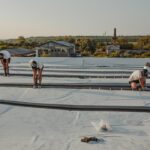
Common Red Flags on Flat Commercial Roofs
Organic growth (algae, moss) that traps moisture and accelerates membrane breakdown.
Adhesion failure between membrane layers or at seams.
Bubbling, blistering, or alligatoring of the membrane surface.
Standing water that remains 24–48 hours after rainfall, signaling drainage issues.
Visible penetrations, open seams, poorly executed patches, and surface cracks.
Inspectors use these indicators to estimate roof age and remaining useful life, often recommending replacement or major repairs even if the roof has not yet suffered a catastrophic leak.
The Commercial Due Diligence Window and Roof Risk
Commercial transactions typically include a due diligence period ranging from 30 to 90 days, and in more complex deals, the timeline may stretch to six months.
During this period, a general due diligence contingency allows the buyer to walk away for almost any documented reason, which is exactly where roof condition reports become so powerful.
Commercial property inspections are designed to identify defects, safety issues, hazards, and large capital expenditures, and major items like roof replacement and rooftop HVAC replacement sit squarely in that category.[web:21][web:27]
Once an inspection reveals serious roof concerns, three outcomes are common: the deal proceeds unchanged, the price is renegotiated to reflect roof costs, or the buyer terminates the contract entirely.
Hiring a roofing specialist during due diligence gives buyers a detailed assessment of structural integrity and remaining roof life, which often carries more weight than the seller’s anecdotal experience.
How Visual and Infrared Roof Inspections Change the Conversation
Professional inspectors start by identifying roof type and material—TPO, EPDM, PVC, or asphalt shingles—because each system ages differently and has distinct failure modes.
They then combine visual inspection with advanced tools to uncover problems that owners routinely miss.
In some documented inspections of older multifamily properties, inspectors have discovered extensive hail damage, interior water damage, and suspected mold, leading to recommendations for full roof replacement based on age and severity of deterioration.
For flat commercial roofs, many inspectors now use infrared or thermal imaging to detect trapped moisture, saturated insulation, and hidden leaks that a surface-level visual inspection will not reveal.[web:20]
These technologies reduce surprise failures and budget overruns, but they also surface issues that buyers can use to argue for lower pricing, repair credits, or contract termination.
Why Standing Water Is a Deal Killer on Flat Roofs
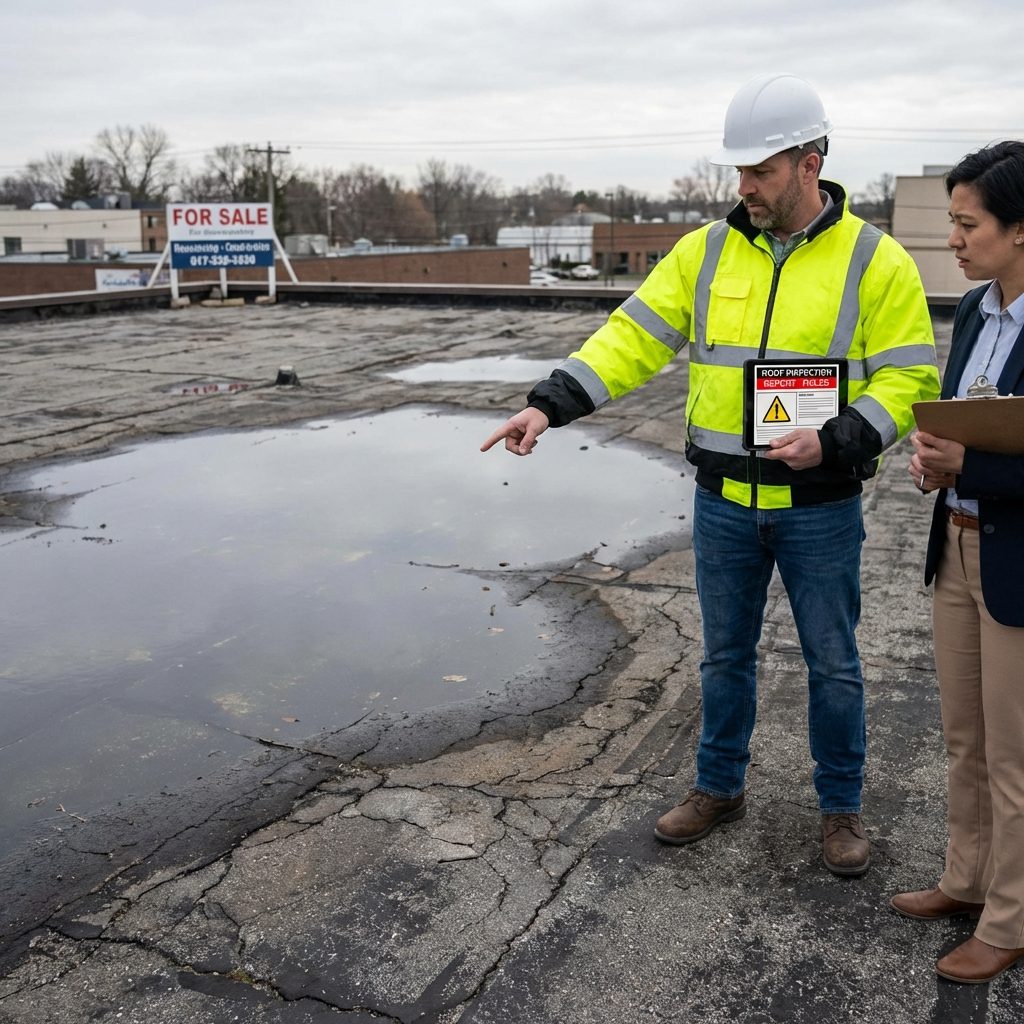
Persistent standing water—ponding that remains on a flat roof 24 to 48 hours after a storm—is one of the fastest ways to scare a buyer and their attorney.
Chronic ponding points to poor drainage or structural deflection and accelerates membrane deterioration, deck rot, and additional load on structural members.
Even if the roof has not yet failed, an inspection report showing photos of ponding, membrane damage, and soft spots gives the buyer a clear basis to renegotiate or terminate under the inspection contingency.
The buyer is not purchasing your history with the building; they are purchasing today’s condition and tomorrow’s projected maintenance costs.
Why Buyers and Sellers Clash Over Roof Findings
Many deals fall apart because buyers and sellers interpret roof inspection results through completely different lenses.
In a high-cost, high-rate environment, buyers often request extensive repairs, price reductions, or closing credits to offset unexpected roof and building costs.[web:21][web:27]
When an inspection report shows a long list of roof deficiencies, buyers usually choose among three paths:
Request repairs before closing: The seller completes roof repairs or replacement so the deal can move forward.
Negotiate a price reduction or credit: The buyer accepts the property as-is but pays less to cover the future cost of roof work.
Walk away: The buyer exercises the inspection contingency and cancels the contract, often with their earnest money protected.
Sellers who dismiss inspection findings with “it’s been fine for years” frequently see buyers exit rather than assume an aging or compromised roof.
How Inexperienced Inspectors Can Also Hurt You
Not every inspector has deep experience with commercial roofing systems, and that inexperience can cost both parties money.
Inexperienced inspectors may overlook serious issues that emerge later as leaks, structural problems, or code violations, or, on the opposite extreme, they may flag minor cosmetic defects as major structural concerns.
Both outcomes damage the transaction: buyers either underestimate risk or overreact to overstated findings, and sellers are dragged into unnecessary conflicts or renegotiations.
Engaging a qualified commercial property inspector—often alongside a roofing contractor—produces more accurate reports and supports realistic, fact-based negotiations.
How Courts View Due Diligence and Roof Reports
When disputes over terminated contracts end up in court, judges often review whether the buyer exercised due diligence reasonably within the agreed timeframe.[web:21][web:27]
To justify keeping their earnest money, buyers typically must show documentation that a material issue was discovered and that it legitimately impacted the value or risk profile of the property.
A detailed roof inspection report—including photos, moisture readings, and remaining life estimates—becomes key evidence that the buyer acted in good faith.
Seller claims that “the roof has always been fine” carry little weight against documented proof of granule loss, membrane degradation, standing water, or structural concerns.
What Smart Commercial Property Owners Should Do Now
If you plan to sell commercial property in the next 6 to 24 months, a proactive roof strategy can prevent inspection surprises from killing your deal.
Step 1: Schedule Your Own Roof Inspection
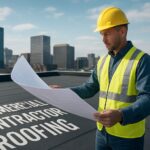
Hire a qualified roofing contractor or commercial inspector to evaluate your roof before listing, documenting condition, defects, and remaining useful life.
This advance work helps you understand exactly what a buyer’s inspector is likely to find and how serious those findings will look in a written report.
Step 2: Address Obvious Issues Early
Correct simple, high-visibility problems—such as damaged flashing, minor leaks, or obvious ponding—before you go to market so they do not appear as glaring red flags in the buyer’s report.
Strategic repairs can extend roof life, minimize buyer objections, and strengthen your negotiating position.
Step 3: Document Maintenance and Repairs
Keep clear records of inspections, patching, coating, drain cleaning, and any partial replacements.
When a buyer’s inspector flags issues, you can respond with: “Yes, we’re aware of that area; here is what we’ve done, and here is the remaining useful life according to our roofing contractor.”
This is far more persuasive than relying on vague assurances that the roof has “always been fine.”
Key Takeaway for Owners and Investors
The market has shifted toward buyers, and inspection contingencies—powered by detailed roof condition reports—are terminating more deals than ever.[web:21][web:27]
Your personal experience with the property does not appear in the inspection report; only the roof’s objective condition and projected future costs do.
Owners who treat the roof as a central piece of due diligence, not an afterthought, are the ones most likely to keep contracts intact through inspection, negotiation, and closing.
FAQs About Roof Inspections and Canceled Deals
Why do roof inspections cause so many deals to fall through?
Roof inspections often reveal large, immediate capital expenses—like full replacement or extensive repairs—that buyers did not fully price in, giving them strong grounds to renegotiate or terminate under the inspection contingency.[web:21][web:27]
What roof issues scare commercial buyers the most?
Buyers are most concerned about signs of systemic failure: widespread membrane deterioration, chronic standing water, structural sagging, hidden moisture, and roofs near the end of their useful life that could require six- or seven-figure replacement costs.
Can a seller prevent a buyer from canceling over roof issues?
Sellers generally cannot block a buyer from using an inspection contingency, but they can reduce the risk by addressing obvious roof issues in advance, documenting professional evaluations, and being prepared to negotiate credits or repairs.
Is a pre-listing roof inspection worth the cost?
For most commercial properties, a pre-listing roof inspection is a relatively small expense compared with the cost of a failed contract or a forced, last-minute price reduction during due diligence.
How should owners prepare for buyer roof inspections?
Owners should schedule their own inspection, complete practical repairs, organize maintenance records, and work with their broker and roofing contractor to set realistic expectations around roof condition and pricing.
Learn why preventative electrical maintenance is critical for commercial buildings. Discover best practices, inspection schedules, and cost-saving benefits.